Jake DeBrusk scored his first career National Hockey League hat trick to kick things off on a four-point night (three goals, one assist), while Jeremy Swayman made 34 saves en route to his third shutout of the season as the Boston Bruins beat the Los Angeles Kings, 7-0, Monday night at Crypto.com Arena.
Swayman (13-7-3, 1.95 goals-against average, .929 save percentage in 24 games played) turned aside all 34 shots that he faced for his fifth career shutout in the win for Boston.
Los Angeles netminder, Jonathan Quick (14-11-6, 2.67 goals-against average, .909 save percentage in 31 games played) made 14 saves on 19 shots against in 32:40 time on ice before he was replaced by Cal Petersen in the loss.
Petersen (14-7-1, 2.68 goals-against average, .898 save percentage in 23 games played) stopped 11 out of 13 shots faced in relief of Quick for no decision.
The Bruins improved to 32-17-4 (68 points) on the season and remain 4th in the Atlantic Division, while in control of the first wild card spot in the Eastern Conference.
The Kings fell to 29-18-7 (65 points) overall and remain 2nd in the Pacific Division.
The B’s visited Los Angeles for the first time since the 2018-19 season (4-2 loss on Feb. 16, 2019) due to the ongoing COVID-19 pandemic, which also marked the first time Boston faced the Kings in general since the 2019-20 season (4-3 overtime loss on Dec. 17, 2019 at TD Garden).
Bruins head coach, Bruce Cassidy, made no changes to his lineup from Saturday night’s, 3-1, win in San Jose to Monday night’s action in Los Angeles.
As a result, Anton Blidh and Jack Ahcan remained healthy scratches for Boston, while Jakub Zboril (right ACL), Urho Vaakanainen (undisclosed) and Curtis Lazar (upper body) were out of the lineup due to injury.
After a quick entry into the attacking zone for the Kings, Brad Marchand took a hit to move the puck to DeBrusk as the Bruins forward made his way through the neutral zone with speed on the first rush of the game for Boston.
DeBrusk (12) flung a shot on net off of Quick’s glove side and into the twine to give the B’s a, 1-0, lead at 1:01 of the first period– extending his point streak to five games in the process.
By the end of the night, No. 74 in black and gold would amass seven goals and two assists (nine points) in his last five games.
Marchand (30) and Patrice Bergeron (25) tallied the assists on DeBrusk’s first goal of the night– giving Marchand six straight seasons with at least 30 assists in the process on Boston’s first shot of the game.
Midway through the opening frame, DeBrusk (13) sent an indirect catch and release shot from the slot off of Quick’s glove side and into the twine (again) for an unassisted goal that gave the Bruins a, 2-0, lead at 13:37 of the first period.
DeBrusk’s second goal of the game put him in sole possession of fourth places in goals scored this season on Boston’s roster, trailing David Pastrnak (28), Marchand (23) and Bergeron (15).
Less than a couple minutes later, Trent Frederic expressed frustrations with Brendan Lemieux in the exchange of fisticuffs at 15:12 and the two players received five-minute majors for fighting– sending each player to the dressing room early for the first intermission in the 17th fight this season for Boston.
A few minutes later, Blake Lizotte tripped Mike Reilly and presented the Bruins with their first power play of the night at 18:16, but Boston failed to convert on the resulting skater advantage.
Heading into the first intermission, the Bruins led, 2-0, on the scoreboard and, 12-9, in shots on goal.
Boston also held the advantage in blocked shots (7-3) and hits (17-13), while Los Angeles led in giveaways (2-1) and faceoff win percentage (59-41).
The Kings had yet to see time on the skater advantage, while the Bruins were 0/1 on the power play.
DeBrusk (14) got things going again early in the middle frame as he deflected a shot from Bergeron just under the crossbar to give Boston a three-goal lead.
The call on the ice stood as the goal was reviewed but could not be conclusively overturned and DeBrusk earned his first career hat trick– a natural hat trick at that– in the process, while Bergeron (26) and Charlie McAvoy (26) tallied the assists 53 seconds into the second period.
McAvoy’s secondary assist gave him a new career-high in points in a season– surpassing his previous high (32 points) set in 2017-18 and 2019-20.
DeBrusk’s hat trick marked the first hat trick for Boston since Pastrnak recorded a hat trick in a, 3-2, win against the Philadelphia Flyers on Jan. 13th earlier this season.
Moments later, Jesper Frödén cut a rut to the penalty box for holding at 2:23 and Derek Forbort tripped Viktor Arvidsson at 3:02 of the second period– presenting Los Angeles with a 5-on-3 power play for 1:22 before an abbreviated 5-on-4 power play in the remainder.
The Kings, however, couldn’t convert on the skater advantage.
Midway through the period, Sean Durzi was assessed a holding infraction at 11:34.
It didn’t take Boston long to convert on the ensuing power play as Bergeron won the faceoff and the puck worked its way back to the point where Pastrnak unloaded on a blast that Bergeron (15) tipped in front of the net to give the Bruins a, 4-0, lead at 11:40 of the second period.
Pastrnak (24) and Marchand (31) had the assists on Bergeron’s power-play goal as the B’s extended their lead to four goals.
A mere 62 seconds later, Pastrnak sent Taylor Hall (12) through center ice into the attacking zone on his off-wing before riffling a shot from the faceoff dot under Quick’s blocker into the far side of the net.
Pastrnak (25) and McAvoy (27) notched the assists on the goal as the Bruins took a, 5-0, lead at 12:42 of the second period at which point the Kings swapped goaltenders.
Quick left the ice and Petersen strolled over into the crease to hold the fort down for the remainder of the second period, though he would give up a pair of goals in the final frame.
Through 40 minutes of action, Boston led, 5-0, on the scoreboard and, 23-21, in shots on goal, despite trailing Los Angeles in shots on net in the second period alone, 12-11.
The Bruins held the advantage in blocked shots (9-8) and faceoff win% (52-48), while the Kings led in giveaways (5-3).
Both teams had one takeaway each and recorded 23 hits aside, while Los Angeles was 0/2 on the power play and Boston was 1/2 heading into the third period.
Drew Doughty slashed Marchand at 8:12 of the third period and the Bruins cashed in on the resulting power play with one second to spare.
Erik Haula (6) notched his 100th career NHL goal on a shot pass redirection goal from the doorstep courtesy of Charlie Coyle, who recorded his 200th career NHL assist in the process.
Acutally, both Coyle (14) and Craig Smith (13) recorded their 200th career NHL assists on Haula’s 100th career goal in a strange aligning of the universe on one play as the B’s took a, 6-0, lead courtesy of Haula’s power-play goal at 10:11 of the third period.
A few minutes later, Haula (7) scored his second goal of the game on yet another quick shot from the slot as DeBrusk sent the puck to Hall before Hall feigned a give-and-go opportunity for a clearer passing lane to Haula in front of the net.
Hall (27) and DeBrusk (10) tallied the assists as the Bruins took a, 7-0, lead at 13:39 of the third period– marking DeBrusk’s first career four-point night on Haula’s first multi-goal game in a Boston uniform.
There were no more goals and no penalties after Haula scored his second of the game as the Bruins cruised to a, 7-0, shutout in their largest margin of victory this season– scoring seven goals for just the second time this year (previous, 7-3, win on Jan. 10th in Washington, D.C.), while Swayman turned aside every shot he faced.
Boston left Crypto.com Arena with the, 7-0, win despite finishing the night trailing in shots on goal, 34-32, as Los Angeles rallied to a, 13-9, advantage in shots on net in the third period alone.
The Kings left their own ice leading in blocked shots (13-12) and giveaways (9-4), while the Bruins finished the night leading in hits (33-30).
Both teams wrapped up Monday night’s action, 50-50, in faceoff win%, while Los Angeles went 0/2 and Boston went 2/3 on the power play.
The Bruins improved to 22-7-1 (12-3-1 on the road) when scoring first, 20-2-1 (11-1-1 on the road) when leading after the first period and 22-1-2 (14-0-2 on the road) when leading after two periods this season.
The Kings fell to 14-13-4 (6-9-1 at home) when allowing the game’s first goal, 6-10-2 (1-7-0 at home) when trailing after one and 4-12-2 (2-8-1 at home) when trailing through the second period in 2021-22.
The Bruins visit the Anaheim Ducks Tuesday night to close out the month of February as their six-game road trip continues (3-0-0).
Boston kicks off March Thursday night in Vegas and wraps up their road trip in Columbus Saturday before returning home to host the Kings next Monday.
Technically it already started, but we’ll ignore the fact that the Pittsburgh Penguins spoiled the Tampa Bay Lightning’s 2021 Stanley Cup champion banner night with a, 6-2, victory on the road before the Vegas Golden Knights held off a Seattle Kraken comeback in a, 4-3, win at T-Mobile Arena on Tuesday night.
And then Wednesday’s games happened too.
Let’s hit the “reset” button for a second and pretend the 2021-22 is about to get underway. All 32 National Hockey League teams have a chance at clinching 16 available playoff berths.
Any of the 16 teams that make the 2022 Stanley Cup Playoffs could etch 52 names from their roster, front office and organization on the Stanley Cup next June.
The usual divisions– Atlantic, Central, Metropolitan and Pacific– have returned as have the Eastern Conference and Western Conference. The regular playoff format is back (three teams per division, two wild cards per conference qualify, plus the Conference Finals round returns in place of the Stanley Cup Semfinals in 2021).
A full 82-game regular season schedule is slated from October through the end of April with a three-week break in February for the 2022 All Star Game in Las Vegas and the 2022 Winter Games taking precedence before a return to NHL action down the stretch with the postseason kicking off in May like last year and the 2022-23 season likely returning to the pre-pandemic timeline (2023 Stanley Cup Playoffs starting in April).
The 2022 NHL Entry Draft will be in Montréal on July 7th and 8th, while free agency begins on July 13th, but between now and then, we’ve got the 2021-22 regular season to enjoy.
Using last season’s team goals for and team goals against, plus some other “magic numbers” as part of an expected points model, we’re able to project what 2021-22 could be for all 32 teams (yes, even the Seattle Kraken, despite this year being their first season)– though you’ll have to pretend there were no transactions made in the offseason.
In other words, don’t think that any of what you’re about to see is set in stone– view it more as a suggestion for a possible outcome.
Also, please remember my degree is in communication, so any math beyond figuring out “goals + assists = season point totals” doesn’t exist.
In a normal year (like from 2017-18 to 2018-19, for example), you just take all the data from the 82-game schedule for each team plug it into a formula in a spreadsheet, then line things up accordingly in each division.
However, just like how the shortened 2019-20 season disrupted the regular process for projecting a 2020-21 standings outlook, going from last season’s stats in a 56-game schedule to projecting a regular 82-game season in 2021-22 necessitated the use of forecasting point pace as part of the formula.
As for Seattle, a simple means of taking the NHL stats from last season for every player on their roster and plugging it in for a 2021-22 result is exactly what I did.
We’re all just making it up as we go along, folks. These are projections. They are not absolutes.
For the sake of keeping it simple, here’s a look at how things could go (but probably not) in each division for the upcoming 2021-22 season.
The overall vibe of the Central Division for 2021-22 is that it’s just more of exactly what you’d expect. The Colorado Avalanche are lightyears ahead of everyone else, while Kirill Kaprizov and the Minnesota Wild continue to be on the rise and everyone else fights for what they can earn.
Meanwhile, the jury is still out on whether or not the Winnipeg Jets can breakthrough as Canada’s team and break the Canadian curse (become the first Canadian club to win the Cup since 1993).
Will Coloradofinally break through the Second Round and win the Cup?
Are the Avalanche just the Toronto Maple Leafs but with a little more success? My column:
No, but really, it’s worth asking if the Avs making it back to the Western Conference Final for the first time since 2002, is more like Toronto’s struggle to make it out of the First Round for the first time since 2004, or is Colorado’s struggle more like the Washington Capitals pre-2018?
The Caps won three Presidents’ Trophies in 2009-10, 2015-16 and 2016-17, but couldn’t make it past the Second Round– let alone the Pittsburgh Penguins– until they finally did and ended up surging in momentum all the way to their first Stanley Cup in franchise history.
Colorado, on the other hand, has already won the Cup twice (1996 and 2001) and also has three Presidents’ Trophies to their name in 1996-97, 2000-01 and 2020-21, so if recent history has anything to tell us it’s that yet another team with high expectations for at least a few seasons now only to come up short could very well go on to win it all after winning the Presidents’ Trophy the previous year.
Either that or they’ll have to win it in back-to-back seasons like Washington did before they won the Cup in 2018.
Then again, the Tampa Bay Lightning tied the Detroit Red Wings’ record for most wins in the regular season (62), securing the Presidents’ Trophy in the process in 2018-19, then got swept by the Columbus Blue Jackets in the 2019 First Round.
The very next year, however, Tampa kicked off back-to-back Cup rings in 2020 and 2021, to be where they are now as the two-time defending champions likely standing in the path as the only other favorites outside of the Avalanche this season.
Anyway, the Avs mostly kept things the same from last season to this season, losing Joonas Donskoi to the Seattle Kraken in the 2021 NHL Expansion Draft, Brandon Saad to the St. Louis Blues in free agency and making minor swaps among replacement level bottom-six forwards and bottom-pairing defenders.
Oh, then there’s this whole thing about how Philipp Grubauer left for Seattle in free agency too, so Colorado acquired Darcy Kuemper from the Arizona Coyotes.
Between Dallas, Nashville and St. Louis, who will realistically make the playoffs?
The Stars are projected to finish with about 94 points, the Predators sit at 92 points and the Blues are around 91 points in this one projection, but don’t let the points alone be your deciding factor.
Given the strength of the Central Division compared to the Pacific Division, you can bet on five teams making out of the Central among Western Conference playoff berths.
As such, the spread is the difference maker between these three teams expected to be in the wild card hunt– it’s going to come down to the wire one way or another.
Dallas bolstered their goaltending depth by signing Braden Holtby, Nashville traded Ryan Ellis to the Philadelphia Flyers and St. Louis is… …better than last season on paper?
I mean, the Blues signed Saad, acquired Pavel Buchnevich from the New York Rangers in exchange for Sammy Blais, let Seattle claim Vince Dunn at the expansion draft and let Mike Hoffman walk to the Montréal Canadiens in July.
You could say they took a hit here or there, but those aren’t “nobody names” by any means, however.
If Jordan Binnington and Ville Husso can stabilize things in the crease, then St. Louis has a better situation than the Predators.
The Stars, meanwhile, should benefit from a longer season where more of their core guys– like Tyler Seguin, for example– are healthy. Last season’s COVID-19 outbreak to kick things off in January really killed Dallas’ momentum as a team on the verge of being in the 2021 postseason.
Dallas should get back into the swing of things and St. Louis should be able to stay relevant for at least another year, but how hard the Preds rely on Juuse Saros as their starting goaltender will dictate whether or not they’re able to play spoiler with David Rittich as their backup since Pekka Rinne retired.
Can Arizona avoid the basement?
Anything is possible at this point. Loui Eriksson and Andrew Ladd were scoring goals in the postseason, so a fresh start could be just what both players needed for the last few years at least.
That said, Coyotes General Manager, Bill Armstrong, gave a Masterclass™️ in how to go about rebuilding by selling everything over the summer and taking on “bad” contracts with only one or two years remaining in hopes of playing just well enough to be bad enough without making it look obvious that you’re aiming to win the 2022 NHL Draft Lottery.
The Pacific Division is the new Scotia NHL North Division from last season. In other words, it’s the worst– which is great news for the Seattle Kraken as the league’s schedule allots more division play than any other opponents (though the Kraken will play every other team in the league at least twice).
Seattle’s riding the waves of new-age expansion, while the Vegas Golden Knights lead the charge for the Presidents’ Trophy campaign in 2021-22.
Wait, Seattle in 2nd in the Pacific, really?
Yes, really.
The Kraken have a great front office that goes beyond just Ron Francis as General Manager and have done their due diligence in scouting the best talent available to try to replicate the success of the Vegas Golden Knights’ inaugural season in 2017-18, as well as grow beyond just 2021-22.
That said, Seattle probably isn’t going to make it out of the First Round of the 2022 Stanley Cup Playoffs, even if they have to face the Edmonton Oilers according to this projection.
It’s a best case scenario for the NHL’s newest expansion team to be in the weakest division, but aside from having recent Stanley Cup champions Yanni Gourde, Philipp Grubauer, Jaden Schwartz and Dunn on their roster, the Kraken have a plethora of players that are relatively inexperienced with deep postseason runs.
Head coach, Dave Hakstol, also hasn’t had the consistency of making the playoffs and making it out of the First Round in his NHL coaching days, but as a team that, again, is looking to develop long-term success, these are mere growing pains Francis and Co. are willing to accept as the fan base grows.
Why aren’t the Kings making the cut this year when everyone else says they’ll be the most improved?
The simple answer is that everyone’s overrating Los Angeles when it comes to the “ready now” factor.
Sure, Kings General Manager, Rob Blake, did a good thing by getting Viktor Arvidsson in a trade with Nashville this summer to solidify his top-six forward group and signed Alex Edler to fortify his defense, but Los Angeles’ goaltending leaves something to be desired.
Here’s hoping Jonathan Quick can find a little resurgence at this point in his career, while Cal Petersen continues to come into his own.
If Los Angeles has any injuries– and they already have with Arvidsson likely missing some time due to an injury in the last preseason game– they’re already close enough to the bubble that they’ll only fall further behind.
That said, if the Kings don’t make it back to the postseason hunt in 2022, there’s a good chance they make it in 2023.
Los Angeles is improving, but by how much remains to be seen.
Will winning the Presidents’ Trophy hurt Vegas?
Eh, it’s hard to say.
The Golden Knights have packed in just about every type of heartbreak since their inception in 2017, that fans of other franchises have only experienced over the course of at least 50 years, so if Vegas pulls out the Presidents’ Trophy win in 2021-22, don’t be surprised when the inevitable happens and they win the Cup instead of doing what most other Presidents’ Trophy winners in the salary cap era have done.
Only the 2007-08 Detroit Red Wings and Chicago in 2012-13, have been able to win the Presidents’ Trophy and the Stanley Cup since the salary cap was introduced ahead of the 2005-06 season.
Vegas would probably join Detroit and Chicago in doing so just so the Hockey Gods can spite us again.
It’s not easy to be in the Metropolitan Division these days because, well, let’s save that for the three questions below.
Is this the toughest division to project?
Absolutely.
The Carolina Hurricanes decided to just get rid of a few parts and pieces that helped make them good for the last few seasons, so they’re bound to regress even with Sebastian Aho, Andrei Svechnikov, Teuvo Teräväinen and Martin Necas still existing.
The Pittsburgh Penguins since 2009, have always found a way to be near the top of the division standings by the end of the regular season no matter whether or not you believe they’ll inevitably miss the playoffs for the first time since 2006, so anything could happen there.
The New York Islanders have made back-to-back appearances in the Eastern Conference Final, so I’d expect them to be good.
The Washington Capitals are better than the Philadelphia Flyers and New York Rangers, at least, but are probably the only team on the bubble if the New Jersey Devils can come out of nowhere and be competitive this season after signing Dougie Hamilton, Tomas Tatar and Jonathan Bernier in the offseason.
Meanwhile, it’s time for a short rebuild in Columbus as the Blue Jackets would be quite pleased with a top draft pick in 2022.
What if Chris Drury never was promoted as General Manager of the Rangers?
They’d still fire David Quinn and hire Gerard Gallant. I don’t think that’s such a bad idea, but they’d definitely reconsider about 90% of the roster decisions made this summer.
There’s no reason why the Rangers have to go down this path and yet, here they are, fumbling at the one-yard line and possibly plunging their franchise back into the Dark Ages of another rebuild. Or is it the same ongoing rebuild?
What about a team to watch like New Jersey, for example?
I’m big on the Devils this season for some strange reason.
Maybe it’s because a part of me deep down misses the trap game of the 1990s and 2000s that led to Stanley Cups for New Jersey in 1995, 2000 and 2003.
Maybe it’s because they signed Hamilton, Tatar, Bernier and acquired Ryan Graves from the Colorado Avalanche as a supporting cast for Jack Hughes, Nico Hischier, Pavel Zacha, Yegor Sharangovich, Ty Smith and friends.
Seriously, the Devils should be good in the next few seasons, but this year could be the biggest stride forward in terms of their improvement from the basement to their development as a playoff contender.
First, pour one out for Jack Eichel. Now, let’s move on and talk about everyone else.
What does this mean for the Leafs?
Just like how the Stars, Preds and Blues are all right on top of one another in the Central Division standings, the Atlantic Division is stacked from 1st through 4th, so though Toronto leads the way in this projection, I wouldn’t feel too comfortable as a Leafs fan.
The Maple Leafs played in the worst of the four divisions last year in the temporarily realigned divisions in wake of the ongoing pandemic.
No, it’s not just because they played all the other Canadian teams across 56 games, but rather it’s due to the fact that they haven’t been able to matchup with the Tampa Bay Lightning, Florida Panthers and even the Boston Bruins since the 2019-20 season.
A lot and not a lot has changed since then.
Tampa is still dominant as ever, Florida has emerged as a team that’s on the rise and Boston is unpredictable in that– much like the Penguins– it could really go either way with the Bruins this season.
So now Toronto has to take on better competition within their own division and square off with teams like the Vegas Golden Knights, Colorado Avalanche, New York Islanders and others that emerge towards the top of the standings outside of the Canadian teams that the Leafs are all too familiar with at this point.
That said, Toronto still has a great chance at winning the Atlantic Division regular season title or finishing 2nd and having home ice advantage in the First Round for the second-straight postseason.
Can anyone other than Toronto, Florida, Tampa or Boston make it out of the Atlantic this year?
No. Let’s be realistic here.
The Montréal Canadiens made it to the 2021 Stanley Cup Final despite being below .500 in the standings because every division produced four playoff berths and intra-divisional play through two rounds.
In 2020, they upset the Pittsburgh Penguins in the Qualifier despite finishing right at .500.
In any other non-pandemic timeline, the Canadiens would still be looking for their first playoff appearance since they lost to the New York Rangers in six games in the 2017 First Round.
That’s not to say that Nick Suzuki can’t lead the Habs back to glory, but rather that they need to improve all-around in the regular season and peaking in performance in the playoffs.
Though the Ottawa Senators promised unprecedented success from 2021-25, it’s looking like it’ll realistically be anytime between 2024-25 as in the 2024-25 season itself at this point.
Ottawa’s goaltending needs to improve, their defense could use some tweaks and the Sens are banking on their offense getting their feet underneath them and bursting in production in the coming years.
A little more patience won’t hurt them.
The same can be said for the Detroit Red Wings in that Red Wings fans already know– trust in General Manager, Steve Yzerman, is paramount. He’ll work his magic.
It just takes a little time to build a solid foundation and the first floor is almost ready to start going up.
As for the Buffalo Sabres, well…
At least they’ll hopefully give Rick Jeanneret a proper send-off before he retires as their play-by-play announcer for the last 51 years on television.
Hopefully.
Will Tampa win three consecutive Stanley Cup championships?
Probably not.
I’m not ruling it out entirely, but the Lightning have a better chance of winning three Cups in four years than they do three Cups in as many years as things stand currently.
The loss of their entire third line (Blake Coleman, Yanni Gourde and Barclay Goodrow) from last season to this season is sure to leave a mark on the development and restructuring of their bottom-six forwards.
That said, Tampa’s top-six forwards still exist and, if you haven’t already noticed, they’re very good on their own, but the best teams in the playoffs have four lines that can roll without a doubt and the Bolts might just be off the ball for a year in terms of depth.
Alright, if you’ve made it this far, thanks for your patience. By now the season’s already going on a few days into the 2021-22 calendar, so the two of us (or more if you’re reading this to a group) should probably get back to watching games.
Stay tuned for more forecasts for both standings and assorted teams throughout the season.
Additions: F Cody Glass (acquired from VGK), F Matt Luff, D Philippe Myers (acquired from PHI), G David Rittich
Subtractions: F Viktor Arvidsson (traded to LAK), F Michael Carcone (signed with Tucson Roadrunners, AHL), F Lukas Craggs (signed with Rochester Americans, AHL), F Erik Haula (signed with BOS), F Calle Järnkrok (expansion, SEA), F Sean Malone (signed with Rochester Americans, AHL), F Nolan Patrick (acquired from PHI, traded to VGK), F Brad Richardson (signed with CGY), F Josh Wilkins (HockeyAllsvenskan), D Erik Gudbranson (signed with CGY), D Josh Healey (signed with Milwaukee Admirals, AHL), D Tyler Lewington (signed with BOS), G Pekka Rinne (retired), G Kasimir Kaskisuo (SHL)
Still Unsigned: D Luca Sbisa
Re-signed: F Mikael Granlund, F Tanner Jeannot, F Michael McCarron, F Mathieu Olivier, F Rem Pitlick, F Anthony Richard, F Cole Smith, F Eeli Tolvanen, D Frédéric Allard, D Jeremy Davies, D Dante Fabbro, D Ben Harpur, D Matt Tennyson, G Juuse Saros
Offseason Analysis: The transition in the crease initiated last season as Juuse Saros took on the role of the starter from Pekka Rinne prior to Rinne’s final time around in 2020-21.
Rinne retired this offseason– wrapping up a National Hockey League career that spanned 15 seasons and garnered the Vezina Trophy in 2017-18 and King Clancy Memorial Trophy honors in 2020-21, as well as 60 shutouts to go with his 369-213-75 record in 683 career games.
The 38-year-old amassed a career 2.43 goals-against average and a .917 career save percentage since making his league debut in the 2005-06 season after the Predators drafted him in the 8th round (258th overall) of the 2004 NHL Draft.
Rinne exits his playing days as the leader in games played by a goalie (683), wins (369), losses (213), ties plus overtime/shootout losses (75), goals against (1,598), shots against (19,225), saves (17,627), goals-against average (2.43), shutouts (60) and minutes (39,413) in Preds franchise history.
Only Saros (.920) has a better save percentage in his Nashville tenure than Rinne (.917), while guys like Tomas Vokoun (.913), Dan Ellis (.912) and Chris Mason (.910) round out the top-five.
Rinne took the Predators to their only Stanley Cup Final appearance in franchise history thus far, where they faltered in six games to the Pittsburgh Penguins in the 2017 Stanley Cup Final.
Nashville hasn’t missed the playoffs since the 2013-14 season, but things are going to be different heading into 2021-22.
The Preds are in transition as they are about to embark on the new season after being eliminated by the Carolina Hurricanes in six games in the 2021 First Round.
Rinne is gone, Ryan Ellis was traded and General Manager, David Poile, didn’t hold onto much depth in the offseason.
Though it may feel like trying to convince Nashville or the Dallas Stars to make the playoffs down the stretch last season felt like pulling teeth, the Preds made it to the postseason and gained some experience for their young players in thrilling overtimes before bowing out.
Don’t expect it to be the same this season, despite a return to normal division alignments and a full 82-game schedule.
Viktor Arvidsson, Erik Haula, Calle Järnkrok and Brad Richardson are gone, love them or hate them.
John Hynes is still head coach. Poile made four trades– two of which involved players.
The depth departures might be a sign of things to come as the Predators look to restock their patented Poile system (draft a ton of defenders and pick from the best while trading the rest).
There is a promising sign in the last couple of entry drafts for Nashville to replenish their prospect pool quickly– not that it’s really dwindled, short of the players that have made and/or are currently making the jump to the NHL-level.
Anyway, on July 17th Poile made a pair of related trades. First, he dealt Ryan Ellis to the Philadelphia Flyers for Philippe Myers and Nolan Patrick.
Patrick was then flipped to the Vegas Golden Knights for Cody Glass.
Ellis was limited to 35 games last season and had 5-13–18 totals in that span, while Myers produced 1-10–11 totals in 44 games. At 24-years-old, Myers is still entering his prime as a defender, while Ellis departs Nashville for Philadelphia as a grizzled 30-year-old veteran with a chance to take the Flyers’ defense to the next level.
Glass, meanwhile, had 4-6–10 totals in 27 games for Vegas after making his NHL debut over 39 games with the Golden Knights in 2019-20. As a result of trading Glass to Nashville, the Golden Knights have traded away all three of their first 1st round picks in franchise history from the 2017 NHL Draft.
Vegas is looking for a career revival for Patrick, who missed the entire 2019-20 season due to migraines as a result of post concussion syndrome. He had nine points (four goals, five assists) in 52 games with the Flyers last season and previously had 13-18–31 totals in 72 games with Philadelphia in 2018-19.
David Rittich joins the picture in Nashville as Saros’ backup netminder after spending last season with the Calgary Flames and Toronto Maple Leafs.
In 134 career NHL games since breaking into the league with the Flames in the 2016-17 season, Rittich has a 64-40-16 record, as well as four shutouts, a 2.82 goals-against average and a .907 save percentage in that span.
Last season, he went 5-8-2 in 19 games played with a 2.86 goals-against average and a .901 save percentage. Rittich recorded one shutout in his time with Calgary in 2020-21 prior to being traded to Toronto at the trade deadline.
Don’t expect the 29-year-old goaltender to get too comfortable, however, as he only signed a one-year deal worth $1.250 million.
That said, the Preds have about $11.284 million in cap space to work with, so Poile could get quite creative down the line.
Offseason Grade:C
Nashville didn’t get better and (probably) didn’t get that much worse this offseason as Rinne retired and the team continues to transition from what was once a competitive team built for a deep postseason run to just a playoff contender looking to survive on scraps until they’re ready to strike again.
In short, the Predators could make the playoffs in 2022, but they likely won’t go much further than the Second Round.
Or they could miss the postseason entirely– ending a decent seven-year run of playing extra hockey– and be just fine with a little bit higher of a draft pick and whatever else might come with buying and selling.
Additions: F Viktor Arvidsson (acquired from NSH), F Brayden Burke (acquired from ARI), F Phillip Danault, F T.J. Tynan, D Alexander Edler, G Garret Sparks
Subtractions: F Michael Eyssimont (signed with WPG), F Bokondji Imama (traded to ARI), F Matt Luff (signed with NSH), F Tyler Steenburgen (acquired from ARI, signed Liiga), D Mark Alt (signed with San Jose Barracuda, AHL), D Daniel Brickley (signed with Chicago Wolves, AHL), D Cole Hults (traded to ARI), D Kurtis MacDermid (expansion, SEA), G Troy Grosenick (signed with BOS)
Still Unsigned: F Drake Rymsha
Re-signed: F Lias Andersson, F Andreas Athanasiou, F Blake Lizotte, F Trevor Moore, D Kale Clague, D Jacob Moverare, D Austin Strand, D Christian Wolanin
Offseason Analysis: The Kings looked competitive and ahead of schedule, but couldn’t carry the momentum down the stretch and make a surprise appearance in the playoff hunt.
Los Angeles has a great pool of prospects and Quinton Byfield is shaping up to make an impact in his first full season, while General Manager, Rob Blake, was tasked with finding the right fit for a few pieces in the offseason that very well might put the Kings over the edge and back into Stanley Cup Playoff contention.
In a few years, they might be trending down the path of a Cup contender instead of going through a long, strenuous, rebuild.
Despite Anze Kopitar’s $10.000 million cap hit (which runs through 2023-24) and Drew Doughty’s $11.500 million cap hit (which expires after the 2026-27 season), Los Angeles was able to add without subtracting and could salvage the remnants of Jonathan Quick and Dustin Brown from the Kings’ glory days to their current days while Cal Petersen continues to emerge in the crease.
The addition of Alexander Edler on a one-year, $3.500 million contract brings some stability to the blue line and valuable experience to leave an impression on the younger defenders, like Michael Anderson and Tobias Björnfot.
Edler’s presence and shot blocking capabilities should also prove vital in shaping how guys like Olli Määttä, Matt Roy, Sean Walker and Christian Wolanin– already in their defensive primes– compete with each other for their jobs and evolve.
But Edler alone wasn’t the biggest move that Blake made in the offseason.
Sure, there’s the Viktor Arvidsson trade that brings the 28-year-old winger to Los Angeles after breaking into the league with the Nashville Predators in the 2014-15 season and scoring 10-15–25 totals in 50 games in 2020-21 with the Preds, but Blake went a step further and found the answer to a hole down the middle.
The Kings signed Phillip Danault to a six-year contract worth $5.500 million per season, bringing the 28-year-old Victoriaville, Québec native to Los Angeles’ second line for a good stretch of his prime.
Though his production was down from 47 points (13 goals, 34 assists) in 71 games with the Montréal Canadiens in 2019-20 to 5-19–24 totals in 53 games with the Habs in 2020-21, Danault has reached 40 or more points in three out of his last five seasons with varying degrees of talent around him.
Now in Los Angeles, Danault could suit up between guys like Alex Iafallo, Arvidsson, Adrian Kempe or Brown– bringing a balance of youth, speed, experience and playmaking abilities to go with the scoring prowess of any of the aforementioned wingers.
Arvidsson and Danault bring more of a two-way, contemporary, game that aligns well with Kopitar’s two-time Frank J. Selke Trophy winning style
Brown recorded 17 goals in 49 games last season, while Iafallo had 13 goals in 55 games and Kempe notched 14 goals in 56 games. There’s no reason to believe that all three players can’t reach the 20-goal plateau in a full 82-game schedule.
But for all the improvements made among their skaters, the Kings might continue to encounter some growing pains in net as Petersen continues to make his mark on the league as a starting goaltender, while Quick’s dominant days wane in the twilight of his career.
Petersen went 9-18-5 in 35 games last season and had a 2.89 goals-against average, as well as a .911 save percentage in that span.
Through 54 games at the NHL level, Petersen has a career 2.79 goals-against average and a career .916 save percentage and only one shutout.
For comparison’s sake, Quick has a 2.81 goals-against average in his last two seasons combined (64 appearances), but a .902 save percentage in that span.
Quick was Los Angeles’ starter in 2019-20 and had a 16-22-4 record in 42 games played with a 2.79 goals-against average and a .904 save percentage in that span, as well as one shutout.
Last season, Quick went 11-9-2 in 22 games and recorded two shutouts to go along with his 2.86 goals-against average and an .898 save percentage.
For all the promise that Petersen showed in his collegiate days at Notre Dame, he’s yet to make the transition to the professional game and as the years go by, so does his chance at emerging in the average goaltending prime.
If Los Angeles is to make the playoffs next season, Petersen will need to improve.
If the Kings falter, Petersen still has a chance at redeeming himself, though he won’t see much of a pay raise next offseason– but he could still be a late bloomer and sign a short-term bridge extension, awaiting a larger payday after sustained success and better numbers at the NHL level.
This is where it’s important to note that Petersen is a pending-unrestricted free agent come July 1, 2022, while Quick’s contract expires after the 2022-23 season.
If winning with the remnants of their 2012 and 2014 Stanley Cup championship core is important to the Kings, then winning again sooner rather than later is paramount.
Offseason Grade:A-
The Danault signing alone is an exceptionally good contract for a player that could really come into his own with the depth and talent of the Kings around him.
Blake’s given Todd McLellan some better pieces to work with– now it’s up to Los Angeles’ head coach to find the right chemistry among his players to get them back into the hunt.
The return of the usual division alignments for 2021-22 is a welcome sign for the Kings’ chances of making the playoffs in 2022, as they should be better than their counterparts in California, as well as the rebuilding Arizona Coyotes and stagnant teams north of the border in Vancouver and Calgary.
Now as for how far things will go? Well, that depends on if they make the playoffs first and whether or not Los Angeles lucks out having to face a relatively inexperienced team in the postseason.
Sebastian Aho scored a pair of goals as Alex Nedeljkovic made 32 saves in a, 3-0, shutout win for the Carolina Hurricanes in Game 2 of their 2021 First Round series with the Nashville Predators at PNC Arena on Wednesday.
Nedeljkovic (2-0, 1.01 goals-against average, .964 save percentage in two games played) became the second rookie goaltender in Hurricanes/Hartford Whalers franchise history to record a postseason shutout, joining Cam Ward in doing so.
Ward notched a pair of shutouts in the 2006 Stanley Cup Playoffs en route to leading Carolina to the franchise’s first Stanley Cup championship.
Meanwhile, Predators goaltender, Juuse Saros (0-2, 3.08 goals-against average, .910 save percentage in two games played) stopped 28 out of 30 shots faced in the loss.
The Hurricanes were without Jaccob Slavin on the blue line, so Jake Gardiner was dressed for Carolina.
Meanwhile, Predators head coach, John Hynes, had replaced Calle Jarnkrok (illness), Mathieu Olivier and Ben Harpur with Eeli Tolvanen, Brad Richardson and Matt Benning in the lineup on Wednesday.
Early in the action, former Carolina forward, Erik Haula, got tangled up with Martin Necas and received a minor infraction for roughing– yielding the game’s first power play to the Hurricanes at 2:02 of the first period.
The Canes were not successful on their first skater advantage of the game.
Moments later, Nashville defender, Mattias Ekholm, tripped Warren Foegele and presented Carolina with another power play at 7:17 of the opening frame.
The Hurricanes wouldn’t waste much time on the ensuing skater advantage before Aho (1) received a pass from Andrei Svechnikov through the high slot and one-timed the puck into the back of the twine.
Svechnikov (1) and Dougie Hamilton (1) had the assists on Aho’s power-play goal and Carolina took a, 1-0, lead at 8:03.
The Predators got their first skater advantage of the night at 8:47 when Vincent Trocheck roughed up Benning, but the Preds weren’t able to convert on the power play.
Nor did Nashville have any success on the skater advantage moments later when Hamilton was penalized for interference at 13:04.
No, the Preds also didn’t score on the power play at 15:59 when Aho roughed Haula and again the Predators were powerless on the advantage at 19:03 when Jordan Staal cut a rut to the sin bin for interference.
Heading into the first intermission, the Hurricanes led, 1-0, on the scoreboard and were outshooting Nashville, 10-9.
Carolina also led in blocked shots (4-2), takeaways (2-1), giveaways (5-3) and hits (20-18), while the Predators dominated the faceoff dot in faceoff win percentage (57-44).
Nashville was 0/4 and the Canes were 0/2 on the power play entering the middle frame.
Ryan Johansen got tangled up with Svechnikov as the two forwards exchanged pleasantries and received roughing minors at 4:16 of the second period.
After two minutes of 4-on-4 action, the two teams resumed full strength with cooler heads (for a few minutes anyway).
Brett Pesce was penalized for holding at 8:34, but Nashville continued to struggle on the power play as Nedeljkovic stood tall in the crease for Carolina.
Viktor Arvidsson took a trip to the box at 9:38 for interference, but the Hurricanes couldn’t muster anything on the resulting power play.
Shortly thereafter, Benning and Jordan Martinook got into a heated exchange, yielding roughing minors at 12:03 of the second period and plunging the game into another pair of minutes at 4-on-4.
Late in the period, Nino Niederreiter hooked Richardson, but the Preds couldn’t get anything going on the ensuing power play at 16:37.
Through 40 minutes of action, the Hurricanes held onto their, 1-0, lead on the scoreboard despite Nashville pulling ahead in shots on goal, 24-20, including a, 15-10, advantage in the second period alone.
Carolina held the lead in blocked shots (10-6), giveaways (11-10) and hits (36-32), while the Predators had the advantage in takeaways (5-3) and faceoff win% (56-44).
Nashville was 0/6 on the power play, while the Canes were 1/3 on the skater advantage heading into the final frame.
Foegele sent the puck over the glass and out of play, yielding an automatic delay of game infraction almost midway through the third period at 9:24.
The Preds couldn’t capitalize on the resulting power play.
Late in the period, Hynes pulled Saros for an extra attacker, but Carolina worked to clear the puck out of their own zone.
Pesce dumped the puck deep– missing the empty net– but didn’t ice the puck as Aho (2) charged into the attacking zone, pounced on the loose puck and buried the rubber biscuit into the net to give Carolina a two-goal lead.
Pesce (3) had the only assist on Aho’s second goal of the night and the Hurricanes led, 2-0, at 19:07 of the third period.
Less than a minute later, Foegele (1) worked the puck behind the goal line and wrapped around the net, sending an errant puck off of Ryan Ellis’ skate and through Saros for a three-goal lead.
Jesper Fast (1) had the only assist on Foegele’s insurance goal as the Canes made it, 3-0, at 19:32.
At the final horn, Carolina had secured a 2-0 series lead with a, 3-0, win as Nedeljkovic recorded the shutout– his first career postseason shutout.
The Predators finished the night leading in shots on goal, 32-31, despite Carolina leading in shots on goal in the third period alone, 11-8.
Nashville also wrapped up Wednesday night’s action with the lead in giveaways (19-16) and faceoff win% (53-48), while the Canes finished the night leading in blocked shots (17-10) and hits (52-39).
The Preds went 0/7 and the Canes went 1/3 on the power play in Game 2.
The Hurricanes lead the series 2-0 as the venue shifts to Bridgestone Arena for Game 3 in Nashville on Friday. Puck drop is expected a little after 7 p.m. ET and viewers in the United States can tune to national coverage on USA Network, while those in Canada can watch the action on FXX-Canada or TVAS2.
Six different players scored goals in the Boston Bruins’, 6-2, victory over the Nashville Predators Tuesday night at Bridgestone Arena.
B’s netminder, Tuukka Rask (16-4-6 record, 2.29 goals against average, .924 save percentage in 26 games played) stopped 33 out of 35 shots faced for a .943 SV% in the win.
Predators goaltender, Pekka Rinne (14-9-3, 3.06 GAA, .894 SV% in 26 games played) made 30 saves on 35 shots against for an .857 SV% in the loss.
Boston remained in command of the Atlantic Division with a 25-8-11 record this season and 61 points. Meanwhile, Nashville fell to 19-16-7 (45 points), but remained in 6th place in the Central Division.
The Bruins improved to 11-6-2 on the road this season and snapped a three-game losing streak.
Kevan Miller (knee) has yet to make his season debut and missed his 44th game this season due to complications stemming from an injury last season.
Meanwhile, the Bruins were also without the services of Connor Clifton (upper body) and Joakim Nordstrom (illness) against the Predators.
Steven Kampfer was assigned to the Providence Bruins (AHL) on Sunday before being recalled on Monday likely for cap reasons and as a result of Clifton’s extended stay in the press box with an injury.
Boston’s head coach, Bruce Cassidy, made a few minor moves to his lineup entering Tuesday night in Nashville– most notably moving up Anders Bjork to the second line right wing with Jake DeBrusk at left wing and David Krejci at center.
Danton Heinen, Charlie Coyle and Brett Ritchie comprised of the third line, while Sean Kuraly moved over to the left wing of the fourth line with Par Lindholm at center and Chris Wagner on the right side.
On defense, Zdeno Chara remained paired with Charlie McAvoy on the top pairing, while Torey Krug and Brandon Carlo rounded out the top-four defenders as usual.
John Moore was back on the left side of the third pairing with Matt Grzelcyk on his right side.
David Backes and Kampfer were the only healthy scratches for the B’s on Tuesday.
While Boston made line changes, Nashville made a head coaching change prior to their meeting with the Bruins.
After losing to the Ducks, 5-4, in a shootout on Sunday night in Anaheim, the Predators fired Peter Laviolette on Monday and hired John Hynes as just their third head coach in franchise history Tuesday afternoon.
Kevin McCarthy was also let go by the Preds and Rob Scuderi was hired as an assistant coach in place of McCarthy.
Brad Marchand cross checked Viktor Arvidsson 14 seconds into the first period, but Arvidsson also cut a rut to the penalty box for embellishment on the delayed call.
The two teams played 4-on-4 for two minutes and were almost unscathed except for when David Pastrnak (32) glided through the neutral zone, skated around Calle Jarnkrok and blasted a shot past Rinne just a couple of feet after entering the offensive zone to give Boston the, 1-0, lead at 1:36 of the first period.
McAvoy (14) and Grzelcyk (10) had the assists on Pastrnak’s goal.
Moments later, Kuraly hit Matt Duchene from behind along the glass and received a two-minute minor for boarding at 6:10.
Nashville did not convert on their first power play opportunity of the night.
Entering the first intermission, the Bruins led the Predators, 1-0, on the scoreboard and, 13-8, in shots on goal.
Boston also held the advantage in blocked shots (3-1) and faceoff win percentage (53-47), while the Preds led in giveaways (3-2) and hits (8-2).
Both teams had four takeaways aside and the Predators were 0/1 on the skater advantage heading into the middle frame. Boston had yet to see any action on the power play.
Nashville thought they had tied the game up 61 seconds into the second period when Nick Bonino batted the puck out of the air and over the goal line while the net was knocked off its moorings, but after review it was determined that the actions of a Predators player had caused the net to come off– therefore negating the goal.
Rocco Grimaldi bumped McAvoy and sent the Bruins defender barreling into the post– knocking the net off its pegs as Bonino worked his magic.
The score remained, 1-0, for Boston at 1:01 of the second period.
About a minute later, the B’s had too many skaters on the ice and were assessed a bench minor penalty that was served by Ritchie.
Once more the Preds couldn’t convert on the ensuing legal skater advantage.
Almost midway through the second period, Heinen (7) sniped a shot over Rinne’s blocker side and into the corner pocket of the twine to score his first goal in eight games and give the Bruins a two-goal lead.
Grzelcyk (11) and Coyle (14) tallied the assists on Heinen’s goal at 8:21 of the second period and Boston led, 2-0.
But less than a minute later the Bruins found themselves shorthanded yet again as Carlo tripped Arvidsson at 9:01– resulting in a 5-on-4 advantage for Nashville.
Things escalated to a 5-on-3 power play for the Predators after Grzelcyk caught Craig Smith with a high stick at 10:28.
A short, 33-second, two-skater advantage would be followed by an abbreviated standard power play, but the Preds didn’t need that long to connect on the 5-on-3 advantage.
A bang-band play led to Filip Forsberg (15) rocketing the puck behind Rask with assists from Duchene (20) and Roman Josi (31).
With the secondary assist on Forsberg’s power play goal, Josi extended his scoring streak to 11-games and Nashville cut Boston’ lead in half, 2-1, at 10:54 of the second period.
The B’s escaped the remainder of the penalty kill unharmed.
Late in the middle frame, Nashville lost track of basic numbers and had too many skaters on the ice at 16:29.
Kyle Turris took the long skate across the ice to serve the bench minor infraction and the Bruins capitalized on their first power play of the night.
Patrice Bergeron (18) followed up on a second-effort and sent a shot over Rinne’s blocker to once again give the Bruins a two-goal lead.
DeBrusk (10) and Marchand (41) had the assists on Bergeron’s power play goal and Boston led, 3-1, at 17:42.
Through 40 minutes of play in Nashville, the Bruins (and their moms– as it was Boston’s moms trip) led the Preds, 3-1, on the scoreboard and, 26-24, in shots on goal despite trailing in the second period shots on net alone– 16-13.
Boston also maintained the advantage in blocked shots (9-2), takeaways (5-4) and faceoff win% (51-49).
Nashville led in giveaways (5-3) and hits (13-6).
The Predators were 1/4 on the skater advantage, while the B’s were a perfect 1/1 on the power play heading into the final frame of regulation.
Wagner (4) kicked off the third period with a quick goal as he unintentionally redirected a shot after he was pushed by a Predators defender into Rinne at 2:51.
Lindholm (1) and Krug (24) notched the assists on Wagner’s goal and the Bruins extended their lead, 4-1.
Almost a minute later, Grimaldi tripped Chara and was assessed a minor infraction at 3:52 of the third period.
Boston’s ensuing power play was not successful.
Midway through the third period, Yakov Trenin tried to engage Chara in a fight and got the Bruins captain to exchange fisticuffs at 11:40.
Chara received an extra minor for roughing while both received majors for fighting and thus the Predators were headed on the power play after just the 8th fight this season for Boston– and 3rd in a row for their captain.
Four seconds later, Moore hooked Arvidsson and joined Ritchie (serving Chara’s roughing minor) and Chara in the box as the B’s faced Nashville’s 5-on-3 advantage at 11:44.
The Predators weren’t able to get anything done with the two-skater advantage and took a penalty of their own at 15:38 when Josi hooked Lindholm.
Shortly after Boston’s resulting power play expired, Coyle tripped Mikael Granlund at 17:46 and presented the Preds with their seventh power play opportunity of the night.
Just as the saying goes “the seventh time’s a charm”, the Predators managed to squib a puck through Rask and just over the line while chaos ensued in the crease at 18:06.
Granlund (7) notched the power play goal for Nashville and the Preds cut the lead back to, 4-2. Mattias Ekholm (19) and Forsberg (15) had the assists on Granlund’s goal.
With 1:07 remaining in the game, Hynes pulled his goaltender for an extra attacker, but things didn’t go quite as planned when Krejci (9) received the puck on a pass from Rask and fired the rubber biscuit into the empty goal frame about 170-feet away from where he was standing at 19:05.
Rask (1) picked up his first assist of the season and the only assist on Krejci’s empty net goal as Boston all but confirmed the win, 5-2.
It only took another 22 seconds for the Bruins to rub salt in the wounds of Smashville– adding one more tic-toc-goal from Coyle (8) at 19:27 as Boston pulled ahead to a four-goal lead with seconds remaining in the action.
Ritchie (4) and Heinen (10) were credited with the assists on Coyle’s goal and the B’s sealed the deal on a, 6-2, win in Nashville.
Boston finished the night leading in shots on goal (36-35), blocked shots (15-6) and faceoff win% (56-44), while Nashville wrapped up the night with the advantage in giveaways (7-3) and hits (15-8).
The Predators wrapped up Tuesday night’s action 2/7 on the power play and the B’s finished the game 1/3 on the skater advantage.
The Bruins improved to 16-4-2 when leading after the first period, 14-0-5 when leading after two periods and 18-6-7 when scoring the game’s first goal this season.
Boston returns home to face the Winnipeg Jets on Thursday before venturing on the road to visit the New York Islanders on Jan. 11th, the Philadelphia Flyers on Jan. 13th and the Columbus Blue Jackets on Jan. 14th.
Roman Josi and Patrice Bergeron scored a pair of goals for their respective teams, but Ryan Ellis scored the game-winning goal in overtime as the Nashville Predators topped the Boston Bruins, 4-3, at TD Garden on Saturday night.
Pekka Rinne (12-5-3 record, 2.98 goals against average, .895 save percentage in 20 games played) made 29 saves on 32 shots against for a .906 SV% in Nashville’s win.
Boston goaltender, Jaroslav Halak (8-3-4, 2.37 GAA, .924 SV% in 15 games played) stopped 25 out of 29 shots faced (.862 SV%) in the overtime loss.
The Bruins fell to 21-7-9 (51 points) on the season, but remained in command of 1st place in the Atlantic Division.
Meanwhile, the Predators improved to 17-12-6 (40 points) on the season and moved into 5th place in the Central Division.
Boston fell to 12-1-8 at home this season as a result of the loss.
Once more the Bruins were without the services of Kevan Miller (knee) and Karson Kuhlman (fractured tibia) on Saturday.
John Moore was also out of the lineup for the second game in a row after missing Thursday night’s, 3-2, shootoutloss to the New York Islanders with an illness.
B’s head coach, Bruce Cassidy, opted to keep Connor Clifton in the lineup in place of Moore, while switching up his entire fourth line– scratching Joakim Nordstrom and David Backes in exchange for Par Lindholm and Brett Ritchie.
Lindholm centered the fourth line while Sean Kuraly slid over to the left wing and Ritchie fit in on the right side.
Nordstrom, Backes and Moore made up Boston’s short list of healthy scratches against Nashville.
Less than a minute into the action on Saturday night, Viktor Arvisson was penalized for holding against Brad Marchand in Arvidsson’s first game back since missing the last 12 games with an injury.
Boston’s first power play of the night at 26 seconds of the first period was unsuccessful.
Almost midway through the opening frame, Anders Bjork slashed Ellis and presented Nashville with their first power play opportunity of the night at 7:13.
The Predators did not convert on the ensuing skater advantage and the Bruins managed to kill off Bjork’s minor.
Late in the period, David Krejci tripped up Matt Duchene and was charged with an infraction at 15:10, but Nashville’s power play was powerless through one period.
After 20 minutes of action on Saturday, the Bruins and Predators entered the first intermission tied, 0-0, with Boston leading in shots on goal, 11-8.
Nashville was 0/2 on the power play and Boston was 0/1 on the skater advantage heading into the second period.
Dan Hamhuis jumpstarted the middle frame with a tripping minor at 4:23 of the second period, but the Bruins couldn’t convert on the ensuing power play.
Boston did catch Nashville in the vulnerable minute after special teams play, however, as Lindholm (2) bumped into a loose puck off a rebound while being checked by a Predators defender and the rubber biscuit tumbled into the twine.
Ritchie (3) and Kuraly (9) had the assists on Lindholm’s first goal in 16 games as the Bruins took the, 1-0, lead at 7:30 of the second period.
Midway through the second period, Matt Grzelcyk slashed Duchene and presented the Predators with another power play at 10:19.
Nashville’s skater advantage was short lived, however, as Craig Smith tripped up Boston blue liner, Brandon Carlo, at 11:27.
The two clubs played 52 seconds of 4-on-4 hockey before the Bruins had an abbreviated 5-on-4 power play.
Shortly after making the kill, the Preds capitalized on the vulnerable minute after special teams action as Josi (12) snaked his way from the point to the slot and let go of a backhand shot that floated past Halak as Arvidsson acted as a fly-by screen in front of the Boston netminder.
Ryan Johansen (15) had the only assist on Josi’s first goal of the game at 12:14 and the Predators tied the game, 1-1.
Moments later, Filip Forsberg was penalized for roughing at 17:56 and the Bruins went back on the power play.
Late in the ensuing skater advantage, Bergeron (12) acted as the bumper and one-timed a shot past Rinne from point blank to give Boston the lead with a power play goal.
Torey Krug (20) had the only assist on Bergeron’s first goal of the night at 19:12 and the B’s led, 2-1.
Heading into the second intermission, Boston was ahead in the scoreboard, 2-1, but tied in shots on goal, 19-19, after Nashville rallied to an, 11-8, advantage in shots on goal in the second period alone.
Boston held the advantage in blocked shots (11-10) and hits (22-14), while Nashville led in takeaways (14-5), giveaways (9-7) and faceoff win percentage (62-38).
The Predators were 0/3 on the skater advantage and the Bruins were 1/4 on the power play heading into the third period.
Midway through the final frame of regulation, the Preds took the game by storm.
Forsberg (13) poked home a loose puck through Halak’s short side while on a delayed call against Boston (that was ultimately negated by Nashville’s goal) and tied the game in the process, 2-2, at 7:35 of the third period.
Johansen (16) and Mattias Ekholm (14) notched the assists on Forsberg’s goal.
Just 35 seconds later, Josi (13) added his second goal of the night on an unassisted effort when Halak skated out of his crease and misplayed the puck in the high slot, effectively turning the rubber biscuit over to the Predators captain– leaving an empty goal frame for Josi to bury the puck in.
Josi’s goal at 8:10 of the third period gave Nashville their first lead of the night, 3-2, but the Bruins wouldn’t go down without a fight just yet.
After using his timeout after the Josi goal mishap, Cassidy pulled his goaltender for an extra attacker with about two minutes left in regulation.
David Pastrnak unloaded a shot towards the goal that Bergeron (13) redirected for his second goal of the game– tying the game, 3-3, in the process.
Pastrnak (23) and Marchand (34) tallied the assists as Boston evened things up at 18:55 of the third period.
At the horn, the Bruins required extra time for the ninth time in their last 13 games as Boston and Nashville were knotted, 3-3, with the B’s leading in shots on goal, 30-26, after regulation.
Boston also held the advantage in blocked shots (14-13), giveaways (12-10) and hits (28-23), while Nashville led in takeaways (15-8) and faceoff win% (53-47).
There were no penalties called in the third period or overtime period, so the Preds finished 0/3 on the skater advantage, while the B’s went 1/4 on the power play Saturday night.
In overtime, Peter Laviolette, started Duchene, Mikael Granlund and Josi for the Predators while Cassidy opted for Charlie Coyle, Bjork and Charlie McAvoy.
With less than a minute separating the two teams from going to a shootout, Nashville pounced on a wacky bounce in the attacking zone while the Bruins scrambled out of position.
Johansen flipped a quick pass to Ellis (6) as the Predators defender snuck in unnoticed and wired a one-timer into the twine– winning the game in the process.
Johansen (17) and Kyle Turris (11) notched the assists as the Preds picked up the, 4-3, overtime victory at 4:05 of the overtime period.
Boston finished the night leading in shots on goal (32-29), blocked shots (15-14), giveaways (13-10) and hits (29-24), while Nashville left the Hub with the advantage in faceoff win% (52-48) and the final result.
The Predators improved to 2-4 in overtime this season, while the Bruins fell to 2-4.
Boston has lost eight of their last nine games and are 1-4-4 in that span. But the B’s still have a nine-point lead over 2nd place in the Atlantic Division.
The Bruins fell to 5-1-5 when tied after one period, 14-5-5 when scoring the game’s first goal and 11-0-3 when leading after two periods this season.
They have now lost eight out of their last nine games and are 1-4-4 in that span.
Boston wraps up their four-game homestand (0-0-3) on Monday night (Dec. 23rd) as they host the Washington Capitals before the league-wide holiday break kicks in from Dec. 24th through the 26th.
The Bruins travel to Buffalo to take on the Sabres in a home-and-home on Dec. 27th before hosting Jack Eichel and his teammates on Dec. 29th. The B’s finish off the month of December in New Jersey on Dec. 31st.
In continuation with Monday’s Eastern Conference preview, here’s the 2019 Stanley Cup Playoffs First Round preview many of you have been waiting for.
In the past, Down the Frozen River has covered every game of every series. This year, DtFR is changing things up a bit with a preview of every round and continued excellence in analysis on the DTFR Podcast as well as some Instagram Live sporadic thoughts throughout the playoffs.
The Calgary Flames reached the 50-win plateau for the first time since the 1988-89 season (and just the second time in franchise history). For those of you who might be younger than 30-years-old, that’s also the last time the Flames won the Stanley Cup.
Yes, the Flames won a Cup. Also, it’s been 15 years since Calgary’s appearance in the 2004 Stanley Cup Final or as it’s known to Johnny Gaudreau, “ten years before [his] birth.”
Only kidding.
Scotiabank Saddledome is ready to rock again as the Flames are fiery hot this season. So hot, they’re going to wear their throwback sweaters at home to rekindle the 1989 Cup run flame that burns deep inside the heart and soul of the C of Red.
Anyway, puns aside, Calgary is good. Very good.
Head coach, Bill Peters, has gotten the most out of his goaltenders, Mike Smith (23-16-2 record, 2.73 goals against average, .898 save percentage in 42 games played) and David Rittich (27-9-5, 2.61 GAA, .911 SV% in 45 GP), as they’ve racked up the wins.
Led by Gaudreau (36-63–99 totals in 82 games played), Sean Monahan (34-48–82 totals in 78 GP), Elias Lindholm (78 points), Matt Tkachuk (77 points) and potential 2018-19 Norris Trophy finalist, Mark Giordano (74 points), the Flames rose to the top and stayed there, laying claim to home ice all the way through the Western Conference Final– if not Stanley Cup Final, should the Tampa Bay Lightning be eliminated prior to then.
For Jared Bednar and the Colorado Avalanche, the Avs head coach rode the rollercoaster of injuries, out-of-this-world performances and pedestrian play as Colorado reached the top of the Central Division, fell to 6th place and resurfaced to playoff contention, snagging the 2nd wild card spot in the Western Conference.
Nathan MacKinnon finished one-point shy of the 100-point plateau with 41 goals and 58 assists (99 points) in 82 games this season, centering captain, Gabriel Landeskog (34-41–75 totals in 73 GP), and Mikko Rantanen (31-56–78 totals in 74 GP) on one of the best lines in hockey throughout the year.
Rantanen, of course, has been out of commission since March 22nd with an upper body injury, and remains a question mark for Game 1 against Calgary.
Back to MacKinnon for a moment, the 23-year-old sensation became the third 40-goal scorer since the Quebec Nordiques relocated to Colorado, joining current General Manager, Joe Sakic, and Milan Hejduk as the only players to do so.
Tyson Barrie led the Avs defenders with 59 points from the blue line.
In net, Semyon Varlamov (20-19-9, 2.87 GAA, .909 SV% in 49 GP) stole most of the games this season from Philipp Grubauer (18-9-5, 2.64 GAA, .917 SV% in 37 GP), who– despite getting off to a slow start– has really turned his play around as of late, notching three wins in his last five appearances.
Calgary swept the season series, 3-0-0, but the Avalanche kept every game close.
Both teams have hot hands and solid defenses, but there’s one common theme for each club– goaltending. Who’s going to get the starts? Who will rise above? And who’s going to flounder in the First Round?
Because of this, Calgary will likely get stretched to taking the series in six games, with or without a return of Rantanen to Colorado’s lineup.
Regular season outcomes:
5-3 CGY at Scotiabank Saddledome on Jan. 9th, 6-5 CGY at Scotiabank Saddledome on Nov. 1st, 3-2 F/OT CGY at Pepsi Center on Oct. 13th
Schedule:
4/11- Game 1 COL @ CGY 10 PM ET on NBCSN, CBC, SN, TVAS
4/13- Game 2 COL @ CGY 10:30 PM ET on NBCSN, CBC, SN, TVAS
4/15- Game 3 CGY @ COL 10 PM ET on CNBC, CBC, TVAS2
4/17- Game 4 CGY @ COL 10 PM ET on NBCSN, CBC, TVAS
4/19- Game 5 COL @ CGY*
4/21- Game 6 CGY @ COL*
4/23- Game 7 COL @ CGY*
*If necessary
P2 San Jose Sharks (46-27-9, 101 points) vs P3 Vegas Golden Knights (43-32-7, 93 points)
The San Jose Sharks quietly lurked the waters working their way diligently to 2nd place in the Pacific Division this season after acquiring Erik Karlsson from the Ottawa Senators and not destroying teams out of the gate as everyone expected.
Still, San Jose was led by Brent Burns (83 points) in what was yet another Norris Trophy worthy performance this season. The Sharks leading scorer among forwards was 25-year-old Tomas Hertl (35-39–74 totals in 77 GP), while Logan Couture (27-43–70 totals in 81 GP) continued to be a presence in the lineup.
There’s no question surrounding San Jose’s explosive offense and their world class defense. Rather, the Sharks goaltending seems to be the club’s only weakness.
Martin Jones (36-19-5, 2.94 GAA, .896 SV% in 62 GP) posted career-worsts in goals against average and save percentage, while backup goaltender, Aaron Dell (10-8-4, 3.17 GAA, .886 SV% in 25 GP) didn’t look so hot either.
For the Vegas Golden Knights, a slow start and a lot of injuries almost decimated their inaugural season success, but in true Golden Knights fashion, the comeback got rolling and Vegas stormed into a divisional spot for the postseason.
Granted, it doesn’t come with home ice, but still.
Vegas didn’t have a 40-goal scorer like last season, but Jonathan Marchessault still led the way with 59 points (25 goals, 34 assists), while his teammate, William Karlsson amassed 24-32–56 totals in 82 GP.
Reilly Smith put up 53 points in a “down” season, but Alex Tuch (20-32–52 totals) had a breakout year, so everything evens out in the end.
In the crease, Marc-Andre Fleury (35-21-5, 2.51 GAA, .913 SV% in 61 GP) remained in control of the Golden Knights starting job, but fell victim to the increased scoring around the league– notching his worst GAA and SV% in a season where he was the starting goaltender since his 2.65 GAA and .905 SV% in 67 games played with the Pittsburgh Penguins in 2009-10.
For Malcolm Subban (8-10-2, 2.93 GAA, .902 SV% in 21 GP) it was a season to forget for the backup goalie. The sophomore slump is real.
The Sharks lost to the Golden Knights in the Second Round last year and it’s not hard to imagine Vegas pulling out another improbable postseason run.
But this time around feels different.
San Jose split the season series, 2-2-0, but was outscored by Vegas, 18-10, in that span. Though the Sharks should be able to batten down the hatches and outlast the Golden Knights in what’s sure to be quite the entertaining matchup in the First Round, there’s no way it won’t go seven games.
Regular season outcomes:
4-3 F/OT SJS at SAP Center on March 30th, 7-3 VGK at SAP Center on March 18th, 3-2 SJS at T-Mobile Arena on Jan. 10th, 6-0 VGK at T-Mobile Arena on Nov. 24th
Schedule:
4/10- Game 1 VGK @ SJS 10:30 PM ET on NBCSN, SN, TVAS2
4/12- Game 2 VGK @ SJS 10:30 PM ET on NBCSN, SN360, TVAS2
4/14- Game 3 SJS @ VGK 10 PM ET on NBCSN, SN, SN360, TVAS
4/16- Game 4 SJS @ VGK 10:30 PM ET on NBCSN, SN360, TVAS2
A year removed from winning the President’s Trophy, the Nashville Predators entered the final day of the regular season with the chance to grab the 1st seed in the Central Division. The Preds did just that, of course, and will promptly hold a banner ceremony worthy of AFC Finalists.
It’s fine for the local fan base to take pride in their team. It’s also fine for others in the league to poke a little fun at other organization’s unique quirks.
Anyway, real talk, the Preds are a legitimate team.
Their defense is still a colossal stronghold with Roman Josi (2nd in points on the roster, 15-41–56 totals in 82 GP), Mattias Ekholm (44 points and a team leading, plus-27 rating), Ryan Ellis and P.K. Subban.
Their offense was led by Ryan Johansen (14-50–64 totals in 80 GP) this season with Filip Forsberg chipping in 50 points and Viktor Arvidsson reaching the 30-goal plateau (he finished with 34).
Their goaltending… oh. Is this when Juuse Saros (17-10-2, 2.62 GAA, .915 SV% in 31 GP) takes over for Pekka Rinne (30-19-4, 2.42 GAA, .918 SV% in 56 GP) as the regular starter?
Oh. Again. Never mind.
While Rinne has had the better year, statistically speaking, his goals against average and save percentage rank 10th and 13th, respectively, among goaltenders who played at least 20 games this season.
In the same respect, there were only eight goaltenders with a goals against average below 2.40.
Saros ranked 21st in GAA (among goalies with 20 GP) and 20th in SV%.
This is only relevant in the head-to-head aspect with the Dallas Stars, which, let’s take a look at their organizational depth this season, shall we?
Dallas’s forwards went from being “f—ing horse—-” to… well, at least Tyler Seguin reached the 80-point plateau this season with 33 goals and 47 assists. Alexander Radulov still had 72 points and Jamie Benn ranked third on the team with 27-26–53 totals.
On the blue line, John Klingberg and Miro Heiskanen made a case for Sergei Zubov to be inducted into the Hockey Hall of Fame and reached 10-35–45 and 12-21–33 totals, respectively as Klingberg continued to emerge as a veteran and Heiskanen made quite an impression in his rookie season.
Not to be outdone, Esa Lindell notched 32 points from the backend this season.
But in the crease, the Stars had two quality stars.
Starting goaltender, Ben Bishop (27-15-2, 1.98 GAA, .934 SV% in 46 GP) put up a career-best season while fighting a lower body injury at times and backup goaltender, Anton Khudobin (16-17-5, 2.57 GAA, .923 SV% in 41 GP) split time with Bishop– taking on more time while the starter was injured– and had almost a mirror image in wins (16) and goals against average from last season.
As long as Bishop (1st in the league in SV% and 2nd in GAA among goaltenders who played at least 20 games) is healthy, yeah, the Stars take home that advantage. Big time.
Nashville has never won the Cup. Dallas won it 20 years ago.
Both franchises have a thirst to quench for their respective markets. Both clubs split the series with two wins and two losses– never winning or losing by more than two goals.
It’s anybody’s guess, but the Stars should upset the Predators in a seven-game stunner.
Regular season outcomes:
5-3 NSH at American Airlines Center on Feb. 19th, 3-2 F/OT NSH at Bridgestone Arena on Feb. 7th, 3-1 DAL at Bridgestone Arena on Feb. 2nd, 2-0 DAL at Bridgestone Arena on Dec. 27th
Schedule:
4/10- Game 1 DAL @ NSH 9:30 PM ET on USA, SN1, TVAS
4/13- Game 2 DAL @ NSH 6 PM ET on CNBC, SN, TVAS2
4/15- Game 3 NSH @ DAL 9:30 PM ET on NBCSN, SN, TVAS
4/17- Game 4 NSH @ DAL 8 PM ET on USA, SN, TVAS2
4/20- Game 5 DAL @ NSH*
4/22- Game 6 NSH @ DAL*
4/24- Game 7 DAL @ NSH*
*If necessary
C2 Winnipeg Jets (47-30-5, 99 points) vs C3 St. Louis Blues (45-28-9, 99 points)
After a surprising run to the Western Conference Final last season, the Winnipeg Jets struggled at times to find scoring from their top-six forwards, as well as the mythical runway that let their goaltending soar beyond expectations.
This season, the Jets had their ups and downs, while coming back to Earth in other areas.
Blake Wheeler (20-71–91 totals) led Winnipeg in scoring and established a franchise record– dating back to their days as the Atlanta Thrashers– for most assists in a season, while Mark Scheifele (84 points) and Kyle Connor (66 points) rounded out the top-three scorers.
Despite a stretch of games without a goal, Patrik Laine still reached the 30-goal plateau and had 50 points on the season in 82 games played.
On defense, Jacob Trouba picked up the slack with 8-42–50 totals from the blue line while Dustin Byfuglien was limited to 42 games and 31 points due to injury.
In goal, Connor Hellebuyck (34-23-3, 2.90 GAA, .913 SV% in 63 GP) posted a career-worst goals against average (2.90) topping his previous worst 2.89 GAA in 2016-17 (56 GP).
Hellebuyck had his 2nd worst save percentage since his .907 SV% in 2016-17 as well.
Laurent Brossoit (13-6-2, 2.52 GAA, .925 SV% in 21 GP) posted decent numbers as a backup goaltender in his first season with the Jets, since joining the organization in free agency last July.
Winnipeg missed a major part of their defense for most of the season in Byfuglien and to some respects, that’s hampered their goaltending as a result. Tending the net is never solely about one person tending the crease, but rather a team keeping the puck out of their own zone.
However, Hellebuyck has shown signs of a “good year, bad year, good year, bad year” pattern in the past and might have just been victim to a bad year– statistically speaking.
The St. Louis Blues missed the playoffs last year, losing the final game of the regular season to the Colorado Avalanche and the last wild card spot in the process.
This year, the Blues redeemed themselves after almost completely embarrassing themselves. St. Louis was last in the Central Division, then they fired Mike Yeo and hired Craig Berube as interim head coach.
Berube began to right the ship, then Jordan Binnington (24-5-1, 1.89 GAA, .927 SV% in 32 GP) came along.
Binnington lifted the Blues to a franchise record 12-game winning streak and established the franchise record for most wins by a rookie goaltender (24)– surpassing the previous mark (22 wins) set by teammate and presumably the backup goaltender in the postseason, Jake Allen (19-17-8, 2.83 GAA, .905 SV% in 46 GP).
Don’t try to mess with what’s working.
Ryan O’Reilly led St. Louis in scoring with 28-49–77 totals in 82 games played. Meanwhile, Vladimir Tarasenko (68 points) and Brayden Schenn (54 points) compiled respectable totals in 76 and 72 games played, respectively.
Captain, Alex Pietrangelo, provided more than just leadership from the defensive zone. He added 13 goals and 28 assists (41 points) from the point to help guide St. Louis to a divisional playoff berth.
For the first time in franchise history, Winnipeg is making consecutive playoff appearances. Though they tied in points (99) in the standings, the Jets had the advantage in the regulation-plus-overtime wins tiebreaker, leading the Blues, 45-42, in that department.
Winnipeg won the season series 3-1-0, but is facing a Blues team that has completely shifted gears in the second half of the season. For that reason alone, it’s not impossible to predict St. Louis will be the series winner in five games as Binnington cements his status as a goaltender in the NHL– if not a Calder Memorial Trophy candidate at least.
Regular season outcomes:
1-0 STL at Bell MTS Place on Dec. 7th, 8-4 WPG at Enterprise Center on Nov. 24th, 5-4 F/OT WPG at Bell MTS Place on Oct. 22nd, 5-1 WPG at Enterprise Center on Oct. 4th
Schedule:
4/10- Game 1 STL @ WPG 8 PM ET on NHL Network, SN, TVAS3
4/12- Game 2 STL @ WPG 9:30 PM ET on CNBC, SN, TVAS
4/14- Game 3 WPG @ STL 7:30 PM ET on CNBC, CBC, SN, TVAS2
4/16- Game 4 WPG @ STL 9:30 PM ET on CNBC, SN, TVAS
As the calendar flips from October to November, the NHL’s powers are beginning to flex their muscles while the league’s less-talented members are already counting the days until April 6.
Some of that can be seen in the games already played this week (take a look at what a good Devils team suffered in its trip to Tampa), while there’s more than a few games coming up in the remaining four days that will help us better predict some teams’ playoff potentials.
NHL SCHEDULE: OCTOBER 29-November 4
TIME (ALL TIMES EASTERN)
VISITOR
HOST
NATIONAL BROADCAST(S)/
Result
Monday, October 29
7 p.m.
Calgary
Toronto
3-1
10 p.m.
Minnesota
Vancouver
2-5
Tuesday, October 30
7 p.m.
Calgary
Buffalo
2-1 (OT)
7 p.m.
New York Islanders
Pittsburgh Penguins
6-3
7 p.m.
Boston
Carolina
3-2
7 p.m.
Detroit
Columbus
5-3
7:30 p.m.
Dallas
Montréal
4-1
7:30 p.m.
New Jersey
Tampa Bay
3-8
8 p.m.
Vegas
Nashville
1-4
9 p.m.
Minnesota
Edmonton
4-3
10 p.m.
Ottawa
Arizona
1-5
10 p.m.
Philadelphia
Anaheim
3-2
10:30 p.m.
New York Rangers
San Jose Sharks
4-3 (SO)
Wednesday, October 31
10 p.m.
Chicago
Vancouver
2-4
Thursday, November 1
2 p.m.
Winnipeg
Florida
NBCSN
7 p.m.
Dallas
Toronto
7 p.m.
Pittsburgh Penguins
New York Islanders
SN360
7:30 p.m.
Washington
Montréal
RDS, TSN2
7:30 p.m.
Buffalo
Ottawa
RDS2
7:30 p.m.
New Jersey
Detroit
7:30 p.m.
Nashville
Tampa Bay
8 p.m.
Vegas
St. Louis
9 p.m.
Colorado
Calgary
SN1
9 p.m.
Chicago
Edmonton
10 p.m.
New York Rangers
Anaheim Ducks
10:30 p.m.
Philadelphia
Los Angeles
10:30 p.m.
Columbus
San Jose
Friday, November 2
2 p.m.
Florida
Winnipeg
NHLN
10 p.m.
Colorado
Vancouver
NHLN
10 p.m.
Carolina
Arizona
saturday, November 3
2 p.m.
Ottawa
Buffalo
RDS
7 p.m.
Tampa Bay
Montréal
CITY, SN360, TVAS
7 p.m.
Edmonton
Detroit
SN
7 p.m.
New Jersey Devils
New York Islanders
7 p.m.
Toronto
Pittsburgh
CBC, NHLN, SN1
7 p.m.
Dallas
Washington
8 p.m.
Minnesota
St. Louis
8 p.m.
Boston
Nashville
10 p.m.
Carolina
Vegas
10 p.m.
Chicago Blackhawks
Calgary Flames
CBC, CITY, SN, SN1, SN360
10:30 p.m.
Columbus
Los Angeles
10:30 p.m.
Philadelphia
San Jose
SunDay, November 4
7 p.m.
Tampa Bay
Ottawa
NHLN, SN, TVAS
7 p.m.
Buffalo Sabres
New York Rangers
9 p.m.
Columbus
Anaheim
As usual, there’s more than a few tilts that caught my attention on this week’s slate. I’m always a big fan of rivalries (New York at Pittsburgh, Chicago at Vancouver, Pittsburgh at New York, Buffalo at Ottawa and Ottawa at Buffalo) and players returning to their former home arenas (W Tom Kuhnhackl and F Joakim Nordstrom made their first trips back to Pittsburgh and Carolina, respectively, on Tuesday, while D Roman Polak is heading back to Toronto tonight), but we also get the added benefits of this year’s NHL Global Series between Florida and Winnipeg in Finland as well as an Eastern Conference Quarterfinal rematch between New Jersey and Tampa Bay.
However, with all of that being said, there’s another huge matchup happening this Thursday that rivals last week’s Toronto-Winnipeg showdown.
The reigning regular season conference champions are going at it tonight, so grab your popcorn and settle in to enjoy a great game!
Wait, what? This showdown isn’t on national T.V. in either Canada or the States, but a game between two one-win NFL teams is?
This is lunacy.
I’m not saying to stream this tilt by any means necessary, but I’m not saying not to stream this tilt by any means necessary.
Regardless of the legality of your decision, it’s a choice you certainly won’t regret as both the Preds and Bolts are off to hot starts this season, surely inspired at least somewhat by dreams left unfulfilled during the 2018 Stanley Cup Playoffs. Both were their respective conferences’ No. 1 seeds this spring, but they both got knocked off on home ice in a winner-take-all Game 7 (the Predators fell to Winnipeg in the Second Round, while Tampa lost to Washington in the Eastern Conference Final).
At least Smashville got the Presidents’ Trophy, right? Not to mention its prestigious “Regular Season Western Conference Champions” banner.
Sorry, that’s the last time I’ll point out the Predators’ unprecedented award that should probably be penalized for excessive celebration.
Hopefully.
Just as they did last season, the 9-3-0 Predators currently sit atop the Central Division, the Western Conference and the NHL with the best record of all 31 teams.
The major reason for the Preds’ success is undoubtedly their goaltending tandem of 3-1-0 Pekka Rinne and 6-2-0 Juuse Saros. Even though they do have the luxury of playing behind the league’s 11th-best defense in terms of shots against per game (W Viktor Arvidsson‘s 12 takeaways, D Ryan Ellis‘ two blocks per game and F Zac Rinaldo‘s 2.3 hits per game have been major factors in Nashville’s 29.92 shots against per game), both have been integral in keeping the Predators’ goals allowed per game at 2.42 – the (t)third-best mark in the league. Both boast save percentages better than .915 and GAAs at or below 2.5, not to mention a shutout apiece.
After being activated from Injured Reserve yesterday (G Troy Grosenick made room on the roster by heading back to Milwaukee), it seems likely that Rinne will be the starter this evening. In his first five starts this season before going down with an undisclosed ailment, the Finn posted a .929 save percentage and 2.1 GAA – both of which are top-six among the 36 netminders with at least five starts to their credit.
Regardless of who’s in net, don’t focus too much on that or you’ll miss Nashville’s outstanding offense that ranks second-best in the conference and (t)sixth-best in the league by averaging 3.5 goals per game. In particular, no Predator has been as dominant as F Filip Forsberg, who’s 10-4-14 totals leave no doubt as to who’s the best scorer in Tennessee.
Forsberg’s 10 goals are (t)third-most in the NHL, trailing league-leaders F Patrick Kane (CHI) and RW David Pastrnak (BOS) by only one marker. After scoring a hat trick against Edmonton on Saturday (he scored all of Nashville’s goals in a 5-3 loss), the Swede was totally kept off the scoreboard Tuesday against Vegas, so he’ll be extra motivated to notch another tally tonight.
The team the Predators are leading for the Presidents’ Trophy are none other than the 8-2-1 Lightning, last season’s preseason darlings that have been ignored – rather unwisely, I might add – by the media in favor of division-rival Toronto so far this year.
The Leafs might be getting all the attention, but it’s business as usual in central Florida as the Bolts are leading the Eastern Conference just like last campaign. Tampa still boasts a dominant offense, not to mention a stellar goaltender and overpowering special teams.
Led from the second line by F Brayden Point and his 7-7-14 totals – not to mention RW Nikita Kucherov and F Yanni Gourde‘s respective 5-7-12 and 4-8-12 efforts – Tampa’s attack is among the most feared in the league, scoring 3.64 goals per game to rank third-best.
Only two days ago against New Jersey in an 8-3 victory, Point notched an outstanding five-point game, but if recent performances are any indication, he likely won’t find the scorecard tonight: his last five games saw him score 5, 0, 1, 0 and 3 points respectively.
Defensively, there’s not much to talk about with the Lightning since D Victor Hedman is still on Injured Reserve. The Bolts’ blue line has suffered during his absence, allowing a 12th-worst 32.36 shots against per game for the season.
However, who needs a defense when you have 6-1-1 G Andrei Vasilevskiy playing for your team? Vasilevskiy has already been confirmed to be starting this game and will look to improve upon his .935 save percentage and 1.98 GAA that both already rank top-five among the 36 goalies with at least five starts to their names.
If this game boils down to special teams, there’s no way the Lightning aren’t coming away with two points. Tampa Bay leads Nashville in both statistics, including owning the league’s top-rated penalty kill (93.2 percent) that will be more than enough to counteract anything the Preds’ fourth-worst power play (13.3 percent) can muster.
Similarly, Tampa Bay’s power play will be a Halloween hangover to the Predators tonight, as a 29.3 success rate is good enough to rank sixth-best in the NHL – especially when it gets to go to work against the 10th-worst penalty kill (75 percent).
If Nashville’s penalty kill is going to have any success, it should probably try to keep F J.T. Miller under wraps as much as possible. Of his 3-7-10 totals on the year, 3-2-5 have occurred with the man-advantage. If those numbers don’t communicate just how potent he’s been, Miller’s .571 power play face-off winning percentage and .429 power play shooting percentage should do the trick.
An interesting note surrounding this game is its location. While it would be assumed that the Lightning would have the advantage considering they are at home, their 5-1-0 record at Amalie Arena is challenged by the Predators’ outstanding 5-0-0 road mark. With that in mind, there is no doubt Smashville is going to throw everything it has at tonight’s host.
There’s no doubt that this is going to be a showdown of the ages, just as should be expected from the top two teams in the league. But which one wins?
That’s the tough question.
I’m going to go out on a limb and take the Predators tonight. I think their offense is more than good enough to take advantage of the Lightning’s weakened defense corps. That being said, Vasilevskiy is going to be a difficult wall to break (as should Rinne be for the Bolts), so I’m predicting only a 2-1 victory for the visitors.



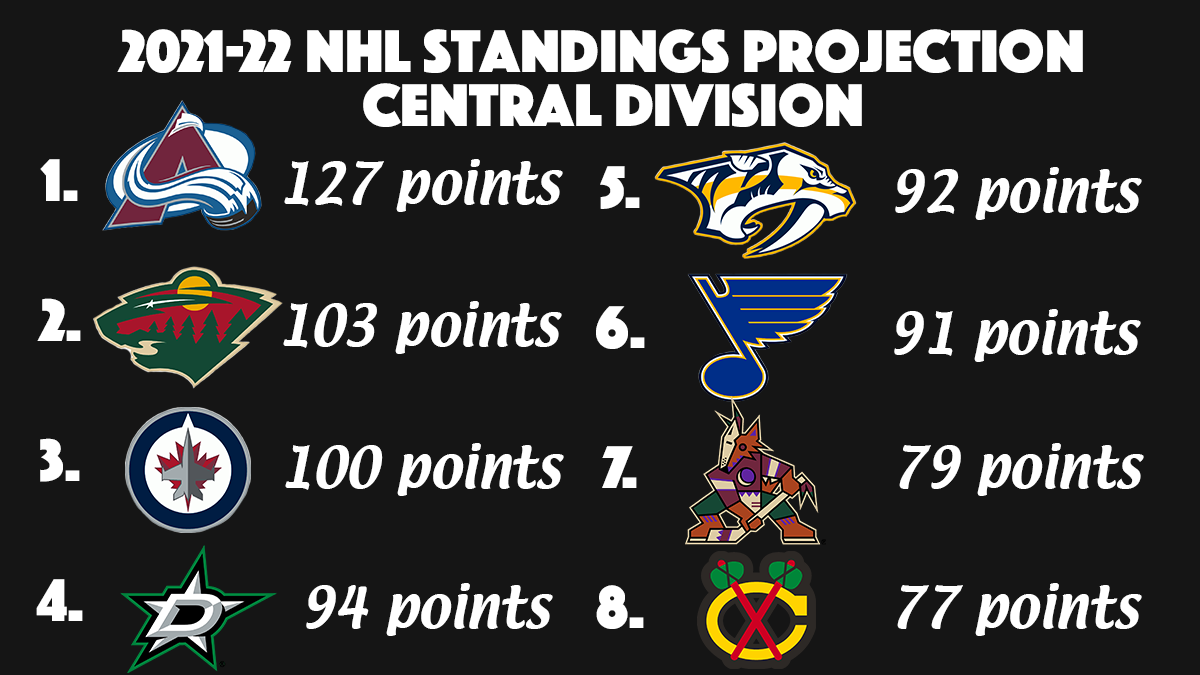

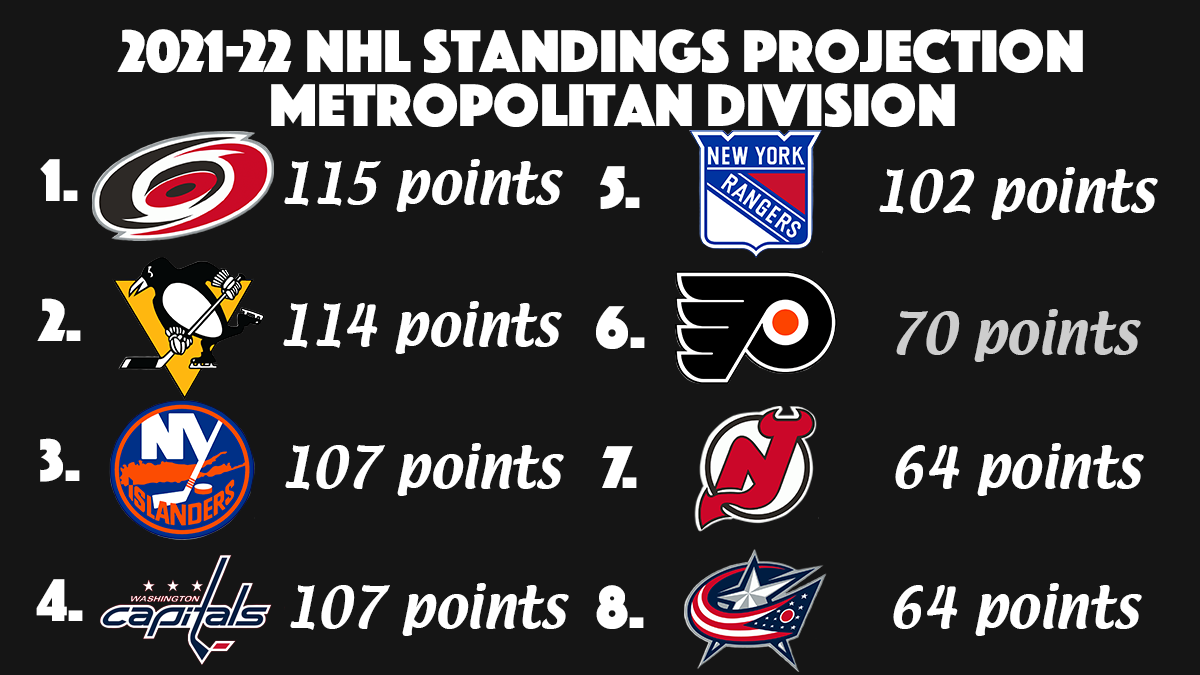








 Down the Frozen River
You must be logged in to post a comment.