Brad Marchand scored a pair of goals before Patrice Bergeron added the insurance marker as the Boston Bruins beat the San Jose Sharks, 3-1, Saturday night at SAP Center.
Jeremy Swayman (12-7-3, 2.04 goals-against average, .926 save percentage) made 15 saves on 16 shots faced (.938 save percentage) for his fifth-straight quality start over Boston’s last seven games (Linus Ullmark tended the crease on Feb. 17th and Feb. 24th).
Meanwhile, San Jose netminder, James Reimer (14-12-5, 2.90 goals-against average, .913 save percentage in 32 games played), stopped 34 out of 37 shots faced in the loss.
The Bruins improved to 31-17-4 (66 points) on the season and remained in 4th place in the Atlantic Division, while surpassing the Washington Capitals for control of the first wild card berth in the Eastern Conference.
The Sharks fell to 23-23-6 (52 points) overall and remain in 7th place in the Pacific Division– 15 points ahead of the Seattle Kraken from the basement of the division.
Boston visited San Jose for the first time since their thrilling, 6-5, overtime victory on Feb. 18, 2019, as the pandemic cut the 2019-20 regular season short before their annual visit to SAP Center and the 2020-21 season featured temporarily realigned divisions with travel limited to within said divisions.
The B’s have not lost in San Jose since March 15, 2016, when the Sharks beat Boston, 3-2– marking the longest string of games the Bruins have won at SAP Center since then (four games).
Boston swept their 2021-22 regular season series against San Jose with a 2-0-0 record.
Curtis Lazar (upper body) joined Jakub Zboril (right ACL) and Urho Vaakanainen (undisclosed) on the list of players that were out of the lineup due to injury for the Bruins Saturday night in San Jose.
Boston’s head coach, Bruce Cassidy, told reporters on Friday that Lazar would be “day-to-day” and out of the lineup against the Sharks.
As a result, Jesper Frödén suited up in Lazar’s place on the fourth line right wing.
Cassidy made no other changes from Thursday night’s, 3-2, overtime victory in Seattle to Saturday night’s action in San Jose.
Jack Ahcan and Anton Blidh served as Boston’s healthy scratches in the press box at SAP Center.
Erik Haula caught Tomáš Hertl with a high stick and yielded the first power play of the game to the Sharks at 1:44 of the first period.
San Jose wasn’t able to convert on the ensuing skater advantage, however, as the Bruins made the kill and Haula re-emerged from the penalty box.
Late in the period, Haula sent a pass to Jake DeBrusk as DeBrusk entered the attacking zone with Marchand on a 2-on-1, setting up Marchand (22) for a one-timer goal to put the B’s ahead, 1-0, as a result.
DeBrusk (9) and Haula (14) had the assists on Marchand’s first goal of the game at 14:24 of the first period.
About a minute later, Boston botched a line change and was assessed a bench minor for too many skaters on the ice at 15:28.
Craig Smith served the penalty and the Bruins were unscathed on the ensuing penalty kill.
Entering the first intermission, Boston held a, 1-0, lead on the scoreboard and a, 9-5, advantage in shots on goal.
The Bruins also held the advantage in blocked shots (10-4), while the Sharks led in takeaways (4-3), giveaways (6-2) and faceoff win percentage (63-38).
Both teams had nine hits apiece, while San Jose was 0/3 on the power play heading into the middle frame. Boston had yet to see any action on the skater advantage.
DeBrusk briefly exited the ice after a routine check along the boards left him with a bit of a stinger somewhere in his lower body, but he returned to action without missing a beat as the two teams got underway in the second period.
Mario Ferraro presented the Bruins with their first power play of the night at 3:34 of the second period as the Sharks forward cut a rut to the sin bin for holding.
San Jose killed off Ferraro’s minor and wouldn’t see him much more for the rest of the night as about midway through the action, Taylor Hall shoved Ferraro a little too far away from the puck to be assessed an interference minor, while Ferraro lost his footing and went awkwardly into the boards– bending his leg around the ankle in precisely the wrong direction that it is normally supposed to look like.
Ferraro would not return to Saturday night’s game, while Hall went to the box at 12:03 of the second period.
It didn’t take the Sharks long to convert on the power play as Brent Burns sent a pass across the slot to Timo Meier (24) for a one-timer goal from the left dot with eyes through Swayman into the twine.
Burns (31) and Logan Couture (21) tallied the assists on Meier’s power-play goal as San Jose tied things up, 1-1, at 12:50 of the second period.
A couple of minutes later, the Sharks were guilty of having too many skaters on the ice– sending Ryan Dzingel to serve the bench minor at 14:56 as a result.
Boston failed to capitalize on the ensuing power play.
Both teams went into the second intermission with a goal on the scoreboard– tied, 1-1, despite the Bruins dominating shots on goal, 24-9, including a, 15-4, advantage in the middle frame alone.
The B’s held the lead in blocked shots (13-12), while the Sharks led in takeaways (7-5), giveaways (8-6) and hits (19-14).
Both teams amassed a, 50-50, faceoff win% through two periods.
San Jose was 1/4 on the power play, while Boston was 0/2 on the skater advantage heading into the final frame.
Noah Gregor caught Bergeron with a high stick to kick things off at 1:12 of the third period, yielding a power play to the Bruins as a result.
Boston nearly converted on the power play, but Gregor was freed from the box about six seconds prior to Marchand’s (23) second goal of the game– this time on a one-timer from the low left circle– below the dot and off of Reimer’s mask and into the twine.
Hall (26) and Smith (12) tallied the assists as Marchand’s goal put the Bruins ahead, 2-1, at 3:18 of the third period.
The two teams continued to swap chances as things got a little heated late in the third, resulting in a pair of minutes at 4-on-4 courtesy of Connor Clifton and Jeffrey Viel’s roughing minors at 15:38.
In the final minutes of the game, San Jose whiffed at a couple of chances on a mostly empty net with Swayman in desperation– making save after save as the Sharks pressed.
In one instance the Boston goaltender held his glove up in a last-ditch effort while sprawled out across the crease and snagged the puck out of mid-air.
With less than a minute remaining in regulation, the Sharks didn’t even get a chance to pull Reimer for an extra attacker as the Bruins were in the offensive zone.
Marchand sent a pass across the width of the ice to David Pastrnak before Pastrnak connected with Bergeron (14) in the bumper to give the B’s an insurance goal and a, 3-1, lead at 19:20 of the third period.
Pastrnak (23) and Marchand (29) had the assists as the seconds ticked down to Boston’s fourth consecutive win since losing, 4-1, to the New York Islanders at UBS Arena on Feb. 17th.
The Bruins beat the Sharks, 3-1, and finished Saturday night leading in shots on goal, 37-16, including a, 13-7, advantage in the third period alone.
Boston left SAP Center with two points in the regular season standings and the advantage in blocked shots (17-15), as well as faceoff win% (55-45), while San Jose vacated their own ice leading in giveaways (12-8) and hits (24-20).
The Sharks finished the night 1/4 on the power play, while the B’s went 0/3.
Boston improved to 21-7-1 (11-3-1 on the road) when scoring first, 19-2-1 (10-1-1 on the road) when leading after one period and 7-3-0 (2-2-0 on the road) when tied after two periods this season.
San Jose fell to 8-19-3 (5-11-1 at home) when allowing the game’s first goal, 4-18-1 (3-10-1 at home) when trailing after the first period and 7-3-3 (4-2-2 at home) when tied after the second period in 2021-22.
The Bruins continue their six-game road trip (2-0-0) next Monday (Feb. 28th) in Los Angeles before visiting Anaheim next Tuesday (March 1st) to finish up the month of February.
Boston kicks off March next Thursday (March 3rd) in Vegas and wraps up their road trip in Columbus next Saturday (March 5th) before returning home to host the Kings on March 7th.
Apparently the National Hockey League’s Board of Governors were up to something this month as it was reported by Sportico on Tuesday that the Board unanimously approved ads on the front of NHL jerseys beginning with the 2022-23 season.
The ads will be no bigger than a 3-inch-by-3.5-inch rectangle, which is slightly larger than the ads featured on the front of National Basketball Association (NBA) jerseys.
It was only a matter of time before the NHL followed the NBA in generating additional revenue by doing what professional hockey leagues outside of North America have been doing for many years, as well as what’s been done for at least a few seasons now in the American Hockey League (AHL) and ECHL minor league levels on this side of the pond.
As always, hockey Twitter is taking the news well.
Let’s embrace the chaos for a moment and pick some sponsors for all 32 NHL teams that would make so much sense they’ll obviously be overlooked for, well, actual revenue generating streams instead.
Anaheim Ducks
What we want: Disney+ or TCL
What we’ll get: Honda
The Ducks play at Honda Center and, yeah, there’s really nothing besides Disney swooping in and sponsoring the team that they used to own as a means of cross promoting both the Ducks and The Mighty Ducks: Game Changers on Disney+, so we’re stuck with a Honda logo at center ice and on the front of Anaheim’s jerseys.
In any case, Honda’s red logo works pretty well with the Orange County orange featured as an accent color on Anaheim’s home and road jerseys.
NHL teams have a tendency to go back to the well with their partners– think of how many teams have either the same helmet sponsor as another team or just slapped on the same brand as their venue’s naming rights deal– but if we want to expand the playground a little bit perhaps TCL could be of interest for the Ducks.
Come to think of it, that’s probably a better option.
*Opens up Photoshop*
Arizona Coyotes
What we want: P.F. Chang’s or Cold Stone Creamery
What we’ll get: Fry’s or something, probably
Believe it or not the Los Angeles Chargers won’t be the only team tweeting about P.F. Chang’s for long as the restaurant chain was founded in 1993, and opened their first location in Scottsdale, Arizona, so it only makes sense to go back to their roots and toss an ad on the Coyotes’ jersey.
Also founded in Arizona– Cold Stone Creamery.
We figured that’d probably make sense on an AHL team’s jersey, though, despite the obvious cold ice, cold ice cream connection.
The Coyotes had Mountain America on their helmets at home and Dignity Health on their road helmets in 2020-21, so in reality we’ll probably get one of those two on the front of their jerseys in 2022-23.
Boston Bruins
What we want: Dunkin’ or bust
What we’ll get: TD Bank or O.R.G. Packaging, probably
What could possibly be more Boston than a Bruins jersey with a Dunkin’ logo on it?
Their AHL affiliate– the Providence Bruins– already play in the Dunkin’ Donuts Center in Rhode Island and have a Dunkin’ ad patch on their jerseys. Why not call it up to the major league?
That said, with some NBA teams earning up to about $20 million in jersey ad space revenue, the B’s likely will reach for a brand with deeper pockets than doughnuts and coffee.
Delaware North likes their relationship with a certain bank from Toronto (TD Bank) and has had one of the league’s longest relationships with a Chinese company (O.R.G. Packaging) as part of the NHL’s intended growth beyond the continents of North America and Europe, so one of the two brands is more likely to appear on a Bruins jersey.
Buffalo Sabres
What we want: Super Chexx
What we’ll get: KeyBank
The Sabres could use some fun in their lives these days and you know what really helps put the mind at ease? Bubble hockey.
That’s right, Innovative Concepts in Entertainment, Inc. (ICE)– the manufacturers of the popular bar and arcade classic, Super Chexx, that your rich friend down the street growing up also had in the comforts of their home– is based outside Buffalo and would be a match made in heaven right about now.
Especially as Sabres fans are looking for something to do while the game’s on TV.
So yeah, we’re definitely going to get KeyBank, Tim Horton’s or something else entirely instead.
Calgary Flames
What we want: WestJet or Duraflame
What we’ll get: Scotiabank
If you, as an American, can name any other Canadian airline other than Air Canada, then congratulations. If you can’t, then may I introduce you to WestJet?
WestJet’s headquarters are next to Calgary International Airport and it’d be nice to prove to the world that Canada is more than just a land of Tim Horton’s, Roots, Canadian Tire, Rogers, Scotiabank and Mr. Sub.
If Duraflame isn’t available, then you might as well dip into the low-cost airline industry as a means of attracting tourists to Banff National Park, Calgary Stampede or whatever it is that sets Calgary apart from the rest of Alberta (so… not being Edmonton).
Carolina Hurricanes
What we want: Surge
What we’ll get: PNC, Diehard, maybe Cheerwine or something else
This should be obvious, but if you haven’t paid attention to the Hurricanes for at least the last few seasons now they do a “Storm Surge” celebration after every win on home ice in the regular season (and sometimes playoffs).
Surge (the soda) is one of those drinks that makes headlines every few years for being pulled straight out of the vault and placed back on grocery store shelves– speaking of which, does anyone know if it’s currently available?
If not, it’ll definitely be back by the 2022-23 season.
Yes, it’s hard to envision where an ad will be placed on the road jersey as the prime real estate is used up by the diagonal “CANES” letters and– for a few players– the captain’s “C” or alternate captain’s “A”.
Chicago
What we want: Portillo’s
What we’ll get: United
Look, between Walgreens, Sears and Portillo’s there’s a few legendary brands that Chicago could partner with as their first jersey ad in franchise history (not including practice jerseys).
Obviously only one of the three mentioned above is the right choice and its the one that might lead you to Walgreens later if you have a weak stomach. Besides, Sears is fading from our collective memory whether it is out of business already or not.
Clark Griswold would be proud of Portillo’s proudly being displayed on a, well, if a WHL team can rebrand, so can you, Chicago.
Colorado Avalanche
What we want: Chipotle or Coors
What we’ll get: Ball
Look, whether or not Nathan MacKinnon eats Chipotle is a debate for another day, but one thing’s for sure– both Chipotle and MacKinnon started their careers in Colorado.
Though Coors or Coors Light would make more sense, we have to consider the fact that kids might be wearing these jerseys to the game and we haven’t heard whether or not the jerseys that are sold in the proshops in 2022-23 and beyond will include the front jersey ad or not.
If they do, then we probably can’t market beer to children.
I’m pretty sure there’s a law about that and it’s also the reason why all my 1:64 scale diecast Rusty Wallace and Dale Earnhardt, Jr. cars from when I was a kid said “Team Rusty” and “Dale Jr.” on them, respectively, instead of Miller Lite and Budweiser.
Columbus Blue Jackets
What we want: Wendy’s
What we’ll get: Nationwide
Coinciding with the uptick in Columbus born and raised players on the Blue Jackets roster, it would be a great idea to add Wendy’s– which was founded in Columbus in 1969– to the team in such a way that perhaps Jack Roslovic and Sean Kuraly star in local commercials to the Blue Jackets viewing area during the 2022-23 season.
I know that’s assuming Roslovic signs an extension, but the pending-restricted free agent at the end of the 2021-22 season helped facilitate the Pierre-Luc Dubois for Patrik Laine trade with the Winnipeg Jets by forcing Winnipeg into trading him to his hometown team.
Unlike several recent stars that left the city via free agency, Roslovic will stick around for the long term.
Especially if there’s some goods in kind involved with a Wendy’s sponsorship. I mean, I would at least.
Dallas Stars
What we want: Whataburger
What we’ll get: AT&T
Though Whataburger would be a welcome party in the burger wars when Columbus and Dallas would “meat” up, there’s no beef to be found in this hypothetical because AT&T has already made that decision for us.
Sometimes you just can’t think too hyperlocal and AT&T fetches a more national audience than a regional chain that primarily serves Texas.
Besides, if you go to Dallas for a Stars game, you can always just get Whataburger then. It’s not like they’re going to send you a meal with a jersey if ads are on the jerseys sold to fans in 2022-23.
Detroit Red Wings
What we want: Little Caesars
What we’ll get: Little Caesars
The last few teams have all involved food and we’re going to be stuck on this theme for at least one more team after this.
Both the Red Wings and Little Caesars are owned by the Ilitch family and if you think adding one more connection between Detroit and pizza is a bad thing then you clearly don’t understand the marketing behind this.
Kids love pizza. Adults love pizza. There’s a lot of good memories involving pizza.
Plus, with General Manager, Steve Yzerman, in charge, the Red Wings are on the rise, which will only further tap into the nostalgia from when Detroit was doing what the Tampa Bay Lightning are currently doing to the rest of the league.
Edmonton Oilers
What we want: Boston Pizza
What we’ll get: Rogers
Edmonton thought they could replicate the success Ken Holland had in Detroit by hiring Holland as their General Manager and when they see that we’ve got a pizza establishment heading for the front of the Red Wings’ jersey, then the Oilers will think it’s also a good idea to snag a slice.
That’s where Boston Pizza comes in.
Whether or not they’ll get Connor McDavid to do an ad read or be left with whatever scraps surround him on the Oilers roster remains to be seen.
In all likelihood, Rogers Communications will probably just get to slap their logo on another element of Edmonton’s brand.
Florida Panthers
What we want: Royal Caribbean International
What we’ll get: Baptist Health or something
The Blockbuster guy (the late Wayne Huizenga) founded the team and almost named them the “Florida Block Busters”, so it’d be neat to incorporate an homage to the days of Blockbuster (rest in peace) with the almost Blockbuster-like colors of Royal Caribbean International on the jersey.
Plus, who among us hasn’t uttered the words “I need a vacation from my vacation” before?
If you’re an out of town fan visiting the Panthers in Florida or watching the Panthers come to your town— there’s a cruise line for you even if you wouldn’t go remotely near a cruise before the ongoing pandemic began.
Los Angeles Kings
What we want: Dollar Shave Club
What we’ll get: Anschutz Entertainment Group
Never doubt for a second that a team owner wouldn’t give up the chance to toot their own horn, which is why it’s quite possible that one of the world’s biggest entertainment entities would slap their own logo on the front of a Kings jersey.
If you’re not able to finagle a way to write things off as a deduction, then Dollar Shave Club presents a unique opportunity despite the fact that shaving isn’t something that’s in Drew Doughty’s vernacular (or any hockey player, for that matter, when the Stanley Cup Playoffs roll around).
Manscaped could also make a run here and in any case, fine.
Minnesota Wild
What we want: Target or General Mills
What we’ll get: Xcel Energy
When you think of Minnesota what’s the first thing you think about?
That’s right, the very place where you could be standing right now reading this while you’re waiting for a cash register to open up or aimlessly perusing the aisles for those impulse purchases you somehow always make at Target.
It fits the Wild color scheme well and if we’re not going to get General Mills involved then at least getting more than the standard 5% discount for having a Target RedCard via goods in kind might be enough to convince Kirill Kaprizov to stay in Minnesota long-term.
Montréal Canadiens
What we want: CCM and/or Molson
What we’ll get: Bell
CCM makes more than just jerseys, but it’s not like adidas would be just fine with a CCM logo appearing on the front of an adidas ADIZERO jersey.
So, we’re left with two obvious choices– Molson or Bell.
If there’s nothing against a Canadian team bearing an alcoholic beverage on the front of their jersey with the potential for that brand to be marketed towards kids, then perhaps Molson– whose family ties own the Habs– might make an appearance near the crest.
That or we’ll just get more airtime for Bell. Either way, Montréal would be attractive enough as a franchise to bring in more than one jersey ad sponsor if the league doesn’t have any specific rules outside of the size of the ad.
Nashville Predators
What we want: Curb Records or CMT
What we’ll get: Fifth Third Bank
The music city could attract a music label if they wanted to, but Fifth Third Bank loves investing in Nashville for some reason– like, a lot, despite being headquartered in Cincinnati, Ohio and primarily serving Ohio, Kentucky, Indiana, Illinois, Michigan, West Virginia, North Carolina, Georgia and Florida more than all of Tennessee.
In any case, good for the Predators. They’ll have some deep pockets to reach into while other teams surely will have to squabble for seven figures related to the going rate for the prime ad space.
Still feels like we’d be missing out on a sweet Curb Records patch close enough to the guitar pick on the right shoulder though.
New Jersey Devils
What we want: Honestly, just Prudential is fine
What we’ll get: Prudential
The Devils are overlooked and let’s admit it, you couldn’t think of something distinctly New Jersey either– besides not being allowed to fill your own gas tank.
Bruce Springsteen is not sponsoring the Devils alone.
Whether it’s settling on an old reliable or simply making use of what’s trustworthy and already available, Prudential and New Jersey just seem like a good fit.
New York Islanders
What we want: Gorton’s
What we’ll get: Not Gorton’s
“We want fishsticks!”
O.K., you got them. Take that, Rangers fans. The Islanders are cool now because they’re steering into the skid.
They just won’t go as far as bringing back the fisherman jersey from the dead, but alas, they’ll show a spark of creativity and even crack a smile on Lou Lamoriello’s face with the real Gorton’s fisherman making an appearance on the jersey.
Obviously this will never happen.
New York Rangers
What we want: Liberty Mutual if they’re bringing back the “Lady Liberty” jerseys as an alternate
What we’ll get: Chase for sure, maybe New York Life too
Liberty Mutual (a Boston company) on the “Lady Liberty” jersey would be a sight to see, but New York will never let it happen.
Instead, Chase, which already has quite a great partnership with the team, Madison Square Garden, Manhattan, etc. will likely just step up and foot the bill for one– if not all– of the jerseys in full.
That’s fine. The Rangers will suffer the same consequences of having a diagonal wordmark on their jersey like Carolina’s road jersey, but at least New York’s pretty much always been this way so they should have some ideas of how to work around that.
Ottawa Senators
What we want: Canada Post
What we’ll get: Bell, Scotiabank or Canadian Tire
Canada’s capital city gets the honor of having Canada Post on their jerseys because it breaks up the trend of having the same three or four companies sponsoring all seven Canadian teams (like how their helmets were for 2020-21).
In reality, we’ll probably get more of the same from the Sens and either Bell, Canadian Tire or Scotiabank will make an appearance on Ottawa’s jersey.
At the very least, Canada’s postal service sponsoring a team is more economically viable than the United States Postal Service sponsoring a team.
Philadelphia Flyers
What we want: Wawa or Audacy
What we’ll get: Comcast or GlaxoSmithKline
Remember how I said you don’t want to go too local for a jersey ad? Well, Wawa on a Flyers jersey is an exception.
That said, it probably wouldn’t have the staying power to work on a road jersey too, so Philadelphia could tap into the artist formerly known as Entercom, since rebanded as Audacy, for more.
Audacy maintained their Philadelphia headquarters and covers a broad range of Internet radio, digital content, regular radio and podcasting platforms, plus their logo is orange which fits the Flyers brand.
It’s either that or Comcast will slap their own logo on the jersey or something.
Pittsburgh Penguins
What we want: Duolingo
What we’ll get: PPG Industries
Duolingo is headquartered in Pittsburgh and as a website and mobile app, every sports league with ads on jerseys needs at least one that makes you scratch your head at first before realizing the connection between the company and the city.
The dating app, Bumble, once was featured on the NBA’s Los Angeles Clippers jerseys prior to the Clippers replacing Bumble with their more jersey ad with the online browser extension coupon company, Honey.
Dating and living expenses in Los Angeles are probably harder than learning a few new languages through Duolingo, so combining Duolingo with the Penguins makes perfect sense since hockey players can come from all over and speak many languages.
Besides, it might give your team an advantage if they can communicate with one another in a setting that is more comfortable for them.
St. Louis Blues
What we want: Busch
What we’ll get: Enterprise
I know we’ve been over the whole “can they market beer to kids with these jerseys” thing, but St. Louis is the city of Anheuser-Busch, so it’s only fitting that the Blues get a jersey ad that 1) is Anheuser-Busch related and 2) works with their color palette.
If Major League Baseball’s St. Louis Cardinals play in Busch Stadium and get Budweiser by default with red as a primary color for the ball club, then the Blues naturally get Busch blue and Busch beer. I don’t make the rules.
Plus Midwesterners really like the stuff.
San Jose Sharks
What we want: Adobe
What we’ll get: SAP or Zoom
Look, we weren’t going to get away with making these in Photoshop and not having to give Adobe something— and with headquarters in San Jose it only made sense.
The Sharks have a deep relationship with SAP, though, so it’s more likely than not that the team will just go further with the brand that also is featured on their helmets at home and holds the current naming rights for SAP Center.
Plus with the uptick in the use of Zoom, San Jose could double-dip and match SAP on the home jersey with SAP stickers on their helmets with Zoom covering the road set (jersey ad and helmet ads).
Seattle Kraken
What we want: Boeing
What we’ll get: Alaska Airlines
The Kraken already have a deal with Alaska Airlines as the official airline of the franchise, but what’s bigger than an airline itself?
That’s right, Boeing, the company that makes a lot of planes and other aerospace stuff, was founded in Seattle and still has a major presence in Washington as the largest private employer in the state.
Want to see your newest expansion team take flight? Just add some Boeing engineering to the jerseys.
You might have thought Microsoft would make sense for a Seattle-based team, but the league’s agreement with Apple probably puts a quick end to that.
Tampa Bay Lightning
What we want: Accusoft
What we’ll get: DEX Imaging
Every sport with ads on jerseys has that one company that nobody’s really sure what they do, but they appreciate that they’re spending their money on their favorite team.
That just might be Accusoft’s relationship with the Lightning come time for ads on jerseys in 2022-23.
The private computer software company is headquartered in Tampa and was founded back in 1991, as Pegasus Imaging– one year prior to the Lightning’s debut season as an NHL team in 1992-93.
Toronto Maple Leafs
What we want: Swiss Chalet, Sun Life Financial
What we’ll get: Scotiabank, Sun Life Financial
Scotiabank already has a stronghold on Toronto both financially and in the sense that the Maple Leafs play inside Scotiabank Arena and proudly display Scotiabank’s logo on their helmets, so it seems inevitable that Scotiabank would also make an appearance on the Leafs jersey.
But Toronto is strong enough to maximize the value of a 3-by-3.5-inch ad and capitalize on the Maple Leaf Sports and Entertainment (MLSE) brand.
MLSE already has an agreement with Sun Life Financial on their NBA team’s jerseys and the Toronto Raptors were able to go on to win their first championship in 2019.
Perhaps the key to ending the Maple Leafs’ Stanley Cup drought lies within attracting Sun Life Financial to an NHL jersey ad.
Vancouver Canucks
What we want: Hootsuite
What we’ll get: Rogers
Remember when you’d see Hootsuite on just about every tweet with a photo? Am I the only one imagining that?
In any case, Hootsuite was founded and is based in Vancouver and still plays a major role in social media management for brands.
Whereas Rogers is accessible to most every day Canadians, Hootsuite would be more of a “corporate” target audience and you need sponsors at all levels to attract a wide base of potential clients, fans, etc.
That said, the Canucks have had a long relationship with Rogers in that they play in Rogers Arena, so it’s probably going to be Rogers.
Vegas Golden Knights
What we want: Zappos.com
What we’ll get: MGM Resorts International or Allegiant Air
Want to have fun with a local Nevada brand? Zappos is the way to go!
Want to be realistic and attract out of town fans to a destination like Las Vegas? MGM Resorts International is your sponsor and with Allegiant Air as an ultra-low cost airline that’ll gladly bring you to Vegas for a Golden Knights game…
Yeah, it’s inevitable that between MGM and Vegas’ current road helmet sponsor (Allegiant) that there’d quickly be no room for a company like Zappos.
Credit One Bank is on the home helmets for the Golden Knights, so don’t be surprised if they’re a wild card for a jersey ad too.
Washington Capitals
What we want: Marriott International
What we’ll get: Capital One, Custom Ink
Sportswriters rejoice! Your Marriott points may soon reward you with a Capitals jersey or something like that.
Headquartered in Bethesda, Maryland, Marriott International would make sense from a local and international brand recognition stance.
But you know what we’re probably going to get instead? Sheer confusion as Capital One places an ad on front of a jersey that already says “Washington Capitals”. The Capital One Washington Capitals– live at Capital One Arena!
Either that or Caps owner, Ted Leonsis, might like to make a connection between making custom jerseys for local adult league co-ed softball teams or something and, well, Custom Ink’s logo appearing on Capitals jerseys.
Winnipeg Jets
What we want: A&W or SkipTheDishes
What we’ll get: Canada Life or Bell
A&W was founded in Winnipeg, while SkipTheDishes is headquartered in Winnipeg.
Since it’s 2021, and not 1956, we’re more than likely to see SkipTheDishes on a Jets jersey, but if their helmet ads from 2020-21 are any indication for 2022-23 and beyond, then Bell is probably going to land a spot near Winnipeg’s crest.
Canada Life is taking over as the new naming rights holder for Canada Life Centre where the Jets play, so there’s always a chance they’ll end up with their logo on the front of the jersey too.
Nick and Pete recap the Ottawa Senators coaching hire, two extensions, the latest rumors and the 2019 Western Conference Final while teasing their 2019 Stanley Cup Final preview.
If you didn’t learn your lesson from the First Round to the Second Round, hopefully you’ve learned it by now, because their is no “Third Chance Bracket”.
Yes, it’s time for the Conference Finals in the 2019 Stanley Cup Playoffs, ladies and gentlemen, and this year in the Western Conference it’s a familiar duo going at it again for the first time in three years.
P2 San Jose Sharks (46-27-9, 101 points) vs C3 St. Louis Blues (45-28-9, 99 points)
The San Jose Sharks trailed, 3-0, on home ice in the third period of a Game 7 against the Vegas Golden Knights in the First Round, but everything changed when Joe Pavelski went down with an injury and Cody Eakin was given a five-minute major penalty and a game misconduct.
Sure, maybe the penalty was over the top and should have only been a two-minute minor penalty, but the Golden Knights also shouldn’t have ever allowed four power play goals against in a span of 4:01. San Jose took the lead, 4-3, then Vegas tied it in the final minute of regulation.
The Sharks became just the 2nd team in Stanley Cup Playoff history to erase a three-goal deficit and win in overtime, 5-4, as they eliminated the Golden Knights in seven games in the First Round.
Anybody see that coming? No?
But at the same time, we all had a warning sign when the Golden Knights blew a, 3-0, lead in the first period of Game 2 and the Sharks tied it, 3-3, heading into the first intermission. Though San Jose went on to lose that game, 5-3, it meant Vegas was vulnerable.
Since then, the Sharks rocketed back-and-forth with the Colorado Avalanche, ultimately coming out on top, 3-2, in Game 7 on Wednesday to advance to the Western Conference Final for the first time since 2016.
The St. Louis Blues have been riding the back of their rookie goaltender, Jordan Binnington, since a little over four months ago as the hottest team in the league since Jan. 1st.
As such, the Blues defeated the Winnipeg Jets in six games in the First Round– despite both teams dropping their first two home games in the series.
St. Louis then faced the best goaltender (statistically speaking) remaining in the postseason, Ben Bishop, and the rest of the Dallas Stars in the Second Round.
They trailed in the series, 3-2, entering Game 6 in Dallas and stormed out of American Airlines Center faster than a jet with the series tied, 3-3, heading back to home ice for Game 7.
Tuesday night, the Blues fired 54 shots on goal. Bishop stopped 52 of them, but Binnington only allowed one goal against.
Hometown hero, Pat Maroon, scored the game-winning, series clinching goal in double overtime to lift St. Louis over Dallas, 2-1, and punched his team’s ticket to the Western Conference Final for the first time since… 2016.
Sound familiar?
That’s because San Jose defeated St. Louis in six games in the 2016 Western Conference Final. The Blues had home ice in that series and utilized Jake Allen in the crease until Game 6 when then head coach, Ken Hitchcock, elected to start Brian Elliott facing elimination.
This time around, the Sharks have home ice and St. Louis appears to have an answer to the Allen wrench– it’s Binnington.
Can they enact revenge and advance to their first Stanley Cup Final since 1970 or will San Jose make the trip back to the Final for the second time in franchise history– and first since losing in six games to the Pittsburgh Penguins in the 2016 Stanley Cup Final?
There’s good and bad news for both teams as Peter DeBoer prepares his Sharks to take on Craig Berube‘s Blues.
San Jose has made the postseason in 21 out of 27 seasons in their existence and Sharks fans have grown accustomed to usual playoff performers like Logan Couture (9-5–14 totals in 14 games played) on their ice at SAP Center.
But the Sharks have the added benefit of a three-way tie for the lead in scoring on their roster with Couture, Tomas Hertl (9-5–14 totals) and Brent Burns (5-9–14 totals) all having amassed 14 points through two rounds.
Not only that, but Hertl is tied with Couture in goals so far this postseason. It’s been a breakout year for the already star player in teal.
General Manager Doug Wilson landed the offseason’s biggest prize on the blue line via a trade with the Ottawa Senators back in September and his asset is paying off when it really counts.
Erik Karlsson may trail Burns among all Sharks defenders in points, but he does have 12 assists through 14 games and that’s good enough to lead his entire team in helpers.
DeBoer’s lineup is pretty deep with Timo Meier contributing three goals and seven assists (10 points) in 14 games and trade deadline acquisition, Gustav Nyquist, chipping in 1-7–8 totals from the top-nine.
San Jose has also had depth scoring from Kevin Labanc (three goals, three assists in 14 GP), Marc-Edouard Vlasic (three goals, three assists in 12 GP), Joe Thornton (2-4–6 totals in 12 games) and even Joonas Donskoi— who scored a goal for the first time in 35 games (regular season and postseason) against Colorado in Game 7.
Martin Jones (8-5 record, 2.72 goals against average, .910 save percentage in 14 games played this postseason) is having an old-school Stanley Cup Playoffs performance, whereby it’s not about the numbers, but rather how many games you win (and getting better as you go).
Backup goaltender, Aaron Dell (0-1, 3.33 GAA, .861 SV% in two games played this postseason) made a couple of relief appearances against Vegas, but was not required to save his team from the Avs.
St. Louis General Manager, Doug Armstrong, landed Ryan O’Reilly via a trade and important third line center, Tyler Bozak, in free agency last summer and built a roster that looked to be force coming out of the gate.
Things didn’t go so well from the get-go as then head coach, Mike Yeo, got his team off to a horrendous start and was replaced by the interim head coach (Berube) who has taken the roster from 31st in the league (dead last) as January began to the Western Conference Final as the calendar enters mid-May.
Jaden Schwartz (8-3–11 totals in 13 GP) is tied with Alex Pietrangelo (2-9–11 totals in 13 GP) in scoring on the Blues roster. While Schwartz is also a team-best plus-seven rating and leads St. Louis in goals with eight, Pietrangelo leads his team– both as the captain and– in assists with nine.
Selke Trophy finalist, O’Reilly has two goals and seven assists (nine points) through 13 games, but is a minus-five rating.
Worse, while Vladimir Tarasenko has five goals in 13 games, the usual star at Enterprise Center has yet to pickup an assist and is also a minus-five.
Maroon, however, has three timely goals and one assist (four points) in 13 games from the bottom-six and has helped solidified St. Louis’ all-around playing style.
Meanwhile, Binnington (8-5, 2.39 GAA, .915 SV% in 13 GP) has backstopped the Blues when it matters most, or rather, when he needs to since the defense is helping keep his workload relatively low.
The Stars only managed 30 shots on goal in Game 7– you know, a game that went into double overtime. Credit where credit is due to Pietrangelo, Colton Parayko, Jay Bouwmeester, Joel Edmundson and crew on the blue line in St. Louis.
The two teams split the season series 1-1-0, but as is a well-known fact of the postseason– it’s almost like an entirely new season altogether. Having home ice is one thing. Defending it is another.
Though Donskoi hasn’t scored as much, the Sharks have a deeper team than in 2016 and are a younger bunch– what with the lack of Patrick Marleau and Joel Ward on their roster– this time around.
St. Louis has their best chance to win the Cup in (well, it seems like this is said almost every year with Armstrong as their General Manager, but this year they mean it) years.
That said, San Jose has a lot of momentum working in their favor from the first two rounds after riding an emotional comeback and with the return of Pavelski to their lineup.
This series isn’t going to be a short one and the Sharks should pull off another seven-game stunner, cracking the Binnington code and advancing to the Stanley Cup Final for the second time in franchise history.
Except this time around, the Sharks are out for blood.
Regular season outcomes:
3-2 F/SO SJS at SAP Center on March 9th, 4-0 STL at Enterprise Center on Nov. 9th
Schedule:
5/11- Game 1 STL @ SJS 8 PM ET on NBC, CBC, SN, TVAS
5/13- Game 2 STL @ SJS 9 PM ET on NBCSN, CBC, SN, TVAS
5/15- Game 3 SJS @ STL 8 PM ET on NBCSN, CBC, SN360, TVAS
5/17- Game 4 SJS @ STL 8 PM ET on NBCSN, CBC, TVAS
5/19- Game 5 STL @ SJS 3 PM ET on NBC, CBC, SN, TVAS*
5/21- Game 6 SJS @ STL 8 PM ET on NBCSN, CBC, TVAS*
5/23- Game 7 STL @ SJS 9 PM ET on NBC, CBC, SN1, TVAS
How’s your bracket doing? Not great? Well, you should have taken my advice for the last round (except for Calgary and Tampa). Maybe you’ll nail the Second Chance Bracket the NHL is offering.
Or maybe you won’t.
Regardless, the First Round of the 2019 Stanley Cup Playoffs is over and the Second Round starts on Thursday. As such, let’s take a look at every matchup like we did for the last round.
P2 San Jose Sharks (46-27-9, 101 points) vs WWC2 Colorado Avalanche (38-30-14, 90 points)
San Jose went 3-0-0 in their regular season series against Colorado, but the Avs were 0-2-1 against the Calgary Flames entering their First Round matchup. In short, the regular season doesn’t mean much. Seriously.
Calgary had home ice advantage and lost two out of their three home games in the First Round to the Avalanche.
The Sharks trailed, 3-1, in their series against the Vegas Golden Knights, then Tomas Hertl guaranteed things would go seven games and they did.
Then the Sharks pulled off an improbable comeback in Game 7, overcoming a three-goal deficit in the third period to win in overtime a la the 2013 Boston Bruins in their Eastern Conference Quarterfinal matchup with the Toronto Maple Leafs that postseason.
Colorado’s first line of Gabriel Landeskog, Nathan MacKinnon and Mikko Rantanen is back firing on all cylinders, while Philipp Grubauer (4-1-0 record, 1.89 goals against average, .939 save percentage in five games played this postseason) has locked down the crease in the Mile High City.
At the other end of the ice, San Jose’s seen the re-emergence of Hertl and Logan Couture, while Barclay Goodrow‘s stock is rising with the game-winning goal in Game 7 against Vegas.
Martin Jones (4-2-0, 3.20 GAA, .904 SV% in seven games played this postseason) has been all over the place in the crease for the Sharks.
With Erik Karlsson amassing nine assists in the last series, San Jose’s defense is quite the two-way prowess in the wake of Colorado’s mostly “shut-down” blue line.
This series is going to come down to whether the Avs can get out to a lead and withhold the inevitable Sharks comeback or if San Jose can limit Colorado’s scoring chances and will the scoreboard to their advantage.
After six games, expect the Avalanche to come out on top of the mountain and make their first Western Conference Final appearance since 2002 when they lost to the Detroit Red Wings in seven games.
Regular season outcomes:
5-2 SJS at SAP Center on April 6th, 4-3 SJS at SAP Center on March 1st, 5-4 SJS at Pepsi Center on Jan. 2nd
Schedule:
4/26- Game 1 COL @ SJS 10 PM ET on NBCSN, CBC, SN, TVAS
4/28- Game 2 COL @ SJS 7:30 PM ET on NBCSN, CBC, SN, TVAS
4/30- Game 3 SJS @ COL 10 PM ET on NBCSN, CBC, SN, TVAS
5/2- Game 4 SJS @ COL 10 PM ET on NBCSN, CBC, SN, TVAS
5/4- Game 5 COL @ SJS*
5/6- Game 6 SJS @ COL*
5/8- Game 7 COL @ SJS*
*If necessary
C3 St. Louis Blues (45-28-9, 99 points) vs WWC1 Dallas Stars (43-32-7, 93 points)
Despite facing the Stars solely in the second-half of the regular season– whereby the Blues went on an incredible run to the postseason backstopped by rookie sensation, Jordan Binnington (4-2-0, 2.63 GAA, .908 SV% in six games played this posteason)– St. Louis went 1-3-0 against Dallas in 2018-19.
Of course, as already noted, the regular season series record doesn’t mean much when the Stanley Cup Playoffs start, but is it possible the Stars are the only team that could make Binnington nervous?
Surely St. Louis’ roster can’t be too nervous, what with Jaden Schwartz notching the natural hat trick in Game 6 against the Winnipeg Jets– almost single handedly eliminating the Jets himself– and the rest of the Blues, like David Perron, overcoming Winnipeg’s speed and skill to get to the Second Round.
But the sheer fire power of the Stars was hard to contain by one of the best defenses on paper in the Nashville Predators. Alexander Radulov had a two-goal game en route to Dallas heading home to clinch their series against the Preds in six games.
Then there’s the best goaltending of the Western Conference to consider. The real wild card that could steal the Vezina Trophy this season (as he is a finalist).
Ben Bishop (4-2-0, 1.89 GAA, .945 SV% in six games this postseason) has been lights out in the regular season and playoffs so far.
Oh yeah, and those guys that were criticized earlier this season in Dallas (Tyler Seguin and Jamie Benn)? They’re chipping in when it matters most. Not that they hadn’t been before now, really.
There’s no way this series isn’t going seven games. If it falls short, then that’s an abomination on behalf of The Hockey Gods.
That said, St. Louis has the all-important home ice advantage should it come down to– when it comes down to a Game 7. Because of that, the Blues will meet the Avalanche in the 2019 Western Conference Final.
Regular season outcomes:
4-1 DAL at Enterprise Center on March 2nd, 5-2 DAL at American Airlines Center on Feb. 21st, 3-1 STL at American Airlines Center on Jan. 12th, 3-1 DAL at Enterprise Center on Jan. 8th
Schedule:
4/25- Game 1 DAL @ STL 9:30 PM ET on NBCSN, SN, TVAS
4/27- Game 2 DAL @ STL 3 PM ET on NBC, SN, TVAS
4/29- Game 3 STL @ DAL 8 PM ET on NBCSN, SN, TVAS
5/1- Game 4 STL @ DAL 9:30 PM ET on NBCSN, SN, TVAS
In continuation with Monday’s Eastern Conference preview, here’s the 2019 Stanley Cup Playoffs First Round preview many of you have been waiting for.
In the past, Down the Frozen River has covered every game of every series. This year, DtFR is changing things up a bit with a preview of every round and continued excellence in analysis on the DTFR Podcast as well as some Instagram Live sporadic thoughts throughout the playoffs.
The Calgary Flames reached the 50-win plateau for the first time since the 1988-89 season (and just the second time in franchise history). For those of you who might be younger than 30-years-old, that’s also the last time the Flames won the Stanley Cup.
Yes, the Flames won a Cup. Also, it’s been 15 years since Calgary’s appearance in the 2004 Stanley Cup Final or as it’s known to Johnny Gaudreau, “ten years before [his] birth.”
Only kidding.
Scotiabank Saddledome is ready to rock again as the Flames are fiery hot this season. So hot, they’re going to wear their throwback sweaters at home to rekindle the 1989 Cup run flame that burns deep inside the heart and soul of the C of Red.
Anyway, puns aside, Calgary is good. Very good.
Head coach, Bill Peters, has gotten the most out of his goaltenders, Mike Smith (23-16-2 record, 2.73 goals against average, .898 save percentage in 42 games played) and David Rittich (27-9-5, 2.61 GAA, .911 SV% in 45 GP), as they’ve racked up the wins.
Led by Gaudreau (36-63–99 totals in 82 games played), Sean Monahan (34-48–82 totals in 78 GP), Elias Lindholm (78 points), Matt Tkachuk (77 points) and potential 2018-19 Norris Trophy finalist, Mark Giordano (74 points), the Flames rose to the top and stayed there, laying claim to home ice all the way through the Western Conference Final– if not Stanley Cup Final, should the Tampa Bay Lightning be eliminated prior to then.
For Jared Bednar and the Colorado Avalanche, the Avs head coach rode the rollercoaster of injuries, out-of-this-world performances and pedestrian play as Colorado reached the top of the Central Division, fell to 6th place and resurfaced to playoff contention, snagging the 2nd wild card spot in the Western Conference.
Nathan MacKinnon finished one-point shy of the 100-point plateau with 41 goals and 58 assists (99 points) in 82 games this season, centering captain, Gabriel Landeskog (34-41–75 totals in 73 GP), and Mikko Rantanen (31-56–78 totals in 74 GP) on one of the best lines in hockey throughout the year.
Rantanen, of course, has been out of commission since March 22nd with an upper body injury, and remains a question mark for Game 1 against Calgary.
Back to MacKinnon for a moment, the 23-year-old sensation became the third 40-goal scorer since the Quebec Nordiques relocated to Colorado, joining current General Manager, Joe Sakic, and Milan Hejduk as the only players to do so.
Tyson Barrie led the Avs defenders with 59 points from the blue line.
In net, Semyon Varlamov (20-19-9, 2.87 GAA, .909 SV% in 49 GP) stole most of the games this season from Philipp Grubauer (18-9-5, 2.64 GAA, .917 SV% in 37 GP), who– despite getting off to a slow start– has really turned his play around as of late, notching three wins in his last five appearances.
Calgary swept the season series, 3-0-0, but the Avalanche kept every game close.
Both teams have hot hands and solid defenses, but there’s one common theme for each club– goaltending. Who’s going to get the starts? Who will rise above? And who’s going to flounder in the First Round?
Because of this, Calgary will likely get stretched to taking the series in six games, with or without a return of Rantanen to Colorado’s lineup.
Regular season outcomes:
5-3 CGY at Scotiabank Saddledome on Jan. 9th, 6-5 CGY at Scotiabank Saddledome on Nov. 1st, 3-2 F/OT CGY at Pepsi Center on Oct. 13th
Schedule:
4/11- Game 1 COL @ CGY 10 PM ET on NBCSN, CBC, SN, TVAS
4/13- Game 2 COL @ CGY 10:30 PM ET on NBCSN, CBC, SN, TVAS
4/15- Game 3 CGY @ COL 10 PM ET on CNBC, CBC, TVAS2
4/17- Game 4 CGY @ COL 10 PM ET on NBCSN, CBC, TVAS
4/19- Game 5 COL @ CGY*
4/21- Game 6 CGY @ COL*
4/23- Game 7 COL @ CGY*
*If necessary
P2 San Jose Sharks (46-27-9, 101 points) vs P3 Vegas Golden Knights (43-32-7, 93 points)
The San Jose Sharks quietly lurked the waters working their way diligently to 2nd place in the Pacific Division this season after acquiring Erik Karlsson from the Ottawa Senators and not destroying teams out of the gate as everyone expected.
Still, San Jose was led by Brent Burns (83 points) in what was yet another Norris Trophy worthy performance this season. The Sharks leading scorer among forwards was 25-year-old Tomas Hertl (35-39–74 totals in 77 GP), while Logan Couture (27-43–70 totals in 81 GP) continued to be a presence in the lineup.
There’s no question surrounding San Jose’s explosive offense and their world class defense. Rather, the Sharks goaltending seems to be the club’s only weakness.
Martin Jones (36-19-5, 2.94 GAA, .896 SV% in 62 GP) posted career-worsts in goals against average and save percentage, while backup goaltender, Aaron Dell (10-8-4, 3.17 GAA, .886 SV% in 25 GP) didn’t look so hot either.
For the Vegas Golden Knights, a slow start and a lot of injuries almost decimated their inaugural season success, but in true Golden Knights fashion, the comeback got rolling and Vegas stormed into a divisional spot for the postseason.
Granted, it doesn’t come with home ice, but still.
Vegas didn’t have a 40-goal scorer like last season, but Jonathan Marchessault still led the way with 59 points (25 goals, 34 assists), while his teammate, William Karlsson amassed 24-32–56 totals in 82 GP.
Reilly Smith put up 53 points in a “down” season, but Alex Tuch (20-32–52 totals) had a breakout year, so everything evens out in the end.
In the crease, Marc-Andre Fleury (35-21-5, 2.51 GAA, .913 SV% in 61 GP) remained in control of the Golden Knights starting job, but fell victim to the increased scoring around the league– notching his worst GAA and SV% in a season where he was the starting goaltender since his 2.65 GAA and .905 SV% in 67 games played with the Pittsburgh Penguins in 2009-10.
For Malcolm Subban (8-10-2, 2.93 GAA, .902 SV% in 21 GP) it was a season to forget for the backup goalie. The sophomore slump is real.
The Sharks lost to the Golden Knights in the Second Round last year and it’s not hard to imagine Vegas pulling out another improbable postseason run.
But this time around feels different.
San Jose split the season series, 2-2-0, but was outscored by Vegas, 18-10, in that span. Though the Sharks should be able to batten down the hatches and outlast the Golden Knights in what’s sure to be quite the entertaining matchup in the First Round, there’s no way it won’t go seven games.
Regular season outcomes:
4-3 F/OT SJS at SAP Center on March 30th, 7-3 VGK at SAP Center on March 18th, 3-2 SJS at T-Mobile Arena on Jan. 10th, 6-0 VGK at T-Mobile Arena on Nov. 24th
Schedule:
4/10- Game 1 VGK @ SJS 10:30 PM ET on NBCSN, SN, TVAS2
4/12- Game 2 VGK @ SJS 10:30 PM ET on NBCSN, SN360, TVAS2
4/14- Game 3 SJS @ VGK 10 PM ET on NBCSN, SN, SN360, TVAS
4/16- Game 4 SJS @ VGK 10:30 PM ET on NBCSN, SN360, TVAS2
A year removed from winning the President’s Trophy, the Nashville Predators entered the final day of the regular season with the chance to grab the 1st seed in the Central Division. The Preds did just that, of course, and will promptly hold a banner ceremony worthy of AFC Finalists.
It’s fine for the local fan base to take pride in their team. It’s also fine for others in the league to poke a little fun at other organization’s unique quirks.
Anyway, real talk, the Preds are a legitimate team.
Their defense is still a colossal stronghold with Roman Josi (2nd in points on the roster, 15-41–56 totals in 82 GP), Mattias Ekholm (44 points and a team leading, plus-27 rating), Ryan Ellis and P.K. Subban.
Their offense was led by Ryan Johansen (14-50–64 totals in 80 GP) this season with Filip Forsberg chipping in 50 points and Viktor Arvidsson reaching the 30-goal plateau (he finished with 34).
Their goaltending… oh. Is this when Juuse Saros (17-10-2, 2.62 GAA, .915 SV% in 31 GP) takes over for Pekka Rinne (30-19-4, 2.42 GAA, .918 SV% in 56 GP) as the regular starter?
Oh. Again. Never mind.
While Rinne has had the better year, statistically speaking, his goals against average and save percentage rank 10th and 13th, respectively, among goaltenders who played at least 20 games this season.
In the same respect, there were only eight goaltenders with a goals against average below 2.40.
Saros ranked 21st in GAA (among goalies with 20 GP) and 20th in SV%.
This is only relevant in the head-to-head aspect with the Dallas Stars, which, let’s take a look at their organizational depth this season, shall we?
Dallas’s forwards went from being “f—ing horse—-” to… well, at least Tyler Seguin reached the 80-point plateau this season with 33 goals and 47 assists. Alexander Radulov still had 72 points and Jamie Benn ranked third on the team with 27-26–53 totals.
On the blue line, John Klingberg and Miro Heiskanen made a case for Sergei Zubov to be inducted into the Hockey Hall of Fame and reached 10-35–45 and 12-21–33 totals, respectively as Klingberg continued to emerge as a veteran and Heiskanen made quite an impression in his rookie season.
Not to be outdone, Esa Lindell notched 32 points from the backend this season.
But in the crease, the Stars had two quality stars.
Starting goaltender, Ben Bishop (27-15-2, 1.98 GAA, .934 SV% in 46 GP) put up a career-best season while fighting a lower body injury at times and backup goaltender, Anton Khudobin (16-17-5, 2.57 GAA, .923 SV% in 41 GP) split time with Bishop– taking on more time while the starter was injured– and had almost a mirror image in wins (16) and goals against average from last season.
As long as Bishop (1st in the league in SV% and 2nd in GAA among goaltenders who played at least 20 games) is healthy, yeah, the Stars take home that advantage. Big time.
Nashville has never won the Cup. Dallas won it 20 years ago.
Both franchises have a thirst to quench for their respective markets. Both clubs split the series with two wins and two losses– never winning or losing by more than two goals.
It’s anybody’s guess, but the Stars should upset the Predators in a seven-game stunner.
Regular season outcomes:
5-3 NSH at American Airlines Center on Feb. 19th, 3-2 F/OT NSH at Bridgestone Arena on Feb. 7th, 3-1 DAL at Bridgestone Arena on Feb. 2nd, 2-0 DAL at Bridgestone Arena on Dec. 27th
Schedule:
4/10- Game 1 DAL @ NSH 9:30 PM ET on USA, SN1, TVAS
4/13- Game 2 DAL @ NSH 6 PM ET on CNBC, SN, TVAS2
4/15- Game 3 NSH @ DAL 9:30 PM ET on NBCSN, SN, TVAS
4/17- Game 4 NSH @ DAL 8 PM ET on USA, SN, TVAS2
4/20- Game 5 DAL @ NSH*
4/22- Game 6 NSH @ DAL*
4/24- Game 7 DAL @ NSH*
*If necessary
C2 Winnipeg Jets (47-30-5, 99 points) vs C3 St. Louis Blues (45-28-9, 99 points)
After a surprising run to the Western Conference Final last season, the Winnipeg Jets struggled at times to find scoring from their top-six forwards, as well as the mythical runway that let their goaltending soar beyond expectations.
This season, the Jets had their ups and downs, while coming back to Earth in other areas.
Blake Wheeler (20-71–91 totals) led Winnipeg in scoring and established a franchise record– dating back to their days as the Atlanta Thrashers– for most assists in a season, while Mark Scheifele (84 points) and Kyle Connor (66 points) rounded out the top-three scorers.
Despite a stretch of games without a goal, Patrik Laine still reached the 30-goal plateau and had 50 points on the season in 82 games played.
On defense, Jacob Trouba picked up the slack with 8-42–50 totals from the blue line while Dustin Byfuglien was limited to 42 games and 31 points due to injury.
In goal, Connor Hellebuyck (34-23-3, 2.90 GAA, .913 SV% in 63 GP) posted a career-worst goals against average (2.90) topping his previous worst 2.89 GAA in 2016-17 (56 GP).
Hellebuyck had his 2nd worst save percentage since his .907 SV% in 2016-17 as well.
Laurent Brossoit (13-6-2, 2.52 GAA, .925 SV% in 21 GP) posted decent numbers as a backup goaltender in his first season with the Jets, since joining the organization in free agency last July.
Winnipeg missed a major part of their defense for most of the season in Byfuglien and to some respects, that’s hampered their goaltending as a result. Tending the net is never solely about one person tending the crease, but rather a team keeping the puck out of their own zone.
However, Hellebuyck has shown signs of a “good year, bad year, good year, bad year” pattern in the past and might have just been victim to a bad year– statistically speaking.
The St. Louis Blues missed the playoffs last year, losing the final game of the regular season to the Colorado Avalanche and the last wild card spot in the process.
This year, the Blues redeemed themselves after almost completely embarrassing themselves. St. Louis was last in the Central Division, then they fired Mike Yeo and hired Craig Berube as interim head coach.
Berube began to right the ship, then Jordan Binnington (24-5-1, 1.89 GAA, .927 SV% in 32 GP) came along.
Binnington lifted the Blues to a franchise record 12-game winning streak and established the franchise record for most wins by a rookie goaltender (24)– surpassing the previous mark (22 wins) set by teammate and presumably the backup goaltender in the postseason, Jake Allen (19-17-8, 2.83 GAA, .905 SV% in 46 GP).
Don’t try to mess with what’s working.
Ryan O’Reilly led St. Louis in scoring with 28-49–77 totals in 82 games played. Meanwhile, Vladimir Tarasenko (68 points) and Brayden Schenn (54 points) compiled respectable totals in 76 and 72 games played, respectively.
Captain, Alex Pietrangelo, provided more than just leadership from the defensive zone. He added 13 goals and 28 assists (41 points) from the point to help guide St. Louis to a divisional playoff berth.
For the first time in franchise history, Winnipeg is making consecutive playoff appearances. Though they tied in points (99) in the standings, the Jets had the advantage in the regulation-plus-overtime wins tiebreaker, leading the Blues, 45-42, in that department.
Winnipeg won the season series 3-1-0, but is facing a Blues team that has completely shifted gears in the second half of the season. For that reason alone, it’s not impossible to predict St. Louis will be the series winner in five games as Binnington cements his status as a goaltender in the NHL– if not a Calder Memorial Trophy candidate at least.
Regular season outcomes:
1-0 STL at Bell MTS Place on Dec. 7th, 8-4 WPG at Enterprise Center on Nov. 24th, 5-4 F/OT WPG at Bell MTS Place on Oct. 22nd, 5-1 WPG at Enterprise Center on Oct. 4th
Schedule:
4/10- Game 1 STL @ WPG 8 PM ET on NHL Network, SN, TVAS3
4/12- Game 2 STL @ WPG 9:30 PM ET on CNBC, SN, TVAS
4/14- Game 3 WPG @ STL 7:30 PM ET on CNBC, CBC, SN, TVAS2
4/16- Game 4 WPG @ STL 9:30 PM ET on CNBC, SN, TVAS
We’re less than a month away from the 2019 Stanley Cup Playoffs, so let’s take a gander at how things should shape up for the Central Division.
The Tampa Bay Lightning clinched the first postseason berth this season, Quinn Hughes signed his entry-level contract with the Vancouver Canucks, Shane Wright was granted exceptional status and the DTFR Duo presented the first few individual season awards.
*Zach Boychuk wasn’t actually on… …this time around, anyway.*
Sean Couturier recorded his first career hat trick in the Philadelphia Flyers’, 4-3, victory Wednesday night over the Boston Bruins on home ice.
Oscar Lindblom had the only other goal for the Flyers, while David Pastrnak and Peter Cehlarik (two goals) did the scoring for Boston.
Carter Hart (5-5-1 record, 2.72 goals against average, .915 save percentage in 11 games played) made 39 saves on 42 shots against for a .929 SV% in the win for Philadelphia.
Meanwhile, Bruins netminder, Jaroslav Halak (13-8-2, 2.46 GAA, .920 SV% in 25 GP) turned aside just 15 out of 19 shots faced for a .789 SV% in the loss and allowed four or more goals in his fourth straight appearance.
With his goal in the first period, Pastrnak surpassed Barry Pederson for the most goals in Bruins franchise history by a player prior to his 23rd birthday.
Pastrnak has 121 career goals, while Pederson notched 120 before turning 23 (3rd-5th, Bobby Orr, 113 goals, Joe Thornton, 101 and Tom Fergus, 98).
As a result of the loss, Boston is now 16-4-3 when scoring first this season.
The B’s fell to 26-15-5 (57 points) on the season and remained 3rd in the Atlantic Division, while the Flyers improved to 18-23-6 (42 points) and now trail the New Jersey Devils by one point for 7th in the Metropolitan Division. In other words, Philadelphia is still last in the Metro.
After Colby Cave was claimed off waivers by the Edmonton Oilers on Tuesday, the Bruins brass called up 23-year-old, Peter Cehlarik, from the Providence Bruins (AHL).
Boston head coach, Bruce Cassidy, assured reporters prior to Wednesday night’s battle that Cehlarik would be inserted on the second line, sliding in to the left of David Krejci and Jake DeBrusk, with David Backes as the odd forward out of the lineup.
Backes joined John Moore and Steven Kampfer as the healthy scratches out of the lineup against Philadelphia, while Joakim Nordstrom remains sidelined with a non-displaced fibula fracture.
Cassidy made no other changes to his lineup.
Cehlarik riled up the Wells Fargo Center crowd when he boarded Travis Konecny at 1:25 into the first period– even more so when the Flyers weren’t able to score on the ensuing skater advantage.
A few minutes later, Jori Lehtera took a skate to the sin bin for tripping Boston defender, Brandon Carlo, at 4:14.
It only took 15 seconds on the power play for the Bruins to crack the code on Hart as Torey Krug sent a cross-ice pass to Pastrnak (27) for the one-timer from one knee near the side of the goal to give Boston the lead, 1-0.
Pastrnak’s 13th power play goal leads the NHL in that stat category and was assisted by Krug (26) and Brad Marchand (33) at 4:39 of the first period.
Moments later, Cehlarik (1) followed up with his first goal of the season in his 2018-19 debut as Boston entered the zone on a rush led by DeBrusk that began with a pass from Krejci through the neutral zone.
Similar to Pastrnak’s goal, Cehlarik received a pass on the open weak side for the one-timer, but from the opposite side of the ice from where Pastrnak scored his goal from.
DeBrusk (4) and Krejci (27) were credited with the assists on Cehlarik’s first goal of the night and the Bruins led, 2-0, at 9:12.
A few minutes later, Philadelphia answered back on the scoreboard with a similar rush going the opposite way resulting in Lindblom (5) firing a shot past Halak’s blocker side on the short side to cut the lead in half, 2-1.
Entering the first intermission, the Bruins led, 2-1, on the scoreboard and, 12-7, in shots on goal.
Boston also held onto the advantage in blocked shots (6-5) and hits (12-6), while Philly led in takeaways (4-3) and giveaways (7-2). Both teams were 50-50 in face-off win percentage, while the Flyers were 0/1 on the power play and the B’s were 1/1 on the skater advantage through one period.
Early in the second period, with momentum going their way, the Flyers pounced early on a shot by Jakub Voracek that was tipped in by Couturier (17) to tie the game, 2-2, at 5:32 of the middle frame.
Voracek (27) and Travis Sanheim (11) notched the assists on the goal and less than a minute later, Philadelphia had a tremendous opportunity to take advantage of the scoreboard on the power play after Patrice Bergeron tripped up Couturier at 6:10.
Just 37 seconds into the ensuing skater advantage for the Flyers, after Sean Kuraly and Chris Wagner failed to convert on a shorthanded bid and were caught up ice, Philadelphia raced back the other way– catching the Bruins lagging behind the play.
With the B’s severely outnumbered, Couturier (18) rocketed home a one-timer goal past Halak to give the Flyers their first lead of the night, 3-2, at 6:47 of the second period.
Wayne Simmonds (8) and Giroux (38) had the assists on Philadelphia’s power play goal and first lead of the night.
Late in the second period, Lehtera hit Ryan Donato from behind and drove Donato’s face into the boards right where the glass meets the dasher, leaving Donato bloodied and headed for the dressing room as per concussion protocol.
Lehtera was given a five-minute major penalty for boarding and a game misconduct at 16:48, resulting in a power play for Boston that would carry into the third period.
The B’s failed to convert on their longest– guaranteed– extra skater advantage of the night.
After 40 minutes of play, Philadelphia held onto the lead, 3-2, despite being outshot by Boston, 29-14 (17-7 in the second period alone for the Bruins).
The Flyers dominated blocked shots (18-7), takeaways (9-7) and giveaways (10-5) through two periods as the Bruins entered the second intermission leading in hits (17-13) and face-off win% (58-42).
Both teams were 1/2 on the power play entering the third period.
Early in the final frame, Philadelphia was caught up in a poor line change, resulting in an automatic bench minor penalty for too many men on the ice.
Flyers head coach, Scott Gordon, sent Konecny to serve the minor penalty at 3:39 and Philadelphia killed off the ensuing shorthanded bid.
Scott Laughton hooked Pastrnak at 12:00 of the third period, but the Bruins did not score on the resulting power play opportunity.
Having killed off Laughton’s minor infraction, the Flyers went for the jugular in the vulnerable minute after a power play.
From the face-off dot to the right of Halak, Couturier (19) unloaded a wrist shot that Halak got a chunk of– but not enough of– as the puck twirled past the Boston goaltender and into the twine for Couturier’s first career hat trick at 13:53 of the third period.
Philadelphia led, 4-2, thanks to Couturier’s three goals and Lindblom (9) and Provorov (13) recorded the assists on his third goal Wednesday night.
With under two minutes to go in regulation, Cassidy pulled Halak for the extra attacker.
Boston was able to bring the game back to within one-goal as Marchand threw the puck towards net from almost the goal line for Cehlarik (2) to redirect for his second goal of the night at 18:54.
Marchand (34) and Krug (27) tallied the assists as the Bruins trailed, 4-3.
While attempting to disrupt an otherwise surefire empty net goal for the Flyers, Krejci interfered with Couturier at 19:44 and was surprisingly handed a two-minute minor penalty instead of automatically awarding Couturier with his fourth goal of the night.
The Bruins finished the game shorthanded as the final horn sounded on Philadelphia’s, 4-3, victory.
Boston finished the night leading in shots on goal (42-19), hits (18-17) and face-off win% (57-43), while the Flyers led in blocked shots (30-8) and giveaways (13-10).
The B’s went 1/4 on the power play Wednesday night, while Philly was 1/3.
For the first time since March 3-8, 1999, a player (Couturier) registered a hat trick in the National Hockey League in six consecutive days.
Of note, Bruins captain, Zdeno Chara tied Teemu Selanne for the 3rd most regular season games played by a European born player in league history, reaching his 1,451st career game on Wednesday.
Boston heads back home to take on the St. Louis Blues on Thursday and finish up three games in four nights with a matchup on Saturday against the New York Rangers at TD Garden.
Saturday’s game is also the last game before the All-Star break for the Bruins. Pastrnak is the lone representative for the B’s that will be heading to SAP Center in San Jose, California for the weekend of festivities.
With Tuesday’s latest leak of the Los Angeles Kings, Tampa Bay Lightning and Toronto Maple Leafs third jerseys comes time to finally announce one DTFR writer’s thoughts and power rankings of all the latest threads around the National Hockey League for 2018-19 and beyond.
Teams often try to generate a look that is representative of their brand and generates a buzz. Some of the new jerseys certainly generate a buzz, but for being so off-brand or so far-off from what was previously conceptualized as reality.
The last sentence was full of jargon to remind you this isn’t some serious reading. It’s a light-hearted ranking of one taste in threads– not representative of the masses who for some reason still think The Mighty Ducks is a great movie franchise or whatever.
Hold the phone on those strong Lightning takes (unless they’re bluffing and this is really what they have or were going to go with until everyone released a collective “what the [expletive] is that?”).
18. Pittsburgh Penguins (unveiled, Oct. 9, 2018)
A blend of heritage from the 1980s and our recent Stadium Series sweaters.
The Penguins brought back their 2017 Stadium Series jersey, minus the triangle surrounding the captain and alternate captain designations. They also put the numbers on the shoulders and gave them yellow helmets. It’s gross.
17. Philadelphia Flyers (unveiled, July 26th, 2018)
Congrats Flyers fans, you beat Pittsburgh at something. Granted, by one position in these rankings. No amount of Gritty can save you now.
Philly took their 2017 Stadium Series jersey and kept with their own tradition of making an outdoor game jersey part of their regular lineup by fitting it to ADIZERO standards. It’s… fine? The black numbers outlined in white could’ve been white numbers with an orange outline, just to make them distinguishable from the balcony or something.
The 2015-17 era third jersey that’s meant to look like a modern-retro interpretation of the Colorado Rockies if the Rockies existed as the Avalanche today (did you get that all?) was brought back in the ADIZERO technology.
Anaheim introduced a mashup of their entire 25-year franchise history and produced… this. It’s not the original look and it’s not even original. It’s a bunch of recycled bits, plus a weird, new yoke thing. That’s exactly what they wanted me to call it. No, the Ducks didn’t tell me to say that.
At least they didn’t come out here and lay an egg in my review, but it’s pretty close to it. Good news, these are only a one-season thing. Try again next year.
Every time the Devils bring their Heritage Jerseys out, I think of 1) pizza, 2) the Italian flag and 3) the 1980s. I wasn’t even alive until the ’90s, but I think of vintage Martin Brodeur.
A rarity in today’s league, New Jersey introduced a white alternate to their palette of sweaters to choose from any given night. Luckily, it doesn’t look terrible, since it’s just their 1982 sweater modernized in the ADIZERO styling.
13. Columbus Blue Jackets (unveiled, Sept. 17, 2018)
The Columbus Blue Jackets have announced the return of the cannon! Re-introducing their alternate uniform for the upcoming 2018-19 NHL season this morning #BlueJackets#Adidas#AdidasHockey#NHL
The Blue Jackets brought back their 2015-17 alternate sweaters, but with an updated number and letter font to match their home and road jerseys in addition to the overall ADIZERO cut.
Overall, Columbus’ resurrection of these isn’t terrible– it’s middle of the road.
12. Edmonton Oilers (unveiled, Sept. 4, 2018)
We’re also excited to unveil the #Oilers retro jersey that will be worn four times this season vs. former Smythe Division opponents, plus the 40th anniversary jersey patch that will be worn on all jerseys during 2018-19! pic.twitter.com/cLgrQBxWY9
Edmonton debuted an ’80s era Throwback sweater in the ADIZERO style and the only thing I have to say (other than there’s nothing special about it that sets it apart from the rest) is that royal blue should still be their primary color, really.
Maybe take my word for it, Oilers.
11. Los Angeles Kings (leaked, Nov. 6, 2018)
It’s just their 50th anniversary specialty sweaters without any gold and updated to the ADIZERO cut, so not terrible, but not great. Kind of like their team in a nutshell. They’ve won a couple Cups, they’ve got some big names, but they’re not in their golden days anymore. I guess Kings fans like them, so it’s not all bad. Oh there’s a little purple in the inside collar with the old-school 1967 crown, so that’s cool.
10. Toronto Maple Leafs (leaked, Nov. 6, 2018)
It’s just their 1920s Toronto St. Pats sweaters that they last used in 2016-17, but ADIZERO-fied and they’re only going to be used as throwbacks and not, technically, an alternate jersey. These are fine. So fine, they’re great. Toronto shouldn’t go back to being the St. Pats full-time again, but green and white suits them well, especially for– you guessed it– St. Patrick’s Day games.
*Full disclosure, green is the author’s favorite color.
The Islanders saw what the Washington Capitals wore against the Toronto Maple Leafs in the 2018 Stadium Series game and said “Yeah! We want something just like that!”, so they ditched the Brooklyn black sweater for these nifty threads. The traditional four orange stripes on the “Y” in “NY” represent the four Cups the franchise has won and serve as tape on the hockey stick the “Y” just so happens to make.
It’s a little nice touch to an otherwise bland looking sweater. At the very least, the numbers are in orange– outlined in white– just like they were on the original blue sweaters the club wore in 1972-73, so creativity points?
8. Ottawa Senators (unveiled, Sept. 12, 2018)
The #Sens will be wearing these beauties for every Thursday home game this season so be sure to dress accordingly tonight. pic.twitter.com/dcOqPHYzq7
While not originally planned– necessarily– as part of the return of third jerseys from their one-year hiatus as adidas took over for Reebok as the league’s jersey supplier, Ottawa took their 2017 Centennial Classic sweater and made it their regular alternate jersey for the foreseeable future on Thursday nights.
It’s possible the silver-O jersey may stick around past 2018-19, since the team is said to be working on a brand new primary logo for 2019-20 and beyond.
For the first time since relocating to Winnipeg, the Jets introduced a brand new third jersey featuring a new wordmark crest (an homage to the original Jets franchise from their WHA days), striping that’s reminiscent of the old Jets franchise (but from the 1990s and updated to the current club’s colors) and baby blue as the primary color of the sweater, presumably paying tribute (though not actually) to their original days as the Atlanta Thrashers.
Winnipeg also has a new number font to complete the look.
It’s not bad, just a little disappointing considering the goldmine of a shoulder patch logo on the home and road sweaters that could’ve really made an alternate jersey pop.
Calgary brought back their 1989 sweater in the ADIZERO styling as their “new” alternate jersey– excuse me, Retro Jersey. It’s a classic look that’s hard to beat.
Sure, but there’s better ones than this in the rest of the league.
Washington brought back their 1974 original look that they also used the white version of for the 2011 Winter Classic in Pittsburgh. The Capitals switched to the red ones in 2015 and used them as alternates through 2017, then took the mandatory one-year hiatus of all third jerseys in accordance with the switch to adidas as the jersey supplier and ADIZERO as the jersey style.
St. Louis went with their original threads that they wore back in 1967 and the 2017 Winter Classic at Busch Stadium, but just, like adidas-ified. #ADIZEROtechnology
Tired of the white numbers on the blue home sweaters? Don’t worry, in 1967, the Blues got it right and they’re bringing those jerseys back to a regular basis as their alternates, so they’ll look right some of the time this season and beyond.
3. Arizona Coyotes (unveiled, June 22, 2018)
We wanted to create the most beautiful jersey in the world.
Then we realized, the most beautiful jersey in the world was already created.
One of the few good things to come from the 1990s was the classic, outlandish, look of the Arizona Coyotes kachina sweaters. These throwback thirds have been updated to the ADIZERO fit and aren’t anything new, but nostalgia sells and in a time where everything old is new again, the Coyotes timed it right to bring back some ’90s-chic.
The Hurricanes introduced a brand-new third jersey featuring the correct hurricane warning flag display as a crest, the North Carolina state flag– slightly modified to a greyscale– as a shoulder patch (which they had to get approved by the state government to add to the sweater), a grey yoke with a red outline on a black jersey with two red sleep stripes and a red trim.
Overall it’s a glamorous combination of modern, sleek and stormy. This isn’t actually all that bad once it’s flying around the ice or flossing– did I get that right?
Carolina introduced a special throwback sweater that’ll be worn twice this season as the team will rebrand itself for a couple of nights. Yes, blast “Brass Bonanza” from your speakers, ladies and gentlemen, because the Hartford Whalers have returned (kind of).
These ADIZERO Whalers threads have been updated to the current jersey cut and branded with blue hurricane warning flags inside the collar and will be worn on Dec. 23rd in Raleigh against Boston and on March 5th in Boston against the Bruins.
Hartford, Connecticut residents may be unnerved, but I’ll step right up and take 20 as a hockey fan, thanks.
Re-introducing a black third jersey, the Sharks went full-on stealth mode by calling these teal and black masterpieces Stealth Jerseys. Think of those midnight jerseys Reebok made for all the teams a few years ago and that’s pretty much it for San Jose. Take out a lot of white and orange, replace it with black, teal and a microchip design in the sleeve.
They actually don’t look that bad, especially when Erik Karlsson was the one to debut them in the preseason much to the surprise of the fans at SAP Center.
We’re still waiting on the Los Angeles Kings, Tampa Bay Lightning and Toronto Maple Leafs to officially unveil their new sweaters, but all three already leaked so let’s just assume nothing’s going to change between now and when the sweaters hit the ice.
Having suffered their first-ever playoff loss Saturday, the Vegas Golden Knights rebounded in Game 3 of the Stanley Cup Playoffs’ Second Round to beat the San Jose Sharks 4-3 in overtime at SAP Center to reclaim a one-game advantage in their series.
Play was back-and-forth across all 200 feet of the rink in the opening 10 minutes, but San Jose certainly had the upper hand in terms of shots on goal. The Sharks’ nine scoring attempts easily eclipsed Vegas’ four, but First Star of the Game G Marc-Andre Fleury was more than up to the task of keeping that attack at bay.
Soon after, action turned decidedly in the Sharks’ favor as the Golden Knights struggled to get the puck into their attacking third. Starting at the 9:24 mark, the Knights went 5:54 without firing a shot on G Martin Jones in the second half of the first frame, due in large part to some stellar play by San Jose in the neutral zone. The only reason that skid came to an end is due to W Mikkel Boedker sending the puck over the glass, taking a delay of game penalty and giving Vegas a power play.
Further proving San Jose’s defensive abilities, it yielded only one shot against on that man-advantage.
However, no matter how well San Jose controlled play in the first period (the Sharks’ final shot differential for the frame read 16-10), the game remained scoreless at the first intermission. As such, the frame belonged to Fleury, who saved all 16 of those shots as a part of his 39-for-42 save performance (.929 save percentage).
That tie finally came undone at the 6:59 mark of the second period when W Timo Meier (C Chris Tierney and Boedker) scored a power play wrist shot. Taking advantage of W William Carrier committing a tripping penalty against Boedker 1:31 earlier, the Sharks completed some excellent one-time passes to set Meier up for a tic-tac-goal from the right face-off circle.
Meier’s was the first of three-consecutive power play goals scored in the third period, but unfortunately for the teal-clad fans, the next two belonged to the visiting Knights.
D Colin Miller (W James Neal and W David Perron) tied the game only 2:41 after Meier’s goal with a power play wrister, taking advantaged of D Brenden Dillon‘s holding penalty against Perron at the 7:56 mark.
Known for his scoring ability, Neal drew a lot of attention once he ended up with possession along the goal line to Jones’ left. With Sharks swarming towards him, he crossed a centering pass to Miller across the crease, who then returned a wrister towards the far post to give Vegas its first lead of the night.
With the Knights’ second power play unit striking gold for the club’s first goal, it was first unit that got its time to shine when Third Star F Tomas Hertl was caught roughing Neal with 7:13 remaining in the second period. F Jon Marchessault (RW Alex Tuch and W Reilly Smith) buried a wrister only 22 seconds after Hertl took his seat in isolation to give Vegas a 2-1 advantage.
The Golden Knights had one more trick up their sleeves in the third period, but this one they managed to pull off under even-strength conditions. Smith (Second Star C William Karlsson and Marchessault) set the score at 3-1 only 1:17 after Marchessault’s marker with a slick backhanded shot on Karlsson’s centering pass, his first marker of this postseason.
However, these Sharks were far from ready to turn their attention to Game 4 just yet. Though they officially failed to capitalize on D Jonathon Merrill‘s crosscheck against D Dylan DeMelo at the 5:45 mark of the third period, LW Evander Kane‘s (D Brent Burns and DeMelo) wrister 2:04 later was completed before the defenseman could rejoin play. Kane fired his shot from the right face-off dot, beating Fleury over his glove.
Vegas Head Coach Gerard Gallant challenged for goaltender interference against F Logan Couture, but it was ruled that the screening forward was outside the crease and enough time had passed since any previous contact that Fleury was able to recollect himself to prepare for the save on Kane’s wrister.
It also didn’t help that much of the previous contact was due to Fleury crosschecking Couture in the back when he had been in the crease, but those facts are neither here nor there since Fleury came out on the winning side of things.
As for forcing overtime, San Jose did that with 1:57 remaining in regulation when Hertl (D Justin Braun and RW Kevin Labanc) somehow sneaked a wrister past basically every skater on the ice and used them as screens against Fleury. After D Deryk Engelland blocked Braun’s shot from just above the crease, Fleury had no idea where the puck went until it ended up behind him.
In terms of shots on goal, overtime was an even affair considering both squads managed three shots on goal apiece. However, it was Vegas’ third and final offering that earned it the victory.
Karlsson (Neal and Marchessault) provided that breakaway snap shot at the 8:17 mark of the overtime period.
A quick stretch pass is all the Golden Knights needed to set up the league’s third-best goalscorer from the regular season. Marchessault’s pass from the right corner found Neal at Vegas’ defensive blue line, and the runner-up in last year’s Stanley Cup Final dumped a pass to the game-winner at the red line before sitting back and watching him do the rest of the work. Karlsson turned on the NOS to set up a one-on-one against Jones, firing his snapper from the top of the right face-off circle to beat the netminder to the far post.
Game 3 was an important match for the Golden Knights, as they’ve now reclaimed home-ice advantage in this playoff series. Jones and the Sharks now face the difficult task once again of needing to win a game at T-Mobile Arena – the very place they lost 7-0 in Game 1.
Puck drop for Game 4 from SAP Center in San Jose, Calif. is scheduled for May 2 at 10 p.m. Eastern. The match will be broadcast on CBC, NBCSN and TVAS.


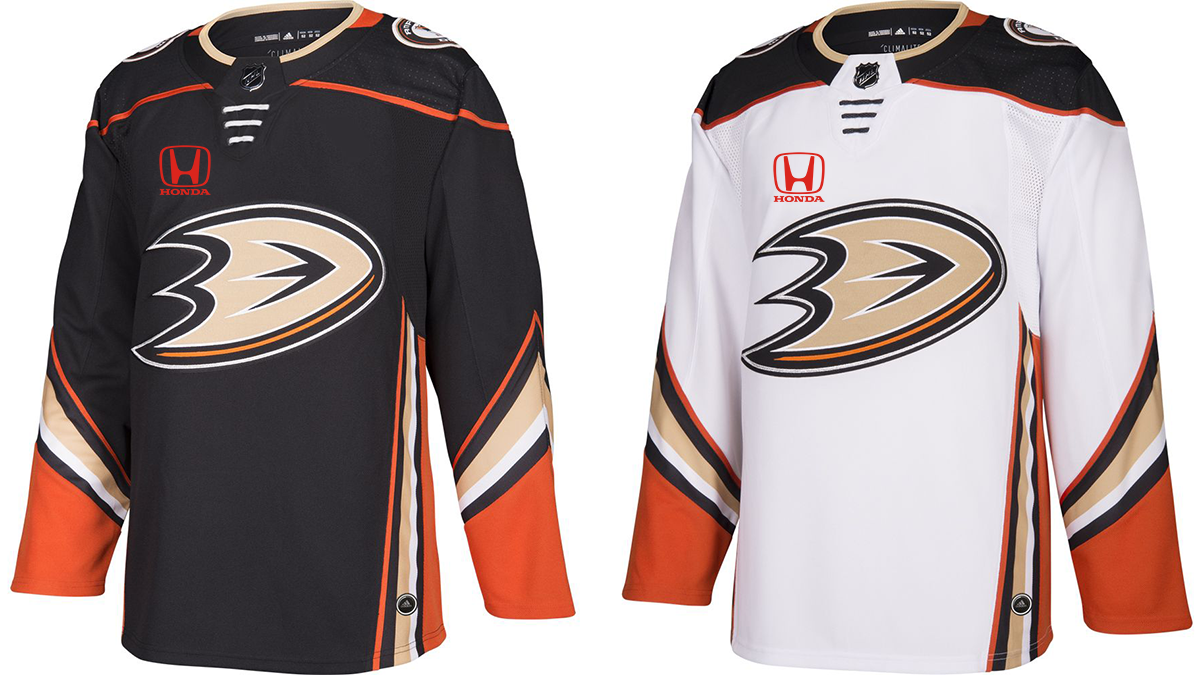
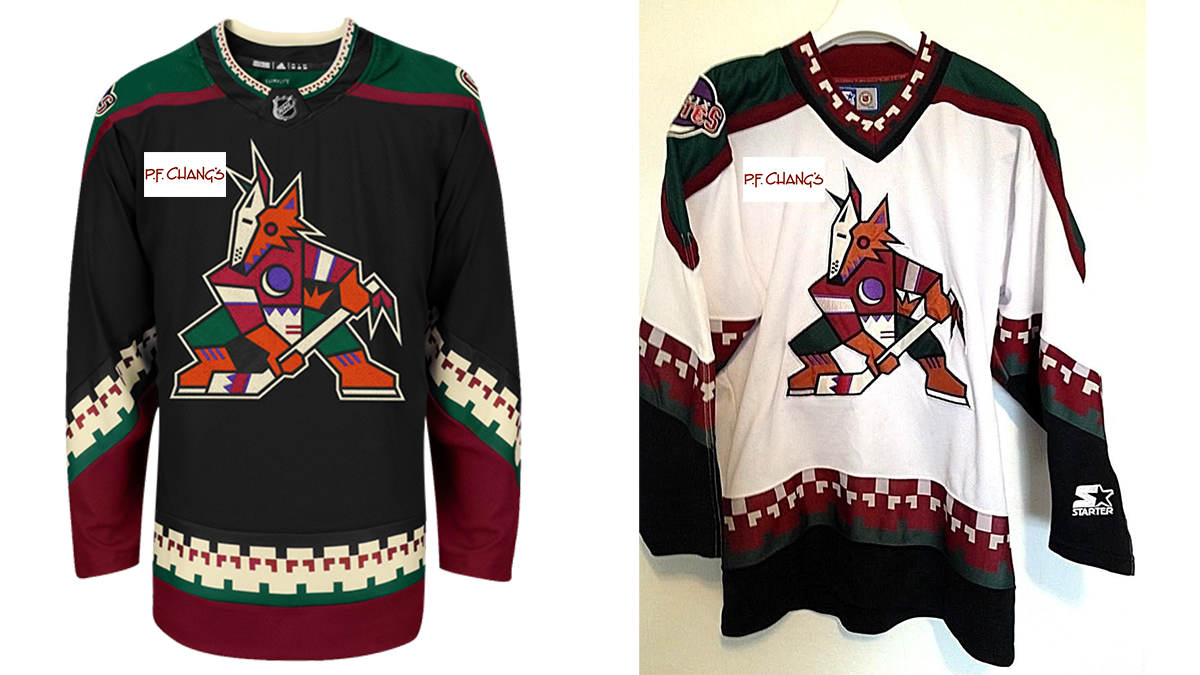
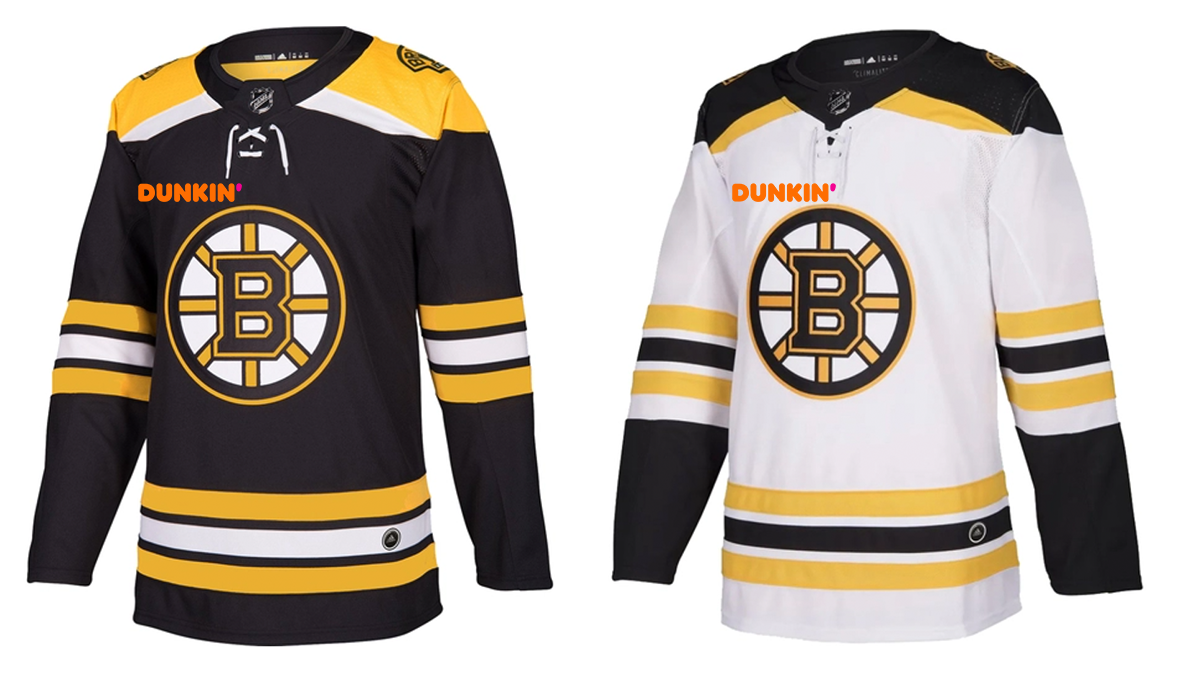

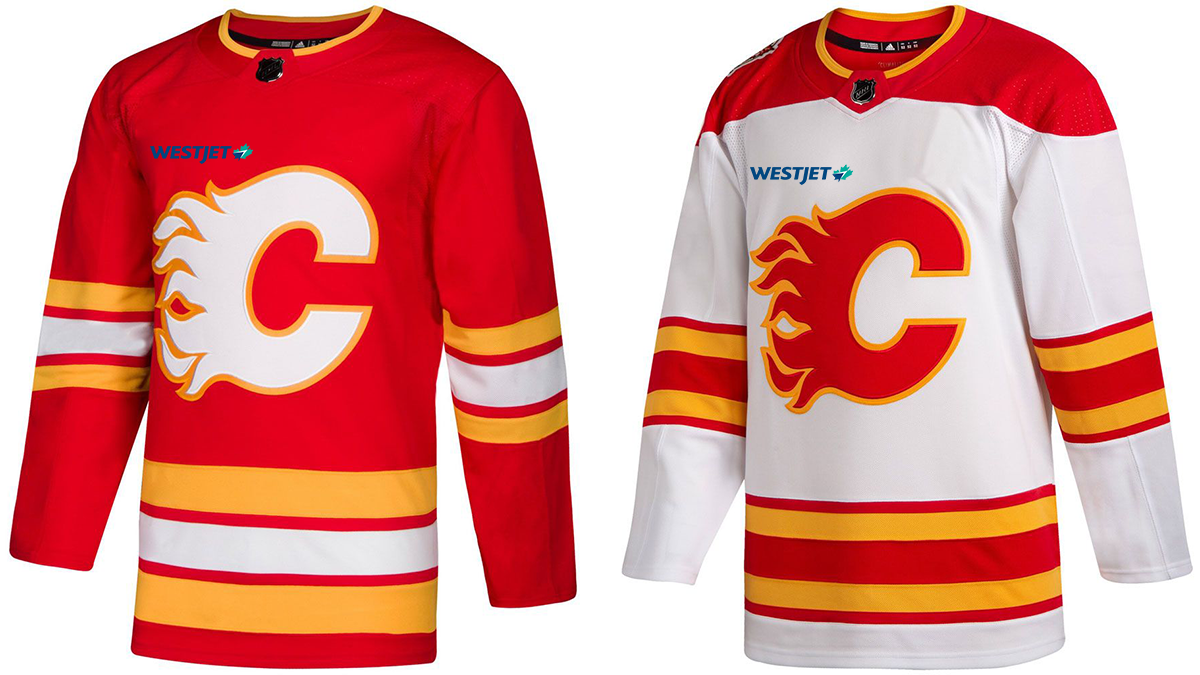
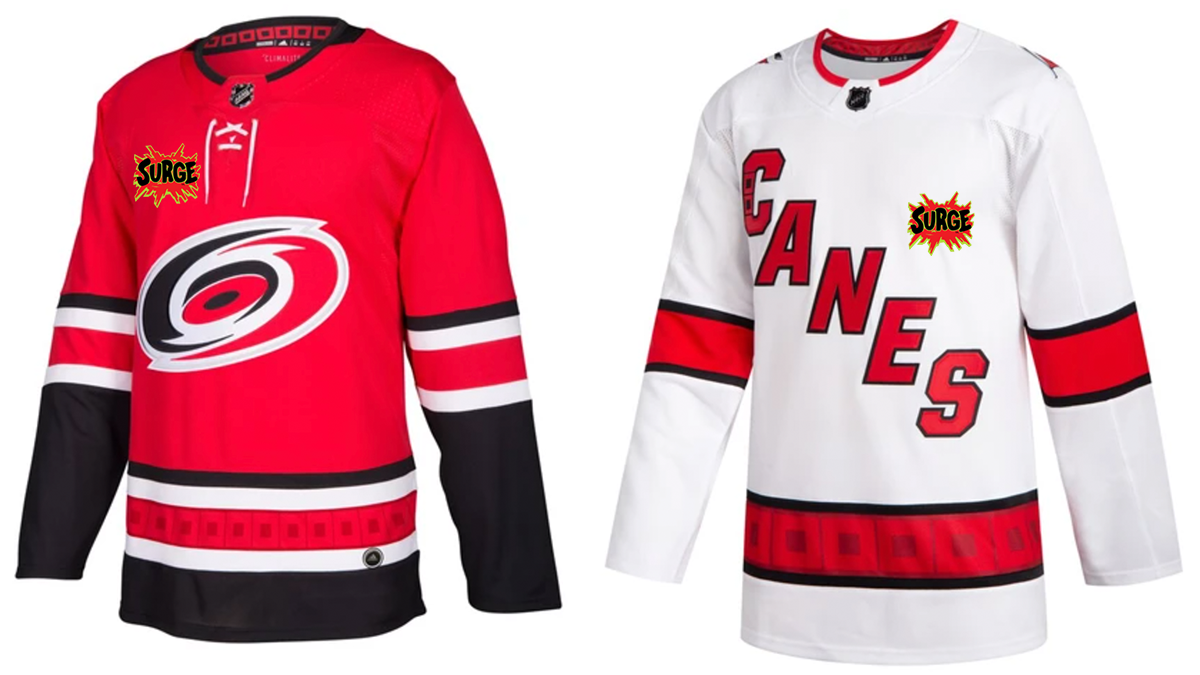
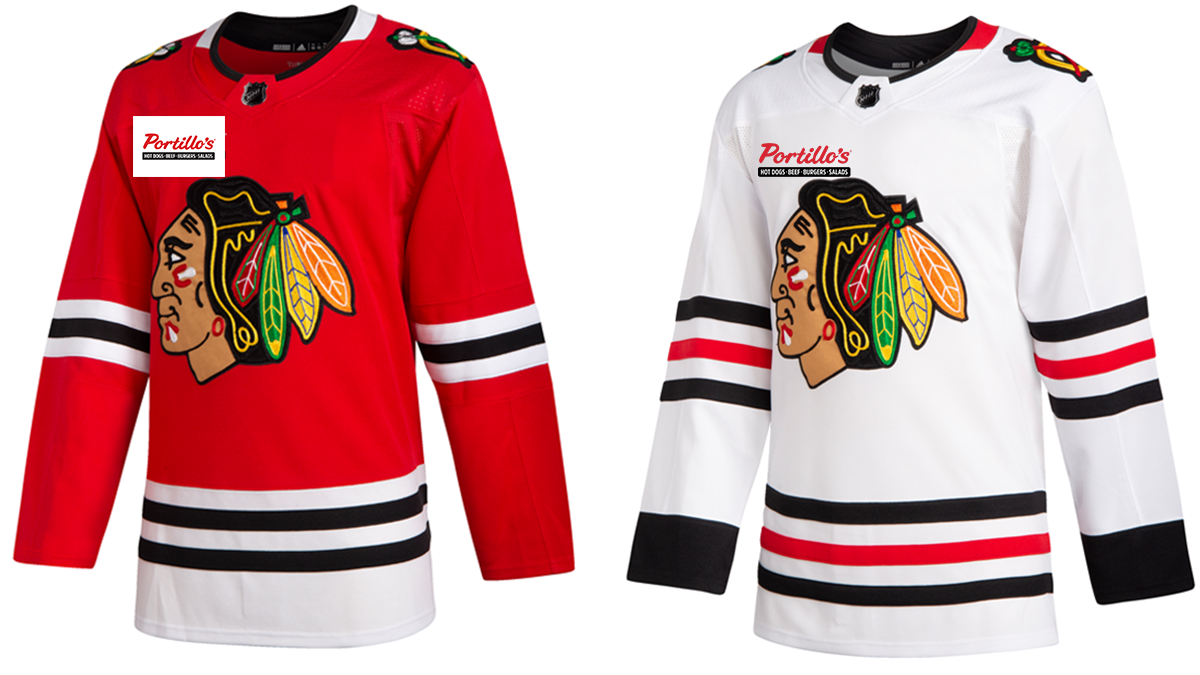


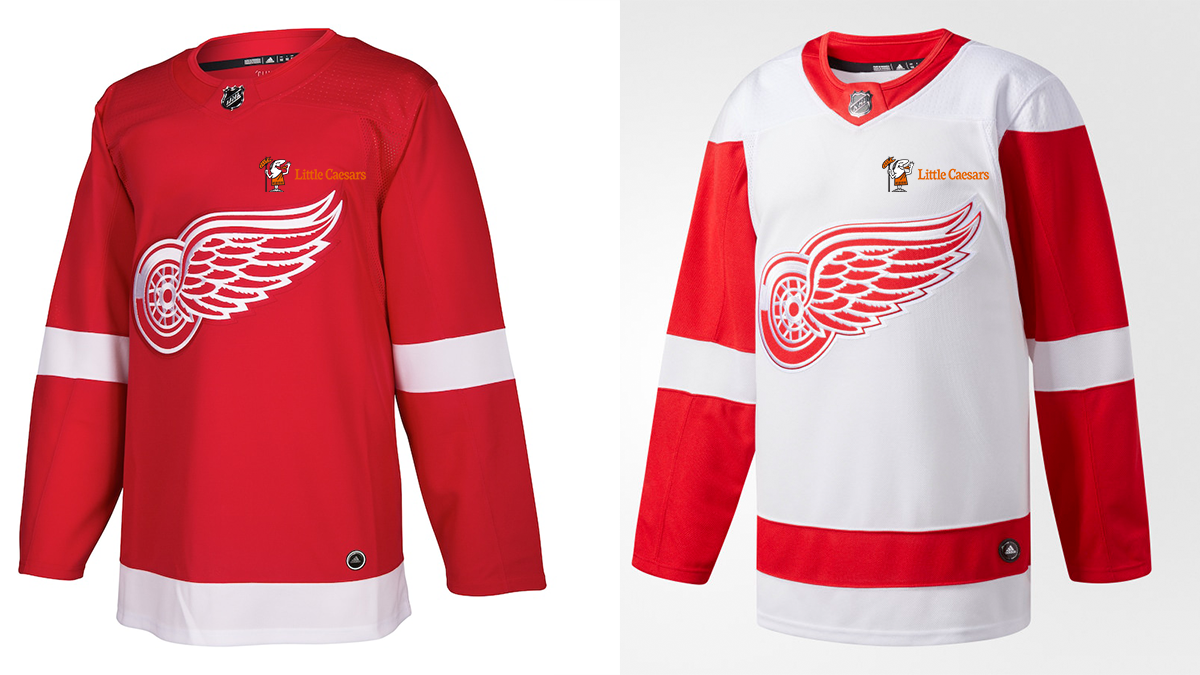


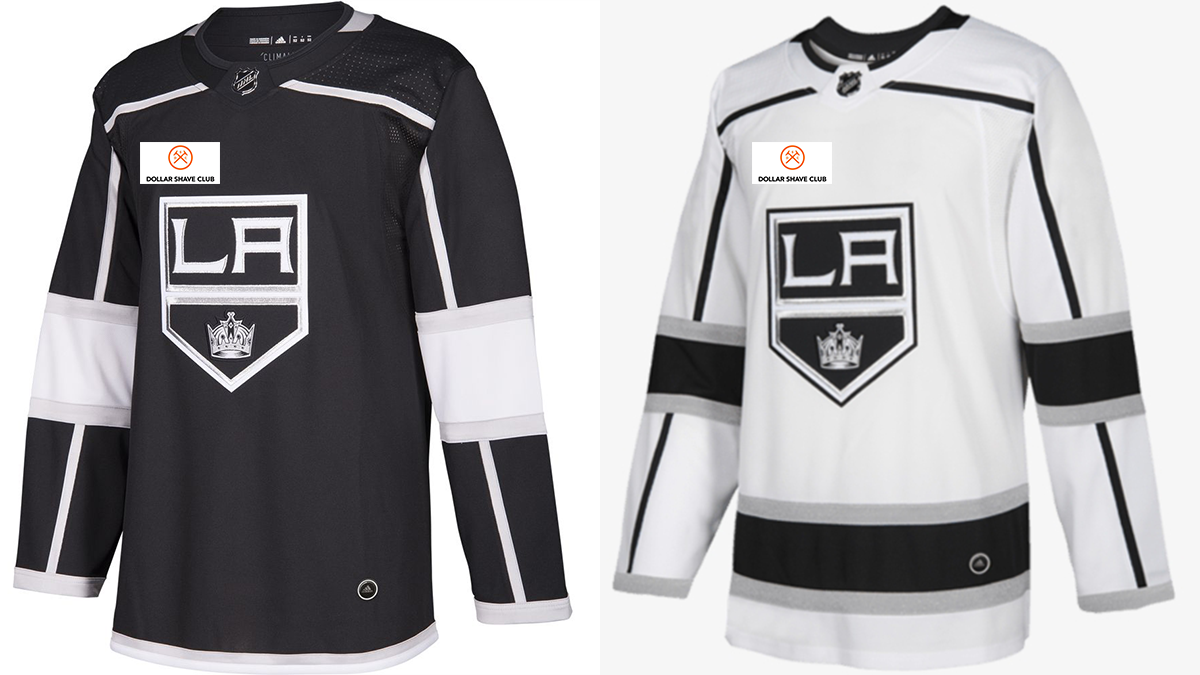
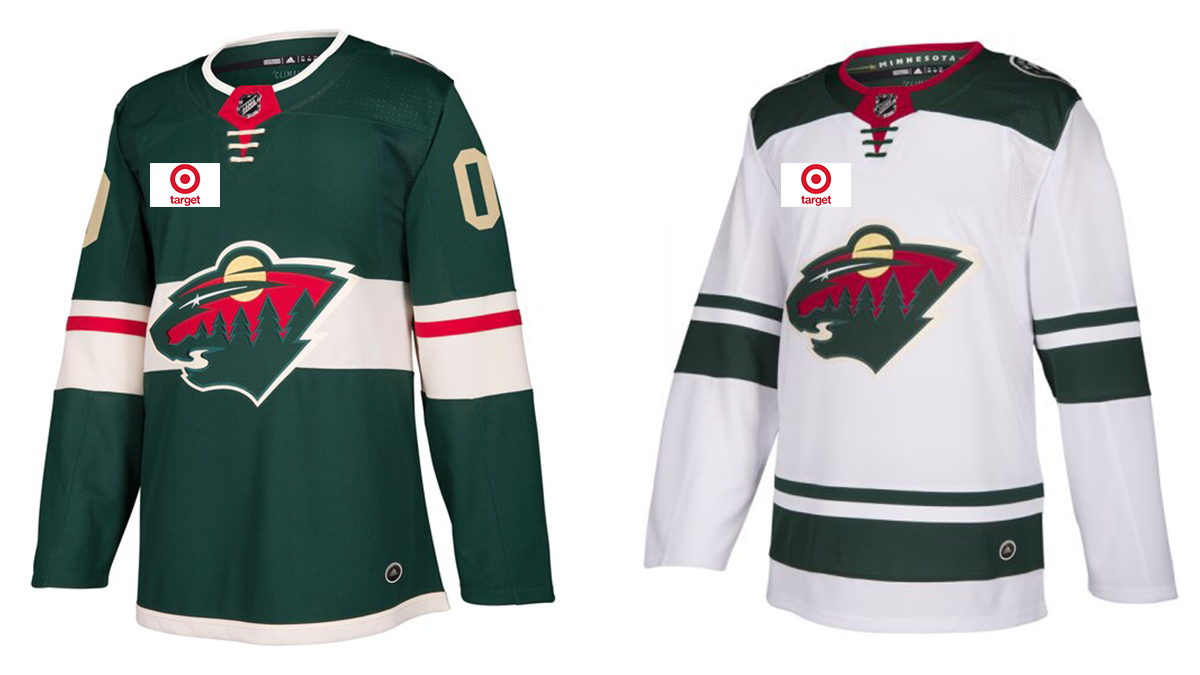

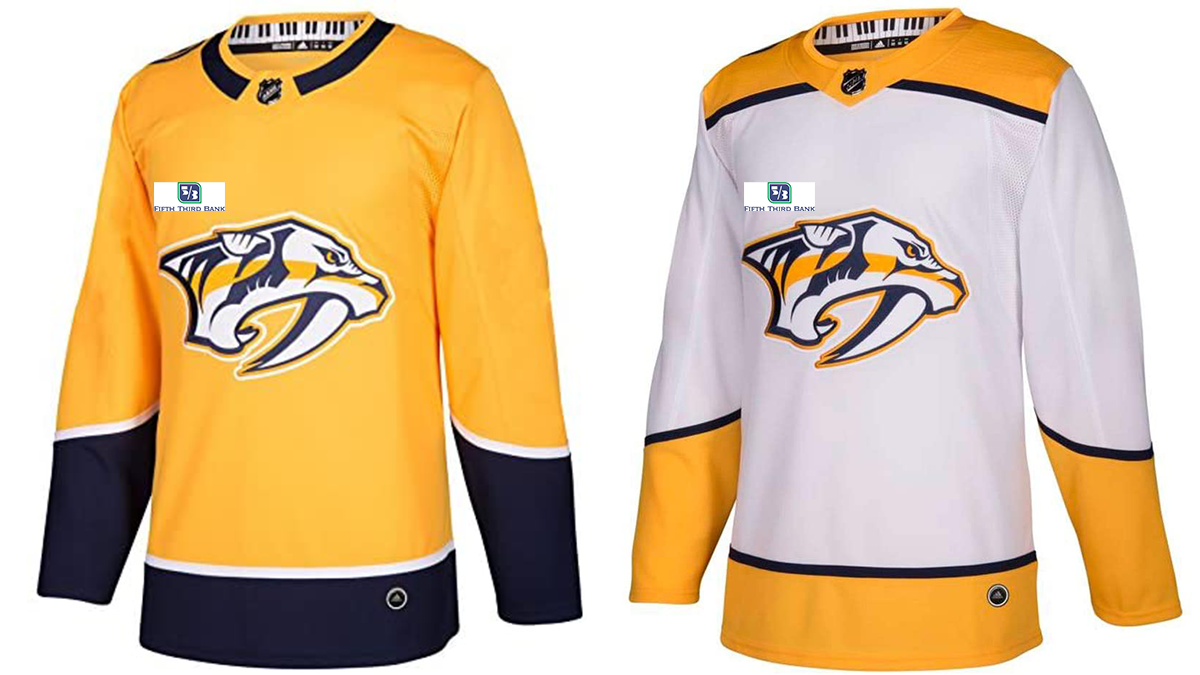
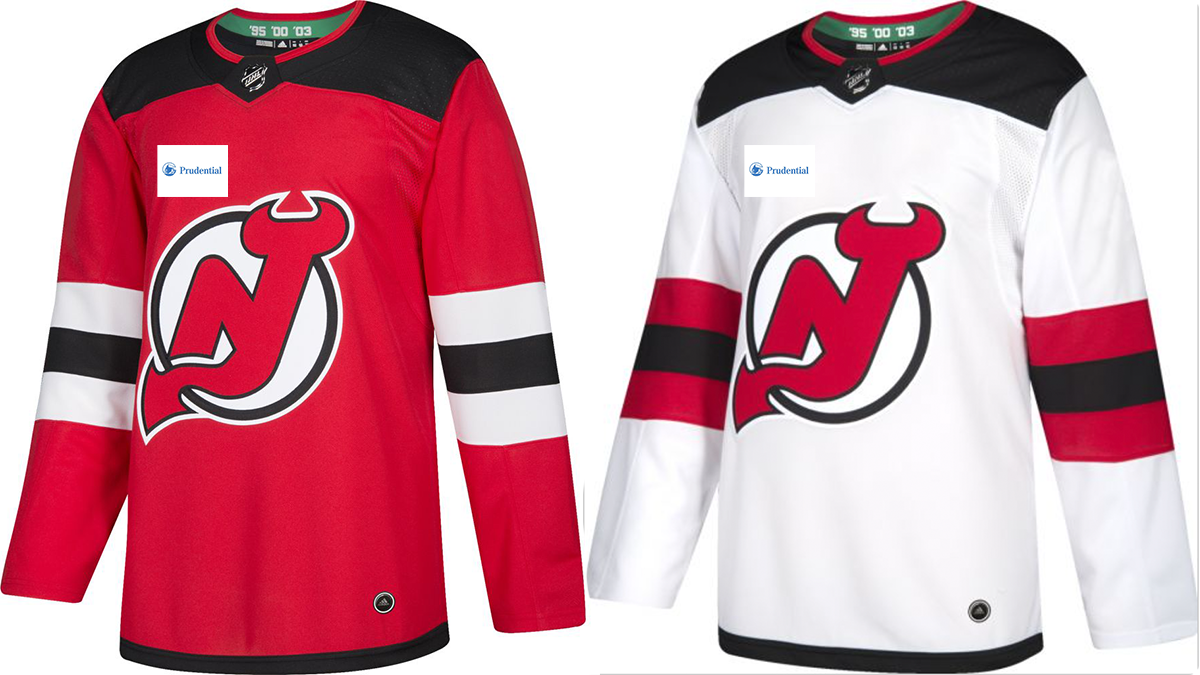


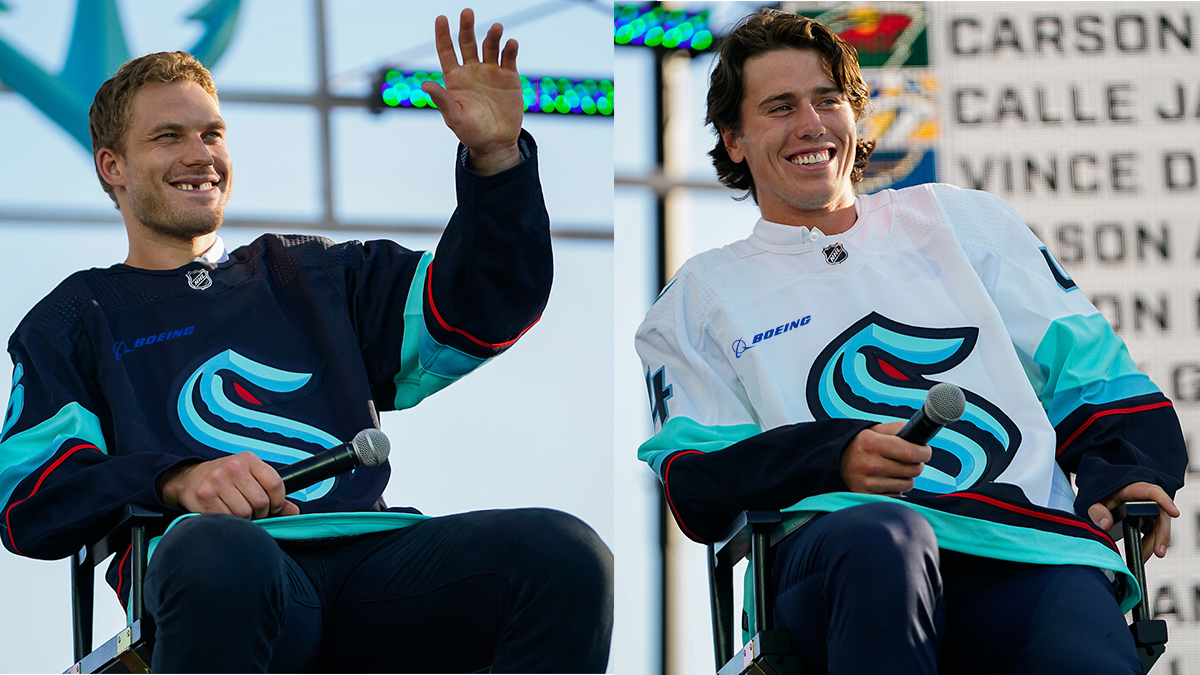

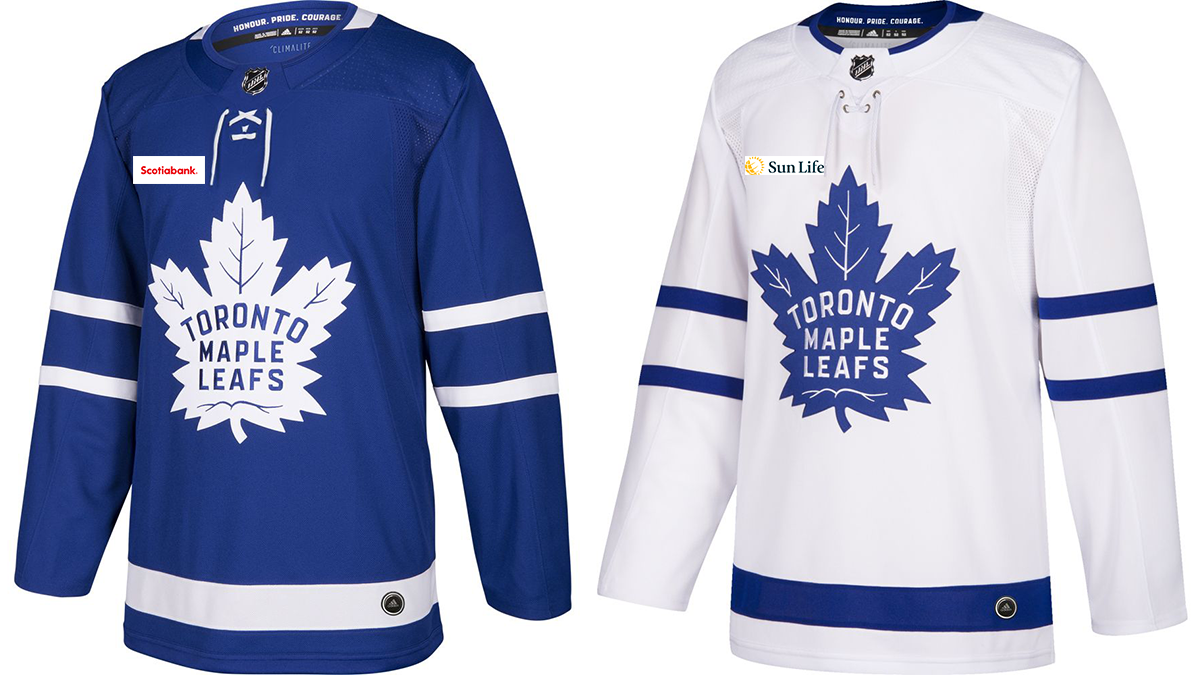
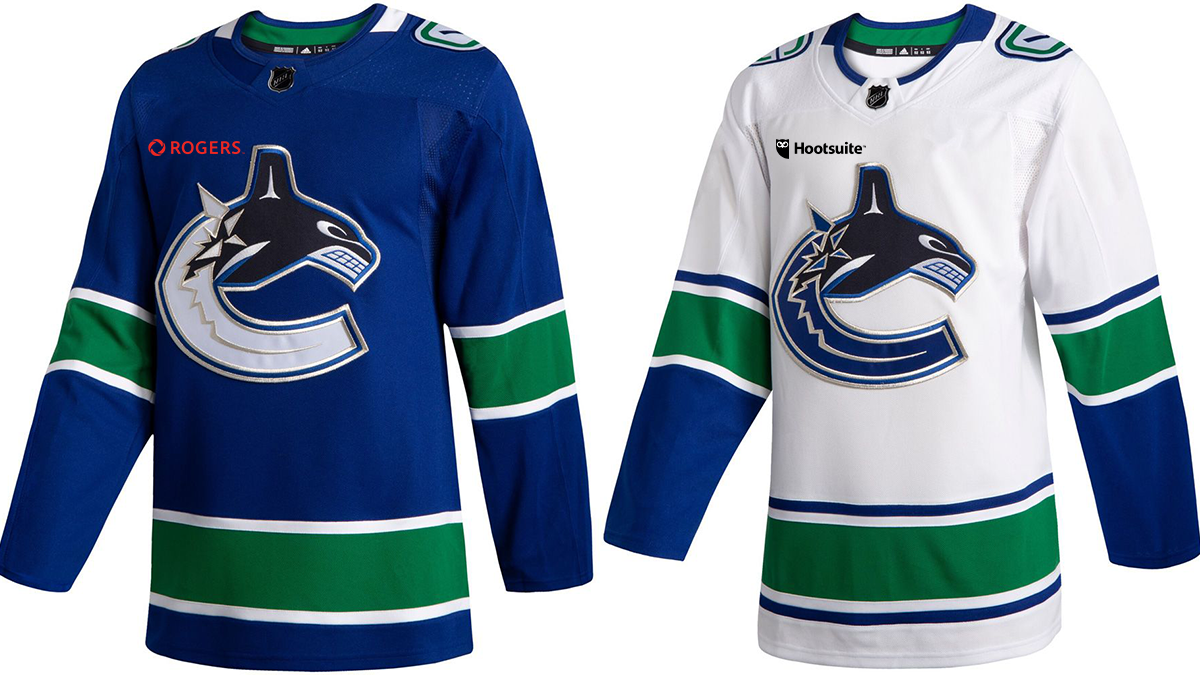
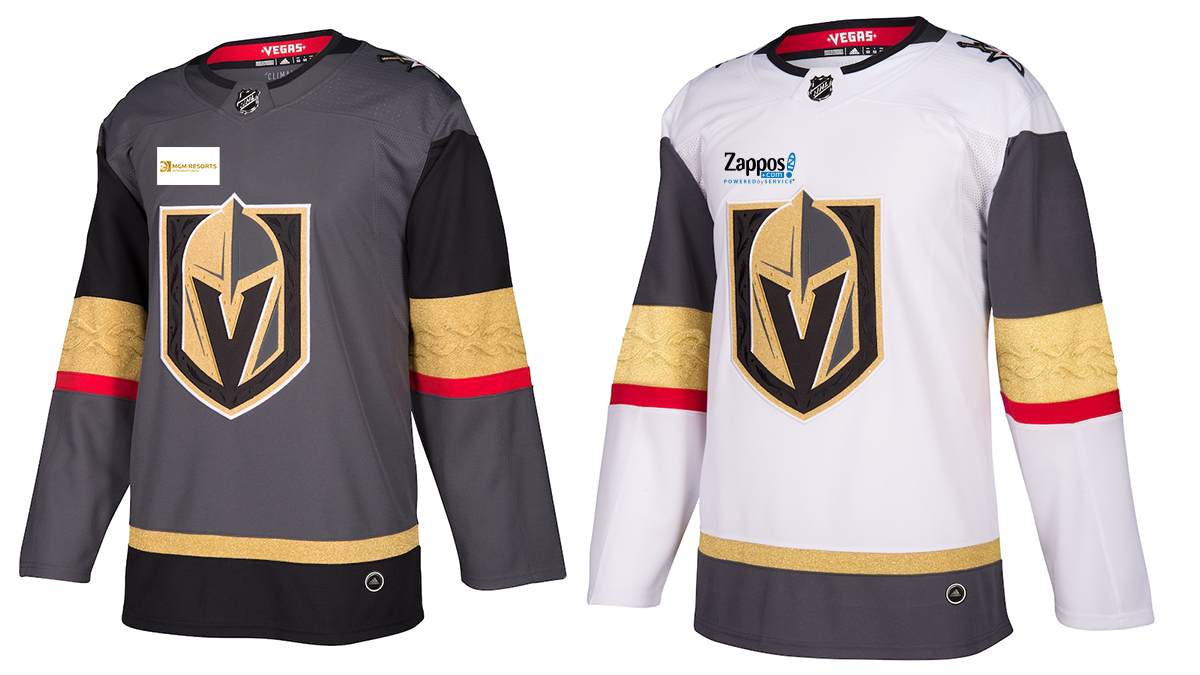





 Down the Frozen River
You must be logged in to post a comment.