Monday afternoon at TD Garden, the Colorado Avalanche visit the Boston Bruins in the conclusion of their regular season series– in which the Avs are in the midst of their second-longest road winning streak in club history at seven games.
Colorado’s longest road win streak in franchise history was set during the 2019-20 season when the Avs won nine consecutive games on the road from Feb. 4-March 2, 2020.
The last time the Avalanche won seven straight road games was back in the 1998-99 season, when Colorado won seven games away from home from Jan. 10-Feb. 7, 1999.
Boston, on the other hand, is coming off of a, 3-2, overtime win in Ottawa on Saturday– having finished their four-game road trip with a 2-1-1 record.
On Jan. 26th, the Bruins lost, 4-3, in overtime at Ball Arena as the Avalanche continued their franchise record 18-game home win streak in the process.
B’s head coach, Bruce Cassidy, told reporters after practice on Sunday that Jeremy Swayman would likely get the start in the crease after consulting with goaltending coach, Bob Essensa, and that Derek Forbort would return to the lineup after serving as a healthy scratch in the win against the Senators.
As a result of Forbort returning to action, Connor Clifton will likely return to the press box for Monday’s matinée matchup.
The Bruins will be without the services of Jakub Zboril and Brad Marchand as Zboril remains out for the rest of the season due to his right ACL injury, while Marchand will serve the sixth game out of his six-game suspension on Monday for his antics against Pittsburgh Penguins goaltender, Tristan Jarry, back on Feb. 8th.
Linus Ullmark is expected to serve as Swayman’s backup against Colorado, while Anton Blidh likely remains out of the lineup with Marchand out until Feb. 24th amidst other temporary roster adjustments.
For instance, Cassidy remains committed to Charlie Coyle as the second line center with Trent Frederic at left wing and Craig Smith on right wing while Taylor Hall is required to fill-in for Marchand on the first line alongside Patrice Bergeron and David Pastrnak.
As a result, Erik Haula was slotted on the left side of Jack Studnicka in Ottawa while Nick Foligno served as the third line right wing.
Jake DeBrusk scored a goal in Saturday’s win and played alongside fourth line regulars, Tomáš Nosek and Curtis Lazar, leaving no room for Blidh to get back into the lineup until Marchand returns, at least.
In summary, Boston will likely be without Zboril, Marchand, Blidh and Clifton on Monday.
The Bruins (28-17-4, 60 points) enter Monday 4th place in the Atlantic Division and in command of the second wild card berth in the Eastern Conference, while Coloardo leads the Central Division, Western Conference as well as the entire National Hockey League standings with a 36-9-4 record (76 points).
Both teams have played in 49 games and will take part in their 50th game of the season against one another.
Boston is 15-10-1 at home this season and 4-4-2 in their last ten games, while the Avalanche are 15-6-2 on the road and 8-1-1 in their last ten games.
The Bruins are 73-58-15-3 in 149 regular season games against the Avalanche/Québec Nordiques in franchise history with 557 goals for and 488 goals against in that span.
Marchand leads the B’s in scoring this season with 21-28–49 totals in 39 games played, while Pastrnak leads the team in goals (25) and ranks second in points (46) in 49 games.
Bergeron rounds out the top-three in team scoring with 35 points (12 goals, 23 assists) in 45 games.
A few milestones are within reach in Monday’s matinée meeting with the Avalanche.
Bergeron (20) is one shorthanded goal away from tying Don Marcotte (21) for the 4th-most shorthanded goals in franchise history, Coyle (198) is two assists away from his 200th career NHL assist and Haula (99) is one goal away from his 100th career NHL goal.
At the other end of the rink, the Avalanche are 13-2-1-1 in 17 games at TD Garden– outscoring the Bruins, 45-28, in that span– and 4-0-0 in day games this season.
Colorado is 12-2-1 in matinée games dating back to the start of the 2019-20 season.
Nazem Kadri leads the Avs in scoring so far this season with 63 points (21 goals, 42 assists) in 46 games, while Mikko Rantanen (26-32–58 totals in 46 games) and Cale Makar (18-32–50 totals in 45 games) round out the top-three on the roster.
Makar had an assist in Colorado’s, 5-3, win at Buffalo on Saturday and reached the 50-point plateau for his second time in three seasons (he’s yet to appear in 57 or more games in a regular season thus far) and did so in his 45th game of the season.
He trails only Brian Leetch (38 games in 1991-92, 43 games in 1990-91), Mike Green (43 games in 2008-09), Gary Suter (44 games in 1987-88) and Steve Duchesne (44 games in 1988-89) among defenders aged 23 or younger in reaching 50 points in as few games since 1986-87.
In the crease, Swayman (10-7-3, 2.14 goals-against average, .923 save percentage in 21 games played) is expected to get the start for the Bruins after making 29 saves on 31 shots faced in Saturday’s, 3-2, overtime win in Ottawa.
Darcy Kuemper (25-5-2, 2.40 goals-against average, .920 save percentage in 35 games played) is likely to get the start for the Avalanche after making 29 saves on 32 shots faced in Saturday’s, 5-3, win against the Sabres in Buffalo.
He made 29 saves on 32 shots against in Colorado’s, 4-3, overtime victory against Boston on Jan. 26th, while Ullmark turned aside 37 out of 41 shots faced in the overtime loss for the B’s.
The Bruins host the Avalanche before embarking on a six-game road trip through Seattle, San Jose, Los Angeles, Anaheim, Vegas and Columbus, while Colorado finishes up a four-game road trip in Detroit on Wednesday after Monday’s matinée in Boston.
Expected lineups
Boston Bruins
BRUINS LINES
71 Taylor Hall 37 Patrice Bergeron (C) 88 David Pastrnak (A)
11 Trent Frederic 13 Charlie Coyle 12 Craig Smith
56 Erik Haula 23 Jack Studnicka 17 Nick Foligno
74 Jake DeBrusk 92 Tomáš Nosek 20 Curtis Lazar
58 Urho Vaakanainen 73 Charlie McAvoy
48 Matt Grzelcyk 25 Brandon Carlo (A)
28 Derek Forbort 6 Mike Reilly
1 Jeremy Swayman
35 Linus Ullmark
Healthy scratches and injured members (officially TBA, below is only a prediction based on last game)
John Moore (unlisted), Brad Marchand (suspension), Jakub Zboril (right ACL), Connor Clifton, Anton Blidh
Colorado Avalanche
92 Gabriel Landeskog (C) 29 Nathan MacKinnon (A) 96 Mikko Rantanen (A)
13 Valeri Nichuskin 91 Nazem Kadri 95 Andre Burakovsky
17 Tyson Jost 37 J.T. Compher 16 Nicolas Aube-Kubel
43 Darren Helm 18 Alex Newhook 25 Logan O’Connor
7 Devon Toews 8 Cale Makar
3 Jack Johnson 49 Samuel Girard
28 Ryan Murray 6 Erik Johnson
35 Darcy Kuemper
39 Pavel Francouz
Healthy scratches and injured members (officially TBA, below is only a prediction based on last game)
Bowen Byram (upper body), Stefan Matteau (IR), Kurtis MacDermid
Goaltending stats entering Monday
Boston Bruins
1 Jeremy Swayman 10-7-3 in 21 GP, 2.14 GAA .923 SV%, 2 SO
35 Linus Ullmark 16-8-1 in 26 GP, 2.79 GAA .909 SV%, 0 SO
Colorado Avalanche
35 Darcy Kuemper 25-5-2 in 35 GP, 2.40 GAA, .920 SV%, 3 SO
39 Pavel Francouz 7-2-0 in 9 GP, 2.39 GAA, .921 SV%, 2 SO
The Colorado Avalanche extended their franchise record 17-game home winning streak with a, 4-3, overtime victory over the Boston Bruins Wednesday night at Ball Arena.
Nathan MacKinnon suffered an upper body injury early in the action and was forced out of the game, while Darcy Kuemper (20-5-1, 2.64 goals-against average, .913 save percentage) made 29 saves on 32 shots against in the win for Colorado.
Boston goaltender, Linus Ullmark (14-5-1, 2.61 goals-against average, .914 save percentage in 21 games played), stopped 37 out of 41 shots faced in the overtime loss.
The Bruins fell to 24-13-3 (51 points) overall and remain in command of 4th place in the Atlantic Division, as well as the second wild card berth in the Eastern Conference.
The Avalanche retook the top spot out of all 32 teams in the National Hockey League with a 30-8-3 record (63 points in 41 games) and two games in hand over the Florida Panthers (29-9-5 in 43 games played).
Colorado continues to lead the Central Division by six points over the Nashville Predators.
Due to the ongoing pandemic’s effects on the NHL’s scheduling for the last couple of years, the B’s and Avs met for the first time Wednesday night since Dec. 7, 2019, when the Avalanche beat the Bruins, 4-1, at TD Garden.
Nick Foligno (upper body) joined Jakub Zboril (right ACL), Trent Frederic (upper body) and Matt Grzelcyk (upper body) on the list of Bruins players out of the lineup Wednesday night in Colorado due to various injuries.
Though John Moore returned to practice the other day, he was reassigned to the Providence Bruins (AHL) on Tuesday prior to Boston’s flight to Denver.
Anton Blidh returned to action for the B’s and was placed on the fourth line in Foligno’s vacated spot.
Bruins head coach, Bruce Cassidy, made no other changes to his lineup against the Avalanche.
Boston’s short list of healthy scratches on Wednesday included Steven Fogarty, Troy Grosenick, Jesper Frödén and Tyler Lewington as the trio remain on the taxi squad for the Bruins.
Taylor Hall delivered an open ice hit on MacKinnon that caused MacKinnon’s stick to ricochet into his own face– leaving the Avalanche’s top star bloodied and lying on the ice 2:22 into the first period.
Hall was initially assessed a five-minute major on the play, but the on-ice officials reviewed and rescinded the major penalty in favor of a two-minute minor for interference on account of Hall leading with the shoulder and MacKinnon’s own stick doing the utmost damage on an unfortunate result to an otherwise clean hit.
Colorado did not score on the ensuing power play.
A few minutes later, Kurtis MacDermid cut a rut to the penalty box for cross checking against Brad Marchand at 5:29, but the Bruins weren’t successful on the ensuing skater advantage.
Midway through the opening frame, Andre Burakovsky set up MacDermid (1) at the point for a wrist shot off the post and into the back of the twine for his first goal of the season, as well as his first goal as a member of the Avalanche– having been selected by the Seattle Kraken in the 2021 Expansion Draft and subsequently traded to Colorado in July.
Burakovsky (19) and Valeri Nichuskin (9) tallied the assists as the Avalanche jumped out to a, 1-0, lead at 11:25 of the first period.
Momentum was fully on Colorado’s side.
About a minute later, Charlie McAvoy’s stick was apparently close enough to Gabriel Landeskog’s skates as the Avs captain went down and yielded an infraction against No. 73 in black and gold.
Colorado went on the power play once again at 12:52, but wasn’t able to convert on the advantage with Boston’s best defender in the box.
With less than a minute remaining in the opening frame, the Avs botched a line change and were charged with too many skaters on the ice at 19:42.
Nicolas Aube-Kubel served the bench minor as Boston’s power play would extend into the middle frame.
Through 20 minutes of action, Colorado led, 1-0, on the scoreboard despite trailing Boston, 13-8, in shots on goal.
The Avalanche led in giveaways (2-1), while the Bruins held the advantage in blocked shots (8-0), takeaways (4-3), hits (11-7) and faceoff win percentage (75-25).
Both teams were 0/2 on the power play heading into the middle period.
Colorado announced that MacKinnon would not return to the night’s action with an upper body injury just as the second period was getting underway.
As such, Landeskog proceeded to give Hall a hard time on the ice– holding up the Boston forward near the benches and finishing his checks to the disappointment of those in Ball Arena that were wanting more bloodshed as the gloves remained firmly on the hands of each player.
Though, it could be argued that revenge is best served on the scoreboard– a lesson clearly learned by the Avalanche after trying to entice Bruins skaters into exchanging fisticuffs and falling behind in the second period only to force overtime and win the game after a dominant display in the third period.
Stick to your game (especially if it’s good enough to lead the league).
Anyway, after a stoppage in play early in the second period, Blidh and Tyson Jost exchanged pleasantries an received roughing minors at 5:52.
The two teams would skate at 4-on-4 for a pair of minutes, which gave Jake DeBrusk (7) just enough ice late in the 4-on-4 action to rush up the ice and snipe a shot under Kuemper’s blocker side into the upper corner of the net.
DeBrusk tied the game, 1-1, while McAvoy (20) tallied the only assist on the goal at 7:10 of the second period.
A few minutes later, Burakovsky tripped up DeBrusk– and after the Avalanche gained possession to initiate the delayed call– Oskar Steen and Samuel Girard followed Burakovsky to their respective penalty benches as the two skaters received roughing minors.
All three penalties were dictated at 10:29 of the second period and resulted in a power play for Boston.
A minute later, Erik Johnson tried getting his point across by delivering three swift cross checks to Hall’s back, but the on-ice officials felt it was perhaps a bit much.
Johnson skated over to the sin bin with a minor for cross checking at 11:29, resulting in a minute of 5-on-3 action for the Bruins before a regular abbreviated power play.
Shortly before Burakovsky rejoined the ice, McAvoy sent a shot that rebounded off Kuemper to Charlie Coyle (10) in the right place at the right time for a backhand shot from the doorstep– giving Boston the lead in the process, 2-1.
McAvoy (21) and Patrice Bergeron (21) notched the assists on Coyle’s power-play goal at 12:16 of the second period.
Shortly before the time expired on Johnson’s minor, J.T. Compher missed the net on a breakaway at the other end of the ice before David Pastrnak rushed up the ice with Marchand.
Pastrnak dropped it back to Marchand (21) for a wrist shot that sailed over Kuemper’s glove into the far side of the net– giving the Bruins a two-goal lead as a result.
Pastrnak (18) had the only assist on Marchand’s power-play goal and the B’s led, 3-1, at 13:31.
After scoring two goals in a span of 1:15, the Bruins wouldn’t hit the back of the net for the rest of the night.
Late in the period, Tomáš Nosek interfered with Nazem Kadri behind the net and put Colorado on the power play as a result at 15:33.
The Avalanche, however, remained powerless on the skater advantage heading into the second intermission.
Boston led, 3-1, on the scoreboard despite trailing, 30-25, in shots on goal after two periods.
Both teams managed to amass 12 shots each in the second period alone, while the Bruins continued to dominate in blocked shots (11-3), takeaways (5-3) and faceoff win% (67-33).
Colorado, however, led in giveaways (5-3) and hits (19-15) through 40 minutes.
The Avs were 0/3, while the B’s were 1/4 on the power play heading into the final frame of regulation.
Midway through the final frame, Girard (5) let go of a shot from the point that had eyes as it snaked its way through traffic and around the stick of his fellow teammate, Mikko Rantanen, into the twine behind Ullmark– pulling the Avalanche to within one and generating a shift in momentum at 11:46 of the third period.
Cale Makar (24) and Kadri (37) had the assists on the goal as the Avs trailed, 3-2, with plenty of time left to make things interesting.
With 2:33 remaining in regulation, Colorado head coach, Jared Bednar, pulled Kuemper for an extra attacker.
Bednar then used his timeout after a stoppage with 1:10 remaining in the action.
After an icing call was waved off, the Avalanche rushed into the attacking zone and worked the puck around Boston’s defensive end with relative ease– tiring the Bruins skaters that had been on the ice in the process.
Nichushkin sent a pass to Kadri, who setup Landeskog (16) with a saucer through the slot for the one-timer goal as Derek Forbort opted to try to block the shot instead of breakup the passing lane or get a stick on Landeskog’s stick.
Kadri (38) and Nichuskin (10) had the assists as Landeskog tied the game, 3-3, with the goalie pulled at 19:23 of the third period.
Ullmark couldn’t catch up– literally– as the Bruins goaltender dove across the crease glove first.
After regulation, the score was even, 3-3, despite the Avalanche amassing an, 18-7, advantage in shots on goal in the third period alone.
Colorado led in total shots on goal, 38-32, as well as in giveaways, 9-7, while Boston led in blocked shots (16-6), takeaways (6-4) and faceoff win% (61-39).
Both teams had 22 hits aside, while the Avs were 0/3 and the B’s were 1/4 on the power play heading into the extra frame.
Cassidy sent out Coyle, DeBrusk and McAvoy to start overtime, while Bednar countered with Landeskog, Rantanen and Makar.
Each team made at least one change on the fly before Mike Reilly tripped Nichuskin to breakup an otherwise high danger scoring opportunity for Colorado.
The Avalanche went on the 4-on-3 power play as a result at 1:14 of the overtime period and it proved to be costly for the Bruins.
Colorado toyed with Boston in the attacking zone before Kadri worked the puck over to Makar (17) for the game-winning power-play goal from the point over Ullmark’s blocker on the short side at 3:01.
Kadri (39) and Landeskog (25) tallied the assists– completing a three-point night (0-3–3 totals) for Kadri as Makar’s goal gave the Avalanche a, 4-3, overtime victory and their 17th win at home since Nov. 11, 2020– extending the ongoing franchise record in the process.
Colorado finished the night leading in shots on goal, 41-32, including a, 3-0, advantage in overtime alone.
The Avs also exited their own building leading in giveaways (9-4) and hits (24-23), while Boston left Ball Arena leading in blocked shots (21-5) and faceoff win% (58-42).
Both teams went 1/4 on the power play on Wednesday as Boston fell to 2-2 in overtime this season (3-3 past regulation overall), while Colorado improved to 4-3 in overtime, as well as 7-3 past regulation in 2021-22.
The last time the Bruins won in Denver was on Nov. 13, 2016, in a, 2-0, shutout victory for Tuukka Rask (21 saves). David Krejci had a goal and an assist, while Dominic Moore scored an empty net goal in the win.
Wednesday night didn’t exactly go Boston’s way like it did almost six years ago.
The Bruins are now 9-8-3 (3-3-2 on the road) when allowing the game’s first goal, 4-8-2 (0-3-1 on the road) when trailing after one period and 16-1-1 (10-0-1 on the road) when leading after two periods this season.
The Avalanche improved to 23-0-2 (14-0-1 at home) when scoring first, 18-0-0 (11-0-0 at home) when leading after the first period and 4-7-2 (4-2-0 at home) when trailing after the second period in 2021-22.
Colorado became the first team since the 1995-96 Pittsburgh Penguins to have five players or more with at least 40 points by the halfway point of their season as Kadri (16-39–55 totals), Rantanen (22-27–49), MacKinnon (9-34–43), Makar (17-24–41) and Landeskog (16-25–41) each have cleared the 40-point hurdle through 41 games for the Avalanche as a team.
The Bruins continue their three-game road trip (0-0-1) Friday night in Arizona with a matchup against the Coyotes before paying a visit to the Dallas Stars on Sunday.
Boston returns home to host the Seattle Kraken in their first-ever meeting on Feb. 1st.
Additions: F Darren Helm, F Mikhail Maltsev (acquired from NJD), F Dylan Sikura, D Jordan Gross, D Jack Johnson (signed to a PTO), D Kurtis MacDermid (acquired from SEA), D Stefan Matteau, D Roland McKeown, D Ryan Murray, G Darcy Kuemper (acquired from ARI)
Subtractions: F Pierre-Edouard Bellemare (signed with TBL), F Matt Calvert (retired), F Joonas Donskoi (expansion, SEA), F Sheldon Dries (signed with VAN), F Ty Lewis (retired), F Liam O’Brien (signed with Tucson Roadrunners, AHL), F Brandon Saad (signed with STL), F Miikka Salomäki (SHL), F Carl Söderberg (SHL), F Mike Vecchione (signed with WSH), D Kyle Burroughs (signed with VAN), D Ryan Graves (traded to NJD), D Patrik Nemeth (signed with NYR), D Dan Renouf (signed with DET), D Conor Timmins (traded to ARI), G Philipp Grubauer (signed with SEA), G Peyton Jones (signed with Colorado Eagles, AHL), G Adam Werner (signed with CGY)
Still Unsigned: F Travis Barron, G Devan Dubnyk
Re-signed: F Tyson Jost, F Gabriel Landeskog, F Jayson Megna, F Kiefer Sherwood, D Dennis Gilbert, D Cale Makar, G Jonas Johansson
Offseason Analysis: If next spring doesn’t bring the desired results to Colorado, it’ll be 20 years since the Avalanche last made an appearance in the Western Conference Final.
Back in 2002, the Detroit Red Wings were in the prime of their dominance and the Red Wings-Avalanche rivalry was red hot as the two teams went at it for not only regular season titles, but Stanley Cup rings as well.
Colorado had won in 1996 and 2001, Detroit won in 1997, 1998 and would do so again in 2002, as well as 2008– five years after Patrick Roy played his last National Hockey League game.
In the 2002 Western Conference Final, the defending Stanley Cup champion Avs were once again the team to beat, but the Red Wings took the series in seven games and went on to win the Cup.
Since then, both teams have had a bit of a falling out.
When Joe Sakic took over as General Manager of the Avalanche, the goal was simple– return the franchise to its glory days.
The bump in the road that was the 2016-17 season brought the team the 4th overall pick after losing in the draft lottery, yet at 4th overall in 2017, Colorado selected their biggest game-changing defender since the acquisition of Ray Bourque in Cale Makar.
Sakic turned his attention to a Makar extension when it seemed like things had gone south with keeping captain, Gabriel Landeskog, in town.
The 22-year-old defender signed a six-year extension worth $9.000 million per season after finishing second in Norris Trophy voting to New York Rangers defender, Adam Fox, for the 2020-21 season.
Makar had 44 points (eight goals, 36 assists) in 44 games– exactly a point-a-game in his sophomore campaign, limited again due to injury after amassing 12-38–50 totals in 57 games in his first NHL season in 2019-20.
Sakic signed Makar to an extension on July 24th and then in the 11th hour as free agency drew near, signed Landeskog to an eight-year extension worth $7.000 million per season.
The 28-year-old captain was Colorado’s 2011 1st round pick (2nd overall) and has 218-294–512 totals in 687 games since making his league debut in the 2011-12 season with the Avs.
Landeskog had a promising 52-point season (22 goals, 30 assists) in 82 games in his first year in the league, then the 2012-13 48-game lockout shortened season kept him to 9-8–17 totals in 36 games.
The Avalanche missed out on the playoffs from 2011-13, but in 2014, Colorado squared off against the Minnesota Wild in the First Round– only to lose in seven games.
That playoff series, however, was the first taste of playoff hockey for Nathan MacKinnon and went decently for Landeskog as well.
After amassing 65 points (26 goals, 39 assists) in 81 games in the regular season, Landeskog had 3-1–4 totals in the seven-game series against the Wild.
Then his production dropped to 59 points in 82 games in 2014-15, and 53 points in 75 games in 2015-16– coinciding with Colorado’s fall from grace.
In the dismal 2016-17 campaign for the Avalanche, in which the team amassed 48 points on the season with a 22-56-4 record, Landeskog had just 33 points (18 goals, 15 assists) and had a minus-25 rating.
But the Avs have made the playoffs every season since then– succumbing to the Nashville Predators in six games in the 2018 First Round, bowing out to the San Jose Sharks in seven games in the 2019 Second Round, losing to the Dallas Stars in seven games in the 2020 Second Round and dropping out in six games against the Vegas Golden Knights in the 2021 Second Round.
In that span, Landeskog’s had a career resurgence. He had 62 points in 78 games in 2017-18, 75 points in 73 games in 2018-19, 44 points in 54 games while battling injury and the COVID-19 pandemic shortened regular season in 2019-20, as well as 52 points in 54 games in last season’s 56-game regular season schedule.
Some say his resurgence can be accredited to the emergence of Colorado’s dominant first line with MacKinnon at center, Landeskog at left wing and Mikko Rantanen at right wing, but then how can that attribute to his own individual playoff success?
Landeskog had seven points (four goals, three assists) in six postseason games in 2018, 3-5–8 totals in Colorado’s 12-game 2019 Stanley Cup Playoff experience, 2-11–13 totals in 14 games during their 2020 Stanley Cup Playoff bubble run and 13 points (four goals, nine assists) in ten games in the Avalanche’s 2021 postseason run.
It’s plain to see that whereas MacKinnon is the superstar forward, Landeskog is the lifeblood of the organization– both as the captain and as a clutch performer when it matters most.
Landeskog’s reasonable cap hit should take some pressure off of Sakic as he negotiates extensions with MacKinnon after the 2022-23 season and Rantanen after the 2024-25 season, when the salary cap ceiling is expected to have risen due to the increased revenue from the current U.S. broadcasting rights packages.
Two big pieces were taken care of, so naturally Sakic set his sights on Philipp Grubauer… …who chose to leave for the Seattle Kraken in free agency.
Grubauer signed a six-year contract worth $5.900 million per season with the Kraken on July 28th– the day that free agency began and a week after Seattle claimed Joonas Donskoi from the Avs in the 2021 NHL Expansion Draft.
Last season, Grubauer went 30-9-1 in 40 games played, had seven shutouts (tied for the most with New York Islanders goaltender, Semyon Varlamov) and amassed a 1.95 goals-against average, as well as a .922 save percentage in that span.
It was a breakout year for the 29-year-old goaltender, so why not cash in while you can?
The downside for Colorado, however, is that it left them briefly with uncertainty in the crease until they acquired Darcy Kuemper from the Arizona Coyotes later that same day.
Sakic worked the phones quite a bit this summer between agents and fellow general managers.
On July 15th, Colorado swapped defender, Ryan Graves, with the New Jersey Devils for forward, Mikhail Maltsev, and a 2021 2nd round pick (from NYI via NJD- 61st overall, Sean Behrens).
On July 27th, Sakic sent a 2023 4th round pick to the Kraken for defender, Kurtis MacDermid, whose father, Paul, played for the Québec Nordiques from 1993-95.f
After losing Grubauer to Seattle in free agency, Sakic dealt defender, Conor Timmins, a 2022 1st round pick and a conditional 2024 3rd round pick to the Coyotes for Kuemper.
Much like Linus Ullmark going from the Buffalo Sabres to the Boston Bruins via free agency this summer, it’s hard to tell what to expect out of Kuemper in an Avalanche uniform.
He should be better considering the overall quality and depth of defenders on Colorado’s blue line a la Ullmark’s upgrade from Buffalo’s defense to Boston’s defense in front of him.
That said, Kuemper hasn’t really been a starting goaltender for long. It’s a risk, like when Colorado sought after Grubauer in the first place from the Washington Capitals a few summers ago.
In his first season as a starter, Kuemper went 27-20-8 in 55 games with Arizona– notching five shutouts and recording a 2.33 goals-against average, as well as a .925 save percentage. Good stuff.
In 2019-20, he went 16-11-2 in 29 games, had two shutouts and yielded a 2.22 goals-against average, as well as a .928 save percentage.
Last season, he went 10-11-3 in 27 games, dropping to a 2.56 goals-against average, a .907 save percentage and once again recording two shutouts.
Kuemper is 31-years-old and made his league debut with the Minnesota Wild back in the 2012-13 season– the same season that Grubauer broke into the league with the Capitals, albeit two years younger in age.
How will a full 82-game schedule as the starting netminder with Pavel Francouz returning from an injury that prevented him from being the backup in Colorado last season impact Kuemper’s performance in the crease?
There’s kind of a lot at stake here. No pressure or anything, but the Avalanche are trying to win the Cup now rather than later.
Speaking of “win-now” mode, the loss of Donskoi, Brandon Saad and Pierre-Edouard Bellemare puts Colorado in a difficult spot.
They don’t have the dominant bottom-six players on paper that they had last season that made them as much of a threat as the Golden Knights or Tampa Bay Lightning.
Instead, they’ll be relying on the emergence of youth in Alex Newhook, Logan O’Connor and Maltsev mixed with a combination of young players getting better in Tyson Jost and J.T. Compher, as well as a veteran in Darren Helm.
Much like how Saad brought in Cup winning experience to the dressing room last season, however, Helm is doing so for the Avs this season as he happened to be on the 2008 Stanley Cup champion Red Wings– appearing in seven games in the 2007-08 regular season, then 18 postseason games for Detroit in their 2008 Cup run.
It was Helm’s first taste of NHL action and he already was on top of the mountain. Now 34, he’s looking for more.
Offseason Grade:B-
Sakic has a way of taking reclamation projects and maximizing their production in Colorado, though we’ll see if the same effect can be applied to Stefan Matteau and Ryan Murray on the blue line, as well as other moves already mentioned.
The Avalanche have depth, but do they have enough depth?
Despite winning the Presidents’ Trophy last season, Colorado finished the 2020-21 regular season with 39 wins– one shy of Vegas (40 wins) for the most in the league– and eliminated in the Second Round by that same Golden Knights team (the Avs won the tiebreaker with 35 regulation wins to Vegas’ 30).
That said most of the Avalanche roster remains the same and there’s the feeling that one of these year’s they’ll get over the hump and back into the later end of the postseason.
Super teams don’t always win, but having a (super) consistent performance down the stretch and in the playoffs does and that’s what the Lightning have done best for the last two years– turning it on when it counts and sustaining the pressure.
Apparently the National Hockey League’s Board of Governors were up to something this month as it was reported by Sportico on Tuesday that the Board unanimously approved ads on the front of NHL jerseys beginning with the 2022-23 season.
The ads will be no bigger than a 3-inch-by-3.5-inch rectangle, which is slightly larger than the ads featured on the front of National Basketball Association (NBA) jerseys.
It was only a matter of time before the NHL followed the NBA in generating additional revenue by doing what professional hockey leagues outside of North America have been doing for many years, as well as what’s been done for at least a few seasons now in the American Hockey League (AHL) and ECHL minor league levels on this side of the pond.
As always, hockey Twitter is taking the news well.
Let’s embrace the chaos for a moment and pick some sponsors for all 32 NHL teams that would make so much sense they’ll obviously be overlooked for, well, actual revenue generating streams instead.
Anaheim Ducks
What we want: Disney+ or TCL
What we’ll get: Honda
The Ducks play at Honda Center and, yeah, there’s really nothing besides Disney swooping in and sponsoring the team that they used to own as a means of cross promoting both the Ducks and The Mighty Ducks: Game Changers on Disney+, so we’re stuck with a Honda logo at center ice and on the front of Anaheim’s jerseys.
In any case, Honda’s red logo works pretty well with the Orange County orange featured as an accent color on Anaheim’s home and road jerseys.
NHL teams have a tendency to go back to the well with their partners– think of how many teams have either the same helmet sponsor as another team or just slapped on the same brand as their venue’s naming rights deal– but if we want to expand the playground a little bit perhaps TCL could be of interest for the Ducks.
Come to think of it, that’s probably a better option.
*Opens up Photoshop*
Arizona Coyotes
What we want: P.F. Chang’s or Cold Stone Creamery
What we’ll get: Fry’s or something, probably
Believe it or not the Los Angeles Chargers won’t be the only team tweeting about P.F. Chang’s for long as the restaurant chain was founded in 1993, and opened their first location in Scottsdale, Arizona, so it only makes sense to go back to their roots and toss an ad on the Coyotes’ jersey.
Also founded in Arizona– Cold Stone Creamery.
We figured that’d probably make sense on an AHL team’s jersey, though, despite the obvious cold ice, cold ice cream connection.
The Coyotes had Mountain America on their helmets at home and Dignity Health on their road helmets in 2020-21, so in reality we’ll probably get one of those two on the front of their jerseys in 2022-23.
Boston Bruins
What we want: Dunkin’ or bust
What we’ll get: TD Bank or O.R.G. Packaging, probably
What could possibly be more Boston than a Bruins jersey with a Dunkin’ logo on it?
Their AHL affiliate– the Providence Bruins– already play in the Dunkin’ Donuts Center in Rhode Island and have a Dunkin’ ad patch on their jerseys. Why not call it up to the major league?
That said, with some NBA teams earning up to about $20 million in jersey ad space revenue, the B’s likely will reach for a brand with deeper pockets than doughnuts and coffee.
Delaware North likes their relationship with a certain bank from Toronto (TD Bank) and has had one of the league’s longest relationships with a Chinese company (O.R.G. Packaging) as part of the NHL’s intended growth beyond the continents of North America and Europe, so one of the two brands is more likely to appear on a Bruins jersey.
Buffalo Sabres
What we want: Super Chexx
What we’ll get: KeyBank
The Sabres could use some fun in their lives these days and you know what really helps put the mind at ease? Bubble hockey.
That’s right, Innovative Concepts in Entertainment, Inc. (ICE)– the manufacturers of the popular bar and arcade classic, Super Chexx, that your rich friend down the street growing up also had in the comforts of their home– is based outside Buffalo and would be a match made in heaven right about now.
Especially as Sabres fans are looking for something to do while the game’s on TV.
So yeah, we’re definitely going to get KeyBank, Tim Horton’s or something else entirely instead.
Calgary Flames
What we want: WestJet or Duraflame
What we’ll get: Scotiabank
If you, as an American, can name any other Canadian airline other than Air Canada, then congratulations. If you can’t, then may I introduce you to WestJet?
WestJet’s headquarters are next to Calgary International Airport and it’d be nice to prove to the world that Canada is more than just a land of Tim Horton’s, Roots, Canadian Tire, Rogers, Scotiabank and Mr. Sub.
If Duraflame isn’t available, then you might as well dip into the low-cost airline industry as a means of attracting tourists to Banff National Park, Calgary Stampede or whatever it is that sets Calgary apart from the rest of Alberta (so… not being Edmonton).
Carolina Hurricanes
What we want: Surge
What we’ll get: PNC, Diehard, maybe Cheerwine or something else
This should be obvious, but if you haven’t paid attention to the Hurricanes for at least the last few seasons now they do a “Storm Surge” celebration after every win on home ice in the regular season (and sometimes playoffs).
Surge (the soda) is one of those drinks that makes headlines every few years for being pulled straight out of the vault and placed back on grocery store shelves– speaking of which, does anyone know if it’s currently available?
If not, it’ll definitely be back by the 2022-23 season.
Yes, it’s hard to envision where an ad will be placed on the road jersey as the prime real estate is used up by the diagonal “CANES” letters and– for a few players– the captain’s “C” or alternate captain’s “A”.
Chicago
What we want: Portillo’s
What we’ll get: United
Look, between Walgreens, Sears and Portillo’s there’s a few legendary brands that Chicago could partner with as their first jersey ad in franchise history (not including practice jerseys).
Obviously only one of the three mentioned above is the right choice and its the one that might lead you to Walgreens later if you have a weak stomach. Besides, Sears is fading from our collective memory whether it is out of business already or not.
Clark Griswold would be proud of Portillo’s proudly being displayed on a, well, if a WHL team can rebrand, so can you, Chicago.
Colorado Avalanche
What we want: Chipotle or Coors
What we’ll get: Ball
Look, whether or not Nathan MacKinnon eats Chipotle is a debate for another day, but one thing’s for sure– both Chipotle and MacKinnon started their careers in Colorado.
Though Coors or Coors Light would make more sense, we have to consider the fact that kids might be wearing these jerseys to the game and we haven’t heard whether or not the jerseys that are sold in the proshops in 2022-23 and beyond will include the front jersey ad or not.
If they do, then we probably can’t market beer to children.
I’m pretty sure there’s a law about that and it’s also the reason why all my 1:64 scale diecast Rusty Wallace and Dale Earnhardt, Jr. cars from when I was a kid said “Team Rusty” and “Dale Jr.” on them, respectively, instead of Miller Lite and Budweiser.
Columbus Blue Jackets
What we want: Wendy’s
What we’ll get: Nationwide
Coinciding with the uptick in Columbus born and raised players on the Blue Jackets roster, it would be a great idea to add Wendy’s– which was founded in Columbus in 1969– to the team in such a way that perhaps Jack Roslovic and Sean Kuraly star in local commercials to the Blue Jackets viewing area during the 2022-23 season.
I know that’s assuming Roslovic signs an extension, but the pending-restricted free agent at the end of the 2021-22 season helped facilitate the Pierre-Luc Dubois for Patrik Laine trade with the Winnipeg Jets by forcing Winnipeg into trading him to his hometown team.
Unlike several recent stars that left the city via free agency, Roslovic will stick around for the long term.
Especially if there’s some goods in kind involved with a Wendy’s sponsorship. I mean, I would at least.
Dallas Stars
What we want: Whataburger
What we’ll get: AT&T
Though Whataburger would be a welcome party in the burger wars when Columbus and Dallas would “meat” up, there’s no beef to be found in this hypothetical because AT&T has already made that decision for us.
Sometimes you just can’t think too hyperlocal and AT&T fetches a more national audience than a regional chain that primarily serves Texas.
Besides, if you go to Dallas for a Stars game, you can always just get Whataburger then. It’s not like they’re going to send you a meal with a jersey if ads are on the jerseys sold to fans in 2022-23.
Detroit Red Wings
What we want: Little Caesars
What we’ll get: Little Caesars
The last few teams have all involved food and we’re going to be stuck on this theme for at least one more team after this.
Both the Red Wings and Little Caesars are owned by the Ilitch family and if you think adding one more connection between Detroit and pizza is a bad thing then you clearly don’t understand the marketing behind this.
Kids love pizza. Adults love pizza. There’s a lot of good memories involving pizza.
Plus, with General Manager, Steve Yzerman, in charge, the Red Wings are on the rise, which will only further tap into the nostalgia from when Detroit was doing what the Tampa Bay Lightning are currently doing to the rest of the league.
Edmonton Oilers
What we want: Boston Pizza
What we’ll get: Rogers
Edmonton thought they could replicate the success Ken Holland had in Detroit by hiring Holland as their General Manager and when they see that we’ve got a pizza establishment heading for the front of the Red Wings’ jersey, then the Oilers will think it’s also a good idea to snag a slice.
That’s where Boston Pizza comes in.
Whether or not they’ll get Connor McDavid to do an ad read or be left with whatever scraps surround him on the Oilers roster remains to be seen.
In all likelihood, Rogers Communications will probably just get to slap their logo on another element of Edmonton’s brand.
Florida Panthers
What we want: Royal Caribbean International
What we’ll get: Baptist Health or something
The Blockbuster guy (the late Wayne Huizenga) founded the team and almost named them the “Florida Block Busters”, so it’d be neat to incorporate an homage to the days of Blockbuster (rest in peace) with the almost Blockbuster-like colors of Royal Caribbean International on the jersey.
Plus, who among us hasn’t uttered the words “I need a vacation from my vacation” before?
If you’re an out of town fan visiting the Panthers in Florida or watching the Panthers come to your town— there’s a cruise line for you even if you wouldn’t go remotely near a cruise before the ongoing pandemic began.
Los Angeles Kings
What we want: Dollar Shave Club
What we’ll get: Anschutz Entertainment Group
Never doubt for a second that a team owner wouldn’t give up the chance to toot their own horn, which is why it’s quite possible that one of the world’s biggest entertainment entities would slap their own logo on the front of a Kings jersey.
If you’re not able to finagle a way to write things off as a deduction, then Dollar Shave Club presents a unique opportunity despite the fact that shaving isn’t something that’s in Drew Doughty’s vernacular (or any hockey player, for that matter, when the Stanley Cup Playoffs roll around).
Manscaped could also make a run here and in any case, fine.
Minnesota Wild
What we want: Target or General Mills
What we’ll get: Xcel Energy
When you think of Minnesota what’s the first thing you think about?
That’s right, the very place where you could be standing right now reading this while you’re waiting for a cash register to open up or aimlessly perusing the aisles for those impulse purchases you somehow always make at Target.
It fits the Wild color scheme well and if we’re not going to get General Mills involved then at least getting more than the standard 5% discount for having a Target RedCard via goods in kind might be enough to convince Kirill Kaprizov to stay in Minnesota long-term.
Montréal Canadiens
What we want: CCM and/or Molson
What we’ll get: Bell
CCM makes more than just jerseys, but it’s not like adidas would be just fine with a CCM logo appearing on the front of an adidas ADIZERO jersey.
So, we’re left with two obvious choices– Molson or Bell.
If there’s nothing against a Canadian team bearing an alcoholic beverage on the front of their jersey with the potential for that brand to be marketed towards kids, then perhaps Molson– whose family ties own the Habs– might make an appearance near the crest.
That or we’ll just get more airtime for Bell. Either way, Montréal would be attractive enough as a franchise to bring in more than one jersey ad sponsor if the league doesn’t have any specific rules outside of the size of the ad.
Nashville Predators
What we want: Curb Records or CMT
What we’ll get: Fifth Third Bank
The music city could attract a music label if they wanted to, but Fifth Third Bank loves investing in Nashville for some reason– like, a lot, despite being headquartered in Cincinnati, Ohio and primarily serving Ohio, Kentucky, Indiana, Illinois, Michigan, West Virginia, North Carolina, Georgia and Florida more than all of Tennessee.
In any case, good for the Predators. They’ll have some deep pockets to reach into while other teams surely will have to squabble for seven figures related to the going rate for the prime ad space.
Still feels like we’d be missing out on a sweet Curb Records patch close enough to the guitar pick on the right shoulder though.
New Jersey Devils
What we want: Honestly, just Prudential is fine
What we’ll get: Prudential
The Devils are overlooked and let’s admit it, you couldn’t think of something distinctly New Jersey either– besides not being allowed to fill your own gas tank.
Bruce Springsteen is not sponsoring the Devils alone.
Whether it’s settling on an old reliable or simply making use of what’s trustworthy and already available, Prudential and New Jersey just seem like a good fit.
New York Islanders
What we want: Gorton’s
What we’ll get: Not Gorton’s
“We want fishsticks!”
O.K., you got them. Take that, Rangers fans. The Islanders are cool now because they’re steering into the skid.
They just won’t go as far as bringing back the fisherman jersey from the dead, but alas, they’ll show a spark of creativity and even crack a smile on Lou Lamoriello’s face with the real Gorton’s fisherman making an appearance on the jersey.
Obviously this will never happen.
New York Rangers
What we want: Liberty Mutual if they’re bringing back the “Lady Liberty” jerseys as an alternate
What we’ll get: Chase for sure, maybe New York Life too
Liberty Mutual (a Boston company) on the “Lady Liberty” jersey would be a sight to see, but New York will never let it happen.
Instead, Chase, which already has quite a great partnership with the team, Madison Square Garden, Manhattan, etc. will likely just step up and foot the bill for one– if not all– of the jerseys in full.
That’s fine. The Rangers will suffer the same consequences of having a diagonal wordmark on their jersey like Carolina’s road jersey, but at least New York’s pretty much always been this way so they should have some ideas of how to work around that.
Ottawa Senators
What we want: Canada Post
What we’ll get: Bell, Scotiabank or Canadian Tire
Canada’s capital city gets the honor of having Canada Post on their jerseys because it breaks up the trend of having the same three or four companies sponsoring all seven Canadian teams (like how their helmets were for 2020-21).
In reality, we’ll probably get more of the same from the Sens and either Bell, Canadian Tire or Scotiabank will make an appearance on Ottawa’s jersey.
At the very least, Canada’s postal service sponsoring a team is more economically viable than the United States Postal Service sponsoring a team.
Philadelphia Flyers
What we want: Wawa or Audacy
What we’ll get: Comcast or GlaxoSmithKline
Remember how I said you don’t want to go too local for a jersey ad? Well, Wawa on a Flyers jersey is an exception.
That said, it probably wouldn’t have the staying power to work on a road jersey too, so Philadelphia could tap into the artist formerly known as Entercom, since rebanded as Audacy, for more.
Audacy maintained their Philadelphia headquarters and covers a broad range of Internet radio, digital content, regular radio and podcasting platforms, plus their logo is orange which fits the Flyers brand.
It’s either that or Comcast will slap their own logo on the jersey or something.
Pittsburgh Penguins
What we want: Duolingo
What we’ll get: PPG Industries
Duolingo is headquartered in Pittsburgh and as a website and mobile app, every sports league with ads on jerseys needs at least one that makes you scratch your head at first before realizing the connection between the company and the city.
The dating app, Bumble, once was featured on the NBA’s Los Angeles Clippers jerseys prior to the Clippers replacing Bumble with their more jersey ad with the online browser extension coupon company, Honey.
Dating and living expenses in Los Angeles are probably harder than learning a few new languages through Duolingo, so combining Duolingo with the Penguins makes perfect sense since hockey players can come from all over and speak many languages.
Besides, it might give your team an advantage if they can communicate with one another in a setting that is more comfortable for them.
St. Louis Blues
What we want: Busch
What we’ll get: Enterprise
I know we’ve been over the whole “can they market beer to kids with these jerseys” thing, but St. Louis is the city of Anheuser-Busch, so it’s only fitting that the Blues get a jersey ad that 1) is Anheuser-Busch related and 2) works with their color palette.
If Major League Baseball’s St. Louis Cardinals play in Busch Stadium and get Budweiser by default with red as a primary color for the ball club, then the Blues naturally get Busch blue and Busch beer. I don’t make the rules.
Plus Midwesterners really like the stuff.
San Jose Sharks
What we want: Adobe
What we’ll get: SAP or Zoom
Look, we weren’t going to get away with making these in Photoshop and not having to give Adobe something— and with headquarters in San Jose it only made sense.
The Sharks have a deep relationship with SAP, though, so it’s more likely than not that the team will just go further with the brand that also is featured on their helmets at home and holds the current naming rights for SAP Center.
Plus with the uptick in the use of Zoom, San Jose could double-dip and match SAP on the home jersey with SAP stickers on their helmets with Zoom covering the road set (jersey ad and helmet ads).
Seattle Kraken
What we want: Boeing
What we’ll get: Alaska Airlines
The Kraken already have a deal with Alaska Airlines as the official airline of the franchise, but what’s bigger than an airline itself?
That’s right, Boeing, the company that makes a lot of planes and other aerospace stuff, was founded in Seattle and still has a major presence in Washington as the largest private employer in the state.
Want to see your newest expansion team take flight? Just add some Boeing engineering to the jerseys.
You might have thought Microsoft would make sense for a Seattle-based team, but the league’s agreement with Apple probably puts a quick end to that.
Tampa Bay Lightning
What we want: Accusoft
What we’ll get: DEX Imaging
Every sport with ads on jerseys has that one company that nobody’s really sure what they do, but they appreciate that they’re spending their money on their favorite team.
That just might be Accusoft’s relationship with the Lightning come time for ads on jerseys in 2022-23.
The private computer software company is headquartered in Tampa and was founded back in 1991, as Pegasus Imaging– one year prior to the Lightning’s debut season as an NHL team in 1992-93.
Toronto Maple Leafs
What we want: Swiss Chalet, Sun Life Financial
What we’ll get: Scotiabank, Sun Life Financial
Scotiabank already has a stronghold on Toronto both financially and in the sense that the Maple Leafs play inside Scotiabank Arena and proudly display Scotiabank’s logo on their helmets, so it seems inevitable that Scotiabank would also make an appearance on the Leafs jersey.
But Toronto is strong enough to maximize the value of a 3-by-3.5-inch ad and capitalize on the Maple Leaf Sports and Entertainment (MLSE) brand.
MLSE already has an agreement with Sun Life Financial on their NBA team’s jerseys and the Toronto Raptors were able to go on to win their first championship in 2019.
Perhaps the key to ending the Maple Leafs’ Stanley Cup drought lies within attracting Sun Life Financial to an NHL jersey ad.
Vancouver Canucks
What we want: Hootsuite
What we’ll get: Rogers
Remember when you’d see Hootsuite on just about every tweet with a photo? Am I the only one imagining that?
In any case, Hootsuite was founded and is based in Vancouver and still plays a major role in social media management for brands.
Whereas Rogers is accessible to most every day Canadians, Hootsuite would be more of a “corporate” target audience and you need sponsors at all levels to attract a wide base of potential clients, fans, etc.
That said, the Canucks have had a long relationship with Rogers in that they play in Rogers Arena, so it’s probably going to be Rogers.
Vegas Golden Knights
What we want: Zappos.com
What we’ll get: MGM Resorts International or Allegiant Air
Want to have fun with a local Nevada brand? Zappos is the way to go!
Want to be realistic and attract out of town fans to a destination like Las Vegas? MGM Resorts International is your sponsor and with Allegiant Air as an ultra-low cost airline that’ll gladly bring you to Vegas for a Golden Knights game…
Yeah, it’s inevitable that between MGM and Vegas’ current road helmet sponsor (Allegiant) that there’d quickly be no room for a company like Zappos.
Credit One Bank is on the home helmets for the Golden Knights, so don’t be surprised if they’re a wild card for a jersey ad too.
Washington Capitals
What we want: Marriott International
What we’ll get: Capital One, Custom Ink
Sportswriters rejoice! Your Marriott points may soon reward you with a Capitals jersey or something like that.
Headquartered in Bethesda, Maryland, Marriott International would make sense from a local and international brand recognition stance.
But you know what we’re probably going to get instead? Sheer confusion as Capital One places an ad on front of a jersey that already says “Washington Capitals”. The Capital One Washington Capitals– live at Capital One Arena!
Either that or Caps owner, Ted Leonsis, might like to make a connection between making custom jerseys for local adult league co-ed softball teams or something and, well, Custom Ink’s logo appearing on Capitals jerseys.
Winnipeg Jets
What we want: A&W or SkipTheDishes
What we’ll get: Canada Life or Bell
A&W was founded in Winnipeg, while SkipTheDishes is headquartered in Winnipeg.
Since it’s 2021, and not 1956, we’re more than likely to see SkipTheDishes on a Jets jersey, but if their helmet ads from 2020-21 are any indication for 2022-23 and beyond, then Bell is probably going to land a spot near Winnipeg’s crest.
Canada Life is taking over as the new naming rights holder for Canada Life Centre where the Jets play, so there’s always a chance they’ll end up with their logo on the front of the jersey too.
For the first time since 2018, the Vegas Golden Knights are heading back to the third round of the Stanley Cup Playoffs as they defeated the Colorado Avalanche, 6-3, on Thursday night as Vegas clinched the series 4-2 on home ice at T-Mobile Arena.
Marc-Andre Fleury (8-4, 1.91 goals-against average, .923 save percentage in 12 games played) made 30 saves on 33 shots against in the win as the Golden Knights advanced to the 2021 Stanley Cup Semifinal.
Vegas will face the Montréal Canadiens in their first ever postseason series as the two teams will battle for one spot in this year’s Stanley Cup Final, while the Tampa Bay Lightning host the New York Islanders in the other Semifinal matchup.
The National Hockey League announced after Game 6 in Vegas, that the winner of the Golden Knights versus Canadiens series will be presented the Clarence S. Campbell Bowl– traditionally awarded to the victor of the Western Conference Final in a non-pandemic timeline.
Meanwhile, the winner of the Lightning and Islanders series will be presented with the Prince Of Wales Trophy as is usually awarded to the victor of the Eastern Conference Final when the league isn’t forced into a temporary realignment without conferences due to the ongoing COVID-19 pandemic.
The Golden Knights are the first team in league history to win seven playoffs series’ in their first four years of existence.
At the other end of the rink, Philipp Grubauer (6-4, 2.61 goals-against average, .914 save percentage in 10 games played), stopped 17 out of 22 shots faced in the loss.
Avalanche forward, Nazem Kadri, served the last game of his eight-game suspension on Thursday, while head coach, Jared Bednar, almost wasn’t available to do his duty behind the bench as a COVID test irregularity prevented him from attending morning skate.
Bednar was later cleared hours before the game on another test.
Colorado jumped out ahead of Vegas less than a minute into the opening frame– emulating the Golden Knights’ patented style at home in the postseason– as Devon Toews (1) scored the game’s first goal on a catch and release shot over Fleury’s glove.
Nathan MacKinnon (6) and Brandon Saad (1) had the assists on Toews’ goal as the Avs pulled ahead, 1-0, 23 seconds into the first period.
Colorado’s lead didn’t last long, however, as it turns out Vegas can still score within the opening minutes of a playoff game on home ice even if they allow the game’s first goal.
Nick Holden (1) received a pass from Reilly Smith and floated a shot through Grubauer’s five-hole while the Avalanche goaltender was still looking to the right corner– completely unaware of the puck’s location on the ice.
Smith (5) and Nicolas Roy (4) tallied the assists on Holden’s goal as the Golden Knights tied the game, 1-1, at 1:15 of the first period.
Both teams managed to score on their first shot on goal in Game 6.
Moments later, Vegas almost took advantage of a complete swing in momentum as Alec Martinez rang the post with a shot, but he’d play a factor later in the period regardless.
Martinez sent a pass through the slot to William Karlsson (4) for a one-timer goal that beat Grubauer low on the short side between his pad and the post to make it, 2-1, Vegas at 15:06.
Heading into the first intermission, the Golden Knights led on the scoreboard, 2-1, and trailed the Avalanche in shots on goal, 12-10.
Vegas held the advantage in everything else, however, as they dominated in blocked shots (15-5), takeaways (12-1), giveaways (5-0), hits (23-15) and faceoff win percentage (53-47).
Neither team had seen any action on the power play after one period.
Alex Pietrangelo kicked things off in the middle frame with an errant puck over the glass and an automatic delay of game penalty as a result at 2:23 of the second period.
Colorado took full advantage of the ensuing power play as Mikko Rantanen (5) sent a shot off of Zach Whitecloud’s skate and into the twine after the rubber biscuit clipped Fleury’s blocker on its way by.
MacKinnon (7) and Gabriel Landeskog (9) had the assists on Rantanen’s power-play goal as the Avalanche tied things up, 2-2, at 3:47 of the second period.
Midway through the middle frame, Shea Theodore worked the puck to Pietrangelo for the shot and subsequent redirection by Keegan Kolesar (1) as the Golden Knights forward pocketed his first career Stanley Cup Playoff goal and gave his team a, 3-2, lead at 14:27.
Pietrangelo (7) and Theodore (5) notched the assists on the marker, but Vegas wasn’t able to pull away just yet as Colorado kept things close.
Andre Burakovsky (1) scored his first of the 2021 postseason off the post and in while Martinez inadvertently screened his own goaltender.
Pierre-Edouard Bellemare (3) and Cale Makar (8) had the assists on Burakovsky’s goal as the Avs tied the game, 3-3, at 16:52.
Yet, just as quick as things can be evened up, things can fall apart as the Golden Knights’ forecheck forced a turnover in Colorado’s defensive zone as the Avalanche couldn’t make an exit.
Vegas worked the puck deep with an intentional shot wide of the net that caromed off the boards to the side of the slot where Pietrangelo (1) pounced on the loose puck for the eventual game-winning goal.
Alex Tuch (3) and Max Pacioretty (4) added the helpers as the Golden Knights took a, 4-3, lead at 19:42 of the second period.
Through 40 minutes of action, Vegas led, 4-3, on the scoreboard, despite trailing Colorado, 22-16, in shots on goal, including a, 10-6, advantage for the Avs in the second period alone.
The Golden Knights continued to lead in blocked shots (24-7), takeaways (16-1), giveaways (12-1) and hits (37-31), however, as both teams managed to split faceoff win%, 50-50, through two periods.
The Avalanche were 1/1 on the power play, while Vegas had yet to see time on the skater advantage entering the final frame.
Vegas executed a play unlike any other with tremendous hand-eye coordination as Brayden McNabb let go of a shot that was redirected by Theodore, then by William Carrier (1) on the doorstep on a zig-zag play that extended the Golden Knights’ lead to two-goals.
Theodore (6) and McNabb (2) had the primary and secondary assists, respectively, as Carrier’s goal made it, 5-3, for Vegas at 11:46 of the third period.
Less than a minute later, the Golden Knights went on the power play for the first time Thursday night as Ryan Graves cut a rut to the sin bin for tripping Karlsson at 12:33.
Vegas was unsuccessful on the resulting skater advantage, however.
It was no big deal, though, as Colorado pulled Grubauer for an extra attacker with about 3:26 remaining in the game, thereby giving the Golden Knights ample opportunity to score at least one empty net goal.
And that’s just what they did.
Martinez botched a surefire empty net goal, so Pacioretty (4) cleaned things up by putting the icing on the cake with some extra insurance, 6-3, as a result of his unassisted empty net goal at 16:50 of the third period.
Bednar pulled his goaltender again for an extra skater, but Colorado couldn’t get another puck past Fleury.
At the final horn, Vegas had won, 6-3, and finished off the Avalanche 4-2 in the series– eliminating the Avs in six games in the process after Colorado rocketed out of the gate in the series with a, 7-1, win in Game 1 and a thrilling, 3-2, overtime victory in Game 2.
The Avalanche finished the night leading in shots on goal, 33-23, including an, 11-7, advantage in the third period alone and wrapped up Thursday’s effort leading in faceoff win% (53-47).
Meanwhile, the Golden Knights exited their own building leading in blocked shots (34-18), giveaways (15-1) and hits (46-42) in Game 6.
Colorado finished the game 1/1 on the power play, while Vegas went 0/1.
With the win, Fleury moved into sole possession of the fourth most postseason victories by a goaltender in league history with his 89th career Stanley Cup Playoff win.
Vegas will have home ice advantage in the Stanley Cup Semifinal and the Stanley Cup Final, should they eliminate Montréal in the Semifinal, by virtue of having the best regular season record of the remaining four playoff teams.
Game 1 at T-Mobile Arena is set for Monday night at 9 p.m. ET.
Viewers in the United States can tune to NBCSN for coverage, while those in Canada can tune to CBC, SN or TVAS.
Meanwhile, the Islanders open up their series with the Lightning on the road in Game 1, Sunday afternoon at Amalie Arena with puck drop set for 3 p.m. ET.
Fans in the United States looking to catch Tampa and New York can tune to NBC, while those in Canada can choose from CBC, SN or TVAS.
To summarize, that’s Sunday, June 13th for Game 1 between the Isles and Bolts and Monday, June 14th for Game 1 of the Habs and Golden Knights.
Mikko Rantanen drew a penalty less than a minute into the extra frame before scoring on the ensuing power play to give the Colorado Avalanche a, 3-2, win over the Vegas Golden Knights in Game 2 of their 2021 Second Round matchup at Ball Arena on Wednesday.
Philipp Grubauer (6-0, 1.66 goals-against average, .943 save percentage in six games played) made 39 saves on 41 shots against in the win for the Avs while becoming just the 10th goaltender in National Hockey League history to earn 10 consecutive postseason victories.
In addition, the Avalanche took command of a 2-0 series lead over the Golden Knights in light of Wednesday night’s win.
Meanwhile, Vegas netminder, Marc-Andre Fleury (4-4, 1.86 goals-against average, .924 save percentage in eight games played), stopped 22 out of 25 shots faced in the loss.
With the start in Game 2, Fleury joined Patrick Roy as the only goaltenders in league history to face 20 different postseason opponents.
Logan Thompson suited up as Vegas’ backup, while Robin Lehner (undisclosed) was given the night off and did not dress– not even for warmup.
Meanwhile, Nazem Kadri continued to serve his eight-game suspension for his blindside hit on St. Louis Blues defender, Justin Faulk, in Game 2 of Colorado’s First Round matchup with St. Louis.
Kadri has four games remaining in his suspension.
Ryan Reaves was out of the lineup for the Golden Knights– serving the first half of his two-game suspension for roughing/unsportsmanlike conduct against Ryan Graves in Game 1 against the Avs.
Brandon Saad (5) kicked off the night’s scoring after fanning on a shot that ended up trickling over the goal line through Fleury’s five-hole to give Colorado a, 1-0, lead early in the opening frame.
Samuel Girard (4) and Graves (5) notched the assists on Saad’s goal at 3:39 of the first period as No. 20 in burgundy and blue extended his goal scoring streak to five games.
Moments later, Nicolas Hague cut a rut to the penalty box for holding at 6:13, presenting the game’s first power play to the Avalanche, but Colorado couldn’t convert on the ensuing skater advantage.
Shortly after killing off Hague’s minor, Vegas exchanged their penalty kill unit for their power play unit as Alex Newhook was assessed a holding minor at 8:36 of the first period.
It didn’t take the Golden Knights long to score on the power play as Alec Martinez (2) sent a one-timer past Grubauer’s glove side— tying the game, 1-1, at 9:32.
Max Pacioretty (2) and Shea Theodore (3) had the assists on Martinez’s power-play goal as Vegas looked much more competitive than they had been in Game 1.
Pacioretty cut a rut to the box for holding at 11:45, but Colorado couldn’t convert on the resulting power play.
Minutes later, Jonathan Marchessault slashed Nathan MacKinnon and took a seat in the sin bin at 15:38 of the first period as a result.
The Avs nearly used up the entire length of the ensuing skater advantage, but pulled ahead, 2-1, on a power-play goal from Tyson Jost (2) at 17:08.
Girard (5) and Devon Toews (4) notched the assists on Jost’s tally.
The Avalanche got another chance on the power play at 17:50 when Theodore cleared the puck over the glass and received an automatic delay of game infraction, but Colorado struggled to get anything else on the scoreboard as the advantage expired and— shortly thereafter— the first period itself.
After 20 minutes of action at Ball Arena on Wednesday, the Avs were in command, 2-1, on the scoreboard and, 11-9, in shots on goal.
Vegas led in blocked shots (12-10), giveaways (1-0), hits (9-7) and faceoff win percentage (74-26), while both teams amassed one takeaway each.
The Golden Knights were 1/1 on the power play, while Colorado was 1/4 on the skater advantage heading into the first intermission.
Midway through the middle frame, Reilly Smith (2) broke through Girard and Graves after Vegas forced a turnover before deking and elevating a backhand shot over Grubauer’s glove to tie the game, 2-2.
Marchessault (2) and Theodore (4) tallied the assists on Smith’s goal for the Golden Knights at 10:28 of the second period.
About a few minutes later, Patrik Nemeth caught Marchessault with a slash at 13:05, but Vegas was unsuccessful on the ensuing power play.
The score was tied, 2-2, heading into the second intermission, with the Golden Knights leading in shots on goal, 25-17, including an impressive, 16-6, advantage in the second period alone.
Vegas managed to dominate in blocked shots (18-7), takeaways (4-2), hits (19-18) and faceoff win% (63-38), while Colorado led in giveaways (5-1) after two periods.
The Golden Knights were 1/2 and the Avs were 1/4 on the power play through 40 minutes of play.
Alex Tuch slashed MacKinnon midway through the final frame of regulation, but the Avalanche were powerless on the power play at 10:08 of the third period.
Toews tripped Alex Pietrangelo at 16:39, but Vegas couldn’t get another one last Grubauer as their skater advantage came and went late in the period— despite using their timeout with 3:21 remaining to draw up a potentially game-winning play.
At the horn, the Avalanche and Golden Knights were heading for overtime in Denver as Wednesday night drifted into Thursday morning on the East Coast.
Vegas continued to lead in shots on goal, 40-23, through 60 minutes, including a, 15-6, advantage in the third period alone.
Meanwhile, Colorado led in giveaways (6-3) and hits (22-21) after three periods and the Golden Knights held the advantage in blocked shots (27-17) and faceoff win% (58-42).
Both teams managed to have five takeaways aside heading into the extra frame.
Vegas was 1/3 and Colorado was 1/5 on the power play after regulation.
44 seconds into overtime, Smith slashed Rantanen with a soft one-handed chop that might otherwise be seen as a “soft” call, depending on your vantage point as a fan.
Nevertheless, Colorado went on the power play less than a minute into overtime.
A little more than a minute later, after working the puck around the attacking zone and ringing the iron, Cale Makar sent the puck to MacKinnon for a spin move to throw off William Karlsson from making a defensive play in his own zone.
The Avalanche phenom then sent the puck across the slot to Rantanen (3) for the catch and release past Fleury’s short side— over the left shoulder of the Golden Knights goaltender and into the twine— to secure the victory for Colorado.
MacKinnon (5) and Makar (6) had the assists on Rantanen’s game-winning power-play goal in overtime at 2:07 of the extra frame.
The goal lifted Colorado over Vegas, 3-2, and marked the second career overtime winner for Rantanen in the playoffs, as well as his fourth career postseason game-winning goal.
Vegas finished the night leading in shots on goal, 41-25, despite trailing Colorado, 2-1, in overtime alone.
The Golden Knights also exited Ball Arena with the advantage in blocked shots (28-17) and faceoff win% (56-44), while the Avs led in giveaways (8-3) and hits (22-21).
Vegas went 1/3, while Colorado went 2/6 on the power play in Game 2.
The Avalanche improved to 6-0 in the 2021 Stanley Cup Playoffs and matched a franchise record for the longest winning streak at any point in the postseason, a club record previously set by the 1987 Québec Nordiques.
The Avs also became the third Presidents’ Trophy winner to start the postseason at least 6-0, joining the 1994 New York Rangers and 1999 Dallas Stars in doing so.
The Rangers went 7-0 to begin their quest for the Cup in 1994, while the Stars went 6-0 en route to winning their first Stanley Cup ring in 1999.
Colorado is in good company if they are to continue the trend, leading their Second Round series 2-0 heading into Vegas for Game 3 at T-Mobile Arena on Friday.
Viewers in the United States can catch the game on NBCSN, while those in Canada can choose from CBC, SN or TVAS with puck drop expected a little after 10 p.m. ET.
A little bit of everything in both the good and bad sense happened in Sunday night’s, 7-1, victory at Ball Arena for the Colorado Avalanche in Game 1 of their Second Round series with the Vegas Golden Knights.
Colorado’s first line scored five goals, Cale Makar (one goal, three assists) had a four-point night and Philipp Grubauer (5-0, 1.60 goals-against average, .941 save percentage in five games played) made 24 saves on 25 shots against in the win.
The Avalanche were battered, but every player was able to make their way back to the game by the end of the night.
Vegas opted to start Robin Lehner (0-1, 7.00 goals-against average, .811 save percentage in one game played) over Marc-Andre Fleury with two days off in between Games 1 and 2 from Sunday to Wednesday– giving Fleury more time to rest between a Game 7 victory against the Minnesota Wild and the now ongoing Second Round.
Lehner, meanwhile, stopped 30 out of 37 shots faced in the loss.
The Golden Knights also wracked up penalty minutes, including a nine-minute power play for the Avalanche in the third period.
We’ll get there. Keep reading.
Nazem Kadri remains suspended for the Avalanche with five games remaining in his eight-game suspension for a blindside hit on St. Louis Blues defender, Justin Faulk, back in Game 2 of the First Round.
There may be another suspension before Colorado is even involved in another Game 2 this postseason– only this time around, it might not be one of their players on the receiving end.
Mikko Rantanen (2) beat Lehner with a backhand shot off the post and in on the glove side to give the Avalanche a, 1-0, lead at 4:55 of the first period.
Devon Toews (3) and Makar (3) tallied the assists on the night’s first goal.
Moments later, Brandon Saad caught Zach Whitecloud with a high stick and was assessed a minor penalty at 7:26, but the Golden Knights weren’t able to convert on the ensuing skater advantage.
Instead, Gabriel Landeskog (3) scored on a catch and release goal from the low slot over Lehner’s blocker side to make it, 2-0, Colorado at 10:13 of the first period.
Makar (4) and Samuel Girard (3) had the assists on Landeskog’s goal as the Avs extended their lead to two-goals.
Heading into the first intermission, Colorado led, 2-0, on the scoreboard and, 14-8, in shots on goal.
Vegas dominated in just about everything else, leading in blocked shots (5-4), giveaways (2-1) and hits (12-9), while the Avalanche led in faceoff win percentage (56-44).
Both teams had a pair of takeaways after one period, while only the Golden Knights had seen time on the skater advantage and were 0/1 heading into the middle frame.
Valeri Nichushkin fanned on a shot, then dished the puck to Saad (4) for a goal underneath Lehner’s blocker to give Colorado a, 3-0, lead at 1:04 of the second period.
Nichushkin (2) and Makar (5) tallied the assists on Saad’s goal.
A few minutes later, Nathan MacKinnon (7) sent a catch and release shot through Lehner’s five-hole to make it, 4-0, for the Avalanche at 4:03, while Ryan Graves (4) had the only assist on the tally.
Shortly thereafter, Graves hit Mattias Janmark up high, causing Janmark to whack the back of his head off the glass from the force of the check and take a few minutes to get up and off the ice on his own power.
Graves received a two-minute minor for interference on the late hit, while Tyson Jost and Nicolas Roy picked up matching roughing minors at 8:26 of the second period.
The Golden Knights couldn’t capitalize on the ensuing 5-on-4 advantage and wound up taking the next penalty at 10:49, as William Carrier received a roughing minor.
Almost as soon as Carrier was released, he went right back to the sin bin for roughing while trying to get back at Graves at 13:15.
This time, however, Colorado made the Golden Knights pay on the scoreboard as Landeskog (4) notched his second goal of the night on a doorstep redirection to make it, 5-0, for the Avalanche.
Rantanen (7) and MacKinnon (4) had the assists on Landeskog’s power-play goal at 14:23 of the second period.
Less than a minute later, though, Vegas ended Grubauer’s bid for a shutout as William Karlsson (2) knocked down Girard to clear some space for his own doorstep redirection goal– low on the far side.
Max Pacioretty (1) and Jonathan Marchessault (1) had the assists as Vegas trailed, 5-1, at 14:59.
Meanwhile, Andre Burakovsky took a high hit behind the play and was left with a cut on his face and bleeding.
If ever there was a moment for on-ice officials to read the temperature of the game and be proactive, well, it was soon to come.
Almost two minutes later, MacKinnon (8) created his own breakaway with his incredible speed, utilized his stickhandling skills and elevated a shot over the glove side to give Colorado another five-goal lead, 6-1, at 17:05 of the second period.
Joonas Donskoi (2) and Landeskog (7) had the assists on MacKinnon’s cheat code goal as the clock ticked down on the middle frame.
Through 40 minutes of action at Ball Arena on Sunday night, the Avs led, 6-1, on the scoreboard and, 27-17, in shots on goal, including a, 13-9, advantage in the second period alone.
Vegas led in blocked shots (8-6), giveaways (5-2), hits (17-15) and faceoff win% (54-46), while both teams had four takeaways each.
The Golden Knights were 0/2 on the power play, while the Avalanche were 1/2 on the skater advantage after two periods.
Early in the final frame, Pacioretty caught Girard up high with what looked like a cross check at first.
A crowd gathered and a scrum ensued while Girard took a moment to get off the ice, but upon official review, Pacioretty’s double minor for cross checking was rescinded.
The Golden Knights winger hadn’t actually made contact with the Avalanche defender– with his stick in an illegal manner, at least.
Meanwhile, Pacioretty, Nicolas Hague, J.T. Compher and Burakovsky all received roughing minors of their own volition at 3:47 of the third period.
Each infraction canceled another as they were all deemed “matching minors”, thus rendering the game to remain at full strength while the penalties were being served.
Then, moments later, it happened.
After a Grubauer covered the puck and got a whistle, Ryan Reaves delivered a quick shot to the head of the Colorado netminder.
Whether it was a sucker punch or a cross check, it did not matter to Grubauer, who returned with a quick chop at Reaves’ leg while Graves and other skaters on the ice crowded around Reaves and a scrum developed.
Reaves got a couple jabs at Graves before tugging him to the ice, whereupon Reaves had the high ground in that he was literally on top of Graves’ head– pushing down on the Avalanche defender’s helmet and driving his head into the ice.
Graves ended up laying motionless for a minute or two while an on-ice official worked to get Reaves off of the defenseless player as the two teams became entangled with another.
Reaves was assessed two roughing minor penalties, an attempt to injure minor infraction, as well as a match penalty for his actions against Graves at 8:04 of the third period.
The match penalty immediate considers Reaves to be suspended until a decision is made by the league commissioner, Gary Bettman, himself.
To repeat, Reaves is not available to suit up in Game 2 for the Golden Knights until and unless Bettman intervenes, reviews the reason for the match penalty and makes an assessment as to whether enough was done in ending Reaves’ night early on Sunday or whether Reaves should face further discipline for his actions in Game 1.
Meanwhile, Alex Pietrangelo, Whitecloud, Nichushkin and Saad all received ten-minute misconducts at 8:04 of the third period.
As a result of Reaves’ minors and major penalty, Colorado ended up with a rare nine-minute power play.
Despite being shorthanded for almost half of a period, Vegas’ penalty kill did pretty well until Makar (2) buried a one-timer from the point over Lehner’s glove and just under the bar while Compher acted as a screen in the slot.
Jost (2) and Burakovsky (2) had the assists on Makar’s power-play goal as the Avalanche took a, 7-1, lead at 15:49 of the third period.
At the final horn, the Avs had won, 7-1, and finished the night leading in shots on goal, 37-25.
Colorado held the advantage in shots on goal in the third period alone, 10-8, while wrapping up Sunday night’s action leading in blocked shots (11-10).
Vegas finished Game 1 leading in giveaways (7-3), hits (26-17) and faceoff win% (57-43).
The Golden Knights went 0/2, while the Avalanche went 2/5 on the power play on Sunday.
The Avs take a 1-0 series lead heading into Game 2 on Wednesday night. Puck drop in Denver is set for 10 p.m. ET and fans in the United States can tune to NBCSN for coverage, while those in Canada can choose from CBC, SN or TVAS.
The Colorado Avalanche were the first team to punch their ticket to the Second Round of the 2021 Stanley Cup Playoffs as they swept the St. Louis Blues with a, 5-2, victory on the road in Game 4 at Enterprise Center on Sunday afternoon.
Philipp Grubauer (4-0, 1.75 goals-against average, .937 save percentage in four games played) made 18 saves on 20 shots against in the win for Colorado.
Blues goaltender, Jordan Binnington (0-4, 3.86 goals-against average, .899 save percentage in four games played) stopped 29 out of 32 shots faced in the loss.
With the series win, the Avs also improved to 2-0 in all time best-of-seven game series matchups with the Blues (Colorado previously eliminated St. Louis in five games in the 2001 Western Conference Final).
David Perron remained in the league’s COVID protocol for St. Louis and was not available for any game in the series.
Colorado forward, Nazem Kadri (suspension) appealed his eight-game suspension on Sunday and will away to find out if he’ll still be sitting out for the team’s next six postseason games.
Late in the opening frame, Mikko Rantanen tripped up Vladimir Tarasenko and presented the Blues with the first power play of the afternoon at 18:41 of the first period.
St. Louis did not convert on the ensuing skater advantage as the two teams went scoreless through the first 20 minutes of action, tied, 0-0, at the first intermission.
Colorado held the advantage in shots on goal, 10-6, after one period and led in faceoff win percentage (73-27), while the Blue Notes dominated in just about everything else– leading in blocked shots (9-4), takeaways (3-2), giveaways (4-2) and hits (8-3).
The Avs had yet to see any action on the skater advantage while St. Louis was 0/1 on the power play heading into the middle frame.
Tarasenko (1) got a breakaway early in the second period and sent a shot over Grubauer’s glove side to make it, 1-0, St. Louis as the Blues led for the first time in the series.
Ryan O’Reilly (2) had the only assist on Tarasenko’s goal at 4:25 of the second period.
Less than a minute later, Carl Soderberg and Torey Krug went at it after Krug slashed Soderberg.
The two players each received minor infractions– Soderberg for roughing, Krug for slashing– at 5:09 and necessitated two minutes of 4-on-4 action early in the second period.
Moments later, Niko Mikkola was penalized for roughing at 9:39, presenting Colorado with their first power play of the night.
Late in the ensuing skater advantage, Cale Makar brough the puck from end-to-end before setting up Brandon Saad (3) for the snap shot over Binnington’s blocker to tie the game, 1-1, at 11:37 of the second period.
Makar (2) and Grubauer (1) tallied the assists on Saad’s power-play goal.
A few minutes later, the Avalanche took control of the game as Gabriel Landeskog (2) deflected a shot from the point by Samuel Girard to give the Avs their first lead of the night, 2-1, at 14:53.
Girard (2) and Rantanen (6) notched the assists on Landeskog’s goal.
After 40 minutes, Colorado led, 2-1, on the scoreboard and, 24-11, in shots on goal, including a, 14-5, advantage in the second period alone.
The Avs were 1/1 on the power play and the Blues were still 0/1 on the skater advantage.
Nathan MacKinnon led Rantanen in on a 2-on-1 break-in whereby MacKinnon sent a pass to Rantanen (1) for the catch and release goal on the glove side to make it, 3-1, Colorado.
MacKinnon (3) and Landeskog (6) tallied the assists on Rantanen’s goal as the Avs extended their lead to two-goals at 4:20 of the third period.
A few minutes later, Tyson Jost caught Krug with a high stick and cut a rut to the box at 7:29.
It didn’t take long for the Blues to work the puck from Robert Thomas to O’Reilly back to Thomas and finally over to Tarasenko across the high slot whereby Tarasenko (2) sent the rubber biscuit past Grubauer on the glove side to make it a one-goal game.
Thomas (3) and O’Reilly (3) had the assists on Tarasenko’s power-play goal as St. Louis trailed, 3-2, at 8:39.
Late in the period, Mike Hoffman caught MacKinnon with a high stick and drew blood, yielding a four-minute double minor penalty in the process at 18:12.
Blues head coach, Craig Berube, pulled Binnington for an extra attacker with nothing left to lose as the seconds ticked down.
MacKinnon (6) buried an empty net power-play goal from the neutral zone for some insurance at 19:04 of third period to make it, 4-2.
50 seconds later, Valeri Nichushkin (1) added another empty net power-play goal at 19:54 to make it, 5-2, Colorado.
At the final horn, the Avs had won and eliminated the Blues in four games– completing the sweep on the road at Enterprise Center in the process.
The Avalanche finished the afternoon leading in shots on goal, 34-20, including a, 10-9, advantage in the third period alone, while St. Louis dominated in just about everything else, including blocked shots (19-13), giveaways (11-7), hits (20-11) and faceoff win% (53-47).
The Blue Notes finished 1/2 on the power play, while Colorado went 3/3 on the skater advantage on Sunday.
The Avs became the first team to win their first four postseason games by at least three goals in each game since the New York Rangers did so in the 1994 Stanley Cup Playoffs.
New York, of course, went on to win the Cup that year, for the record.
The Avalanche won the series 4-0 and await the winner of the other Honda NHL West Division First Round matchup– the Vegas Golden Knights vs. Minnesota Wild series.
Vegas currently leads their series with the Wild 3-1 with Game 5 on the Golden Knights’ home ice on Monday.
Having won the Presidents’ Trophy for the 2020-21 season, Colorado will have home ice throughout the playoffs as far as they go.
The Colorado Avalanche are one win away from sweeping the St. Louis Blues and advancing to the 2021 Second Round after winning, 5-1, in Game 3 at Enterprise Center on the road Friday night.
Philipp Grubauer (3-0, 1.67 goals-against average, .944 save percentage in three games played) turned aside 31 out of 32 shots faced in the win for Colorado.
St. Louis netminder, Jordan Binnington (0-3, 4.11 goals-against average, .897 save percentage in three games played), made 21 saves on 25 shots against in the loss.
David Perron (COVID protocol) remained out of the lineup for the Blues, while Mitch Reinke and Steven Santini made their Stanley Cup Playoff debuts for St. Louis in Game 3.
Meanwhile, Colorado forward, Nazem Kadri, was given an eight-game suspension for his blindside hit on Blues defender, Justin Faulk, in Game 2 shortly after puck drop, as the NHL Department of Player Safety announced late Friday night.
Carl Soderberg entered the lineup for the Avalanche, as Kadri was already removed from Jared Bednar’s plans heading into Game 3.
Brayden Schenn was penalized for interference at 6:49 of the first period and presented the game’s first skater advantage to the Avalanche as a result.
Colorado’s ensuing power play didn’t go well and came to an end before Schenn’s minor was fully served as Samuel Girard tripped up Ivan Barbashev at 8:41 of the opening frame.
After eight seconds of 4-on-4 action, the Blues had an abbreviated power play.
St. Louis was powerless on the resulting skater advantage.
Late in the period, Barbashev got tangled up with Ryan Graves and the two skaters each received roughing minors at 19:49.
The score was still tied, 0-0, heading into the first intermission with St. Louis outshooting Colorado, 9-5, and both clubs slated to begin the middle frame at 4-on-4 for less than two minutes.
The Blues held the advantage in blocked shots (5-3) and hits (21-7), while the Avalanche led in giveaways (5-2) and faceoff win percentage (54-46) after one period.
Both teams had one takeaway each and were 0/1 on the power play heading into the middle period.
As Graves and Barbashev exited the box, a wayward pass made its way to Colorado’s attacking zone where Graves met Binnington as the Blues goaltender played aggressive.
Graves (1) sent the rubber biscuit off of Binnington’s paddle and into the empty twine behind the St. Louis goalie for an unassisted goal at 1:57 of the second period.
Just like that, Colorado led, 1-0.
Midway through the second period, Sammy Blais was penalized for interference at 9:53.
Though the Avs didn’t score on the ensuing power play, they did take advantage of the vulnerable minute after special teams action– pouncing on a rebound and extending their lead to two-goals as Alex Newhook (1) scored his first career Stanley Cup Playoff goal.
Graves (2) and Valeri Nichushkin (1) tallied the assists on Newhook’s goal as the Avalanche pulled ahead, 2-0, at 12:37 of the second period.
Minutes later, Tyson Jost (1) notched his first of the postseason after St. Louis sustained pressure in the attacking zone before Colorado turned things around with a fast breakout prior to Gabriel Landeskog giving Jost the puck on a rush.
Jost scored on his own rebound from almost at the goal line while Landeskog skated near Binnington– never coming in contact with the goaltender, but nevertheless, Blues head coach, Craig Berube, challenged the call on the ice.
Video review confirmed that Landeskog never made contact with the goaltender and thus, Landeskog (5) and Girard (2) each had an assist on Jost’s goal and the Blue Notes received a bench minor for delay of game, having lost the coach’s challenge at 16:08.
Colorado had a, 3-0, lead as Vladimir Tarasenko served Berube’s blunder.
While digging the puck out of his own zone, Cale Makar, turned the vulcanized piece of rubber over to Ryan O’Reilly, whereby the Blues captain dished it back to Tyler Bozak (1) as Bozak was entering the zone for a one-timer goal that cut Colorado’s lead to two-goals.
O’Reilly (1) and Colton Parayko (1) had the assists on Bozak’s shorthanded goal as the Blues trailed the Avs, 3-1, at 16:17.
Heading into the second intermission, the Avalanche led, 3-1, on the scoreboard despite St. Louis leading in shots on goal, 26-17, including a, 17-12, advantage for the Blue Notes in the second period alone.
Colorado led in blocked shots (9-7), but St. Louis dominated in just about everything else including takeaways (2-1), giveaways (8-6) and hits (34-14).
Both teams had split faceoff win%, 50-50, while the Blues were 0/1 and the Avalanche were 0/3 on the power play entering the final frame.
Schenn hooked Nathan MacKinnon to kickoff the third period at 3:13, presenting Colorado with another power play that went untouched.
Midway through the third, MacKinnon cut a rut to the box for interference at 10:06, but St. Louis was unsuccessful on the ensuing power play.
A few minutes later, Brandon Saad (2) snuck behind Schenn into the slot, received a pass from Andre Burakovsky and buried the puck in the net on a backhand shot.
Burakovsky (1) and Soderberg (1) recorded the assists as Saad’s goal put Colorado ahead, 4-1, at 13:42 of the third period.
Landeskog was guilty of holding at 17:36, but the Avs’ penalty kill stood tall and didn’t budge in the face of St. Louis’ power play units.
With about one minute left in the game, Berube pulled Binnington for an extra attacker, but his plans to rally a comeback were quickly ignored as J.T. Compher (1) delivered the final blow.
Compher sent a billiard shot off the boards in the neutral zone from his own zone all the way into the empty net.
Graves (3) and Pierre-Edouard Bellemare (1) notched the assists as the Avalanche went ahead, 5-1, at 19:06 of the third period.
At the final horn, Colorado secured the 3-0 series lead with a, 5-1, road victory at Enterprise Center on Friday.
The Blues finished the night leading in shots on goal, 32-26, despite being outshot by the Avalanche in the third period alone, 9-6.
The Avs exited the building with the advantage in blocked shots (17-10) and faceoff win% (52-48), while St. Louis led in giveaways (16-9) and hits (46-20).
St. Louis finished 0/3 and Colorado went 0/4 on the power play in Game 3.
The Avalanche have a chance to sweep the Blues while in St. Louis and punch their ticket to the Second Round of the 2021 Stanely Cup Playoffs on Sunday.
Puck drop for Game 4 is expected around 5 p.m. ET and fans looking for national coverage of the game in the United States can tune their television sets and more to NBCSN, while those in Canada can view the game on SN360 or TVAS.
Nathan MacKinnon scored a hat trick as the Colorado Avalanche defeated the St. Louis Blues, 6-3, in Game 2 of their 2021 Stanley Cup Playoffs First Round series on Wednesday, but that’s not the only big thing to have happened in the matchup.
Avalanche forward, Nazem Kadri, is likely to face supplemental discipline from the league’s Department of Player Safety for his high, blindside, hit on Blues defender, Justin Faulk, in the third period of Wednesday night’s action at Ball Arena.
Kadri has not been suspended since the 2019 First Round when he retaliated– then as a member of the Toronto Maple Leafs– with a cross check to the face of Boston Bruins forward, Jake DeBrusk.
He has faced numerous fines and suspensions before prior to the DeBrusk incident– though in accordance with the league’s 18-month timeline for repeat offenders it’s more than likely that Kadri won’t be defined as one in whatever additional discipline he’s about to face.
Nevertheless, the hit was bad.
Whether Kadri will be back at all in this series or at all in the remainder of the 2021 postseason remains to be seen.
Philipp Grubauer (2-0, 2.00 goals-against average, .931 save percentage in two games played) made 32 saves on 35 shots against in the win for Colorado.
St. Louis goaltender, Jordan Binnington (0-2, 4.07 goals-against average, .915 save percentage in two games played), made 29 saves on 33 shots faced in the loss.
David Perron remained on the league’s COVID protocol list as the Blues, Vegas Golden Knights and a few other teams across the National Hockey League, National Basketball Association and Major League Baseball had an issue with COVID testing at a lab.
Though Perron was unaffected by the mass false positive tests produced, the Blues and Golden Knights were promptly retested and cleared to play.
Joonas Donskoi (1) kicked things off with a deflection goal 35 seconds into the first period as the Avs went up, 1-0, on the scoreboard thanks to his presence in front of the net while Ryan Graves got a shot off from the point.
Graves (1) and Kadri (1) had the assists on Donskoi’s first goal of the night and the Avalanche got off to a hot start– wasting little time to pull ahead of the Blues on home ice.
Late in the period, St. Louis’ Robert Thomas sent the puck over the glass and out of play, yielding an automatic delay of game penalty and presenting Colorado with the night’s first chance on the power play at 17:35.
It took the Avalanche less than a minute to dominate on the skater advantage and capitalize on their first power play of the game as MacKinnon (3) cut to the middle of the point with heavy traffic in front of Binnington before firing a shot through the legs of a Blues defender, as well as MacKinnon’s own teammate, Gabriel Landeskog, and into the twine.
Cale Makar (1) and Donskoi (1) notched the assists on MacKinnon’s power-play goal and the Avs led, 2-0, at 18:05.
After one period of action, Colorado led, 2-0, on the scoreboard and, 19-6, in shots on goal.
The Avalanche also dominated in blocked shots (7-6), takeaways (4-1), giveaways (4-0) and faceoff win percentage (70-30), while St. Louis held the advantage in hits (13-8).
The Blues had yet to see time on the power play, while the Avs were already 1/1 heading into the first intermission.
Early in the middle frame, Ivan Barbashev hooked MacKinnon and presented the Avalanche with a power play at 2:48 of the second period.
Less than a minute into the ensuing skater advantage, MacKinnon sent a shot from the point that Donskoi (2) deflected while acting as a screen in the slot with Landeskog.
MacKinnon (2) and Mikko Rantanen (3) picked up the assists on Donskoi’s power-play goal as the Avalanche extended their lead to, 3-0, at 3:14 of the second period.
Late in the middle frame, Sammy Blais (1) sent the puck off of Grubauer from about the goal line as the rubber biscuit had eyes and trickled through the Colorado netminder’s five-hole and into the net.
Kyle Clifford (1) and Torey Krug (1) recorded their first assists of the postseason on Blais’ goal as the Blues cut Colorado’s lead to two-goals, 3-1, at 16:17.
Though the Avs led, 3-1, on the scoreboard and, 28-20, in shots on goal after two periods, St. Louis held the advantage in second period shots alone, 14-9.
The Blue Notes also led in blocked shots (11-8) and hits (23-16) after 40 minutes, while the Avalanche maintained an advantage in takeaways (8-3), giveaways (9-5) and faceoff win% (68-33).
Colorado was 2/2 on the power play heading into the final period as the Blues had still yet to encounter a legal skater advantage in the action.
Then it happened.
Early in the third period, Kadri hit Faulk from a blindside angle, right to the head.
Faulk was visibly unwell and laying facedown on the ice– the CNBC broadcast briefly showed Faulk motionless on the ice, looking dazed and– even to the untrained eye– clearly unconscious as a scrum gathered along the side boards closest to the penalty benches.
Kadri was given a five-minute major for an illegal hit to the head, which was reviewed and confirmed. He was also given a match penalty at 6:30 of the third period.
St. Louis was already down a skater in Robert Bortuzzo– who had taken something up high earlier in the night– and was now short Faulk on the bench for the remainder of Wednesday’s action.
Late in the five-minute power play, Brayden Schenn (1) buried a rebound off of a rush that he generated with Tyler Bozak entering the zone– with Bozak firing the initial shot before Schenn collected the garbage.
Bozak (1) and Krug (2) had the assists on Schenn’s power-play goal as the Blues pulled to within one, 3-2, at 10:07 of the third period.
About five minutes later, however, Colorado answered.
MacKinnon (4) sent another shot from the point over Binnington’s blocker side with traffic in front of the net.
Devon Toews (1) and Landeskog (3) collected the assists as the Avalanche bumped their lead back to two-goals, 4-2, at 15:25.
But 15 seconds later, Mike Hoffman (1) had a quick breakout the other way and sent one of his patented quick-release shots off of Grubauer under his blocker side and into the top left corner of the goalframe.
Niko Mikkola (1) and Thomas (2) had the assists on Hoffman’s goal as the Blues pulled back to within one, 4-3, at 15:40.
St. Louis’ head coach, Craig Berube, pulled Binnington for an extra attacker with about 2:18 remaining in the game.
It didn’t take long for Colorado to score.
Brandon Saad (1) simply cleared the puck from behind the red line into the open 4×6 net as Tyson Jost (1) and Toews (2) picked up the assists to make it, 5-3, Colorado at 17:51.
Once more the Blue Notes pulled their goaltender for an extra attacker after getting possession deep into the attacking zone.
Though the Avalanche would also once again capitalize on the empty net– this time as MacKinnon (5) completed his hat trick with the assists going to Rantanen (4) and Landeskog (4) as the Avs pulled ahead, 6-3, at 19:48.
At the final horn, the Avalanche secured a 2-0 series lead with a commanding, 6-3, victory in Game 2 at Ball Arena in Denver.
Colorado finished the night leading in blocked shots (17-14), giveaways (11-5) and faceoff win% (64-36), while St. Louis exited the building leading in hits (26-19).
Both teams finished with 35 shots apiece, though the Blues led in shots on goal in the third period alone, 15-7.
St. Louis went 1/2 on the skater advantage while Colorado was a perfect 2/2 on the power play on Wednesday.
The Avs lead the series 2-0 as the venue shifts to Enterprise Center for Game 3 in St. Louis on Friday.
Puck drop is expected a little after 9:30 p.m. ET and viewers in the United States can tune to national coverage on USA Network, while those in Canada can watch the action on SN360 or TVAS2.


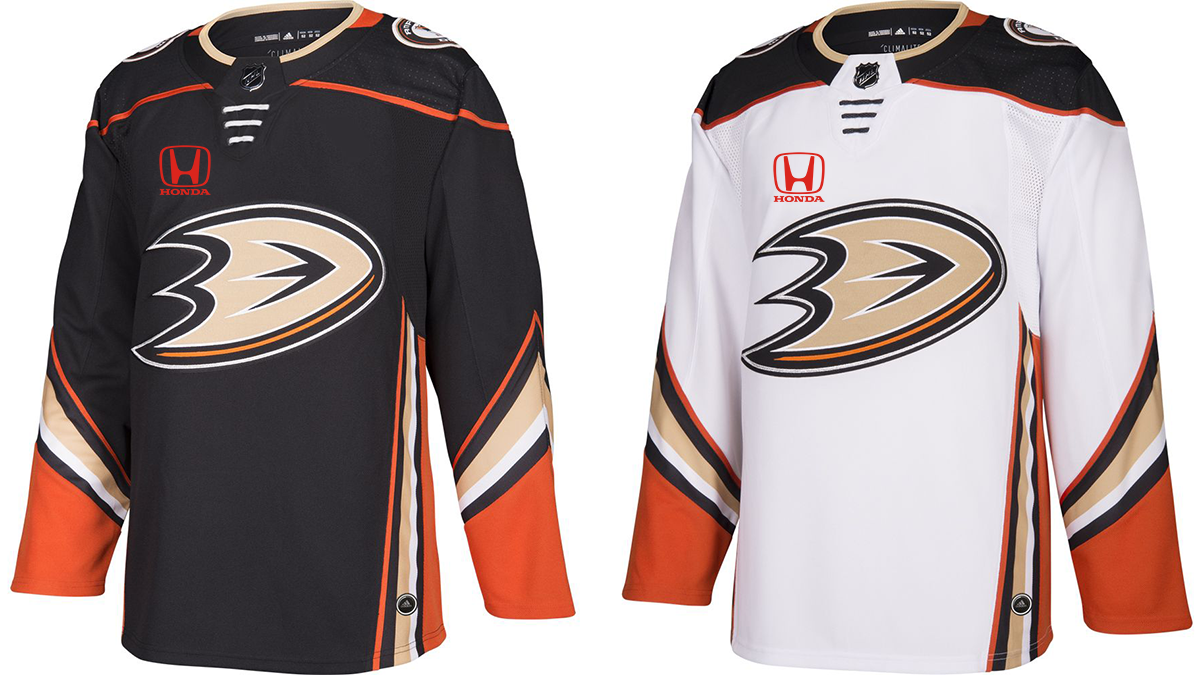
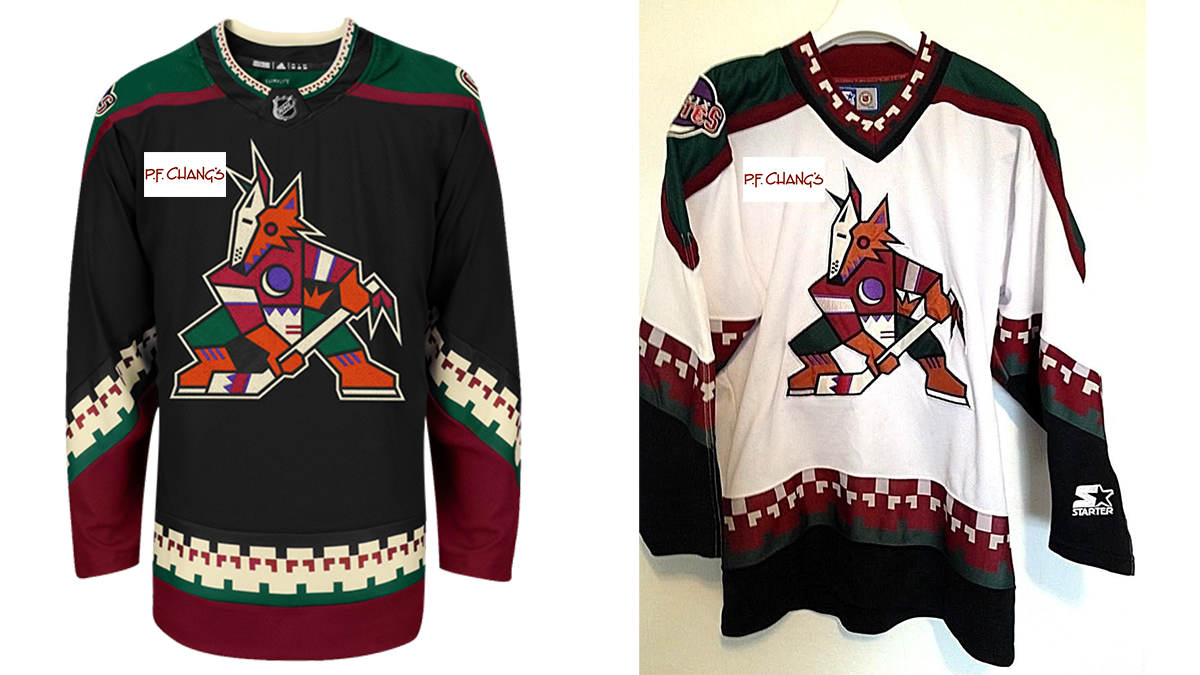
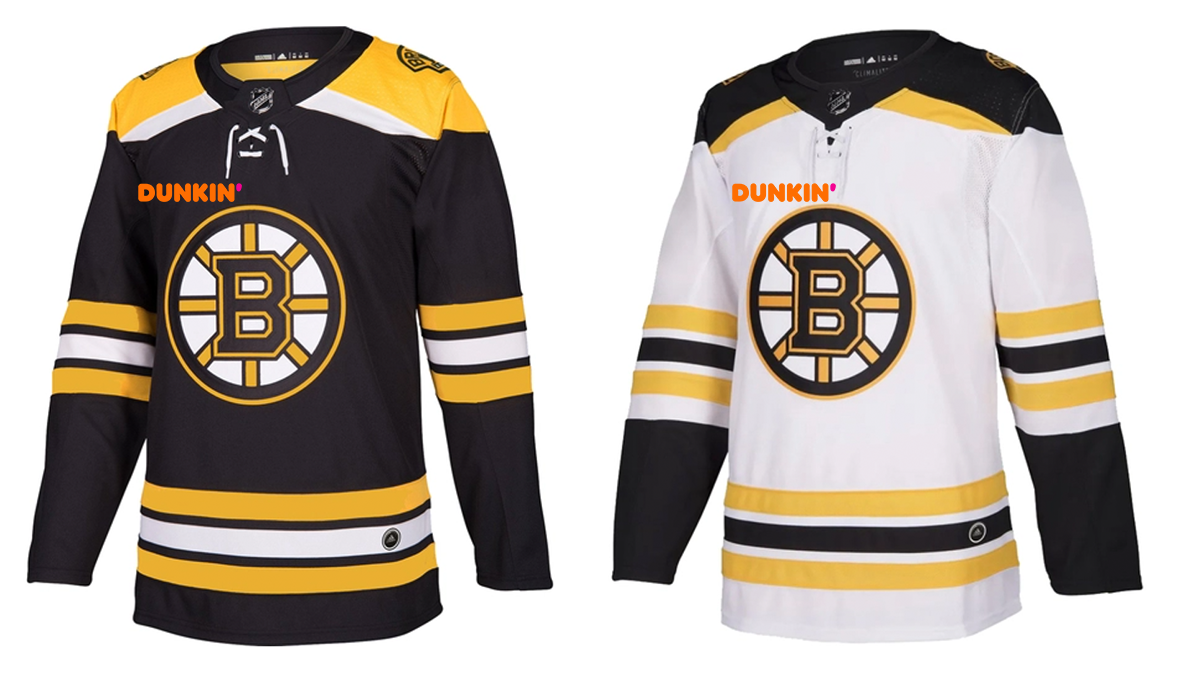

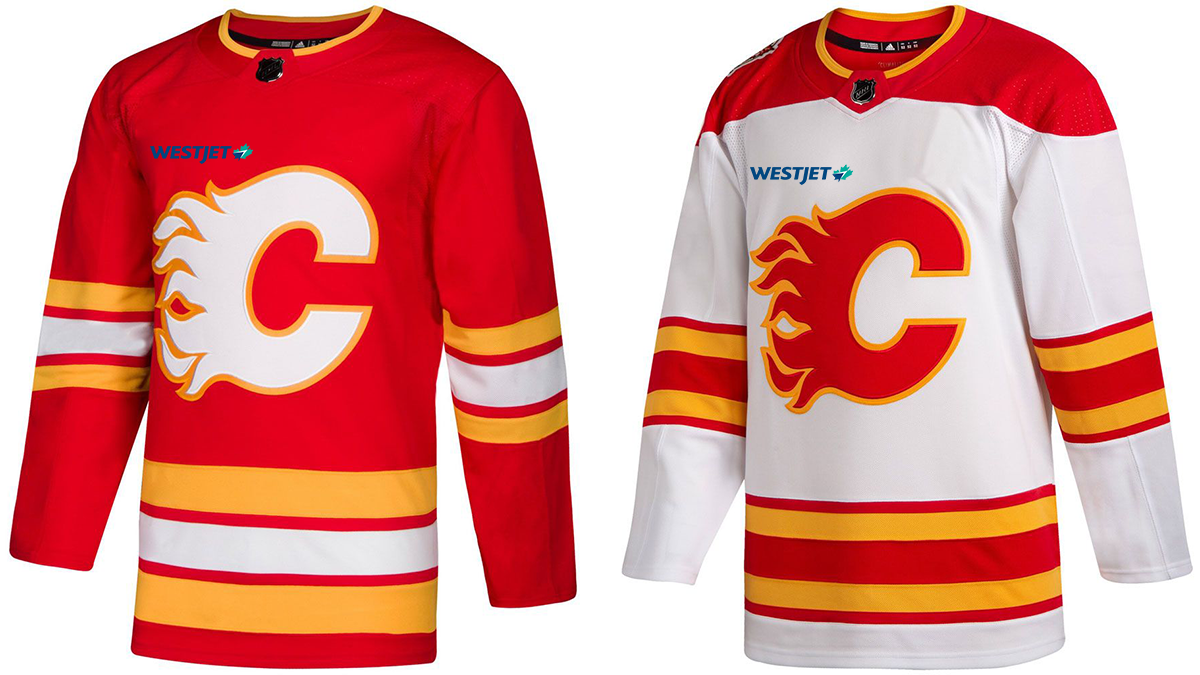
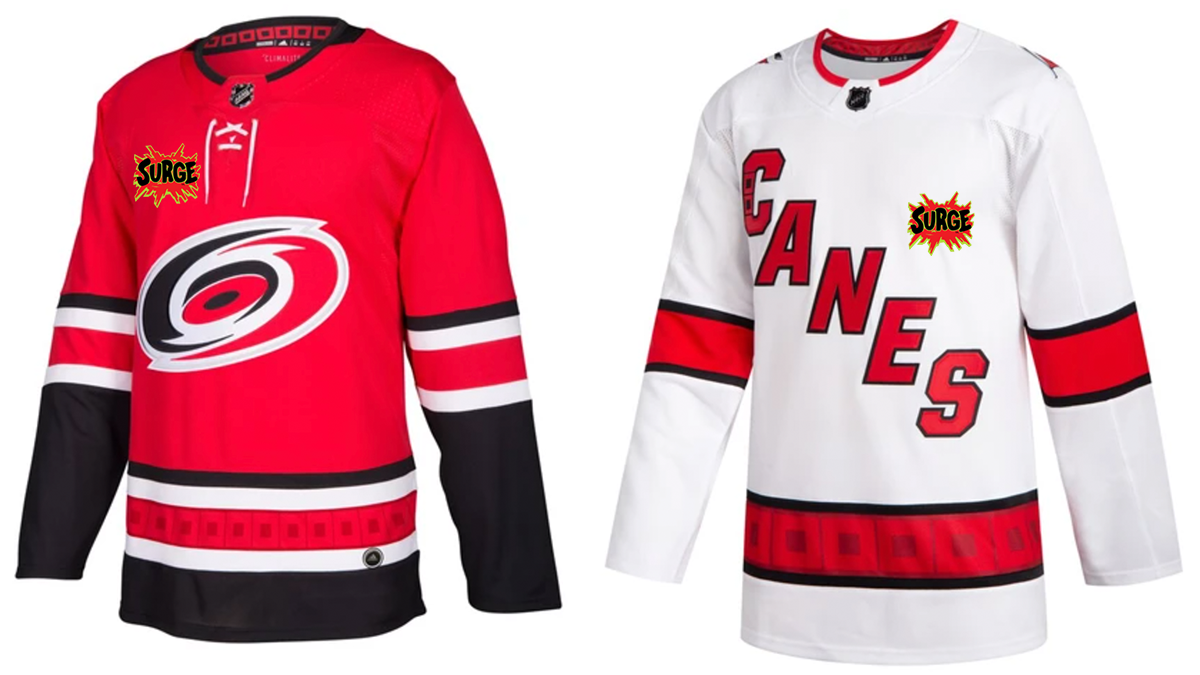
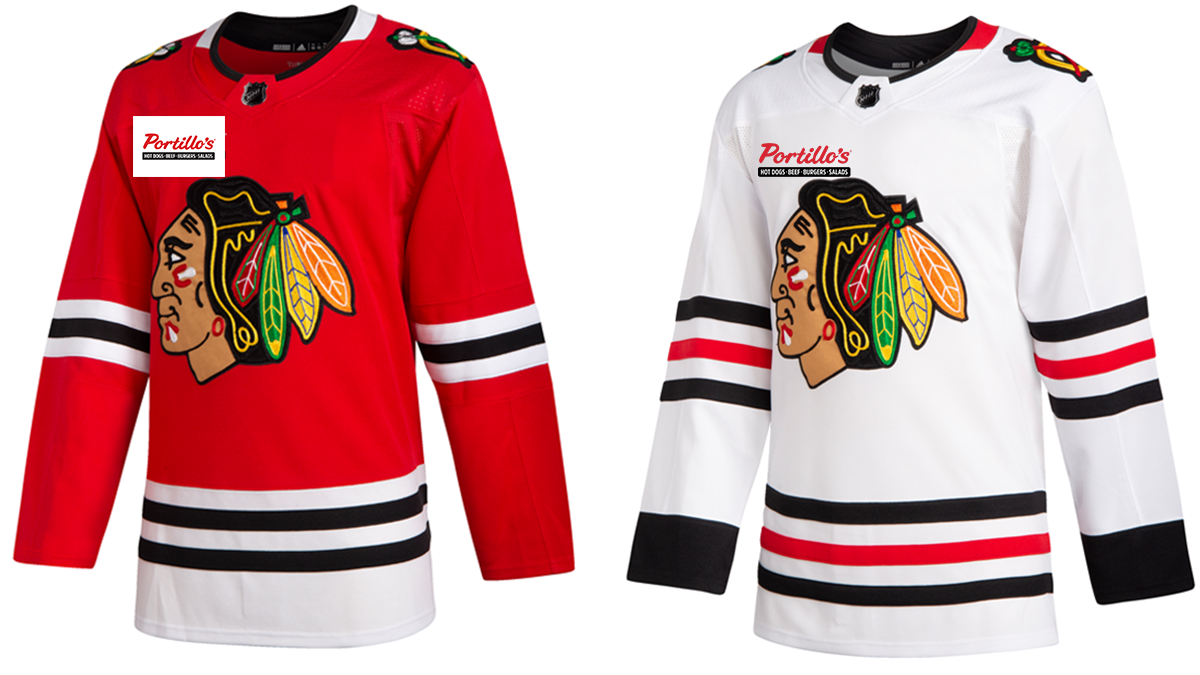


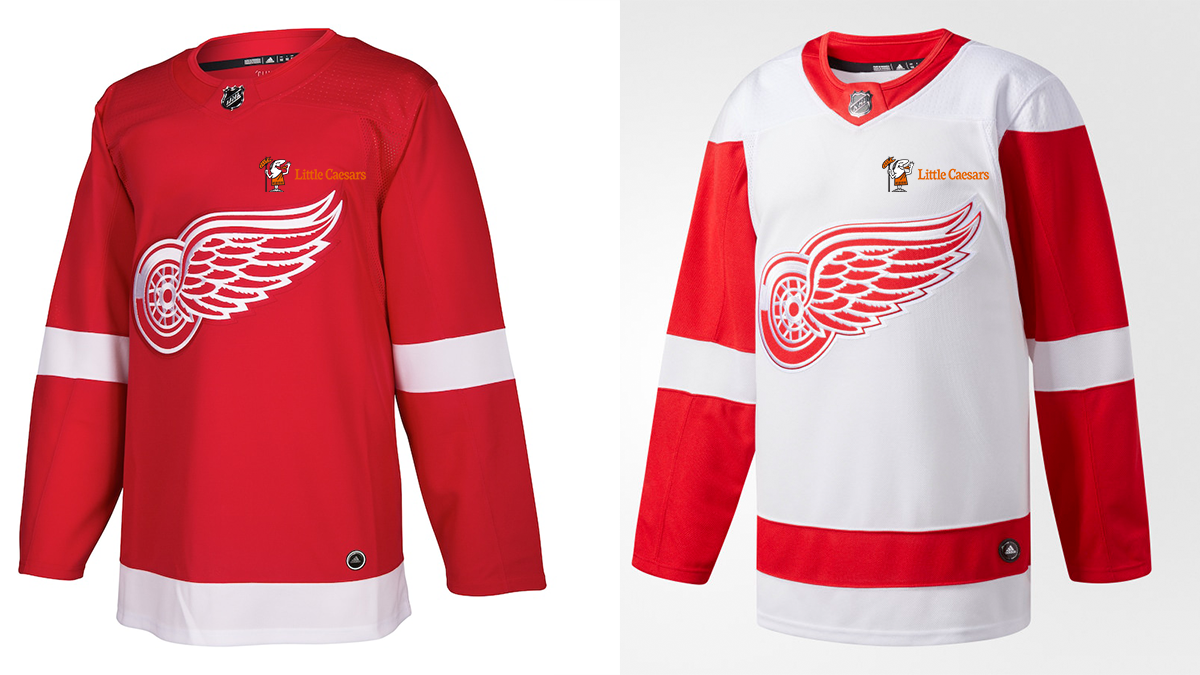


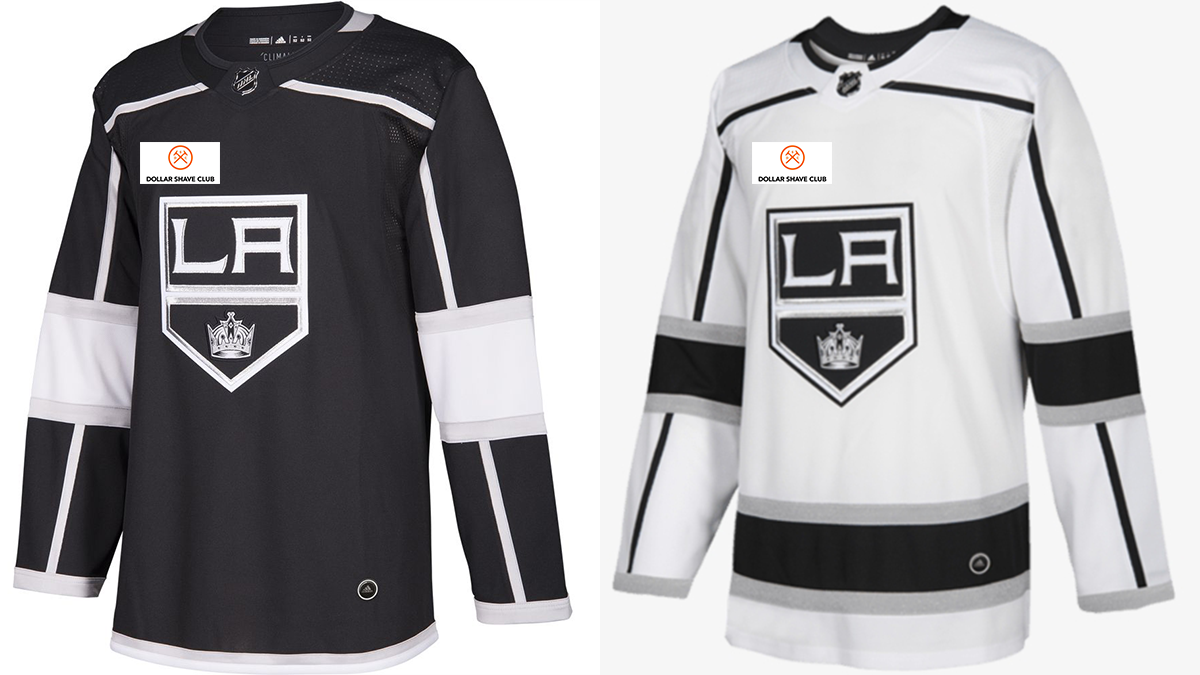
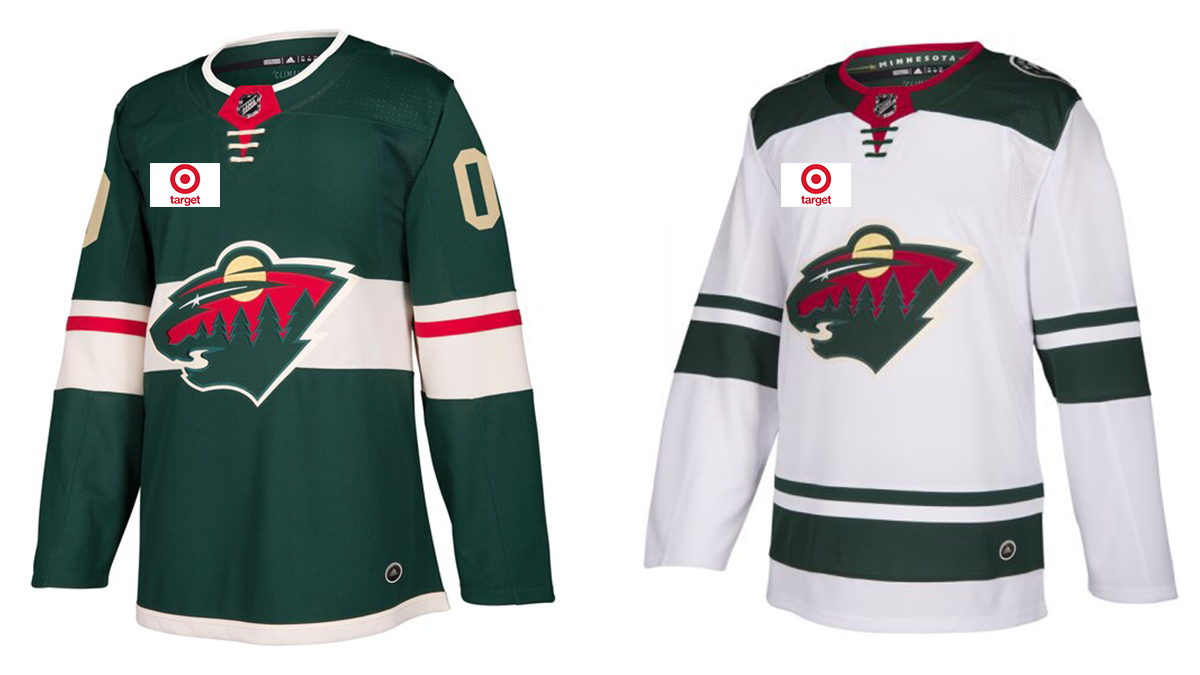

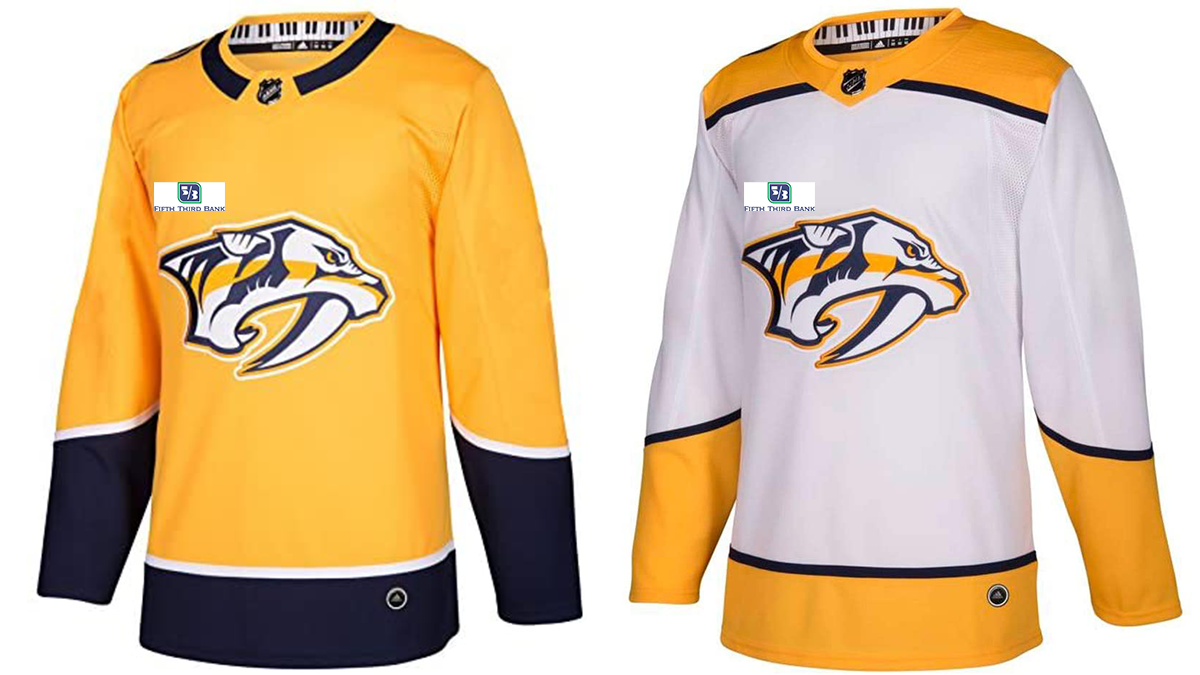
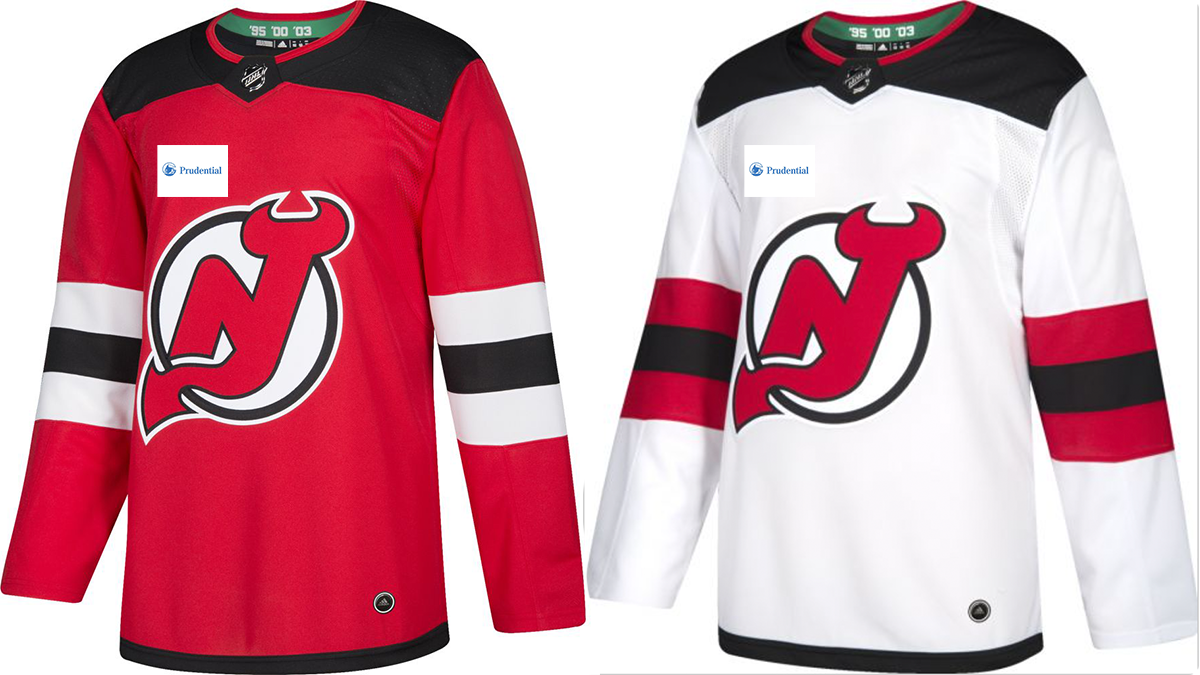


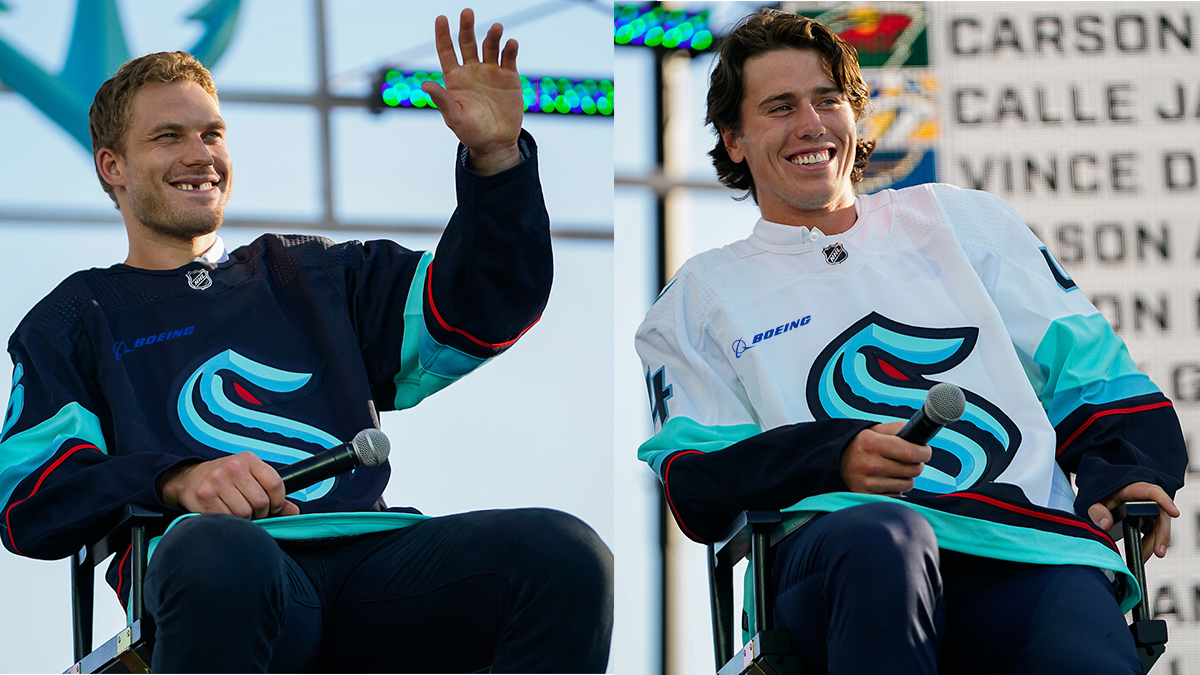

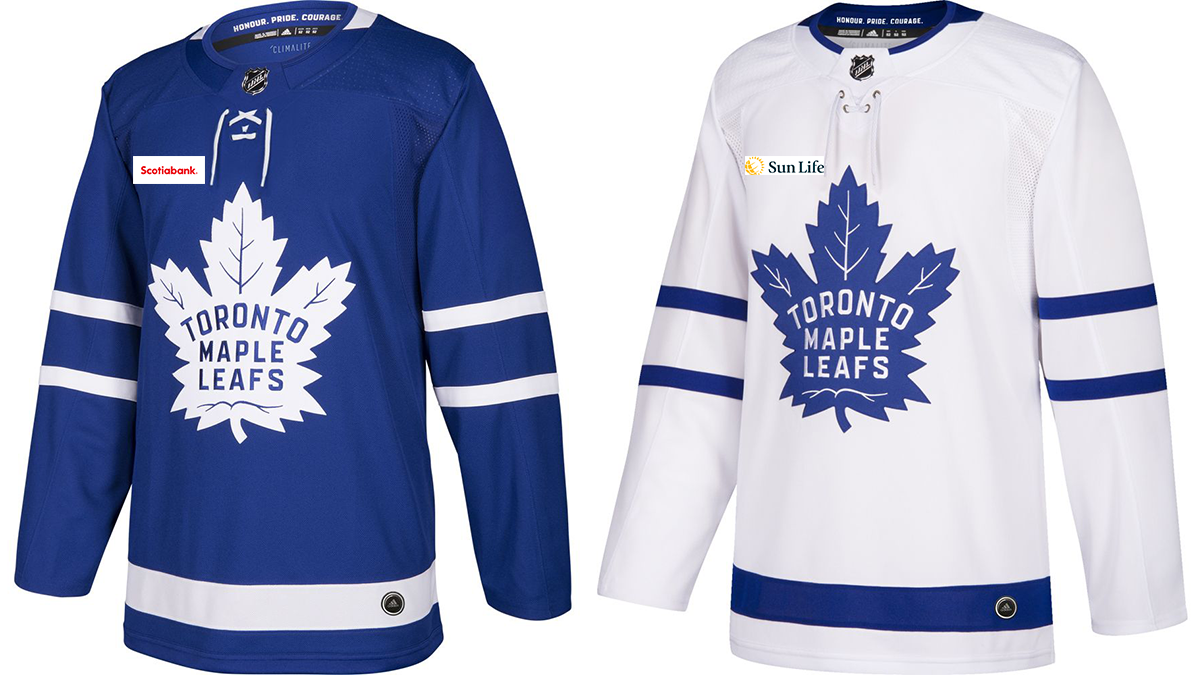
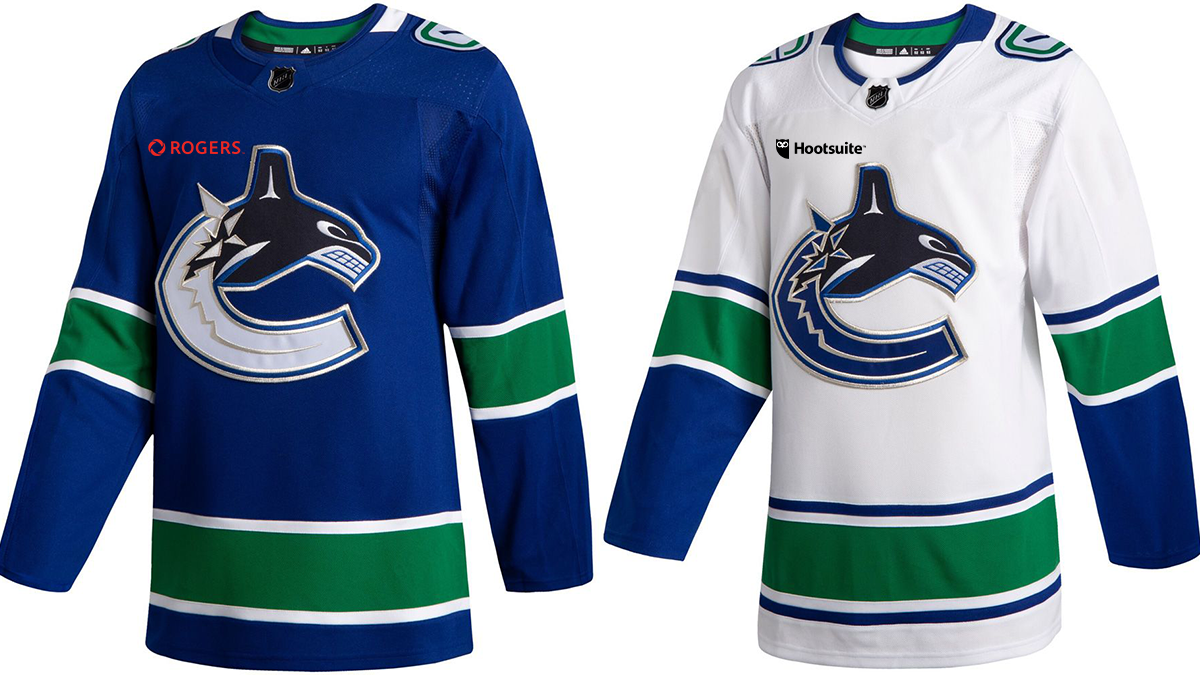
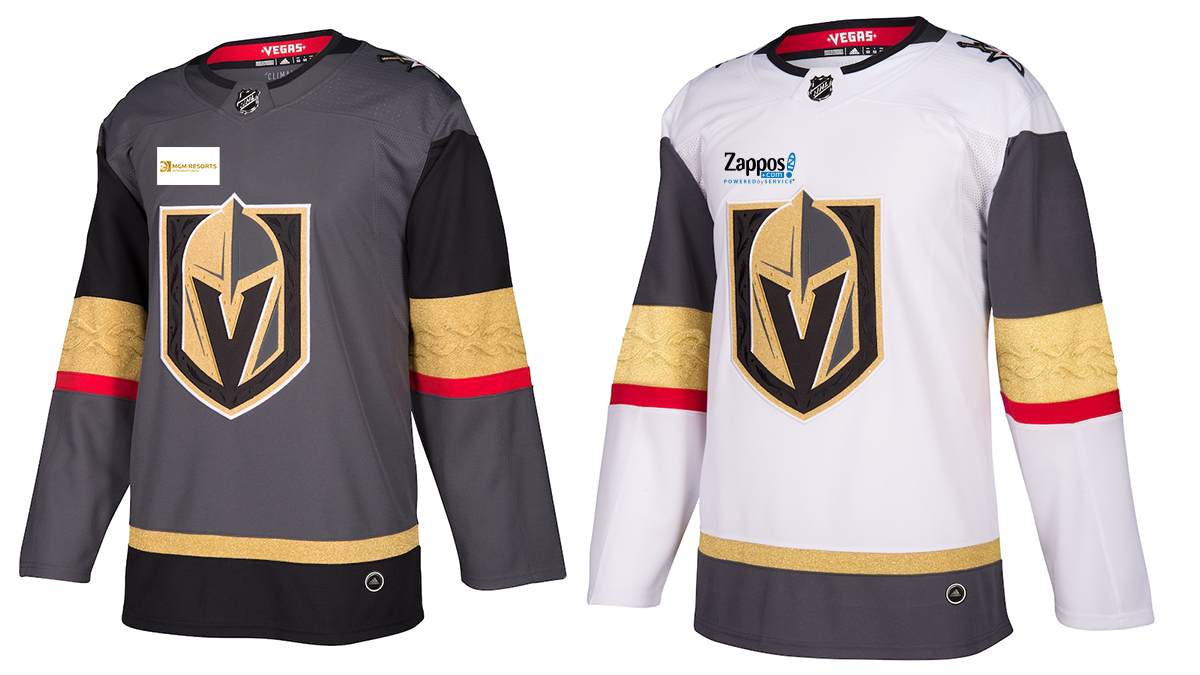




 Down the Frozen River
You must be logged in to post a comment.