Trevor Moore tied the game with about 30 seconds left in regulation to force overtime before Andreas Athanasiou intercepted a turnover in the extra frame and capitalized on a breakaway game-winner to lead the Los Angeles Kings over the Boston Bruins, 3-2, at TD Garden Monday night.
Cal Petersen (16-8-1, 2.60 goals-against average, .904 save percentage in 26 games played) made 30 saves on 32 shots against in the win for Los Angeles.
Boston goaltender, Linus Ullmark (17-9-2, 2.81 goals-against average, .907 save percentage in 29 games played), stopped 25 out of 28 shots faced in the overtime loss.
The Bruins dropped to 34-18-5 (73 points) on the season and remain 4th in the Atlantic Division, as well as in command of the first wild card spot in the Eastern Conference.
The Kings improved to 32-19-7 (71 points) on the season and trail the Calgary Flames by four points for the top spot in the Pacific Division.
Los Angeles is 2nd in their division, while Boston trails the Toronto Maple Leafs by three points for the final divisional playoff berth in the Atlantic.
The B’s finished their regular season series with the Kings 1-0-1 after winning, 7-0, in Los Angeles on Feb. 28th and losing, 3-2, in overtime Monday night in Boston.
Matt Grzelcyk (upper body) was a game-time decision and missed Monday night’s action, joining Jakub Zboril (right ACL) and Urho Vaakanainen (undisclosed) on Boston’s short list of players out of the lineup due to injury.
Bruins head coach, Bruce Cassidy, indicated to reporters ahead of the game that Vaakanainen is likely to return Thursday or Saturday.
With Grzelcyk out of the lineup, Jack Ahcan returned to the blue line, while Cassidy left his forward lines alone.
Ahcan fit right alongside Brandon Carlo on the second defensive pairing, while the rest of the defense saw no changes from Saturday night’s, 5-4, shootout win in Columbus to Monday night’s return to TD Garden.
Jesper Frödén and Anton Blidh served as Boston’s healthy scratches against the Kings.
Midway through the opening frame, Los Angeles defender, Mikey Anderson, tried to check Brad Marchand along the wall and paid the price of defensive awareness as Marchand absorbed the blow and made a reverse hit– rendering Anderson to the ice and clutching at his upper body as, presumably, he had the air knocked out of him at the very least.
Anderson skated off the ice with a little help from a Kings trainer and would not return to the night’s action with an upper body injury.
Moments later, Craig Smith won a footrace in Boston’s attacking zone and sent a shot that rebounded off of Petersen.
Charlie Coyle crashed the net and scooped up the loose puck before slidding a pass to Trent Frederic (4) for a one-timed redirection goal from the slot to give the Bruins a, 1-0, lead at 14:02 of the first period.
Coyle (16) and Smith (14) tallied the assists on Frederic’s goal as Boston’s third line continued its string of recent dominance.
The B’s didn’t hold onto the lead for long as the Kings evened things up 69 seconds after Frederic put Boston ahead.
Olli Määttä sent an errant pass to the slot off of David Pastrnak where Blake Lizotte (8) was in the right place at the right time to bury the rubber biscuit behind Ullmark– tying the game, 1-1, in the process.
Määttä (3) and Carl Grundström (4) notched the assists on Lizotte’s goal at 15:11 of the first period.
Entering the first intermission, the score was tied, 1-1, despite the Bruins holding an advantage in shots on goal, 12-11.
Early in the middle frame, Jake DeBrusk made no effort to stop on a drive to the net and crashed into Petersen with enough momentum to knock over the Los Angeles goaltender.
DeBrusk, as a result, cut a rut to the penalty box for goaltender interference at 6:00 of the second period– yielding the game’s first power play to the Kings.
Los Angeles’ power play was unable to convert on the ensuing skater advantage however.
Boston’s penalty kill stood tall once again when Mike Reilly was penalized for boarding at 10:49 as the Kings couldn’t muster anything past Ullmark on the resulting power play.
With less than a minute remaining in the second period, the Bruins won an offensive zone faceoff and worked the puck around the zone, whereby Coyle ended up with possession behind the goal line and brought it around the boards as Smith worked his way into the slot in front of the net.
Coyle setup Smith (11) for a catch and release goal on the glove side from the doorstep of Petersen’s crease– giving the Bruins a, 2-1, lead at 19:05 of the second period.
Coyle (17) and Reilly (10) had the assists on Smith’s goal as Boston carried a, 2-1, lead into the second intermission, as well as a, 20-17, advantage in shots on net.
Los Angeles, meanwhile, dominated in faceoff win percentage, 62-38, and went 0/2 on the power play heading into the final frame of regulation.
Boston got their first chance on the power play at 3:00 of the third period when Grundström sent the puck over the glass and out of play– yielding an automatic minor infraction for delay of game, but the Bruins’ power play went by the wayside.
With 2:10 remaining in the period, Kings head coach, Todd McLellan, pulled his goaltender for an extra attacker.
Los Angeles used their timeout after a stoppage in play with about 30.8 seconds left on the clock after Patrice Bergeron cleared the puck off the glass and out of play from his own zone.
The ensuing faceoff would take place in the Kings’ attacking zone and McLellan recognized an opportunity to draw up a last-ditch effort at evening the score.
Los Angeles won the faceoff and worked the rubber biscuit around the zone while Moore (10) cut to the net and cherry picked a deflection behind Ullmark to tie the game, 2-2, at 19:34 of the third period.
Arthur Kaliyev (9) and Sean Durzi (14) tallied the assists on Moore’s goal as the Kings forced overtime, while the Bruins gave up another goal in the final 30 seconds of any third period for the third time in their last four games.
At the horn, Derek Forbort exchanged pleasantries with Adrian Kempe, who, minutes earlier yanked down Charlie McAvoy away from the puck– much to the displeasure of McAvoy’s teammates– as the two players raced to the endboards in anticipation of a play.
Forbort and Kempe each received a pair of roughing minors at 20:00 of the third period– rending the two players out for the majority of the overtime action, should it take that long.
It didn’t take that long.
After 60 minutes of action, the Bruins and Kings were tied, 2-2, on the scoreboard despite Boston leading in shots on goal, 31-26, including an, 11-9, advantage in the third period.
As there were no penalties called in overtime, Los Angeles finished 0/2 on the power play, while Boston went 0/1.
McLellan sent out Anze Kopitar, Drew Doughty and Moore to start the extra frame, while Cassidy countered with Coyle, DeBrusk and McAvoy.
Each team went through one or two shifts as both teams were in the midst of a change when Athanasiou intercepted a pass attempt from Coyle while the Bruins forward tried a spin-o-rama backhand pass back to one of his teammates in Boston’s attacking zone.
Athanasiou (8) broke free and rushed up the ice on a breakaway and elevated a shot high into the twine behind Ullmark for an unassisted game-winning goal to give Los Angeles a, 3-2, overtime win at 1:53 of the extra period.
The Bruins finished the night leading in shots on goal, 32-28, despite being outshot by the Kings, 2-1, in overtime alone.
Los Angeles left the building with two points in the win column and the advantage in blocked shots (19-12), giveaways (12-9), hits (35-29) and faceoff win% (58-42).
The Kings improved to 5-5 in overtime this season (7-7 past regulation), while the B’s fell to 4-3 in overtime and 6-5 overall after 60 minutes.
Boston also fell to 24-7-2 (10-4-1 at home) when scoring first, 8-5-2 (3-3-1 at home) when tied after one period and 23-1-3 (8-1-1 at home) when leading after the second period this season.
Los Angeles improved to 15-13-4 (9-4-3 on the road) when allowing the game’s first goal, 17-7-5 (8-3-3 on the road) when tied after the first period and 6-13-2 (4-5-1 on the road) when trailing after two periods in 2021-22.
The Bruins host Chicago on Thursday before the Arizona Coyotes pay a visit to the Hub on Saturday.
Boston hits the road for four games beginning on March 15th in Chicago and making their way through Minnesota, Winnipeg and Montréal before returning to TD Garden on March 24th.
Jake DeBrusk scored his first career National Hockey League hat trick to kick things off on a four-point night (three goals, one assist), while Jeremy Swayman made 34 saves en route to his third shutout of the season as the Boston Bruins beat the Los Angeles Kings, 7-0, Monday night at Crypto.com Arena.
Swayman (13-7-3, 1.95 goals-against average, .929 save percentage in 24 games played) turned aside all 34 shots that he faced for his fifth career shutout in the win for Boston.
Los Angeles netminder, Jonathan Quick (14-11-6, 2.67 goals-against average, .909 save percentage in 31 games played) made 14 saves on 19 shots against in 32:40 time on ice before he was replaced by Cal Petersen in the loss.
Petersen (14-7-1, 2.68 goals-against average, .898 save percentage in 23 games played) stopped 11 out of 13 shots faced in relief of Quick for no decision.
The Bruins improved to 32-17-4 (68 points) on the season and remain 4th in the Atlantic Division, while in control of the first wild card spot in the Eastern Conference.
The Kings fell to 29-18-7 (65 points) overall and remain 2nd in the Pacific Division.
The B’s visited Los Angeles for the first time since the 2018-19 season (4-2 loss on Feb. 16, 2019) due to the ongoing COVID-19 pandemic, which also marked the first time Boston faced the Kings in general since the 2019-20 season (4-3 overtime loss on Dec. 17, 2019 at TD Garden).
Bruins head coach, Bruce Cassidy, made no changes to his lineup from Saturday night’s, 3-1, win in San Jose to Monday night’s action in Los Angeles.
As a result, Anton Blidh and Jack Ahcan remained healthy scratches for Boston, while Jakub Zboril (right ACL), Urho Vaakanainen (undisclosed) and Curtis Lazar (upper body) were out of the lineup due to injury.
After a quick entry into the attacking zone for the Kings, Brad Marchand took a hit to move the puck to DeBrusk as the Bruins forward made his way through the neutral zone with speed on the first rush of the game for Boston.
DeBrusk (12) flung a shot on net off of Quick’s glove side and into the twine to give the B’s a, 1-0, lead at 1:01 of the first period– extending his point streak to five games in the process.
By the end of the night, No. 74 in black and gold would amass seven goals and two assists (nine points) in his last five games.
Marchand (30) and Patrice Bergeron (25) tallied the assists on DeBrusk’s first goal of the night– giving Marchand six straight seasons with at least 30 assists in the process on Boston’s first shot of the game.
Midway through the opening frame, DeBrusk (13) sent an indirect catch and release shot from the slot off of Quick’s glove side and into the twine (again) for an unassisted goal that gave the Bruins a, 2-0, lead at 13:37 of the first period.
DeBrusk’s second goal of the game put him in sole possession of fourth places in goals scored this season on Boston’s roster, trailing David Pastrnak (28), Marchand (23) and Bergeron (15).
Less than a couple minutes later, Trent Frederic expressed frustrations with Brendan Lemieux in the exchange of fisticuffs at 15:12 and the two players received five-minute majors for fighting– sending each player to the dressing room early for the first intermission in the 17th fight this season for Boston.
A few minutes later, Blake Lizotte tripped Mike Reilly and presented the Bruins with their first power play of the night at 18:16, but Boston failed to convert on the resulting skater advantage.
Heading into the first intermission, the Bruins led, 2-0, on the scoreboard and, 12-9, in shots on goal.
Boston also held the advantage in blocked shots (7-3) and hits (17-13), while Los Angeles led in giveaways (2-1) and faceoff win percentage (59-41).
The Kings had yet to see time on the skater advantage, while the Bruins were 0/1 on the power play.
DeBrusk (14) got things going again early in the middle frame as he deflected a shot from Bergeron just under the crossbar to give Boston a three-goal lead.
The call on the ice stood as the goal was reviewed but could not be conclusively overturned and DeBrusk earned his first career hat trick– a natural hat trick at that– in the process, while Bergeron (26) and Charlie McAvoy (26) tallied the assists 53 seconds into the second period.
McAvoy’s secondary assist gave him a new career-high in points in a season– surpassing his previous high (32 points) set in 2017-18 and 2019-20.
DeBrusk’s hat trick marked the first hat trick for Boston since Pastrnak recorded a hat trick in a, 3-2, win against the Philadelphia Flyers on Jan. 13th earlier this season.
Moments later, Jesper Frödén cut a rut to the penalty box for holding at 2:23 and Derek Forbort tripped Viktor Arvidsson at 3:02 of the second period– presenting Los Angeles with a 5-on-3 power play for 1:22 before an abbreviated 5-on-4 power play in the remainder.
The Kings, however, couldn’t convert on the skater advantage.
Midway through the period, Sean Durzi was assessed a holding infraction at 11:34.
It didn’t take Boston long to convert on the ensuing power play as Bergeron won the faceoff and the puck worked its way back to the point where Pastrnak unloaded on a blast that Bergeron (15) tipped in front of the net to give the Bruins a, 4-0, lead at 11:40 of the second period.
Pastrnak (24) and Marchand (31) had the assists on Bergeron’s power-play goal as the B’s extended their lead to four goals.
A mere 62 seconds later, Pastrnak sent Taylor Hall (12) through center ice into the attacking zone on his off-wing before riffling a shot from the faceoff dot under Quick’s blocker into the far side of the net.
Pastrnak (25) and McAvoy (27) notched the assists on the goal as the Bruins took a, 5-0, lead at 12:42 of the second period at which point the Kings swapped goaltenders.
Quick left the ice and Petersen strolled over into the crease to hold the fort down for the remainder of the second period, though he would give up a pair of goals in the final frame.
Through 40 minutes of action, Boston led, 5-0, on the scoreboard and, 23-21, in shots on goal, despite trailing Los Angeles in shots on net in the second period alone, 12-11.
The Bruins held the advantage in blocked shots (9-8) and faceoff win% (52-48), while the Kings led in giveaways (5-3).
Both teams had one takeaway each and recorded 23 hits aside, while Los Angeles was 0/2 on the power play and Boston was 1/2 heading into the third period.
Drew Doughty slashed Marchand at 8:12 of the third period and the Bruins cashed in on the resulting power play with one second to spare.
Erik Haula (6) notched his 100th career NHL goal on a shot pass redirection goal from the doorstep courtesy of Charlie Coyle, who recorded his 200th career NHL assist in the process.
Acutally, both Coyle (14) and Craig Smith (13) recorded their 200th career NHL assists on Haula’s 100th career goal in a strange aligning of the universe on one play as the B’s took a, 6-0, lead courtesy of Haula’s power-play goal at 10:11 of the third period.
A few minutes later, Haula (7) scored his second goal of the game on yet another quick shot from the slot as DeBrusk sent the puck to Hall before Hall feigned a give-and-go opportunity for a clearer passing lane to Haula in front of the net.
Hall (27) and DeBrusk (10) tallied the assists as the Bruins took a, 7-0, lead at 13:39 of the third period– marking DeBrusk’s first career four-point night on Haula’s first multi-goal game in a Boston uniform.
There were no more goals and no penalties after Haula scored his second of the game as the Bruins cruised to a, 7-0, shutout in their largest margin of victory this season– scoring seven goals for just the second time this year (previous, 7-3, win on Jan. 10th in Washington, D.C.), while Swayman turned aside every shot he faced.
Boston left Crypto.com Arena with the, 7-0, win despite finishing the night trailing in shots on goal, 34-32, as Los Angeles rallied to a, 13-9, advantage in shots on net in the third period alone.
The Kings left their own ice leading in blocked shots (13-12) and giveaways (9-4), while the Bruins finished the night leading in hits (33-30).
Both teams wrapped up Monday night’s action, 50-50, in faceoff win%, while Los Angeles went 0/2 and Boston went 2/3 on the power play.
The Bruins improved to 22-7-1 (12-3-1 on the road) when scoring first, 20-2-1 (11-1-1 on the road) when leading after the first period and 22-1-2 (14-0-2 on the road) when leading after two periods this season.
The Kings fell to 14-13-4 (6-9-1 at home) when allowing the game’s first goal, 6-10-2 (1-7-0 at home) when trailing after one and 4-12-2 (2-8-1 at home) when trailing through the second period in 2021-22.
The Bruins visit the Anaheim Ducks Tuesday night to close out the month of February as their six-game road trip continues (3-0-0).
Boston kicks off March Thursday night in Vegas and wraps up their road trip in Columbus Saturday before returning home to host the Kings next Monday.
Additions: F Viktor Arvidsson (acquired from NSH), F Brayden Burke (acquired from ARI), F Phillip Danault, F T.J. Tynan, D Alexander Edler, G Garret Sparks
Subtractions: F Michael Eyssimont (signed with WPG), F Bokondji Imama (traded to ARI), F Matt Luff (signed with NSH), F Tyler Steenburgen (acquired from ARI, signed Liiga), D Mark Alt (signed with San Jose Barracuda, AHL), D Daniel Brickley (signed with Chicago Wolves, AHL), D Cole Hults (traded to ARI), D Kurtis MacDermid (expansion, SEA), G Troy Grosenick (signed with BOS)
Still Unsigned: F Drake Rymsha
Re-signed: F Lias Andersson, F Andreas Athanasiou, F Blake Lizotte, F Trevor Moore, D Kale Clague, D Jacob Moverare, D Austin Strand, D Christian Wolanin
Offseason Analysis: The Kings looked competitive and ahead of schedule, but couldn’t carry the momentum down the stretch and make a surprise appearance in the playoff hunt.
Los Angeles has a great pool of prospects and Quinton Byfield is shaping up to make an impact in his first full season, while General Manager, Rob Blake, was tasked with finding the right fit for a few pieces in the offseason that very well might put the Kings over the edge and back into Stanley Cup Playoff contention.
In a few years, they might be trending down the path of a Cup contender instead of going through a long, strenuous, rebuild.
Despite Anze Kopitar’s $10.000 million cap hit (which runs through 2023-24) and Drew Doughty’s $11.500 million cap hit (which expires after the 2026-27 season), Los Angeles was able to add without subtracting and could salvage the remnants of Jonathan Quick and Dustin Brown from the Kings’ glory days to their current days while Cal Petersen continues to emerge in the crease.
The addition of Alexander Edler on a one-year, $3.500 million contract brings some stability to the blue line and valuable experience to leave an impression on the younger defenders, like Michael Anderson and Tobias Björnfot.
Edler’s presence and shot blocking capabilities should also prove vital in shaping how guys like Olli Määttä, Matt Roy, Sean Walker and Christian Wolanin– already in their defensive primes– compete with each other for their jobs and evolve.
But Edler alone wasn’t the biggest move that Blake made in the offseason.
Sure, there’s the Viktor Arvidsson trade that brings the 28-year-old winger to Los Angeles after breaking into the league with the Nashville Predators in the 2014-15 season and scoring 10-15–25 totals in 50 games in 2020-21 with the Preds, but Blake went a step further and found the answer to a hole down the middle.
The Kings signed Phillip Danault to a six-year contract worth $5.500 million per season, bringing the 28-year-old Victoriaville, Québec native to Los Angeles’ second line for a good stretch of his prime.
Though his production was down from 47 points (13 goals, 34 assists) in 71 games with the Montréal Canadiens in 2019-20 to 5-19–24 totals in 53 games with the Habs in 2020-21, Danault has reached 40 or more points in three out of his last five seasons with varying degrees of talent around him.
Now in Los Angeles, Danault could suit up between guys like Alex Iafallo, Arvidsson, Adrian Kempe or Brown– bringing a balance of youth, speed, experience and playmaking abilities to go with the scoring prowess of any of the aforementioned wingers.
Arvidsson and Danault bring more of a two-way, contemporary, game that aligns well with Kopitar’s two-time Frank J. Selke Trophy winning style
Brown recorded 17 goals in 49 games last season, while Iafallo had 13 goals in 55 games and Kempe notched 14 goals in 56 games. There’s no reason to believe that all three players can’t reach the 20-goal plateau in a full 82-game schedule.
But for all the improvements made among their skaters, the Kings might continue to encounter some growing pains in net as Petersen continues to make his mark on the league as a starting goaltender, while Quick’s dominant days wane in the twilight of his career.
Petersen went 9-18-5 in 35 games last season and had a 2.89 goals-against average, as well as a .911 save percentage in that span.
Through 54 games at the NHL level, Petersen has a career 2.79 goals-against average and a career .916 save percentage and only one shutout.
For comparison’s sake, Quick has a 2.81 goals-against average in his last two seasons combined (64 appearances), but a .902 save percentage in that span.
Quick was Los Angeles’ starter in 2019-20 and had a 16-22-4 record in 42 games played with a 2.79 goals-against average and a .904 save percentage in that span, as well as one shutout.
Last season, Quick went 11-9-2 in 22 games and recorded two shutouts to go along with his 2.86 goals-against average and an .898 save percentage.
For all the promise that Petersen showed in his collegiate days at Notre Dame, he’s yet to make the transition to the professional game and as the years go by, so does his chance at emerging in the average goaltending prime.
If Los Angeles is to make the playoffs next season, Petersen will need to improve.
If the Kings falter, Petersen still has a chance at redeeming himself, though he won’t see much of a pay raise next offseason– but he could still be a late bloomer and sign a short-term bridge extension, awaiting a larger payday after sustained success and better numbers at the NHL level.
This is where it’s important to note that Petersen is a pending-unrestricted free agent come July 1, 2022, while Quick’s contract expires after the 2022-23 season.
If winning with the remnants of their 2012 and 2014 Stanley Cup championship core is important to the Kings, then winning again sooner rather than later is paramount.
Offseason Grade:A-
The Danault signing alone is an exceptionally good contract for a player that could really come into his own with the depth and talent of the Kings around him.
Blake’s given Todd McLellan some better pieces to work with– now it’s up to Los Angeles’ head coach to find the right chemistry among his players to get them back into the hunt.
The return of the usual division alignments for 2021-22 is a welcome sign for the Kings’ chances of making the playoffs in 2022, as they should be better than their counterparts in California, as well as the rebuilding Arizona Coyotes and stagnant teams north of the border in Vancouver and Calgary.
Now as for how far things will go? Well, that depends on if they make the playoffs first and whether or not Los Angeles lucks out having to face a relatively inexperienced team in the postseason.
Apparently the National Hockey League’s Board of Governors were up to something this month as it was reported by Sportico on Tuesday that the Board unanimously approved ads on the front of NHL jerseys beginning with the 2022-23 season.
The ads will be no bigger than a 3-inch-by-3.5-inch rectangle, which is slightly larger than the ads featured on the front of National Basketball Association (NBA) jerseys.
It was only a matter of time before the NHL followed the NBA in generating additional revenue by doing what professional hockey leagues outside of North America have been doing for many years, as well as what’s been done for at least a few seasons now in the American Hockey League (AHL) and ECHL minor league levels on this side of the pond.
As always, hockey Twitter is taking the news well.
Let’s embrace the chaos for a moment and pick some sponsors for all 32 NHL teams that would make so much sense they’ll obviously be overlooked for, well, actual revenue generating streams instead.
Anaheim Ducks
What we want: Disney+ or TCL
What we’ll get: Honda
The Ducks play at Honda Center and, yeah, there’s really nothing besides Disney swooping in and sponsoring the team that they used to own as a means of cross promoting both the Ducks and The Mighty Ducks: Game Changers on Disney+, so we’re stuck with a Honda logo at center ice and on the front of Anaheim’s jerseys.
In any case, Honda’s red logo works pretty well with the Orange County orange featured as an accent color on Anaheim’s home and road jerseys.
NHL teams have a tendency to go back to the well with their partners– think of how many teams have either the same helmet sponsor as another team or just slapped on the same brand as their venue’s naming rights deal– but if we want to expand the playground a little bit perhaps TCL could be of interest for the Ducks.
Come to think of it, that’s probably a better option.
*Opens up Photoshop*
Arizona Coyotes
What we want: P.F. Chang’s or Cold Stone Creamery
What we’ll get: Fry’s or something, probably
Believe it or not the Los Angeles Chargers won’t be the only team tweeting about P.F. Chang’s for long as the restaurant chain was founded in 1993, and opened their first location in Scottsdale, Arizona, so it only makes sense to go back to their roots and toss an ad on the Coyotes’ jersey.
Also founded in Arizona– Cold Stone Creamery.
We figured that’d probably make sense on an AHL team’s jersey, though, despite the obvious cold ice, cold ice cream connection.
The Coyotes had Mountain America on their helmets at home and Dignity Health on their road helmets in 2020-21, so in reality we’ll probably get one of those two on the front of their jerseys in 2022-23.
Boston Bruins
What we want: Dunkin’ or bust
What we’ll get: TD Bank or O.R.G. Packaging, probably
What could possibly be more Boston than a Bruins jersey with a Dunkin’ logo on it?
Their AHL affiliate– the Providence Bruins– already play in the Dunkin’ Donuts Center in Rhode Island and have a Dunkin’ ad patch on their jerseys. Why not call it up to the major league?
That said, with some NBA teams earning up to about $20 million in jersey ad space revenue, the B’s likely will reach for a brand with deeper pockets than doughnuts and coffee.
Delaware North likes their relationship with a certain bank from Toronto (TD Bank) and has had one of the league’s longest relationships with a Chinese company (O.R.G. Packaging) as part of the NHL’s intended growth beyond the continents of North America and Europe, so one of the two brands is more likely to appear on a Bruins jersey.
Buffalo Sabres
What we want: Super Chexx
What we’ll get: KeyBank
The Sabres could use some fun in their lives these days and you know what really helps put the mind at ease? Bubble hockey.
That’s right, Innovative Concepts in Entertainment, Inc. (ICE)– the manufacturers of the popular bar and arcade classic, Super Chexx, that your rich friend down the street growing up also had in the comforts of their home– is based outside Buffalo and would be a match made in heaven right about now.
Especially as Sabres fans are looking for something to do while the game’s on TV.
So yeah, we’re definitely going to get KeyBank, Tim Horton’s or something else entirely instead.
Calgary Flames
What we want: WestJet or Duraflame
What we’ll get: Scotiabank
If you, as an American, can name any other Canadian airline other than Air Canada, then congratulations. If you can’t, then may I introduce you to WestJet?
WestJet’s headquarters are next to Calgary International Airport and it’d be nice to prove to the world that Canada is more than just a land of Tim Horton’s, Roots, Canadian Tire, Rogers, Scotiabank and Mr. Sub.
If Duraflame isn’t available, then you might as well dip into the low-cost airline industry as a means of attracting tourists to Banff National Park, Calgary Stampede or whatever it is that sets Calgary apart from the rest of Alberta (so… not being Edmonton).
Carolina Hurricanes
What we want: Surge
What we’ll get: PNC, Diehard, maybe Cheerwine or something else
This should be obvious, but if you haven’t paid attention to the Hurricanes for at least the last few seasons now they do a “Storm Surge” celebration after every win on home ice in the regular season (and sometimes playoffs).
Surge (the soda) is one of those drinks that makes headlines every few years for being pulled straight out of the vault and placed back on grocery store shelves– speaking of which, does anyone know if it’s currently available?
If not, it’ll definitely be back by the 2022-23 season.
Yes, it’s hard to envision where an ad will be placed on the road jersey as the prime real estate is used up by the diagonal “CANES” letters and– for a few players– the captain’s “C” or alternate captain’s “A”.
Chicago
What we want: Portillo’s
What we’ll get: United
Look, between Walgreens, Sears and Portillo’s there’s a few legendary brands that Chicago could partner with as their first jersey ad in franchise history (not including practice jerseys).
Obviously only one of the three mentioned above is the right choice and its the one that might lead you to Walgreens later if you have a weak stomach. Besides, Sears is fading from our collective memory whether it is out of business already or not.
Clark Griswold would be proud of Portillo’s proudly being displayed on a, well, if a WHL team can rebrand, so can you, Chicago.
Colorado Avalanche
What we want: Chipotle or Coors
What we’ll get: Ball
Look, whether or not Nathan MacKinnon eats Chipotle is a debate for another day, but one thing’s for sure– both Chipotle and MacKinnon started their careers in Colorado.
Though Coors or Coors Light would make more sense, we have to consider the fact that kids might be wearing these jerseys to the game and we haven’t heard whether or not the jerseys that are sold in the proshops in 2022-23 and beyond will include the front jersey ad or not.
If they do, then we probably can’t market beer to children.
I’m pretty sure there’s a law about that and it’s also the reason why all my 1:64 scale diecast Rusty Wallace and Dale Earnhardt, Jr. cars from when I was a kid said “Team Rusty” and “Dale Jr.” on them, respectively, instead of Miller Lite and Budweiser.
Columbus Blue Jackets
What we want: Wendy’s
What we’ll get: Nationwide
Coinciding with the uptick in Columbus born and raised players on the Blue Jackets roster, it would be a great idea to add Wendy’s– which was founded in Columbus in 1969– to the team in such a way that perhaps Jack Roslovic and Sean Kuraly star in local commercials to the Blue Jackets viewing area during the 2022-23 season.
I know that’s assuming Roslovic signs an extension, but the pending-restricted free agent at the end of the 2021-22 season helped facilitate the Pierre-Luc Dubois for Patrik Laine trade with the Winnipeg Jets by forcing Winnipeg into trading him to his hometown team.
Unlike several recent stars that left the city via free agency, Roslovic will stick around for the long term.
Especially if there’s some goods in kind involved with a Wendy’s sponsorship. I mean, I would at least.
Dallas Stars
What we want: Whataburger
What we’ll get: AT&T
Though Whataburger would be a welcome party in the burger wars when Columbus and Dallas would “meat” up, there’s no beef to be found in this hypothetical because AT&T has already made that decision for us.
Sometimes you just can’t think too hyperlocal and AT&T fetches a more national audience than a regional chain that primarily serves Texas.
Besides, if you go to Dallas for a Stars game, you can always just get Whataburger then. It’s not like they’re going to send you a meal with a jersey if ads are on the jerseys sold to fans in 2022-23.
Detroit Red Wings
What we want: Little Caesars
What we’ll get: Little Caesars
The last few teams have all involved food and we’re going to be stuck on this theme for at least one more team after this.
Both the Red Wings and Little Caesars are owned by the Ilitch family and if you think adding one more connection between Detroit and pizza is a bad thing then you clearly don’t understand the marketing behind this.
Kids love pizza. Adults love pizza. There’s a lot of good memories involving pizza.
Plus, with General Manager, Steve Yzerman, in charge, the Red Wings are on the rise, which will only further tap into the nostalgia from when Detroit was doing what the Tampa Bay Lightning are currently doing to the rest of the league.
Edmonton Oilers
What we want: Boston Pizza
What we’ll get: Rogers
Edmonton thought they could replicate the success Ken Holland had in Detroit by hiring Holland as their General Manager and when they see that we’ve got a pizza establishment heading for the front of the Red Wings’ jersey, then the Oilers will think it’s also a good idea to snag a slice.
That’s where Boston Pizza comes in.
Whether or not they’ll get Connor McDavid to do an ad read or be left with whatever scraps surround him on the Oilers roster remains to be seen.
In all likelihood, Rogers Communications will probably just get to slap their logo on another element of Edmonton’s brand.
Florida Panthers
What we want: Royal Caribbean International
What we’ll get: Baptist Health or something
The Blockbuster guy (the late Wayne Huizenga) founded the team and almost named them the “Florida Block Busters”, so it’d be neat to incorporate an homage to the days of Blockbuster (rest in peace) with the almost Blockbuster-like colors of Royal Caribbean International on the jersey.
Plus, who among us hasn’t uttered the words “I need a vacation from my vacation” before?
If you’re an out of town fan visiting the Panthers in Florida or watching the Panthers come to your town— there’s a cruise line for you even if you wouldn’t go remotely near a cruise before the ongoing pandemic began.
Los Angeles Kings
What we want: Dollar Shave Club
What we’ll get: Anschutz Entertainment Group
Never doubt for a second that a team owner wouldn’t give up the chance to toot their own horn, which is why it’s quite possible that one of the world’s biggest entertainment entities would slap their own logo on the front of a Kings jersey.
If you’re not able to finagle a way to write things off as a deduction, then Dollar Shave Club presents a unique opportunity despite the fact that shaving isn’t something that’s in Drew Doughty’s vernacular (or any hockey player, for that matter, when the Stanley Cup Playoffs roll around).
Manscaped could also make a run here and in any case, fine.
Minnesota Wild
What we want: Target or General Mills
What we’ll get: Xcel Energy
When you think of Minnesota what’s the first thing you think about?
That’s right, the very place where you could be standing right now reading this while you’re waiting for a cash register to open up or aimlessly perusing the aisles for those impulse purchases you somehow always make at Target.
It fits the Wild color scheme well and if we’re not going to get General Mills involved then at least getting more than the standard 5% discount for having a Target RedCard via goods in kind might be enough to convince Kirill Kaprizov to stay in Minnesota long-term.
Montréal Canadiens
What we want: CCM and/or Molson
What we’ll get: Bell
CCM makes more than just jerseys, but it’s not like adidas would be just fine with a CCM logo appearing on the front of an adidas ADIZERO jersey.
So, we’re left with two obvious choices– Molson or Bell.
If there’s nothing against a Canadian team bearing an alcoholic beverage on the front of their jersey with the potential for that brand to be marketed towards kids, then perhaps Molson– whose family ties own the Habs– might make an appearance near the crest.
That or we’ll just get more airtime for Bell. Either way, Montréal would be attractive enough as a franchise to bring in more than one jersey ad sponsor if the league doesn’t have any specific rules outside of the size of the ad.
Nashville Predators
What we want: Curb Records or CMT
What we’ll get: Fifth Third Bank
The music city could attract a music label if they wanted to, but Fifth Third Bank loves investing in Nashville for some reason– like, a lot, despite being headquartered in Cincinnati, Ohio and primarily serving Ohio, Kentucky, Indiana, Illinois, Michigan, West Virginia, North Carolina, Georgia and Florida more than all of Tennessee.
In any case, good for the Predators. They’ll have some deep pockets to reach into while other teams surely will have to squabble for seven figures related to the going rate for the prime ad space.
Still feels like we’d be missing out on a sweet Curb Records patch close enough to the guitar pick on the right shoulder though.
New Jersey Devils
What we want: Honestly, just Prudential is fine
What we’ll get: Prudential
The Devils are overlooked and let’s admit it, you couldn’t think of something distinctly New Jersey either– besides not being allowed to fill your own gas tank.
Bruce Springsteen is not sponsoring the Devils alone.
Whether it’s settling on an old reliable or simply making use of what’s trustworthy and already available, Prudential and New Jersey just seem like a good fit.
New York Islanders
What we want: Gorton’s
What we’ll get: Not Gorton’s
“We want fishsticks!”
O.K., you got them. Take that, Rangers fans. The Islanders are cool now because they’re steering into the skid.
They just won’t go as far as bringing back the fisherman jersey from the dead, but alas, they’ll show a spark of creativity and even crack a smile on Lou Lamoriello’s face with the real Gorton’s fisherman making an appearance on the jersey.
Obviously this will never happen.
New York Rangers
What we want: Liberty Mutual if they’re bringing back the “Lady Liberty” jerseys as an alternate
What we’ll get: Chase for sure, maybe New York Life too
Liberty Mutual (a Boston company) on the “Lady Liberty” jersey would be a sight to see, but New York will never let it happen.
Instead, Chase, which already has quite a great partnership with the team, Madison Square Garden, Manhattan, etc. will likely just step up and foot the bill for one– if not all– of the jerseys in full.
That’s fine. The Rangers will suffer the same consequences of having a diagonal wordmark on their jersey like Carolina’s road jersey, but at least New York’s pretty much always been this way so they should have some ideas of how to work around that.
Ottawa Senators
What we want: Canada Post
What we’ll get: Bell, Scotiabank or Canadian Tire
Canada’s capital city gets the honor of having Canada Post on their jerseys because it breaks up the trend of having the same three or four companies sponsoring all seven Canadian teams (like how their helmets were for 2020-21).
In reality, we’ll probably get more of the same from the Sens and either Bell, Canadian Tire or Scotiabank will make an appearance on Ottawa’s jersey.
At the very least, Canada’s postal service sponsoring a team is more economically viable than the United States Postal Service sponsoring a team.
Philadelphia Flyers
What we want: Wawa or Audacy
What we’ll get: Comcast or GlaxoSmithKline
Remember how I said you don’t want to go too local for a jersey ad? Well, Wawa on a Flyers jersey is an exception.
That said, it probably wouldn’t have the staying power to work on a road jersey too, so Philadelphia could tap into the artist formerly known as Entercom, since rebanded as Audacy, for more.
Audacy maintained their Philadelphia headquarters and covers a broad range of Internet radio, digital content, regular radio and podcasting platforms, plus their logo is orange which fits the Flyers brand.
It’s either that or Comcast will slap their own logo on the jersey or something.
Pittsburgh Penguins
What we want: Duolingo
What we’ll get: PPG Industries
Duolingo is headquartered in Pittsburgh and as a website and mobile app, every sports league with ads on jerseys needs at least one that makes you scratch your head at first before realizing the connection between the company and the city.
The dating app, Bumble, once was featured on the NBA’s Los Angeles Clippers jerseys prior to the Clippers replacing Bumble with their more jersey ad with the online browser extension coupon company, Honey.
Dating and living expenses in Los Angeles are probably harder than learning a few new languages through Duolingo, so combining Duolingo with the Penguins makes perfect sense since hockey players can come from all over and speak many languages.
Besides, it might give your team an advantage if they can communicate with one another in a setting that is more comfortable for them.
St. Louis Blues
What we want: Busch
What we’ll get: Enterprise
I know we’ve been over the whole “can they market beer to kids with these jerseys” thing, but St. Louis is the city of Anheuser-Busch, so it’s only fitting that the Blues get a jersey ad that 1) is Anheuser-Busch related and 2) works with their color palette.
If Major League Baseball’s St. Louis Cardinals play in Busch Stadium and get Budweiser by default with red as a primary color for the ball club, then the Blues naturally get Busch blue and Busch beer. I don’t make the rules.
Plus Midwesterners really like the stuff.
San Jose Sharks
What we want: Adobe
What we’ll get: SAP or Zoom
Look, we weren’t going to get away with making these in Photoshop and not having to give Adobe something— and with headquarters in San Jose it only made sense.
The Sharks have a deep relationship with SAP, though, so it’s more likely than not that the team will just go further with the brand that also is featured on their helmets at home and holds the current naming rights for SAP Center.
Plus with the uptick in the use of Zoom, San Jose could double-dip and match SAP on the home jersey with SAP stickers on their helmets with Zoom covering the road set (jersey ad and helmet ads).
Seattle Kraken
What we want: Boeing
What we’ll get: Alaska Airlines
The Kraken already have a deal with Alaska Airlines as the official airline of the franchise, but what’s bigger than an airline itself?
That’s right, Boeing, the company that makes a lot of planes and other aerospace stuff, was founded in Seattle and still has a major presence in Washington as the largest private employer in the state.
Want to see your newest expansion team take flight? Just add some Boeing engineering to the jerseys.
You might have thought Microsoft would make sense for a Seattle-based team, but the league’s agreement with Apple probably puts a quick end to that.
Tampa Bay Lightning
What we want: Accusoft
What we’ll get: DEX Imaging
Every sport with ads on jerseys has that one company that nobody’s really sure what they do, but they appreciate that they’re spending their money on their favorite team.
That just might be Accusoft’s relationship with the Lightning come time for ads on jerseys in 2022-23.
The private computer software company is headquartered in Tampa and was founded back in 1991, as Pegasus Imaging– one year prior to the Lightning’s debut season as an NHL team in 1992-93.
Toronto Maple Leafs
What we want: Swiss Chalet, Sun Life Financial
What we’ll get: Scotiabank, Sun Life Financial
Scotiabank already has a stronghold on Toronto both financially and in the sense that the Maple Leafs play inside Scotiabank Arena and proudly display Scotiabank’s logo on their helmets, so it seems inevitable that Scotiabank would also make an appearance on the Leafs jersey.
But Toronto is strong enough to maximize the value of a 3-by-3.5-inch ad and capitalize on the Maple Leaf Sports and Entertainment (MLSE) brand.
MLSE already has an agreement with Sun Life Financial on their NBA team’s jerseys and the Toronto Raptors were able to go on to win their first championship in 2019.
Perhaps the key to ending the Maple Leafs’ Stanley Cup drought lies within attracting Sun Life Financial to an NHL jersey ad.
Vancouver Canucks
What we want: Hootsuite
What we’ll get: Rogers
Remember when you’d see Hootsuite on just about every tweet with a photo? Am I the only one imagining that?
In any case, Hootsuite was founded and is based in Vancouver and still plays a major role in social media management for brands.
Whereas Rogers is accessible to most every day Canadians, Hootsuite would be more of a “corporate” target audience and you need sponsors at all levels to attract a wide base of potential clients, fans, etc.
That said, the Canucks have had a long relationship with Rogers in that they play in Rogers Arena, so it’s probably going to be Rogers.
Vegas Golden Knights
What we want: Zappos.com
What we’ll get: MGM Resorts International or Allegiant Air
Want to have fun with a local Nevada brand? Zappos is the way to go!
Want to be realistic and attract out of town fans to a destination like Las Vegas? MGM Resorts International is your sponsor and with Allegiant Air as an ultra-low cost airline that’ll gladly bring you to Vegas for a Golden Knights game…
Yeah, it’s inevitable that between MGM and Vegas’ current road helmet sponsor (Allegiant) that there’d quickly be no room for a company like Zappos.
Credit One Bank is on the home helmets for the Golden Knights, so don’t be surprised if they’re a wild card for a jersey ad too.
Washington Capitals
What we want: Marriott International
What we’ll get: Capital One, Custom Ink
Sportswriters rejoice! Your Marriott points may soon reward you with a Capitals jersey or something like that.
Headquartered in Bethesda, Maryland, Marriott International would make sense from a local and international brand recognition stance.
But you know what we’re probably going to get instead? Sheer confusion as Capital One places an ad on front of a jersey that already says “Washington Capitals”. The Capital One Washington Capitals– live at Capital One Arena!
Either that or Caps owner, Ted Leonsis, might like to make a connection between making custom jerseys for local adult league co-ed softball teams or something and, well, Custom Ink’s logo appearing on Capitals jerseys.
Winnipeg Jets
What we want: A&W or SkipTheDishes
What we’ll get: Canada Life or Bell
A&W was founded in Winnipeg, while SkipTheDishes is headquartered in Winnipeg.
Since it’s 2021, and not 1956, we’re more than likely to see SkipTheDishes on a Jets jersey, but if their helmet ads from 2020-21 are any indication for 2022-23 and beyond, then Bell is probably going to land a spot near Winnipeg’s crest.
Canada Life is taking over as the new naming rights holder for Canada Life Centre where the Jets play, so there’s always a chance they’ll end up with their logo on the front of the jersey too.
Nick and Colby review some of the biggest signings in free agency, as well as other happenings this offseason in the National Hockey League, including teams that have improved, a 2020-21 season outlook and more in the season seven debut of the podcast.
Admit it, you’ve been wondering when this was going to come out and you’re dying to reflect on whether any of your old hot takes still hold up compared to how some of these beauties actually look on the ice.
Once again it’s time for one DTFR writer’s thoughts and ranking of all the newest threads introduced in the National Hockey League for the 2019-20 season and beyond.
NHL teams often try to create a buzz and stick to the brand, but occasionally there’s a few outliers that do the opposite of what the introduction of Gritty as the mascot of the Philadelphia Flyers has done that organization, for example.
In other words, remember that Dallas Stars third jersey from 2003-06? Yeah, that one. Beloved by some, but hated by many– nevertheless, everyone wonders the same thing “who gave the final approval for that?”
Please enjoy this year’s light-hearted ranking of the newest threads and fashion sense.
In their 26th NHL season, the Anaheim Ducks brought back their Orange County Orange(™) alternate sweaters that were previously worn from 2015-17.
After the mandatory one-year hiatus from the NHL’s third jersey program while the league made the switch from the Reebok Edge to adidas ADIZERO design in 2017-18– as well as Anaheim’s one-year specialty jersey to commemorate their 25th anniversary last season– the current alternate threads have made their official comeback.
While most like the homage of the crest to the original name of the franchise as the “Mighty Ducks of Anaheim”, this sweater just doesn’t really do it for me. Yes, more orange isn’t a bad thing in the NHL, but overall the design is pretty formulaic when it comes to featuring secondary logos, tertiary colors, etc.
It’s nice to see it make its return, but dare I say it, the 25th anniversary alternate sweater was actually… kind of great. Perhaps it should come back.
The Los Angeles Kings are living in the past these days– what with Rob Blake as their General Manager and all, plus the reintroduction of their iconic 1988-96 look.
Los Angeles brought out these Heritage sweaters from the closet to appease jersey collectors looking for a little something from the past, but in the modern ADIZERO fit and with names like “Brown”, “Doughty”, “Kopitar” and “Quick” on the back instead of those other guys who never won a Cup in a Kings sweater like “Gretzky” and “Robitaille”.
It’s as if someone took one of those pieces from an Othello board, added some streaks from Vancouver’s “Flying Skate” spaghetti stripes and worked in the coolest feature (the checkerboard pattern behind the neck) in the smallest place they could’ve possibly done so just to smite us.
The “Burger King” is dead. May he continue to rest in peace.
But if the Kings ever wanted to go all out on a zany Stadium Series design, think black and white checkerboard with the “Burger King” crest. Now that’s how you get a European feel in an outdoor NHL game.
Anze Kopitar would be proud. Do it for your captain, Kings.
The St. Louis Blues decided that Los Angeles couldn’t be the only team digging up what they wore when Wayne Gretzky was on their roster, so they dusted off their own 1990s look and put it back on the shelves at Enterprise Center.
There’s nothing original about it, since it’s just their 1995-98 dark sweater, but ADIZERO-fied. Does this mean Gretzky’s going to come back for another 16 regular season games?
10. Colorado Avalanche (leaked, Nov. 12, 2019)
The Colorado Avalanche had a rather conservative 2016 Stadium Series sweater at Coors Field and the Avs paid for it dearly by losing, 5-3, to the Detroit Red Wings.
This time around, Colorado’s looking to take flight at the Air Force Academy in Colorado Springs with what’s already a winning design.
Embrace the chaos.
Traditionally, the Stadium Series is always about taking hockey where it’s never been– whether it’s an outdoor game in Los Angeles or simply in the sweater design. This year’s Stadium Series matchup is certainly living up to the outlandish theme– dare we say futuristic? If only that future involves minimalism combined with the absurd.
The Vancouver Canucks refreshed their look for the 2019-20 season and beyond by dropping the “Vancouver” wordmark from above the orca and making their crest logo larger than ever before.
Not to be outdone, the Canucks modernized the stick in the rink logo on the shoulders, cast it in white instead of blue and only committed one jersey foul by not keeping the shoulder patches clad in blue on the white road sweaters for contrast.
A little subtle change in detail from home to road sweaters isn’t a bad thing like how the Boston Bruins home shoulder patch reads as “Bruins” above the bear and “Boston” above the bear on the road sweaters. Again, it’s the little things that really make something feel complete and the Canucks could very well rectify this “existential crisis” in time for the 2020-21 season, but it’s nothing major.
The Canucks really did a great job of reducing their colors to blue and green on their alternate “Heritage” sweaters. Is it perfect? No, but it is something different from what they’ve had and different from their usual look, so that’s better than nothing.
The stick in the rink logo really pops on the alternates and it’s a shame they’re likely only going to be worn for this season unless I can convince them otherwise (do the right thing, Vancouver).
Maybe take a little inspiration from the Vancouver Millionaires sleeve striping pattern and figure out a way to correlate that with the alternate logo and you just might make a certified gold mashup of Vancouver hockey sweaters from over the years.
In addition to celebrating their 50th anniversary in style, Vancouver brought back their “Flying Skate” jerseys as throwbacks this year and, well, they’re decent in the ADIZERO design, but unless the Canucks are going to forfeit pacific green and blue to Seattle in 2021, Vancouver shouldn’t switch their colors back to red, yellow and black.
Pavel Bure could pull off the look, but don’t make Elias Pettersson wear those things more than he has to.
Simply put, these 2019 Heritage Classic sweaters should be the Calgary Flames’ road sweaters.
Calgary dug out their 1989 look last season for their current alternate sweater and unless the Flames are planning on bringing back the flaming horse head sweater from 1998-06, it’s probably time to go back to the past for a little while and wallow in the nostalgia of when the franchise didn’t let Jarome Iginla down every year and actually won a Stanley Cup.
Not many things from the 1970s have as much staying power as these Winnipeg Jets 2019 Heritage Classic sweaters. Everything about this jersey is sharp and it’s a shame the Jets can’t use them more often.
Winnipeg is cursed with superior design in both their past life as well as in their current iteration. It’s hard to tell the Jets to use these more when their current complete jersey set is as dynamic as it is and underrated.
When the Edmonton Oilers changed over to their modern orange and navy blue color scheme, I’ll admit I wasn’t a fan at first.
Now, after remembering the days of my youth enjoying the hell out of watching Edmonton’s last great team– the 2005-06 Oilers roster– I want everything to be steeped in the navy blue of Ryan Smyth’s prime.
At first glance, these sweaters look like something you’d find in an intramural floor hockey league, but hey, even if you don’t win the championship, you’d still look better than all the other teams.
They’re bold and daring, but don’t scream “out of this world” in concept. They’re just fun and after all, isn’t that the point of the game? To just “have fun”?
Years from now we’re going to remember Connor McDavid and Leon Draisaitl’s prime as such a conflicting era of Oilers hockey.
The Second Coming of Sidney Crosby (McDavid) was forced to abandon the Wayne Gretzky colors for his own identity– this team’s current identity– led by two-time All-Star goaltender, Mike Smith (who’s corresponding pads with the new alternates are phenomenal, by the way), of course.
Ok, really, I got nothing else about this design. It’s plain, but electric. It has just the right amount of marketability to kids who will have their hearts broken by this team.
The Nashville Predators’ 2020 Winter Classic sweater is a timeless look– most notably because it is actually a thing from the past based on the Dixie Flyers’ sweaters from 1962-71, but also because anytime there’s a script involved on the front of an NHL jersey instead of a logo, there’s a 99% chance Hockey Twitter is going to compare it to the old Minnesota Wild alternate sweater from 2009-17 and wish for more teams to try their hand at cursive writing.
In other words, the Preds actually made something good and that’ll sell well, even if fans are going to have to acknowledge that Nashville’s Stanley Cup contender status window may be closing– and fast.
This strikes me as a very good pond hockey jersey to wear for some reason and that shoulder patch should see added mileage on a future alternate sweater, in case the Predators are looking for a starting point (and to avoid whatever mustard yellow sweater Peter Forsberg had to wear in his short Nashville tenure).
4.Boston Bruins (unveiled, Nov. 24, 2019)
Hitting the ice and the shelves Black Friday. Get yours on 11/29 at the ProShop powered by @47.
The Boston Bruins played it conservatively for the second alternate jersey in a row, simply pulling an old sweater out of the closet, bringing it to a tailor and tweaking a few minor things.
That said, Bruins President, Cam Neely, has a knack for marketing his organization.
Boston’s new alternate is just a throwback from their first full-time road sweater in 1948-49, but with a modernized “B” font from the 2019 Winter Classic sweater and small changes to the stripes.
It’s elegant, but just how daring is it?
“Original Six” franchises are proud to display their history and there’s nothing wrong with that, as long as it’s not a one-off sort of thing that pits the organization’s current stars in a weird alternate timeline where things just don’t look right (looking at you, Montreal Canadiens 100th anniversary trio).
Sure, the Toronto Maple Leafs occasionally bring out something from their Arenas days or St. Pats days for a game or two each year, but they’re not as hideous as whatever the Habs went through before settling on their tricolor motif a few years prior to the NHL’s creation.
Anyway, you have to give credit to the Bruins for actually taking some things from the past and updating them to modern building codes such that players like Patrice Bergeron, David Pastrnak and Zdeno Chara can get a feel for what franchise legends like Eddie Shore, Lionel Hitchman, “Dit” Clapper and Milt Schmidt wore back in the day without cheapening the spectacle in a one-time only scenario.
Neely has a history in his tenure for overseeing every aspect in the design of a legacy product– the 2010 Winter Classic sweater featured an updated 25th anniversary spoked-B crest from the 1948-49 season white jersey clad on a 1958-59 gold jersey with brown instead of black accents.
The 2016 Winter Classic sweater was an updated version of their original 1924-25 sweater– exchanging brown for black. And of course, Boston’s 2019 Winter Classic sweater was based on their look from the early 1930s with a modernized “B” and more stripes on the sleeves.
Timeless doesn’t have to mean drab if the players are flying up and down the ice adding their own creativity to the sweater.
Hockey sweaters can never have too many stripes, nor can they ever have too much green– and I’m not just saying that as someone who’s favorite color is green.
The Dallas Stars are paying homage to the 1940s professional hockey team before them– the Dallas Texans– with a “fauxback” of sorts.
Though they’re claiming the identity of a long-gone team in the basic design elements, the Stars brought forth something fresh and clean to the drawing board instead of all the possibilities the former Minnesota North Stars could have ran with for one game.
Dallas wearing a North Stars emblem in an outdoor game in Dallas wouldn’t be very Dallas.
But this sweater is. Plus the old-school colored pants and white gloves really complete the aesthetic. Who could be mad at that?
Bonus points for the State of Texas patch on the sleeve with an ode to “The Big D” inside it.
You may call them “Candy Canes”, but the Carolina Hurricanes are the owners of Willy Wonka’s Chocolate Factory and we’re all just trying to be one of the lucky five people with golden tickets.
Perhaps that’s the strangest way of saying this year’s new road sweater is everything that most jerseys aren’t– actually creative. There’s no “copy, paste and invert the colors” involved.
The hurricane warning motif was brought back as a bottom stripe (major style points) and they introduced red gloves to match the red pants, as well as a red-based 3-D Hurricanes logo on the sides of the helmet.
Carolina got rid of the added weight on the shoulders by removing the red yoke and righted a wrong on the previous version of their road white sweaters– the names and numbers are back in red.
Though three distinct jerseys for each sweater style (home, away and alternate) is usually not my thing from a brand consistency standpoint, the Hurricanes made significant improvements to playing within their stormy elements and not trying to blend in with anyone else.
They are their own thing– diagonal “CANES” moniker across the front of the road sweater be damned.
If you don’t like it, then you’re clearly not a Caniac.
(And if– for some reason– you are a Caniac and you don’t like these sweaters, well they’re still doing Whalers Night this year, so please enjoy your “traditional” fix on Jan. 11th.)
You can never have too many stripes in soccer, rugby or hockey. Take notes kids.
Also, the Buffalo Sabres really hit it out of the park with the same shiny gold thread that’s prominent in the Vegas Golden Knights’ overall identity.
Much like how the Ducks– in retrospect– nailed their 25th anniversary aesthetic with an element from every jersey in one, the Sabres nailed their 50th anniversary– their golden anniversary– with almost literal gold.
It’s gold in color, but not in carats.
Buffalo’s switching back to royal blue in their home and road sweaters for the 2020-21 season and beyond, so it’s really only fitting that white is the basis for this ode to the team’s inception, growth and existence over half a century.
The Sabres made sure to include all four renditions of their primary logo over the years inside the collar, which is a unique thing about NHL sweaters compared to other leagues– the incredible level of personalization to an organization– no detail is overlooked.
It’s a shame these will only be worn for this season, but it’s a sacrifice many are willing to make for the return to royal blue, I’m sure.
One of these days the Ottawa Senators are due for a rebrand (and with it, new third jerseys), but until then, the Vegas Golden Knights, Detroit Red Wings, New York Rangers and Nashville Predators may all introduce third jerseys at some point.
Probably not this year at this rate, but maybe next year.
Anze Kopitar’s game-winning goal in overtime lifted the Los Angeles Kings over the Boston Bruins, 4-3, on Tuesday night at TD Garden.
Jonathan Quick (10-12-2 record, 3.05 goals against average, .893 save percentage in 24 games played) made 37 saves on 40 shots against (.925 SV%) in the win for the Kings.
Bruins goaltender, Tuukka Rask (13-4-4, 2.31 GAA, .923 SV% in 21 games played) stopped 23 out of 27 shots faced in the overtime loss.
Boston fell to 21-7-7 (49 points) on the season, but remained in command of the Atlantic Division. Meanwhile, Los Angeles improved to 15-18-3 (33 points) and moved to 7th place in the Pacific Division.
The Bruins fell to 12-1-6 at home this season, while the Kings improved to 5-12-3 on the road this season.
The Bruins were without the services of Kevan Miller (knee), Karson Kuhlman (fractured tibia) and Zach Senyshyn (lower body) on Tuesday.
Kuhlman and Anton Blidh (shoulder) skated on their own on Monday as the two work to get back into their respective lineups (Kuhlman likely with Boston, while Blidh is rehabbing an injury sustained in the preseason and would likely be assigned to the Providence Bruins (AHL) when he is reactivated).
B’s head coach, Bruce Cassidy, made no changes to his lineup from last Saturday night’s, 4-2, victory in Florida.
Once more, Connor Clifton, Par Lindholm and Brett Ritchie comprised of Boston’s healthy scratches.
The Bruins had too many skaters on the ice exactly one minute into the first period and presented Los Angeles with their first power play opportunity of the night.
The Kings took full advantage as Jeff Carter rocketed an intentionally wide shot to Blake Lizotte (4) for the redirection into the twine, giving Los Angeles the, 1-0, lead at 2:17 of the first period.
Carter (6) and Tyler Toffoli (12) had the assists on Lizotte’s power play goal as the Bruins gave up the game’s first goal on home ice for the 11th time this season.
Late in the opening frame, Kyle Clifford knocked down Chris Wagner while the B’s forward didn’t have possession of the puck and received an interference infraction as a result at 18:14.
Boston capitalized on their first power play of the game as Danton Heinen (6) redirected the puck into the net with his right skate– tying the game, 1-1, in the process.
Heinen’s power play goal was reviewed for a distinct kicking motion, but the call on the ice stood.
Brad Marchand (33) and David Pastrnak (21) notched the assists on Heinen’s goal at 19:01.
Pastrnak surpassed Barry Pederson for sole possession of the 4th most points by a Bruins player before the age of 24 with the secondary assist on Heinen’s goal.
Only Bobby Orr (507 points from 1966-72), Ray Bourque (399 points from 1979-84) and Joe Thornton (348 points from 1997-2003) had more points with Boston than Pastrnak (333) before turning 24-years-old.
After one period of play Tuesday night at TD Garden, the B’s and Kings were tied, 1-1, on the scoreboard with Boston outshooting Los Angeles, 11-7.
Boston also held the advantage in giveaways (4-3) and faceoff win percentage (57-43), while Los Angeles led in blocked shots (4-3) and takeaways (5-4).
Both teams had eight hits aside and were 1/1 on the power play heading into the first intermission.
Trevor Lewis hooked Jake DeBrusk and was sent to the penalty box at 1:59 of the second period as the Kings kicked off the middle frame with an infraction.
While on the power play, the Bruins couldn’t manage to keep the puck in the attacking zone as Los Angeles worked a quick break turned shorthanded breakaway attempt for Adrian Kempe heading the other way.
Kempe (5) slid a backhand shot through Rask’s five-hole for the third shorthanded goal allowed this season by Boston, as well as the third shorthanded goal for Los Angeles this season.
Kempe’s shorthanded goal gave the Kings a, 2-1, lead and was unassisted at 2:45 of the second period.
Midway through the middle frame, Patrice Bergeron (11) fired a wrist shot from the high slot off the post and in behind Quick with traffic in front of the net to tie the game, 2-2.
Torey Krug (19) had the only assist on Bergeron’s goal at 10:44.
Late in the period, Dustin Brown slashed Charlie McAvoy’s stick out of the Boston defender’s hands and received a minor penalty for his action at 16:07.
The Bruins did not convert on the ensuing power play.
The two clubs entered the second intermission tied, 2-2, on the scoreboard, with the B’s leading in shots on goal, 21-17, through 40 minutes.
Both teams had 10 shots on net in the second period alone.
Meanwhile, the Bruins led in giveaways (10-4), hits (17-14) and faceoff win% (64-36) and the Kings led in blocked shots (9-5) and takeaways (11-6) entering the third period.
Los Angeles was 1/1 on the skater advantage, while Boston was 1/3 on the power play.
Brandon Carlo (3) snapped a 23-game goalless drought after he floated a soft goal past Quick from the point to give the Bruins their first lead of the night, 3-2, at 1:24 of the third period.
DeBrusk (9) and Heinen (9) had the assists on Carlo’s goal.
There were no penalties called in the third period.
With 2:08 remaining in regulation, Kings head coach, Todd McLellan, pulled Quick for an extra skater. It didn’t take long for Los Angeles to capitalize and tie the game.
Matt Roy (4) sent a shot from the point that had eyes and almost was tipped by Carter before reaching the back of the net at 17:59– tying the game, 3-3.
Nikolai Prokhorkin (4) had the only assist on Roy’s goal as the Kings forced overtime with their first shot on goal in a 10:04 span.
At the end of regulation, the Bruins led the Kings in shots on goal, 37-25– including a, 16-8, advantage in the third period alone.
Boston held the advantage in giveaways (11-9), hits (24-22) and faceoff win% (62-38), while Los Angeles led in takeaways (12-8).
Both teams had ten blocked shots each.
Los Angeles finished the night 1/1 on the skater advantage and the B’s went 1/3 on the power play as there were no penalties called in the third period or overtime.
Cassidy started Bergeron, Marchand and Krug in the extra frame, while McLellan opted for Kopitar, Alex Iafallo and Drew Doughty.
The Bruins surged with a couple of breakaways– one from Anders Bjork that was poke checked away by Quick and the other from Bergeron that was sent wide of the goal– but they were no match for Los Angeles’ quick break the other way as Kopitar (14) put the final nail in the coffin.
The Kings had defeated the Bruins, 4-3, at 3:23 of the overtime period with Doughty (17) tallying the only assist.
Boston finished the night leading in shots on goal (40-27), giveaways (11-10) and faceoff win% (63-38), while both teams managed to amass ten blocked shots aside and 24 hits each.
Los Angeles improved to 4-2 in overtime this season, while the B’s fell to 2-3 in the extra frame thus far.
The Kings are now 3-0-0 when scoring a shorthanded goal in a game this season, while the Bruins fell to 5-1-4 when tied after one period and 5-2-2 when tied after two periods this season.
Boston continues their four-game homestand (0-0-1) on Thursday night against the New York Islanders before hosting the Nashville Predators on Saturday and wrapping up before the holiday break next Monday against the Washington Capitals.
As the entire hockey world awaits training camp action next month, let’s make some (un)educated guesses about the upcoming season that will totally pan out because everything always goes as expected. (It doesn’t.)
The projected standings below are only a forecast.
They are based on recent indications– as well as the last few seasons of stats– and cannot account for variations in roster construction (a.k.a. trades and free agency moves).
There’s a lot of variables that will turn the tables upside down, including transactions, injuries and otherwise. Anything can happen.
As always, it’s more important to remember 1) the spread and 2) the positioning.
Just how many points separate the projected division winner from the last wild card spot (the spread) and where a team is supposed to finish in the division standings (the position) can imply that things aren’t always what they seem.
A team that’s projected to win it all still has to play an 82-game regular season, qualify for the playoffs and go on to amass 16 wins in the postseason.
Projected Standings After ZERO Months
Pacific Division
y-Vegas Golden Knights, 101 points
x-San Jose Sharks, 100 points
x-Anaheim Ducks, 96 points
wc1- Calgary Flames, 93 points
Los Angeles Kings, 89 points
Vancouver Canucks, 83 points
Arizona Coyotes, 78 points
Edmonton Oilers, 77 points
Vegas Golden Knights: Pros and Cons
Despite a colossal collapse in Game 7 of their First Round matchup with the San Jose Sharks this spring, the Golden Knights are ready for what could be another deep playoff run in 2020.
A full season of Mark Stone– plus the rest of the original and supporting cast (Jonathan Marchessault, Reilly Smith, Paul Stastny, Max Pacioretty, Marc-Andre Fleury, etc.)– should provide Vegas with enough scoring power, while Nate Schmidt anchors the defense with Shea Theodore, Brayden McNabb, Jon Merrill and adopted Vegas son, Deryk Engelland.
Aside from working on the penalty kill and the peaceful transition of power from George McPhee to Kelly McCrimmon as General Manager of the organization (effective Sept. 1st), the Golden Knights have had a quiet offseason.
Sure, they traded Colin Miller to the Buffalo Sabres which hurts their blue line depth in the event of injuries, but Vegas has a few notable prospects with the Chicago Wolves (AHL) in Jake Bischoff, Nic Hague and Jimmy Schudlt that should be ready for a taste of NHL action if necessary.
Owner, Bill Foley, has his sights set on his original vision for the franchise– winning a Cup within the first three seasons of its existence.
The only downside for the Golden Knights heading into the 2019-20 season? Goaltending.
No, Fleury isn’t in decline from his status as one of the better goaltenders in the league, but his time in the crease has to be managed.
Though he was limited to 46 games in 2017-18 due to injury, Fleury amassed a 29-13-4 record with a 2.24 goals against average and a .927 save percentage. Vegas’ backup goaltender, Malcolm Subban, managed a 13-4-2 record in 22 games played that season with a 2.68 GAA and a .910 SV% in his rookie season.
Last season, Subban’s numbers took a turn for the worse.
He had an 8-10-2 record in 21 games played with a 2.93 GAA and a .902 SV%– all while Fleury was forced to carry a heavier schedule load, seeing his stat line slip to a 2.51 GAA and a .913 SV% in the process, but improving his overall record to 35-21-5 in 61 games.
Vegas added Garret Sparks, who carries a career GAA (3.09) and SV% (.898) that’s worst than Subban in six fewer games played over two full-time seasons as a backup (Sparks appeared in 37 games with Toronto, while Subban’s played in 43 with Vegas since 2017-18).
Gerard Gallant can’t rely on a fallback plan if one of them doesn’t yield a significant turnaround at this point in their careers (because there isn’t one) and he also can’t overexert Fleury in the buildup to the postseason.
This is why you can never have too many goaltenders in the system.
How would the Golden Knights fail?
If an Uber driver records their players complaining about their special teams play and/or said Uber driver can’t do a better job at not allowing four power play goals against on a five-minute major penalty kill.
San Jose Sharks: Pros and Cons
San Jose has about $4.683 million in cap space and Joe Thornton is still unsigned. Are we really ready to live in a world where Thornton isn’t on the Sharks and it’s not 1997-2005 again?
Also, Patrick Marleau is still unsigned too, but that’s besides the point– plus he spent the last two years with the Toronto Maple Leafs.
Anyway, the Sharks went all in on Erik Karlsson’s extension, shelling out $11.500 million per season for the next eight years through the 2026-27 season.
As long as Karlsson can remain healthy (and the rest of the roster for that matter, unlike in this spring’s Western Conference Final run), then San Jose’s blue line remains one of the most dynamic forces of offensive capabilities from an otherwise non-traditional source of scoring production.
Kevin Labanc is an emerging star in a Sharks uniform and will carry a bigger role this season with the departure of Joe Pavelski to the Dallas Stars via free agency.
Meanwhile, it’s officially the Logan Couture Era in Silicon Valley– if General Manager Doug Wilson is truly moving on from the days of Thornton and Marleau– with supporting roles from Tomas Hertl and Evander Kane.
While Karlsson’s cap hit tops the league on an otherwise unnerving contract if something goes wrong, Wilson managed to keep Timo Meier in teal for the next four seasons at an affordable $6.000 million cap hit.
Other than injuries, the only thing that could scare the Sharks out of the waters of contention is the inconsistency of Martin Jones and Aaron Dell in the crease.
Despite compiling 36 wins on the season in 62 games played, Jones had a career-worst GAA (2.94) and SV% (.896), while Dell also managed to have a career-worst performance as a backup with a 3.17 GAA and a .886 SV% in 25 games played (of which he won 10).
Yikes.
How would the Sharks fail?
San Jose has had everything imaginable happen to them in the postseason, so what seems irrational, inexplicable and/or unimaginable, because that’s probably how they’d lose (again).
Anaheim Ducks: Pros and Cons
The Ducks have about $8.500 million in cap space with a good mix of pending-unrestricted free agents and pending-restricted free agents next summer, which means they’ll only have more money to spend and reallocate to their better, younger players like Troy Terry and Daniel Sprong.
What’s the bad news?
It’s Anaheim. They’re suffering from buying out Corey Perry’s contract for the next four seasons ($2.625 million in 2019-20, $6.625 million in 2020-21 and $2.000 million from 2021-23), Ryan Getzlaf is signed through 2020-21 and has a no-movement clause, Ryan Kesler may never play again and is also signed through 2021-22 with a no-movement clause and finally, Adam Henrique has a modified no-trade clause and is signed through 2023-24.
Yes, Kesler can be place on long-term injured reserve and shelved for the remainder of his contract and/or traded elsewhere (after waiving his NMC) to free up cap space if he truly cannot return, but the fact of the matter is the Ducks are still too tied up to takeoff and fly.
The depth of prospects is sketchy with the Ducks, considering not much is known about their overall plan.
Are they overcooking some prospects for a better immediate impact in the NHL or should they just play the kids, wait around near the basement of the standings and rebuild?
Though this forecast has Anaheim tabbed for a divisional spot, they’re likely to be looking from outside the division with perhaps only the saving grace of a wild card spot thanks to John Gibson’s existence as one of the best goaltenders in the game (until the skaters in front of him let him down).
At the very least, Dallas Eakins is back as a head coach in the NHL, so all is right with the world (and he did a decent job resurrecting his career with a strong performance in San Diego (AHL) after his dismal days in Edmonton).
How would the Ducks fail?
General Manager Bob Murray holds onto his cards for too long, talent development stalls and/or Eakins turns out to not be one of those classic examples of a coach that just came into the league a little too early, then got a second chance and succeeded.
Calgary Flames: Pros and Cons
The Flames couldn’t win the Cup with two-time All Star goaltender, Mike Smith, on their roster, so they rolling with David Rittich and Cam Talbot– who joins Calgary from their intra-province rival Edmonton Oilers.
Speaking of the Oilers, that’s where Smith ended up. Goalie swap! But without any actual trading involved, since Talbot was most recently serving as a “Plan C” for the Philadelphia Flyers if Carter Hart, Brian Elliott and Co. weren’t ready to go down the stretch.
Anyway, back to the “C of Red”.
Calgary sent James Neal to Edmonton in exchange for Milan Lucic and ended up saving $500,000 per season for the remainder of Lucic’s contract (signed through 2022-23) in the process. The Oilers retained salary in the trade. You heard that right.
Matthew Tkachuk and Andrew Mangiapane are still unsigned RFAs and General Manager Brad Treliving has about $7.757 million to work with in cap space.
Get a deal done with Tkachuk and the Flames will go on without any interruption as a team that pleasantly turned a lot of heads in the regular season last year, then sputtered out in the First Round in five games to the Colorado Avalanche.
Bill Peters is ready for his second season behind the bench in Calgary and the roster looks set to remain in contention for a divisional berth, if not leading the Western Conference once again.
How would the Flames fail?
Simply put, if they flame out at the end of the regular season like they did last season– March was a bad month, which led to their demise in five games against Colorado in the First Round.
Los Angeles Kings: Pros and Cons
The good news for the Kings? Tyler Toffoli, Trevor Lewis, Kyle Clifford, Mario Kempe, Derek Forbort, Paul LaDue, Joakim Ryan and Jack Campbell are all pending-UFAs after next season and Carl Grundstrom, Austin Wagner, Sean Walker and Kurtis MacDermid are all pending-RFAs.
The bad news? Drew Doughty is signed through 2026-27 at $11.000 million per season, Anze Kopitar is making $10.000 million per season through 2023-24 and Adrian Kempe is currently an unsigned RFA.
General Manager Rob Blake has a lot to sort through this season, but he’s already made some corrections to his blunders in his first two seasons as an NHL GM.
For starters, he replaced Dion Phaneuf with Ryan in free agency, brought back his stable backup goaltender in Campbell on a one-year deal and didn’t give up on Ilya Kovalchuk, but rather hired an actual NHL head coach fit for the contemporary game in Todd McLellan.
Though Marco Sturm remains one of the best looking assistant coaches in the league, we’ll let this one slide, Los Angeles.
Are the Kings actually that much better than they were last season? Time will surely tell, but one thing’s for sure– they can’t possibly be much worse, right? Right!?!
If anything, the Kings are a wild card team at best or situated behind either Vancouver or Arizona at worst in the standings, but they should be lightyears from the basement in the division this season with some solid additions through the draft over the years in Alex Turcotte, Jaret Anderson-Dolan and Gabriel Vilardi.
Los Angeles should be able to (somewhat) bounce back from their regression last season, but at the same time, the year isn’t 2012 or 2014 anymore. It’s time to start cutting the chord with former “glue guys” turned placeholders on a roster that needs an influx of youth sooner rather than later.
How would the Kings fail?
If Jonathan Quick gets hurt in any fashion and Blake can’t get rid of at least one of the eight players on the 23-player roster over aged 30 or older.
Vancouver Canucks: Pros and Cons
The Canucks are looking to make it back into the Stanley Cup Playoffs for the first time since 2015, but did General Manager, Jim Benning do enough this offseason to set Vancouver back on the right track for 2020?
Benning went out and acquired J.T. Miller from the Tampa Bay Lightning in exchange for Marek Mazanec, a 2019 3rd round pick and a conditional 2020 1st round pick in June, then signed 29-year-old defender, Tyler Myers to a five-year, $30.000 million contract.
Miller and Myers are two quality assets compared to previous transactions made in the offseason by the Canucks. For once, Benning didn’t overpay an aging veteran player, but he also hasn’t cleaned up what might be a costly (both in price and on ice) fourth line in a league that runs four lines deep.
There’s a very real chance that none of the players on Vancouver’s fourth line any given night are making less than $3.000 million per season.
That’s unfathomable in a salary cap driven sport and only speaks to the number of misguided happenings in asset management by the Canucks.
Come to think of it, Vancouver only has five players out of a possible 23-player roster making less than $1.000 million per season. Sure, nobody’s making $10.000 million, but all those $2.000 million-plus, $3.000 million-plus, $4.000 million-plus and $5.000 million-plus contracts add up.
At least Elias Pettersson, Bo Horvat and Brock Boeser are worth watching night-in and night-out. Plus, Thatcher Demko should pan out to be one of the league’s better goaltenders.
There’s just one concern for Benning as the offseason continues– Boeser and Nikolay Goldobin are still unsigned RFAs.
And Boeser is certainly worth the four-year, $7.000 million cap hit he’s looking for. Too bad the Canucks only have $5.058 million in cap space though.
How would the Canucks fail?
By being close, but not close enough in yet another race for the playoffs. Things are heading in the right direction, however.
Arizona Coyotes: Pros and Cons
Mastermind GM John Chayka has landed this offseason’s biggest prize in a trade with the Pittsburgh Penguins– two-time Stanley Cup champion, Team USA representative and hot dog enthusiast, Phil “The Thrill” Kessel.
Kessel brings his goalscoring prowess to the Western Conference for the first time in his career, having been drafted by the Boston Bruins 5th overall in the 2006 NHL draft, then playing with Boston until being traded to the Toronto Maple Leafs in 2009 and then again the Pittsburgh in 2015.
No. 81 had 82 points in 82 games played last season, which was down from career-high 34-58–92 totals in 2017-18. Additionally, he hasn’t missed a game since 2010.
Along with Carl Soderberg– another offseason acquisition in a trade with the Colorado Avalanche– Kessel and the Coyotes are revamped and poised to make a run for the postseason.
Arizona’s only ranked low in this forecast because of nearly a decade of middle of the road rosters and missed opportunities since losing in the 2012 Western Conference Final in five games to Los Angeles.
The Coyotes haven’t been back to the playoffs since, but they’re trending upward.
With Nick Schmaltz, Jakob Chychrun and Oliver Ekman-Larsson locked up on long-term contracts, the core has really come into fruition while Chayka remains active in the draft and trade market.
Now they just need a little luck on their side to avoid losing Antti Raanta to the injury bug again.
How would the Coyotes fail?
If this forecast actually turns out to be true and Arizona finished 7th in the division, because otherwise who would actually want to see them fail?
Edmonton Oilers: Pros and Cons
Pro: New GM (Ken Holland) and a new head coach (Dave Tippett).
Con: Another new GM and a new head coach.
Pro: Connor McDavid!
Con: Plays for the Oilers.
Pro: They were able to trade Milan Lucic.
Con: While acquiring James Neal and retaining part of Lucic’s salary in the process, thereby spending more money than in the first place.
Pro: They should actually be better this year.
Con: We keep saying every year, even about a team that has the second-greatest player in the game behind Sidney Crosby on the roster.
Pro: There’s a lot of pending UFAs and RFAs on the roster.
Con: That means at least half of them are now going to have a career-year in a contract year and be overpaid either by Edmonton or other teams in the next offseason.
Pro: Two-time All Star Mike Smith signed a one-year deal to backup Mikko Koskinen.
Con: The average age of Edmonton’s goaltending duo is 34.
How would the Oilers fail?
How there’s any such thing as optimism besides having McDavid and Leon Draisaitl in Edmonton is incredible. If they make it to a wild card berth, it’d take McDavid playing every position, probably.
The salary cap isn’t going up as much as everyone hoped. Also, there were plenty of trades, buyouts and extensions handed out in the last week. Nick, Colby, Cap’n and Pete examine each move and pick 2019 NHL Awards winners.
The Battle For Gloria rages on with the Boston Bruins and St. Louis Blues tied 2-2 in the 2019 Stanley Cup Final. Nick and Pete also discuss the latest coaching moves (Dave Tippett, Bob Boughner, Marc Crawford), trades (Kevin Hayes) and rumors (Patrick Marleau, Nikita Zaitsev, Phil Kessel), while Nick introduces a new game segment that has Pete stumped.



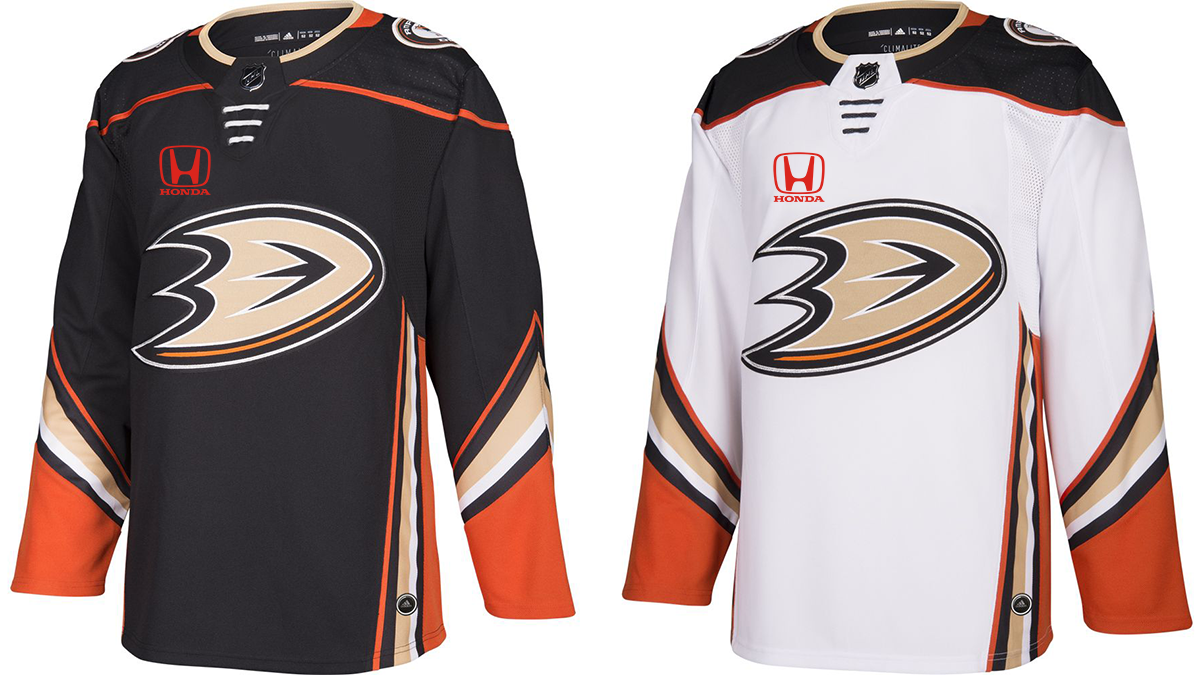
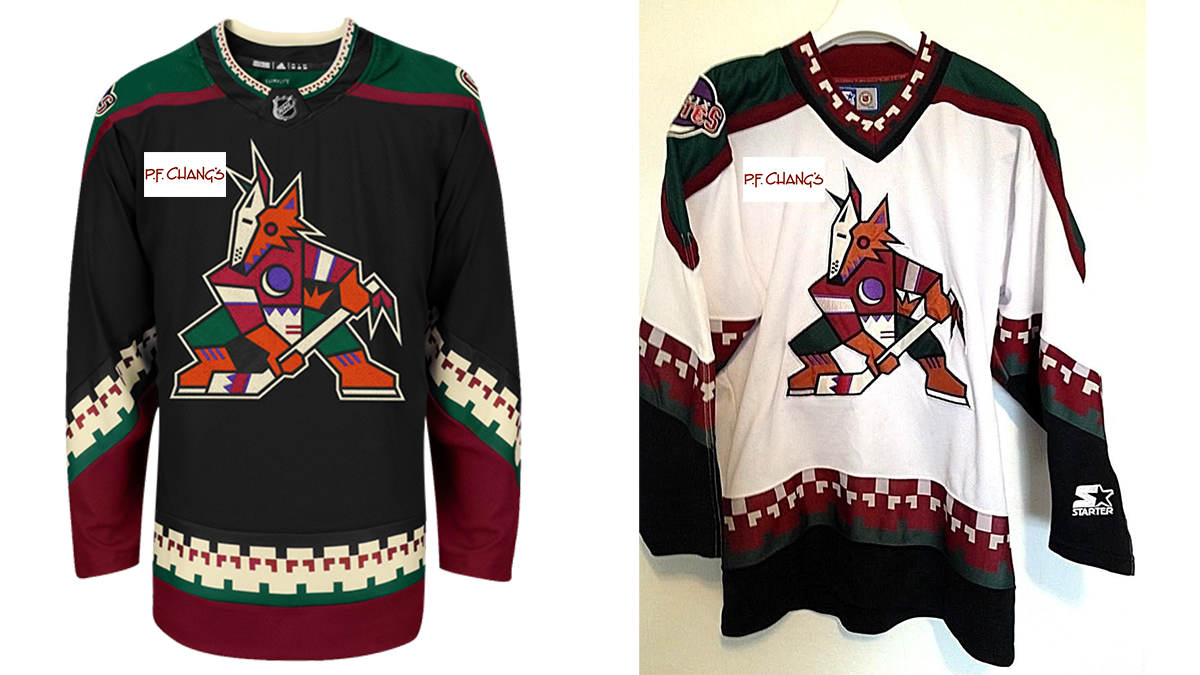
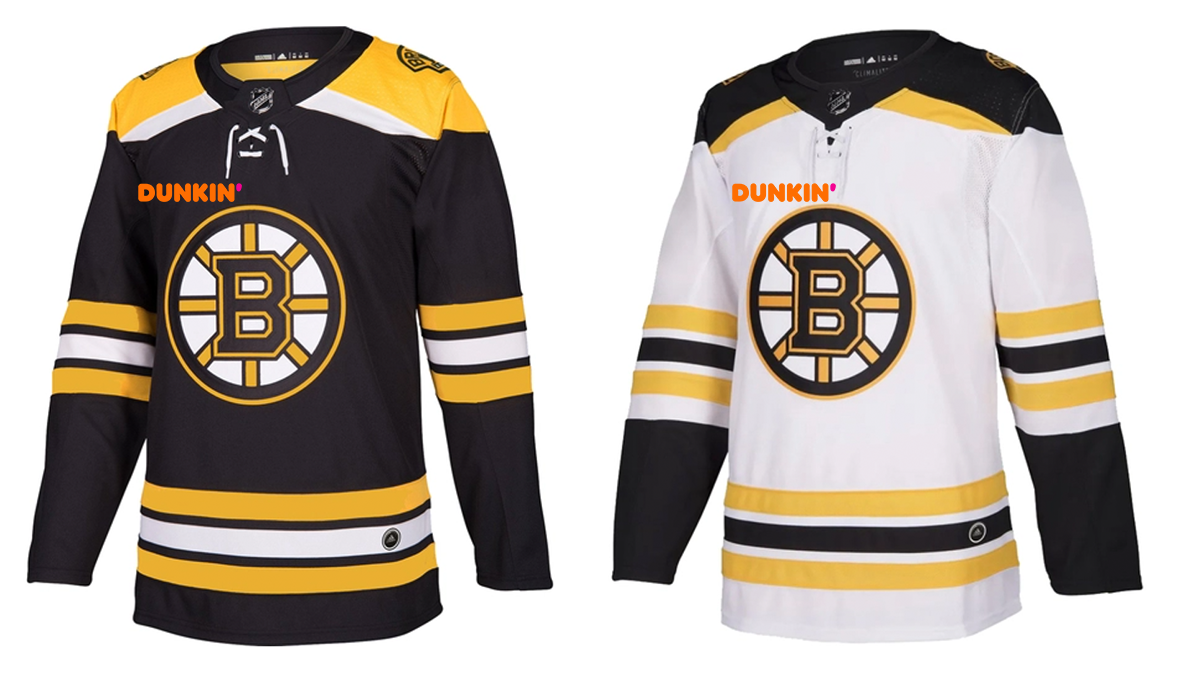

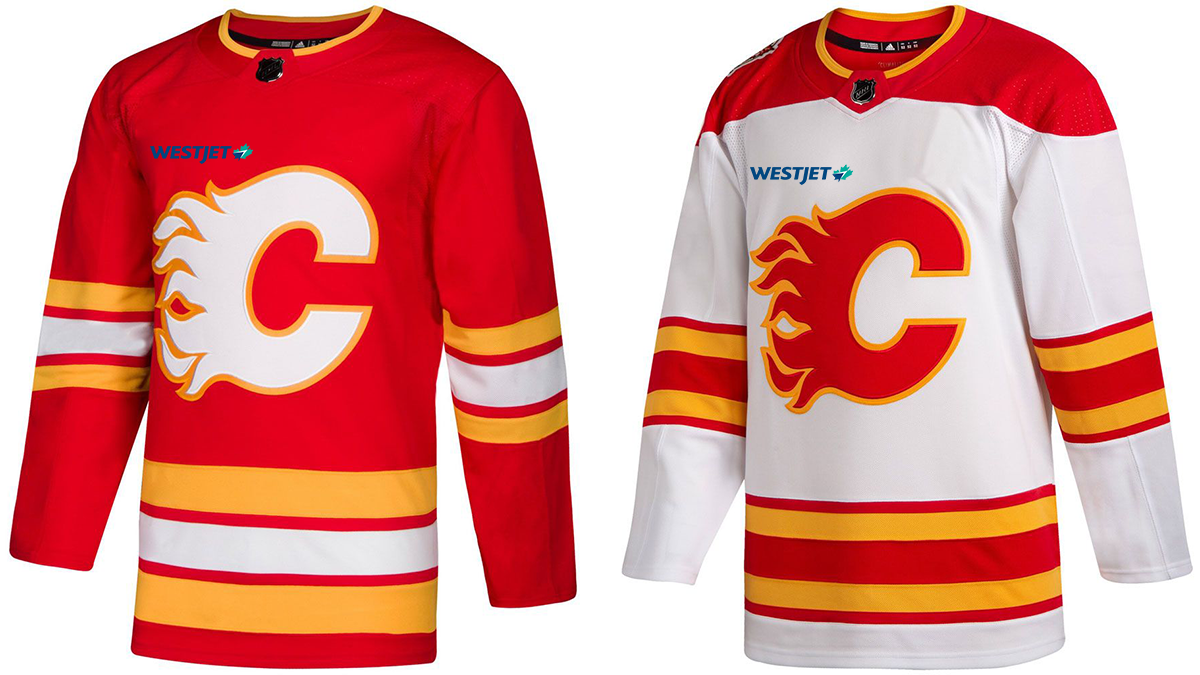
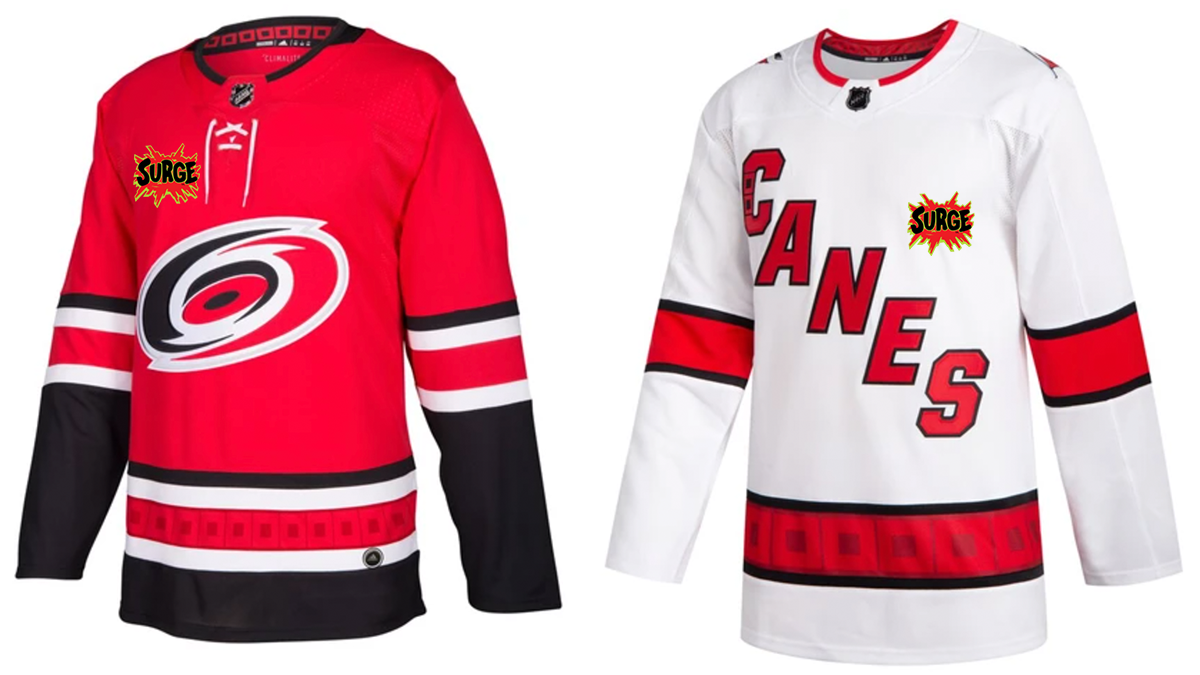
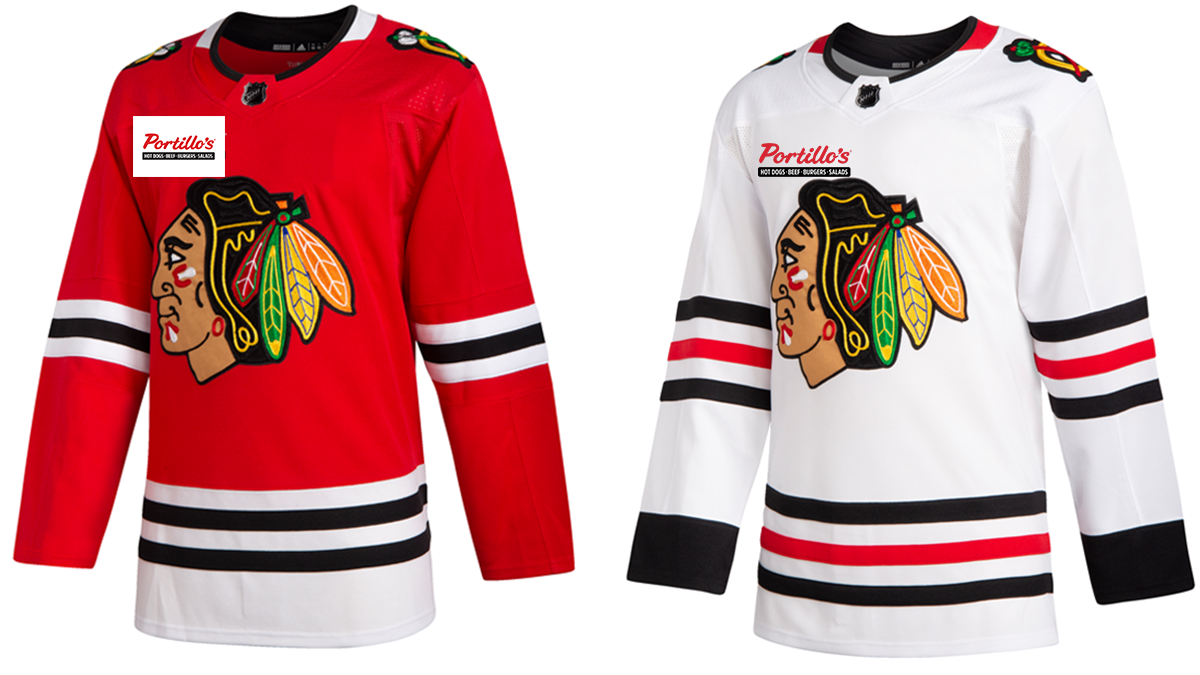


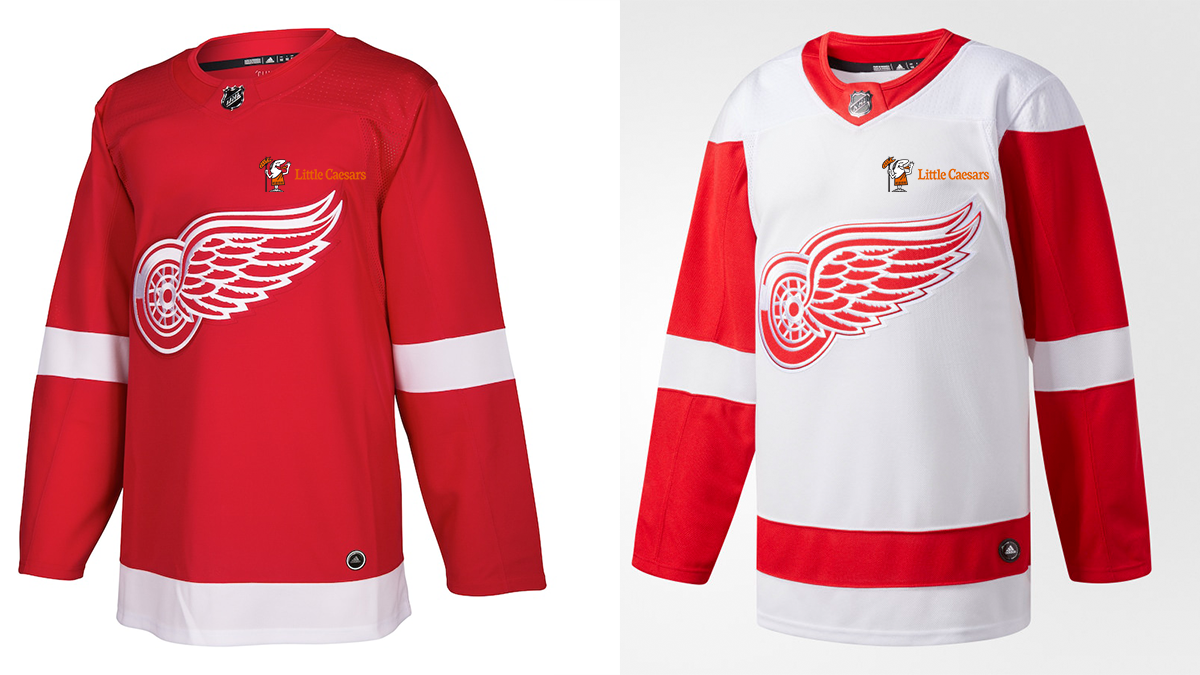


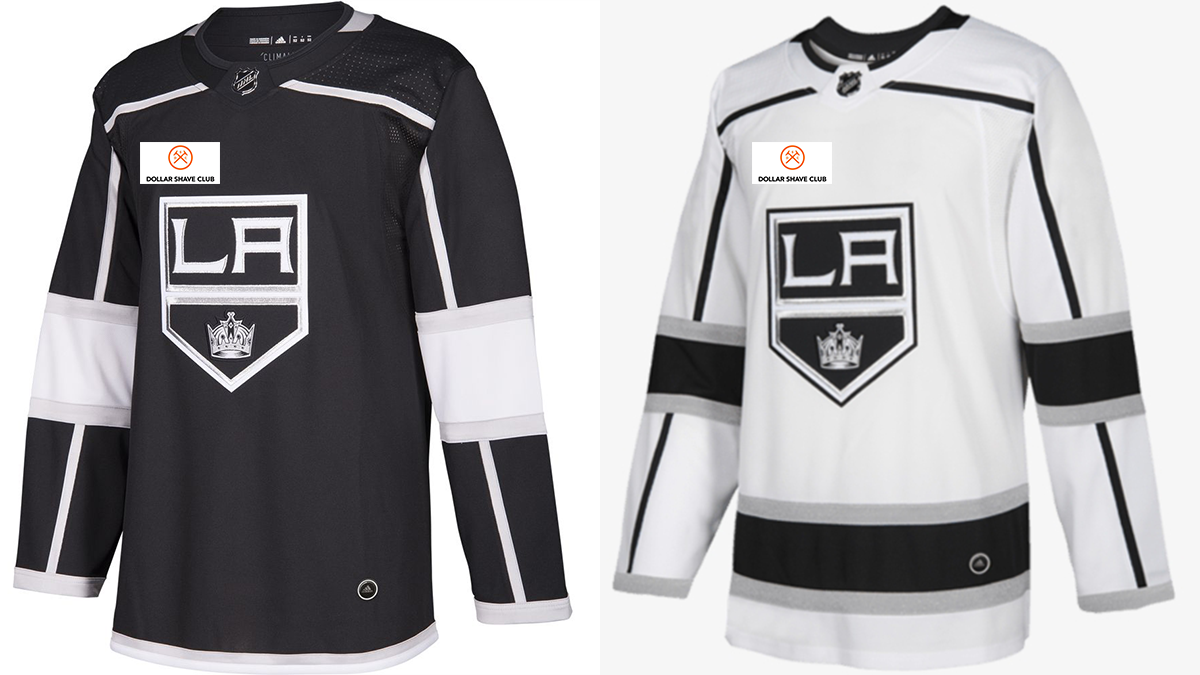
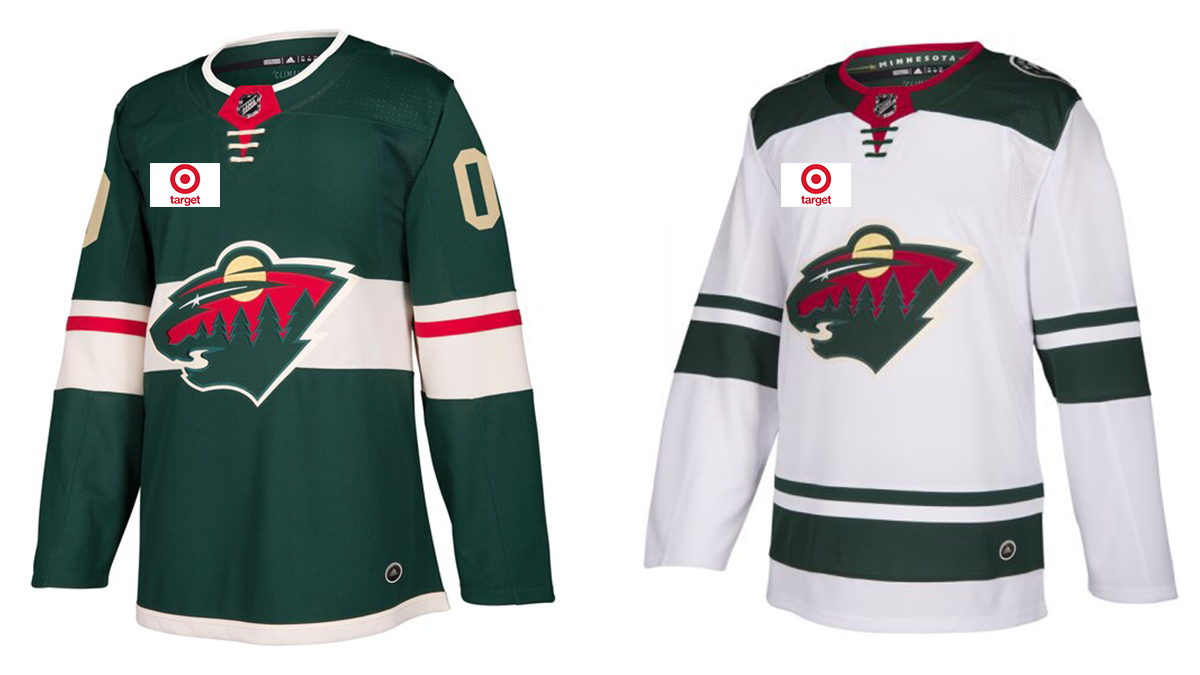

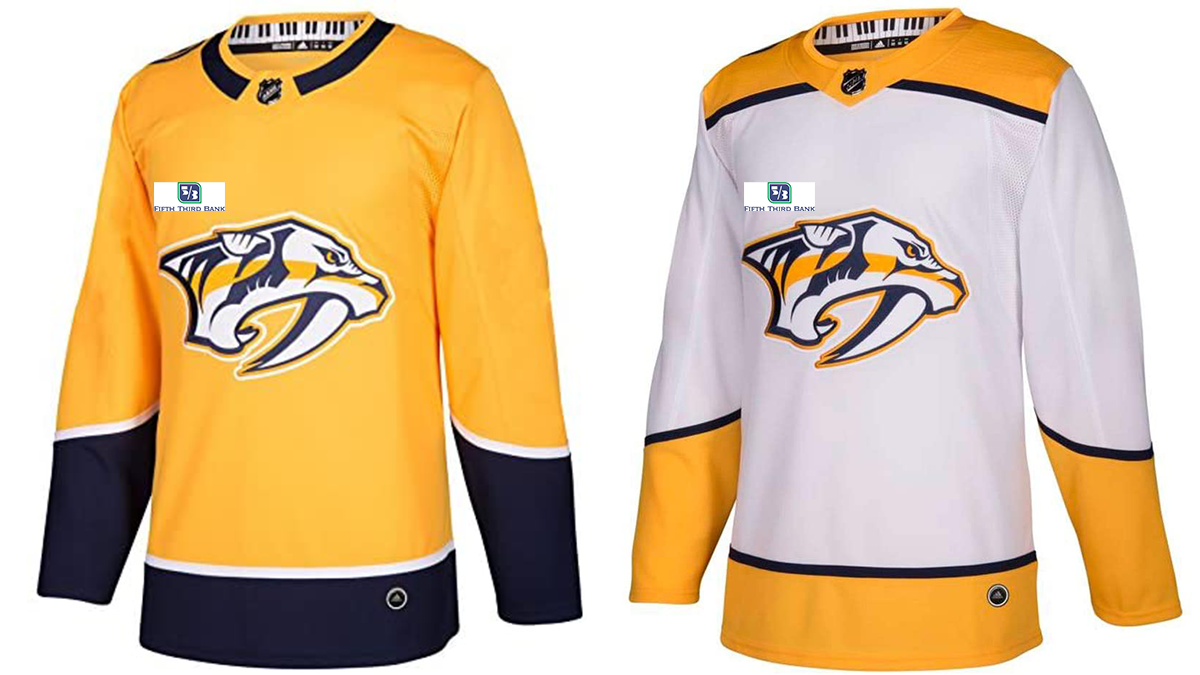
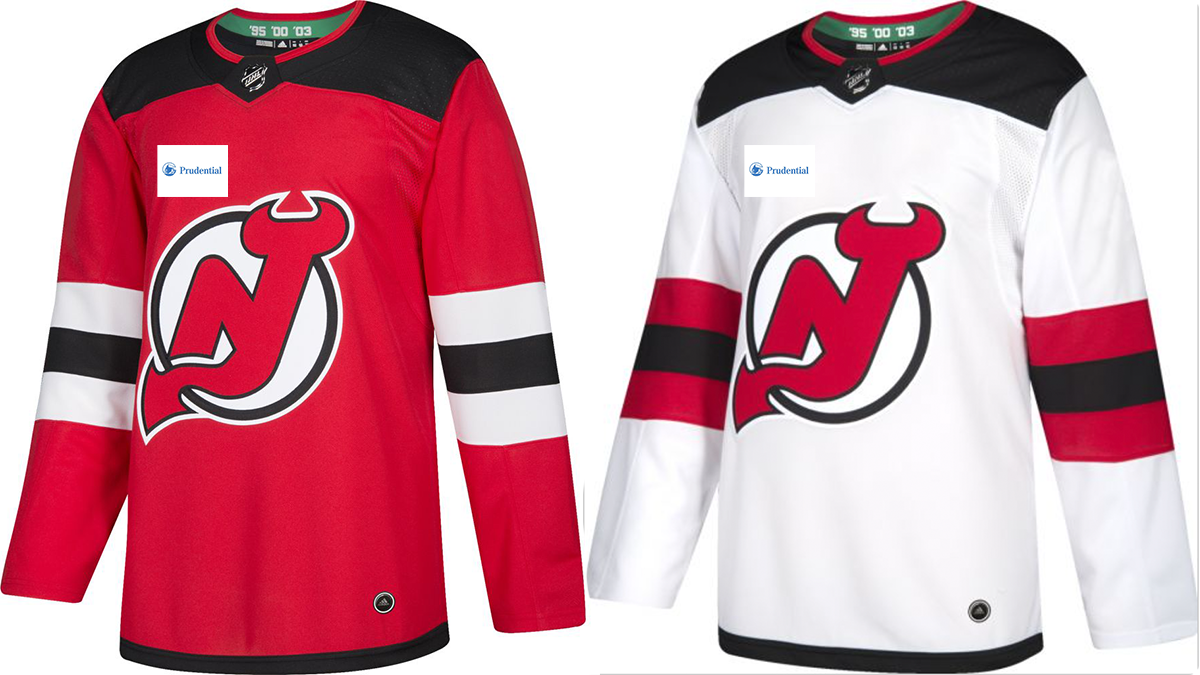


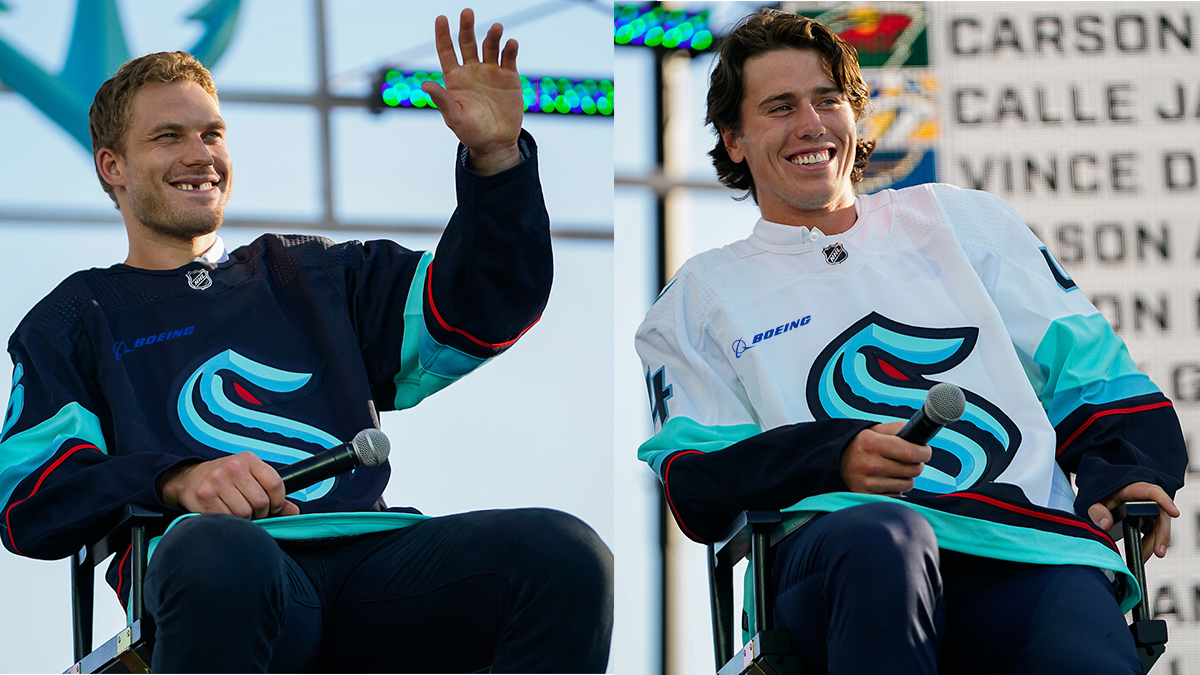

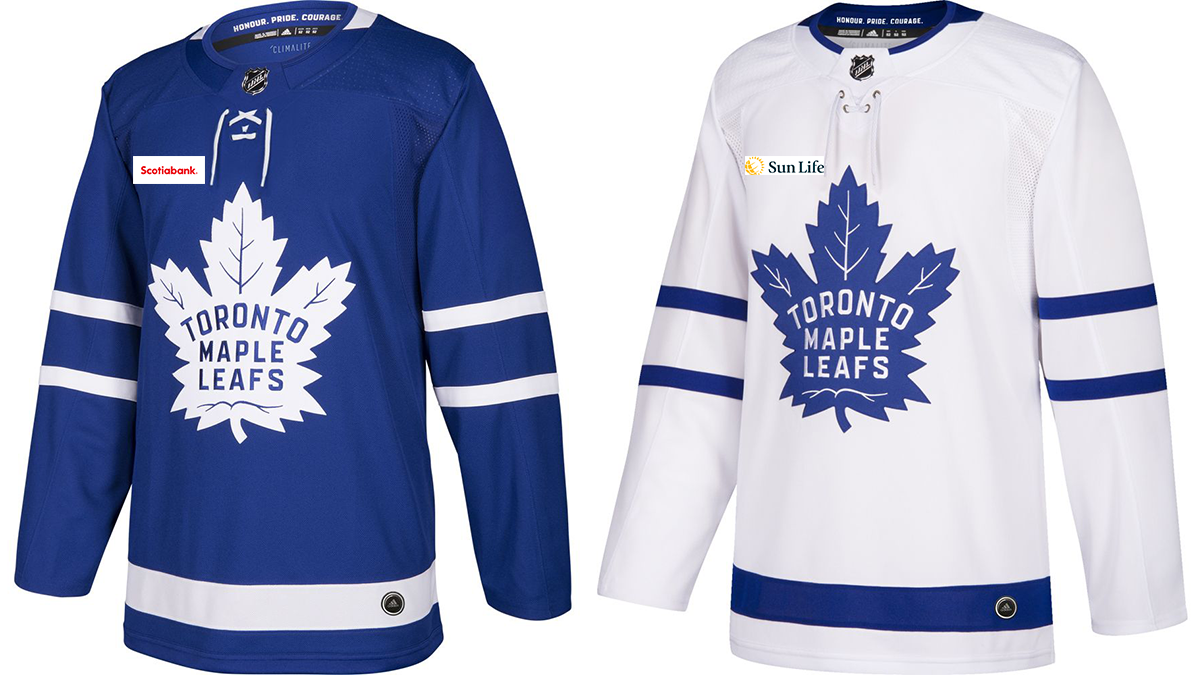
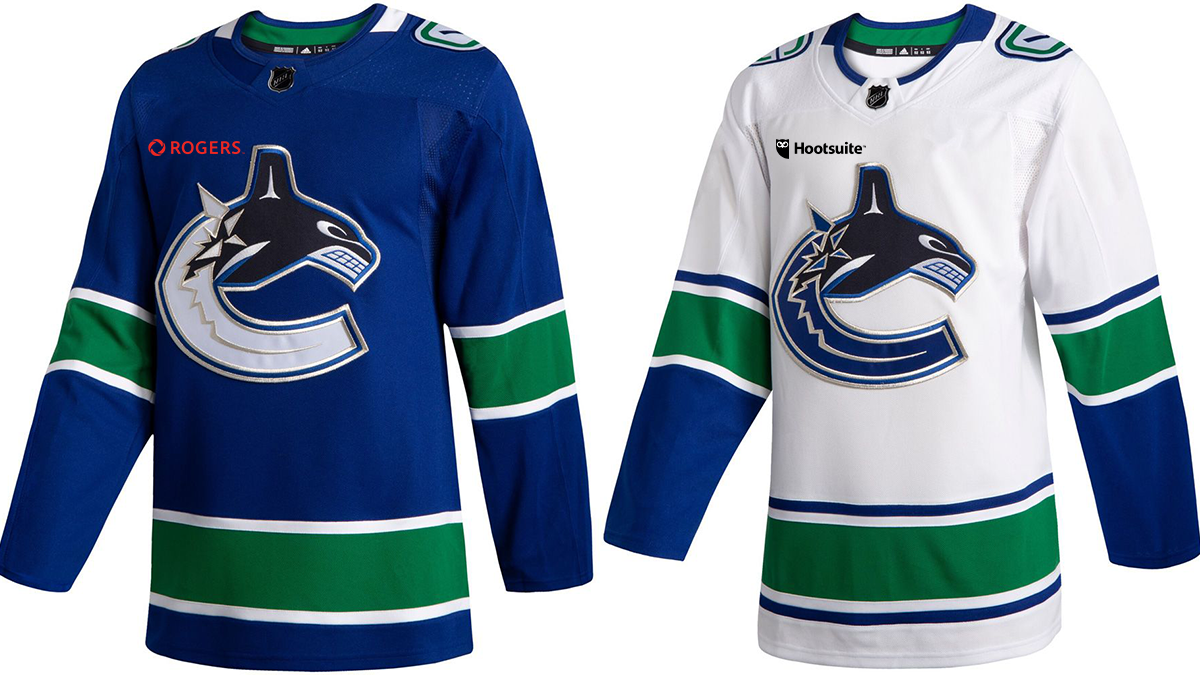
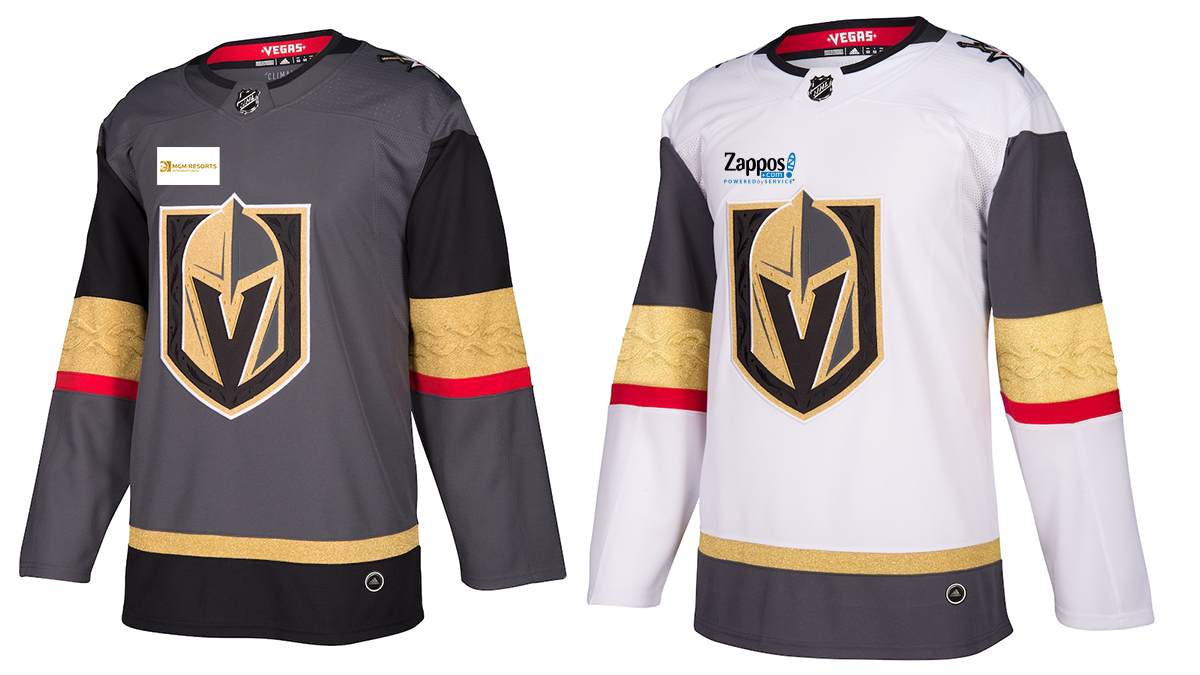










 Down the Frozen River
You must be logged in to post a comment.