Don’t look now, Pittsburgh Penguins fans, but the Washington Capitals keep closing in on a Metropolitan Division playoff spot after their, 4-2, win against the Boston Bruins Sunday afternoon at Capital One Arena.
By the time the Penguins were taking on the Nashville Predators Sunday afternoon, Washington pulled to within two points behind Pittsburgh for 3rd place in the Metropolitan Division standings.
Meanwhile, Lars Eller’s lucky deflection off of a Bruins forward’s stick and into the twine proved to be the game-winning goal in the third period of the Capitals’ victory.
Vitek Vanecek (18-11-5, 2.58 goals-against average, .912 save percentage in 37 games played) made 28 saves on 30 shots against in the win for Washington on Sunday.
Boston goaltender, Linus Ullmark (23-10-2, 2.59 goals-against average, .912 save percentage in 37 games played) stopped 29 out of 32 shots faced in the loss.
The Bruins fell to 45-22-5 (95 points) on the season and remain in command of 3rd place in the Atlantic Division, while the Capitals improved to 40-22-10 (90 points) overall and sit 4th in the Metropolitan Division.
Washington holds onto the second wild card spot in the Eastern Conference currently and will have two games in-hand on the Penguins after Pittsburgh’s game against Nashville.
The New York Islanders (75 points) and Columbus Blue Jackets (74 points) would need to win at least nine games in addition to a miracle in which either the Caps or Pens lose for the rest of the regular season to make the 2022 Stanley Cup Playoffs.
The Capitals are currently on a three-game winning streak.
The B’s, meanwhile, finished their regular season series 2-1-0 against Washington after going 4-2-2 against the Capitals in 2020-21 (and 1-1-1 in 2019-20).
Jakub Zboril (right ACL), David Pastrnak (undisclosed) and Hampus Lindholm (lower body) remained out of Boston’s lineup on Sunday afternoon, though both Pastrnak and Lindholm have resumed skating.
Bruce Cassidy made a few changes to the defensive core of his lineup against the Capitals.
First, he promoted Derek Forbort to the first pairing alongside Charlie McAvoy while relegating Mike Reilly to the left side of the third pairing.
Cassidy also scratched Connor Clifton and inserted Josh Brown in his place next to Reilly on the third pairing.
Jack Studnicka and Anton Blidh joined Clifton in the press box at Capital One Arena as Boston’s healthy scratches in Washington, D.C.
Midway through the opening frame, Trent Frederic thought he had the game’s first goal, but the on-ice officials waved it off immediately and ruled it no good as a result of a distinct kicking motion.
Upon an official review, the call on the ice was confirmed– no goal– and the score remained tied, 0-0, as Frederic had just enough of a follow through motion to indicate intent behind the kick rather than a deflection while coming to a glide.
A few minutes later, Nic Dowd caught Brown with a high stick and presented the Bruins with their first power play of the afternoon at 11:47 of the first period.
Boston couldn’t convert on the skater advantage, however.
Late in the period, the B’s had another chance on the power play go unconverted when Dmitry Orlov boarded Marc McLaughlin at 18:13.
Entering the first intermission, the teams remained tied, 0-0, despite the Bruins leading in shots on goal, 8-7.
Boston also held the advantage in blocked shots (6-4) and faceoff win percentage (69-31), while Washington led in takeaways (3-2), giveaways (4-3) and hits (22-15) after 20 minutes of action.
The Capitals had yet to see any time on the power play, while the Bruins were 0/2 on the skater advantage heading into the middle frame.
John Carlson (14) gave Washington a, 1-0, lead at 4:11 of the second period when he blasted a shot from the point past Ullmark’s glove side while the B’s netminder was tied up with Evgeny Kuznetsov on the doorstep.
Conor Sheary (20) had the only assist on Carlson’s goal as the Caps jumped out first on the scoreboard early in the second period.
Less than a minute later, Eller cut a rut to the penalty box for hooking McAvoy at 4:46, but once more the Bruins’ power play went by the wayside as they couldn’t convert on the skater advantage.
Boston did, however, catch Washington in the vulnerable minute after special teams play when Nick Foligno received a pass from Tomáš Nosek in the attacking zone and drove to the net before wrapping the puck around Vanecek as the Capitals goaltender came out to play an aggressive angle.
Foligno snuck a pass behind Vanecek through the crease where Curtis Lazar (8) slipped the puck into the open twine to tie the game, 1-1, at 7:55 of the second period.
Foligno (10) had the only assist on the goal.
One minute later, the Bruins scored again to take their first and only lead of the afternoon, 2-1, when Erik Haula (14) received a pass from McAvoy and entered the zone before letting go of an old-fashioned slap shot off the post and into the net on the glove side.
McAvoy (44) had the only assist on Haula’s goal at 8:55 and Boston surged in momentum.
Moments later, the Bruins tweeted that Matt Grzelcyk (upper body) would not return to the afternoon’s action after sustaining an injury in the first period.
Then Tom Wilson (23) tied things up, 2-2, after slipping a rebound through Ullmark’s five-hole from the doorstep after Ullmark made the initial save on a shot by Eller.
Eller (15) and Anthony Mantha (8) had the assists on Wilson’s goal and the Capitals evened things up at 14:50 of the second period by a stroke of luck– being in the right place at the right time– a trend that would continue for the rest of the afternoon.
After two periods, the score was tied, 2-2, despite Boston leading in shots on goal, 24-18, including a, 16-11, advantage in the second period alone.
The Bruins led in blocked shots (17-6) and faceoff win% (58-42), while Washington held the advantage in takeaways (8-3), giveaways (6-4) and hits (35-25).
Boston was 0/3 on the power play, while the Capitals still had yet to see any action on the skater advantage heading into the final frame.
Trevor van Riemsdyk tripped Lazar at 2:55 of the third period, but Boston’s power play fell to 6-for-46 on their last 46 power plays as the B’s couldn’t muster anything past Washington’s penalty kill.
Almost midway through the third period, Eller (10) sent a shot off of Haula’s stick as the puck redirected and caught a piece of Ullmark’s right shoulder before hitting the twine under the bar to give the Capitals a, 3-2, lead at 7:18 of the third period.
Nick Jensen (14) had the only assist on Eller’s goal.
Midway through the third, Taylor Hall tripped T.J. Oshie and presented the Caps with their first power play of the afternoon at 10:43 of the third period.
Boston’s penalty kill stood tall, however, as Washington wasn’t able to score a power play goal while Hall was in the box– nor were they able to capitalize on Frederic’s hooking infraction at 15:18.
With 1:54 remaining in regulation, Cassidy pulled his netminder for an extra attacker.
After a stoppage with 80 seconds left in the game, Cassidy used his timeout for one last potential rally.
Instead, in the dying seconds of the afternoon, Alex Ovechkin (45) whiffed on his first chance, but buried his second shot on the empty net after the two teams went end-to-end.
Kuznetsov (47) and Carlson (49) tallied the assists on Ovechkin’s empty netter at 19:58 and the Capitals led, 4-2.
At the final horn, Washington had won, 4-2, and finished the afternoon leading in shots on goal, 33-30, including a, 15-6, advantage in the third period alone.
The Caps left their own ice with the advantage in giveaways (6-5) and hits (45-39), while the Bruins left Capital One Arena leading in blocked shots (25-9) and faceoff win% (61-39).
Washington finished 0/2 on the power play, while Boston went 0/4 on the skater advantage in Sunday’s loss.
The B’s are now 15-6-2 (9-3-1 on the road) when tied after the first period, 12-14-3 (5-7-2 on the road) when allowing the game’s first goal and 13-5-0 (6-4-0 on the road) when tied after the second period this season.
The Capitals improved to 11-7-4 (3-4-1 at home) when tied after one, 30-10-5 (14-5-2 at home) when scoring first and 13-2-2 (5-1-2 at home) when through two periods in 2021-22.
The Bruins went 2-2-0 on their four-game road trip and return to TD Garden for a three-game homestand beginning Tuesday night against the St. Louis Blues before the Ottawa Senators and Pittsburgh Penguins visit Boston on Thursday and Saturday (April 16th), respectively.
Jake DeBrusk had the game’s first goal less than a minute into the second period and assisted on Charlie Coyle’s game-winning overtime goal a little past the midpoint of the extra frame as the Boston Bruins beat the Tampa Bay Lightning, 2-1, in overtime at Amalie Arena Friday night.
Linus Ullmark (23-9-2, 2.58 goals-against average, .912 save percentage in 36 games played) made 28 saves on 29 shots against in the win for Boston.
Tampa netminder, Andrei Vasilevskiy (35-16-5, 2.45 goals-against average, .917 save percentage in 56 games played), stopped 35 out of 37 shots faced in the overtime loss.
The Bruins cemented 3rd place in the Atlantic Division as a result of the win– gaining a one point lead over the Lightning in the standings with a 45-21-5 record (95 points) to Tampa’s 43-20-8 record (94 points).
Boston trails the Toronto Maple Leafs by three points for 2nd place in the Atlantic with the two clubs set to meet in the regular season finale on April 29th at Scotiabank Arena in Toronto.
The B’s, Bolts and Leafs each have 11 games remaining in their 2021-22 regular season schedules and are vying for home ice advantage behind the Atlantic Division leading, Florida Panthers, who’ve amassed 106 points so far with a 50-15-6 record (both are Panthers franchise records) in 71 games.
As a result of Friday night’s win, the Bruins clinched their regular season series against the Lightning– finishing 3-0-1 against Tampa in the 2021-22 regular season– marking the first time that Boston beat the Bolts overall in their regular season matchups since 2017-18, when the Bruins went 3-1-0 against Tampa before losing in five games in the 2018 Second Round to the Lightning.
Boston did not play Tampa last season as a result of the condensed 56-game regular season schedule and temporarily realigned divisions due to the ongoing COVID-19 pandemic.
The B’s went 2-0-1 against the Bolts in 2019-20.
The Bruins were without the services of Jakub Zboril (right ACL), David Pastrnak (undisclosed) and Hampus Lindholm (lower body) on Friday.
Trent Frederic returned to the lineup after missing Tuesday night’s, 5-3, loss in Detroit with an upper body injury.
As a result, B’s head coach, Bruce Cassidy, promoted Marc McLaughlin to the second line right wing with Frederic and Nick Foligno returning to their usual roles on the third and fourth line respectively.
Tomáš Nosek was relegated from the second line back to his regular spot as the fourth line center– flanked by Foligno and Curtis Lazar on his wings as Jack Studnicka, Josh Brown and Anton Blidh served as Boston’s healthy scratches in Tampa.
On defense, Mike Reilly suited up alongside Charlie McAvoy on the first pairing with Lindholm out of action, while Connor Clifton joined Derek Forbort on the third pairing.
Among injured players, Lindholm is closer to a return than Pastrnak and may be ready to go in Washington, D.C. on Sunday afternoon.
Reilly caught Corey Perry with a high stick to kick things off at 2:18 of the first period– yielding the night’s first power play to the Lightning as a result.
Tampa, however, failed to convert on the ensuing skater advantage.
Midway through the opening frame, Matt Grzelcyk cross checked Brandon Hagel and cut a rut to the sin bin as a result at 11:33.
The Bolts’ power play was cut short when Alex Killorn tripped Forbort at 11:50.
After a span of 1:43 at 4-on-4, the Bruins had an abbreviated power play with Killorn in the box, but Boston couldn’t take advantage of their short skater advantage.
Entering the first intermission, the score remained tied, 0-0, despite Tampa outshooting Boston, 11-10, in shots on goal.
The Lightning held the advantage in blocked shots (6-3), giveaways (2-1), hits (12-10) and faceoff win percentage (53-47), while both teams had one takeaway each.
Tampa was 0/2 on the power play, while the Bruins were 0/1 heading into the middle frame.
Reilly’s indirect pass intended for Brad Marchand bounced off the boards shortly after play resumed for the second period, whereby Patrice Bergeron was able to scoop up the loose puck and enter the attacking zone with Marchand in tow.
Together, the two forwards worked their way towards the slot before Bergeron sent the puck to Marchand that Marchand quickly one-touched a pass over to DeBrusk (22) as No. 74 in black and gold crashed the net and slid the rubber biscuit through Vasilevskiy’s five-hole on a backhand shot.
Marchand (41) and Bergeron (36) had the assists on DeBrusk’s goal as the Bruins took a, 1-0, lead 47 seconds into the second period.
Boston’s lead, however, wasn’t for long as Tampa mounted a surge in momentum that road on the coattails of a long shift for the Bruins as the B’s failed to clear their own zone.
Perry received a pass from Jan Rutta and sent the puck across the slot to the opposite circle whereby Pierre-Edouard Bellemare (8) one-timed a shot past Ullmark– tying the game, 1-1, in the process at 3:28 of the second period.
Perry (18) and Rutta (14) notched the assists on the goal.
Midway through the middle frame, Anthony Cirelli tripped Marchand and presented the Bruins with another power play at 11:21.
Less than a minute later, though, Erik Haula was assessed a roughing infraction for exchanging pleasantries with Rutta at 12:08.
After 1:14 of 4-on-4 action, the Lightning had an abbreviated power play come and go with no result to show on the scoreboard.
Late in the period, Foligno tripped Zach Bogosian, but despite their fourth power play of the night at 17:20 of the second period, the Bolts weren’t able to capitalize on the special teams action.
Through 40 minutes of play, the score was tied, 1-1, while the Bruins outshot the Lightning, 26-17, including a, 16-6, advantage in the second period alone.
Tampa held the advantage in blocked shots (11-5), takeaways (4-3), hits (22-21) and faceoff win% (55-46), while both teams managed three giveaways aside.
The Bolts were 0/4 and the B’s were 0/2 on the power play heading into the final frame of regulation.
Reilly cut a rut to the box for catching another Lightning skater with a high stick– this time Ondrej Palat– at 1:33 of the third period.
Boston’s penalty kill, however, stood tall once more.
The two teams swapped chances as they went up and down the ice– end-to-end– at blistering speeds as Ullmark and Vasilevskiy wracked up save after save.
Ullmark denied Brayden Point with his left pad on a breakaway almost midway through the third period after Boston had sustained offensive zone time, but couldn’t muster anything past Vasilevskiy at the other end.
Palat tripped Marchand at 15:45 of the third period, but the Bruins couldn’t beat the Lightning’s penalty killing units.
Overtime became a necessity with the score still tied, 1-1, after regulation.
Boston outshot Tampa, 36-28, despite both teams managing to amass 11 shots on goal each in the third period alone.
The Bolts led in takeaways (6-3), giveaways (6-5), hits (35-32) and faceoff win% (51-49) after 60 minutes. The B’s led in blocked shots (13-7).
As no penalties were called in the extra frame, the Lightning finished the night 0/5 on the power play, while the Bruins went 0/3.
Cassidy sent out Coyle, DeBrusk and McAvoy to begin overtime, while Tampa’s head coach, Jon Cooper, countered with Point, Nikita Kucherov and Victor Hedman.
The Lightning recorded the first shot of the overtime period, but it was Boston that’d win the game.
After several short shifts, Tampa emerged with an upper hand in momentum as Kucherov and Point were back on the ice.
Point couldn’t get a shot off as a loose puck bounced before him on the doorstep while DeBrusk backchecked the Lightning forward and took him out of the play.
McAvoy skated up into the neutral zone with possession before dropping a pass back to DeBrusk as No. 74 rushed into the attacking zone– leading to a 2-on-1 with Coyle.
DeBrusk flipped a pass to Coyle for a one-timer that went wide and caromed off the glass behind the net where the two forwards worked to win a battle for the loose puck.
Coyle (16) wrapped around the net and got his own rebound to follow up with a second chance shot that hit the back of the twine– sealing the deal on a, 2-1, overtime victory for Boston as a result.
DeBrusk (14) and McAvoy (43) had the assists on Coyle’s game-winning goal at 3:37 of the overtime period as the Bruins finished the night leading in shots on goal, 37-29, despite both teams managing to fire one shot on net each in the extra frame alone.
Boston emerged victorious with the all-important bonus point in the standings to separate themselves from Tampa, while exiting Amalie Arena with the advantage in blocked shots (13-9) by the end of the night as well.
The Lightning left their own ice leading in giveaways (7-5), hits (36-32) and faceoff win% (52-48).
Tampa is now on a four-game losing streak for the first time this season, while Boston improved to 9-0-1 in games following a game in which they’ve allowed five or more goals this season.
Ullmark, meanwhile, is 6-1-1 in nine games (eight starts) since March 1st– amassing a 2.02 goals-against average and a .921 save percentage in that span.
The Bruins improved to 8-3 in overtime (10-5 past regulation) this season, while the Lightning fell to 9-3 in overtime (11-8 past regulation) n 2021-22.
Boston is now 15-5-2 (9-2-1 on the road) when tied after the first period, 33-8-2 (18-4-1 on the road) when scoring first, and 13-4-0 (6-3-0 on the road) when tied after two periods this season.
As a result of the overtime loss Friday, Tampa fell to 13-7-2 (7-3-2 at home) when tied after one, 19-17-3 (9-5-3 at home) when allowing the game’s first goal and 11-4-2 (5-1-2 at home) when tied through two periods in 2021-22.
The Bruins wrap up their four-game road trip (2-1-0) Sunday afternoon at Capital One Arena against the Washington Capitals.
Boston returns to TD Garden for a three-game homestand beginning on April 12th against the St. Louis Blues.
Alex Nedeljkovic had an assist on the empty net insurance goal and made a career-high 47 saves on 50 shots against, while Jakub Vrana’s third period power-play goal proved to be the eventual game-winner in the Detroit Red Wings’, 5-3, win against the Boston Bruins Tuesday night at Little Caesars Arena.
Nedeljkovic improved to 18-21-8 on the season with a 3.31 goals-against average and a .901 save percentage in 52 games played after his 47-save performance on Tuesday.
Bruins goaltender, Jeremy Swayman (20-10-3, 2.29 goals-against average, .918 save percentage in 34 games played), stopped 24 out of 28 shots faced in the loss.
Boston fell to 44-21-5 (93 points) on the season and dropped to 4th place in the Atlantic Division by virtue of having played one more game than the Tampa Bay Lightning (93 points in 69 games to Boston’s 93 points in 70 games played).
Detroit, meanwhile, improved to 27-34-9 (63 points) overall, but remained in 5th place in the Atlantic– 30 points outside of a divisional playoff spot and 21 points shy of the Washington Capitals for the second wild card spot in the Eastern Conference.
The B’s fell to 3-4-1 in eight games at Little Caesars Arena all-time, while also splitting their 2021-22 regular season series with the Red Wings (2-2-0).
The Bruins went 1-2-0 against Detroit in 2019-20, and did not meet the Red Wings in the condensed 56-game regular season in 2020-21.
Boston was without the services of Jakub Zboril (right ACL), Trent Frederic (upper body) and David Pastrnak (undisclosed) on Tuesday.
Frederic skated before Tuesday night’s matchup on the road, though there is no timetable for his return.
Meanwhile, Bruins head coach, Bruce Cassidy, was forced to shake up his lines– promoting Tomáš Nosek to the second line right wing in Pastrnak’s normal spot, while forming a fourth line consisting of Jack Studnicka at center– flanked by Anton Blidh and Marc McLaughlin on his wings.
Nick Foligno took Frederic’s spot on the third line as a result, while Curtis Lazar joined Josh Brown and Connor Clifton on Boston’s list of healthy scratches in Detroit.
On defense, Mike Reilly slid over into Brown’s spot on the third defensive pairing with Derek Forbort re-entering the lineup.
Early in the opening frame, Taylor Hall drove a rush into the attacking zone before sending the puck through the high slot to the opposite wing where Erik Haula (13) caught the pass and unloaded a wrist shot on Nedeljkovic’s far blocker side into the twine– giving Boston a, 1-0, lead as a result.
Hall (37) and Nosek (13) tallied the assists as the Bruins jumped out to the first lead of the night at 4:43 of the first period.
Midway through the first period, McLaughlin caught Adam Erne with an inadvertent high stick and was assessed a minor infraction as a result at 13:44.
The Red Wings did not convert on the ensuing power play and, while Boston’s penalty kill proved to be very successful– scoring a shorthanded goal in the process, in fact.
Detroit made a turnover in the neutral zone leading to a 2-on-1 for the Bruins featuring Patrice Bergeron and Brad Marchand before the B’s yielded a couple of chances prior to Forbort setting up Brandon Carlo (6) for a shot past Nedeljkovic’s stick side and a two-goal lead as a result.
Forbort (8) and Bergeron (35) had the assists on Carlo’s second career shorthanded goal (his first since Jan. 2017 in Detroit)– tying the young defender’s career-high in goals scored in a season (six in 2016-17) in the process as well at 14:17.
The Bruins led, 2-0, but they’d go on to give up four unanswered goals before hitting the back of the twine once more for the rest of the night.
Charlie McAvoy was assessed a roughing minor at 17:18 and the Red Wings almost capitalized on the ensuing power play.
McAvoy was released from the box without issue at 19:18, but the Bruins were caught in the vulnerable minute after special teams action and gave up yet another last-minute goal in any period as Moritz Seider setup Dylan Larkin (30) for a quick release from the right circle past Swayman.
Seider (40) and Lucas Raymond (31) notched the assists on Larkin’s goal and Detroit cut Boston’s lead in half, 2-1, at 19:20 of the first period.
Entering the first intermission, the Bruins led, 2-1, on the scoreboard and held an, 18-12, advantage in shots on goal.
The Red Wings led in blocked shots (5-2), giveaways (4-3) and hits (11-8), while the B’s led in takeaways (3-1) and faceoff win percentage (52-48).
Detroit was 0/2 on the power play, while Boston had yet to see any time on the skater advantage heading into the middle frame.
The Bruins would have an early power play at 1:22 of the second period, however, as Pius Suter tripped McAvoy and yielded a skater advantage to Boston as a result.
The B’s failed to conver on the power play, however.
Shortly thereafter, the Bruins failed to clear their own zone and the Red Wings kept the puck in by the blue line before working a shot that deflected off of a body in front of the net into the back of the twine courtesy of Michael Rasmussen (11) being in the right place at the right time on Swayman’s doorstep.
Erne (12) and Danny DeKeyser (8) tallied the assists on Rasmussen’s goal as Detroit tied things up, 2-2, at 5:46 of the second period.
A couple minutes later, Jake Walman cut a rut to the sin bin for holding at 7:48, but Boston wasn’t able to convert on the ensuing power play.
Midway through the middle frame, Nedeljkovic gave up a rebound that worked to the advantage of the Red Wings as they were quick to recover the loose puck in the slot and go end-to-end as Suter sent it up to Vrana before Vrana setup Filip Zadina (9) on a one-timer goal with Forbort taking the bait and Reilly out of position by default as a result.
Vrana (4) and Suter (17) had the assists on Zadina’s goal as the Red Wings went ahead, 3-2, at 11:32 of the second period.
Late in the period, Foligno hooked Seider and was sent to the box at 19:07, but Detroit wasn’t able to convert on the resulting skater advantage.
Through 40 minutes of action, the Red Wings led, 3-2, on the scoreboard, despite trailing Boston, 33-24, in shots on goal– including a, 15-12, advantage for the Bruins in shots on goal in the second period alone.
The B’s also led in takeaways (3-2) and faceoff win% (59-41), while Detroit held the advantage in blocked shots (6-4), giveaways (11-5) and hits (21-17).
The Red Wings were 0/3 and the Bruins were 0/2 on the power play heading into the final frame.
McAvoy caught Raymond with a high stick at 3:27 of the third period and Detroit made sure to capitalize on the ensuing power play.
It didn’t take the Red Wings long before Filip Hronek passed the puck to Vrana (8) as he was charing through the neutral zone with a burst of speed into the attacking zone before sending a shot past Swayman– high on the blocker side.
Hronek (31) and Walman (5) had the assists on Vrana’s power-play goal and Detroit took a two-goal lead, 4-2, at 4:08 of the third period.
Moments later, DeKeyser cut a rut to the sin bin for interference at 8:46, but the Bruins couldn’t convert on the resulting skater advantage.
Shortly thereafter, Boston tweeted that Hampus Lindholm would not return to the night’s action with a lower body injury.
The recently acquired defender did not make an appearance in the third period and Cassidy told reporters after the game that he didn’t think Lindholm would be out for long-term.
Moments later, DeKeyser was heading back into the box for hooking at 11:58, but Boston’s ensuing power play was cut short as Hall hooked Walman at 12:46.
The Bruins withstood Detroit’s abbreviated power play after 1:12 of 4-on-4 action.
With 3:36 remaining in the game, Cassidy pulled Swayman for an extra attacker.
Marchand and Larkin received slashing minors shortly thereafter at 16:45 and yielded 4-on-4 action once again.
While at even strength at 4-on-4, the Bruins went to work in the attacking zone with Swayman pulled for a de facto 5-on-4 advantage.
McAvoy riffled a shot from the point that Bergeron (19) redirected in the slot past Nedeljkovic on the lower left pad to bring the Bruins to within one.
McAvoy (42) and Hall (38) notched the assists on Bergeron’s goal and the B’s trailed, 4-3, at 17:24.
As a result of his goal in Tuesday night’s loss, Bergeron (394) is now one goal away from tying Ray Bourque (395) for the fourth-most goals in Bruins franchise history.
With 1:29 remaining in regulation, Swayman vacated the crease once more for an extra attacker, but it was ultimately to no avail as a deflected shot led to a slow roller in front of Nedeljkovic whereby the Detroit goaltender was able to corral the rubber biscuit without issue.
Nedeljkovic sent a pass up to Sam Gagner in the neutral zone before Gagner (9) buried the puck into the empty net in Boston’s own end to give the Red Wings a, 5-3, advantage on the scoreboard as Nedeljkovic (2) recorded the only assist on Gagner’s empty net goal at 19:13.
At the final horn, Detroit had won, 5-3, despite finishing the night trailing, 50-29, in shots on goal.
A scrum after the game also resulted in a few punches thrown and some wrestling matches resulting in a plethora of penalties at 20:00 of the third period.
Blidh picked up a slashing minor and a misconduct as Forbort was assessed a misconduct for Boston, while Rasmussen earned a slashing minor and a misconduct for Detroit officially at the 60-minute mark of the game.
Boston left Little Caesars Arena leading in faceoff win% (60-40), while the Red Wings exited their own ice with the advantage in blocked shots (9-7), giveaways (15-5) and hits (31-28).
Detroit finished the night 1/5 on the power play, while the Bruins went 0/4 on the skater advantage on Tuesday.
Boston fell to 32-8-2 (17-4-1 on the road) when scoring first, 25-3-1 (13-2-1 on the road) when leading after one period and 4-16-2 (1-7-1 on the road) when trailing after two periods this season.
The Red Wings improved to 9-25-6 (7-9-4 at home) when allowing the game’s first goal, 5-23-3 (3-9-1 at home) when trailing after one period and 20-2-3 (14-1-2 at home) when leading after the second period in 2021-22.
The Bruins visit the Tampa Bay Lightning on Friday before concluding their four-game road trip (1-1-0) at Capital One Arena against the Washington Capitals Sunday afternoon.
Boston returns to TD Garden for a three-game homestand beginning on April 12th against St. Louis.
David Pastrnak and Brad Marchand each had a pair of goals, but both players paled in comparison to Matt Grzelcyk’s five-point night (one goal, four assists) as the Boston Bruins beat the Washington Capitals, 7-3, at Capital One Arena on Monday night.
Grzelcyk (1-4–5) became the first Bruins defender to score five points in a game since Ray Bourque (0-5–5) also had five points against the Capitals in an, 8-2, win at Boston Garden on Jan. 2, 1994.
Linus Ullmark (11-5-0, 2.57 goals-against average, .917 save percentage in 16 games played) made 27 saves on 30 shots against in the win for Boston.
Washington goaltender, Zach Fucale (1-1-1, 1.74 goals-against average, .924 save percentage in four games played), stopped 12 out of 16 shots faced before being replaced by Vitek Vanecek almost midway in the second period.
Vanecek (6-4-5, 2.62 goals-against average, .907 save percentage in 17 games played) had 12 saves on 15 shots in relief of Fucale for no decision.
The Bruins improved to 19-11-2 (40 points) on the season and remain in command of 4th place in the Atlantic Division, while the Capitals fell to 20-8-9 (49 points) overall despite holding onto 3rd place in the Metropolitan Division.
The B’s are now 1-0-0 against the Caps so far this season and went 4-2-2 against Washington last season.
Charlie McAvoy made his return to the blue line for Boston after missing the last two games due to a lower body injury.
McAvoy suited up alongside Grzelcyk in his usual spot on the first defensive pairing on Monday, while Derek Forbort and Connor Clifton joined Jake DeBrusk and Tomáš Nosek in the National Hockey League’s COVID-19 protocol.
As a result of Forbort and Clifton’s absence, Urho Vaakanainen and John Moore were made the de facto third pairing defenders in Washington, D.C.
Karson Kuhlman also made his return to action for the Bruins since being placed in COVID protocol on Jan. 1st and missing the last four games.
With Nick Foligno (lower body) out against the Capitals, Trent Frederic was promoted to the third line left wing role, while Curtis Lazar centered the fourth line and Kuhlman slid in on the right side.
In summary, the B’s were without Foligno (lower body), Forbort (COVID protocol), Steven Fogarty (taxi squad), Troy Grosenick (taxi squad), Jakub Zboril (right ACL), DeBrusk (COVID protocol), Clifton (COVID protocol) and Nosek (COVID protocol) on Wednesday.
DeBrusk is expected to be cleared from the league’s COVID-19 protocol on Tuesday and practice with the team and may be in the lineup on Wednesday as Boston plays host to the Montréal Canadiens.
Conor Sheary kicked things off with a right place, right time calculated effort as Nic Dowd dumped the puck off the endboards, whereby Ullmark misplayed the puck and Brandon Carlo was out of position as Sheary (9) picked up the loose puck and scored on a backhand shot.
Dowd (5) and Garnet Hathaway (6) tallied the assists on Sheary’s first goal of the game as the Capitals took a, 1-0, lead at 3:02 of the first period.
Almost midway through the opening frame, Grzelcyk was penalized for interference, yielding the night’s first power play to Washington at 8:33, though the Caps couldn’t convert on the ensuing skater advantage.
Grzelcyk, at first, didn’t do much to redeem himself on the night after giving the puck away to Sheary (10) in the slot for a one-timer goal of sorts over Ullmark’s glove after Grzelcyk returned from the box.
Sheary’s unassisted effort gave Washington a, 2-0, lead on his second goal of the game at 12:32 of the first period.
Before long, however, the Capitals became undisciplined.
Evgeny Kuznetsov was penalized for holding at 13:27 and the Bruins went on their first power play of the night as a result.
Boston got a two-skater advantage about a minute later when Dowd took a chunk off of Marchand’s nose with a high stick at 14:42– leaving Marchand bloody and Dowd with a double-minor infraction as a result.
The B’s earned a 5-on-3 power play for 43 seconds until that, too, was cut short by Patrice Bergeron bumping into Lars Eller without the puck.
Bergeron cut a rut to the sin bin for interference at 15:09 and the Bruins held onto a rare 4-on-3 advantage for about 15 seconds before the two teams played at 4-on-4 for a span of 1:42.
While Dowd was still in the box serving his double-minor, however, John Carlson delivered a swift cross check to Erik Haula’s backside and was penalized at 18:19 of the first period– yielding another 5-on-3 power play for Boston, albeit for 23 seconds.
It didn’t take long for the Bruins to strike, however, as Marchand setup Pastrnak (12) in his usual spot from the dot on the left side for a one-timed power-play goal– cutting into Washington’s lead, 2-1, at 18:34.
Marchand (20) and Grzelcyk (8) tallied the assists on Pastrnak’s power-play goal.
Less than a minute later, Marchand (15) received a pass from Grzelcyk and raced up the boards into the attacking zone before unloading a wrist shot that appeared to deflect off of Trevor van Riemsdyk’s stick and floated over Fucale’s shoulder on the far, blocker side, from the right dot.
Grzelcyk (9) and Pastrnak (14) notched the assists on Marchand’s power-play goal and the Bruins tied it, 2-2, at 19:14 of the first period.
After one period, the B’s and Caps were tied, 2-2, on the scoreboard despite Washington leading in shots on goal, 11-10.
The Capitals also maintained an advantage in blocked shots (4-2), while Boston led in takeaways (3-0), giveaways (2-0), hits (10-9) and faceoff win percentage (57-43).
Washington was 0/1 and Boston was 2/4 on the power play heading into the first intermission.
Early in the middle frame, Anton Blidh fed Grzelcyk a lead pass from the neutral zone into the attacking zone before Grzelcyk (2) flung a shot from just past the blue line over Fucale’s glove side into the top corner of the net– giving the Bruins their first lead of the night, 3-2, in the process.
Blidh (4) had the only assist on Grzelcyk’s goal at 2:51 of the second period and the B’s never looked back as Grzelcyk earned his first career three-point night (that he would then extend into his first career five-point night).
Moments later, Bergeron made a save at the other end of the rink while blocking a shot driveway hockey style as Ullmark was down and out.
The Bruins surged in momentum and raced to their attacking zone whereby Lazar wrapped the puck around the net and slipped a pass through the slot to Craig Smith (4) for the one-timer goal.
Lazar (5) and Blidh (5) picked up the assists as Boston took a, 4-2, lead at 7:53 of the second period.
Capitals head coach, Peter Laviolette, then decided that four unanswered goals against was the perfect time to make a change in the crease– replacing Fucale with Vanecek.
It didn’t take Boston long to beat Vanecek as a warm welcome to the ice.
Taylor Hall and Pastrnak skated in on a 2-on-1 before Hall sent a pass over to Pastrnak (13) for a catch and release goal over Vanecek’s glove on the far side– top shelf– under the bar.
Hall (14) and Vaakanainen (2) notched the assists as Pastrnak recorded his second goal of the game and Boston’s fifth unanswered goal to take a, 5-2, lead at 8:54 of the second period.
Less than five minutes later, Haula (3) snapped a shot from about the faceoff circle over Vanecek’s glove– extending the Bruins’ lead to four goals at 13:09.
Hall (15) and Grzelcyk (10) were credited with the assists on Haula’s goal and the B’s led, 6-2, past the midpoint of the night’s action.
Less than a minute later, Washington scored a fluke goal– ending Boston’s run of six unanswered goals, thanks to T.J. Oshie’s (5) deflection on a shot pass from Alex Ovechkin.
Ovechkin (28) and Kuznetsov (23) had the assists on Oshie’s goal and the Capitals trailed, 6-3, at 14:06 of the second period.
Through 40 minutes of action, the Bruins led, 6-3, on the scoreboard despite trailing, 22-21, in shots on goal. Both teams split shots on net in the second period alone, 11-11, however.
The Caps led in blocked shots (9-8), takeaways (7-4) and hits (24-18) after two periods, while Boston led in giveaways (4-2) and faceoff win% (58-42).
Washington was 0/1 on the power play, while the B’s were 2/4 on the skater advantage heading into the final frame.
Prior to the third period, the Bruins tweeted that Frederic would not return to Monday night’s game with an upper body injury.
Not much happened in the final frame until the midpoint when Marchand (16) scored his second goal of the game after Smith’s initial shot rebounded to Marchand for a beautiful display of hand-eye coordination– batting the puck out of mid-air to his blade before slipping the rubber biscuit over Vanecek’s outstretched pad, but under the blocker.
Smith (7) and Grzelcyk (11) notched the assists as the Bruins extended their lead to four goals once more, 7-3, at 10:59 of the third period.
Marchand’s second goal of the game also marked the most goals in a game for Boston this season.
Late in the period, Hall tripped up Martin Fehervary, but the Capitals weren’t able to convert on the ensuing power play at 18:55.
At the final horn, the Bruins had won, 7-3, and finished the night leading in shots on goal, 31-30– including a, 10-8, advantage in the third period alone.
Boston exited Capital One Arena holding an advantage in giveaways (6-3) and faceoff win% (57-43), while Washington left their own ice leading in blocked shots (12-11) and hits (35-27).
The Caps finished the night 0/2 on the power play, while the B’s went 2/4.
The Bruins improved to 7-6-2 (3-3-1 on the road) when allowing the game’s first goal, 3-5-1 (2-2-1 on the road) when tied after the first period and 14-1-0 (10-0-0 on the road) when leading after two periods this season.
Meanwhile, Washington fell to 16-6-4 (9-2-2 at home) when scoring first, 7-4-3 (1-2-1 at home) when tied after one and 1-6-4 (0-3-1 at home) when trailing after the second period in 2021-22.
Boston returns home to host the Montréal Canadiens on Wednesday and begin a seven-game homestand. The Bruins will play host to the Canadiens, Philadelphia Flyers, Nashville Predators, Carolina Hurricanes, Capitals, Winnipeg Jets and Anaheim Ducks before hitting the road again in Colorado on Jan. 26th.
The B’s host Montréal and Philadelphia on back-to-back nights, Wednesday and Thursday before finishing the current week against the Predators on Saturday.
Wednesday night’s game against the Canadiens was originally scheduled to be at Bell Centre, but due to the rise of the Omicron variant and capacity limits across Canada, that game has been postponed and instead Boston’s meeting with the Habs originally scheduled for March 21st has been moved up.
Tickets for March 21st in Boston will be honored on Jan. 12th against Montréal.
Apparently the National Hockey League’s Board of Governors were up to something this month as it was reported by Sportico on Tuesday that the Board unanimously approved ads on the front of NHL jerseys beginning with the 2022-23 season.
The ads will be no bigger than a 3-inch-by-3.5-inch rectangle, which is slightly larger than the ads featured on the front of National Basketball Association (NBA) jerseys.
It was only a matter of time before the NHL followed the NBA in generating additional revenue by doing what professional hockey leagues outside of North America have been doing for many years, as well as what’s been done for at least a few seasons now in the American Hockey League (AHL) and ECHL minor league levels on this side of the pond.
As always, hockey Twitter is taking the news well.
Let’s embrace the chaos for a moment and pick some sponsors for all 32 NHL teams that would make so much sense they’ll obviously be overlooked for, well, actual revenue generating streams instead.
Anaheim Ducks
What we want: Disney+ or TCL
What we’ll get: Honda
The Ducks play at Honda Center and, yeah, there’s really nothing besides Disney swooping in and sponsoring the team that they used to own as a means of cross promoting both the Ducks and The Mighty Ducks: Game Changers on Disney+, so we’re stuck with a Honda logo at center ice and on the front of Anaheim’s jerseys.
In any case, Honda’s red logo works pretty well with the Orange County orange featured as an accent color on Anaheim’s home and road jerseys.
NHL teams have a tendency to go back to the well with their partners– think of how many teams have either the same helmet sponsor as another team or just slapped on the same brand as their venue’s naming rights deal– but if we want to expand the playground a little bit perhaps TCL could be of interest for the Ducks.
Come to think of it, that’s probably a better option.
*Opens up Photoshop*
Arizona Coyotes
What we want: P.F. Chang’s or Cold Stone Creamery
What we’ll get: Fry’s or something, probably
Believe it or not the Los Angeles Chargers won’t be the only team tweeting about P.F. Chang’s for long as the restaurant chain was founded in 1993, and opened their first location in Scottsdale, Arizona, so it only makes sense to go back to their roots and toss an ad on the Coyotes’ jersey.
Also founded in Arizona– Cold Stone Creamery.
We figured that’d probably make sense on an AHL team’s jersey, though, despite the obvious cold ice, cold ice cream connection.
The Coyotes had Mountain America on their helmets at home and Dignity Health on their road helmets in 2020-21, so in reality we’ll probably get one of those two on the front of their jerseys in 2022-23.
Boston Bruins
What we want: Dunkin’ or bust
What we’ll get: TD Bank or O.R.G. Packaging, probably
What could possibly be more Boston than a Bruins jersey with a Dunkin’ logo on it?
Their AHL affiliate– the Providence Bruins– already play in the Dunkin’ Donuts Center in Rhode Island and have a Dunkin’ ad patch on their jerseys. Why not call it up to the major league?
That said, with some NBA teams earning up to about $20 million in jersey ad space revenue, the B’s likely will reach for a brand with deeper pockets than doughnuts and coffee.
Delaware North likes their relationship with a certain bank from Toronto (TD Bank) and has had one of the league’s longest relationships with a Chinese company (O.R.G. Packaging) as part of the NHL’s intended growth beyond the continents of North America and Europe, so one of the two brands is more likely to appear on a Bruins jersey.
Buffalo Sabres
What we want: Super Chexx
What we’ll get: KeyBank
The Sabres could use some fun in their lives these days and you know what really helps put the mind at ease? Bubble hockey.
That’s right, Innovative Concepts in Entertainment, Inc. (ICE)– the manufacturers of the popular bar and arcade classic, Super Chexx, that your rich friend down the street growing up also had in the comforts of their home– is based outside Buffalo and would be a match made in heaven right about now.
Especially as Sabres fans are looking for something to do while the game’s on TV.
So yeah, we’re definitely going to get KeyBank, Tim Horton’s or something else entirely instead.
Calgary Flames
What we want: WestJet or Duraflame
What we’ll get: Scotiabank
If you, as an American, can name any other Canadian airline other than Air Canada, then congratulations. If you can’t, then may I introduce you to WestJet?
WestJet’s headquarters are next to Calgary International Airport and it’d be nice to prove to the world that Canada is more than just a land of Tim Horton’s, Roots, Canadian Tire, Rogers, Scotiabank and Mr. Sub.
If Duraflame isn’t available, then you might as well dip into the low-cost airline industry as a means of attracting tourists to Banff National Park, Calgary Stampede or whatever it is that sets Calgary apart from the rest of Alberta (so… not being Edmonton).
Carolina Hurricanes
What we want: Surge
What we’ll get: PNC, Diehard, maybe Cheerwine or something else
This should be obvious, but if you haven’t paid attention to the Hurricanes for at least the last few seasons now they do a “Storm Surge” celebration after every win on home ice in the regular season (and sometimes playoffs).
Surge (the soda) is one of those drinks that makes headlines every few years for being pulled straight out of the vault and placed back on grocery store shelves– speaking of which, does anyone know if it’s currently available?
If not, it’ll definitely be back by the 2022-23 season.
Yes, it’s hard to envision where an ad will be placed on the road jersey as the prime real estate is used up by the diagonal “CANES” letters and– for a few players– the captain’s “C” or alternate captain’s “A”.
Chicago
What we want: Portillo’s
What we’ll get: United
Look, between Walgreens, Sears and Portillo’s there’s a few legendary brands that Chicago could partner with as their first jersey ad in franchise history (not including practice jerseys).
Obviously only one of the three mentioned above is the right choice and its the one that might lead you to Walgreens later if you have a weak stomach. Besides, Sears is fading from our collective memory whether it is out of business already or not.
Clark Griswold would be proud of Portillo’s proudly being displayed on a, well, if a WHL team can rebrand, so can you, Chicago.
Colorado Avalanche
What we want: Chipotle or Coors
What we’ll get: Ball
Look, whether or not Nathan MacKinnon eats Chipotle is a debate for another day, but one thing’s for sure– both Chipotle and MacKinnon started their careers in Colorado.
Though Coors or Coors Light would make more sense, we have to consider the fact that kids might be wearing these jerseys to the game and we haven’t heard whether or not the jerseys that are sold in the proshops in 2022-23 and beyond will include the front jersey ad or not.
If they do, then we probably can’t market beer to children.
I’m pretty sure there’s a law about that and it’s also the reason why all my 1:64 scale diecast Rusty Wallace and Dale Earnhardt, Jr. cars from when I was a kid said “Team Rusty” and “Dale Jr.” on them, respectively, instead of Miller Lite and Budweiser.
Columbus Blue Jackets
What we want: Wendy’s
What we’ll get: Nationwide
Coinciding with the uptick in Columbus born and raised players on the Blue Jackets roster, it would be a great idea to add Wendy’s– which was founded in Columbus in 1969– to the team in such a way that perhaps Jack Roslovic and Sean Kuraly star in local commercials to the Blue Jackets viewing area during the 2022-23 season.
I know that’s assuming Roslovic signs an extension, but the pending-restricted free agent at the end of the 2021-22 season helped facilitate the Pierre-Luc Dubois for Patrik Laine trade with the Winnipeg Jets by forcing Winnipeg into trading him to his hometown team.
Unlike several recent stars that left the city via free agency, Roslovic will stick around for the long term.
Especially if there’s some goods in kind involved with a Wendy’s sponsorship. I mean, I would at least.
Dallas Stars
What we want: Whataburger
What we’ll get: AT&T
Though Whataburger would be a welcome party in the burger wars when Columbus and Dallas would “meat” up, there’s no beef to be found in this hypothetical because AT&T has already made that decision for us.
Sometimes you just can’t think too hyperlocal and AT&T fetches a more national audience than a regional chain that primarily serves Texas.
Besides, if you go to Dallas for a Stars game, you can always just get Whataburger then. It’s not like they’re going to send you a meal with a jersey if ads are on the jerseys sold to fans in 2022-23.
Detroit Red Wings
What we want: Little Caesars
What we’ll get: Little Caesars
The last few teams have all involved food and we’re going to be stuck on this theme for at least one more team after this.
Both the Red Wings and Little Caesars are owned by the Ilitch family and if you think adding one more connection between Detroit and pizza is a bad thing then you clearly don’t understand the marketing behind this.
Kids love pizza. Adults love pizza. There’s a lot of good memories involving pizza.
Plus, with General Manager, Steve Yzerman, in charge, the Red Wings are on the rise, which will only further tap into the nostalgia from when Detroit was doing what the Tampa Bay Lightning are currently doing to the rest of the league.
Edmonton Oilers
What we want: Boston Pizza
What we’ll get: Rogers
Edmonton thought they could replicate the success Ken Holland had in Detroit by hiring Holland as their General Manager and when they see that we’ve got a pizza establishment heading for the front of the Red Wings’ jersey, then the Oilers will think it’s also a good idea to snag a slice.
That’s where Boston Pizza comes in.
Whether or not they’ll get Connor McDavid to do an ad read or be left with whatever scraps surround him on the Oilers roster remains to be seen.
In all likelihood, Rogers Communications will probably just get to slap their logo on another element of Edmonton’s brand.
Florida Panthers
What we want: Royal Caribbean International
What we’ll get: Baptist Health or something
The Blockbuster guy (the late Wayne Huizenga) founded the team and almost named them the “Florida Block Busters”, so it’d be neat to incorporate an homage to the days of Blockbuster (rest in peace) with the almost Blockbuster-like colors of Royal Caribbean International on the jersey.
Plus, who among us hasn’t uttered the words “I need a vacation from my vacation” before?
If you’re an out of town fan visiting the Panthers in Florida or watching the Panthers come to your town— there’s a cruise line for you even if you wouldn’t go remotely near a cruise before the ongoing pandemic began.
Los Angeles Kings
What we want: Dollar Shave Club
What we’ll get: Anschutz Entertainment Group
Never doubt for a second that a team owner wouldn’t give up the chance to toot their own horn, which is why it’s quite possible that one of the world’s biggest entertainment entities would slap their own logo on the front of a Kings jersey.
If you’re not able to finagle a way to write things off as a deduction, then Dollar Shave Club presents a unique opportunity despite the fact that shaving isn’t something that’s in Drew Doughty’s vernacular (or any hockey player, for that matter, when the Stanley Cup Playoffs roll around).
Manscaped could also make a run here and in any case, fine.
Minnesota Wild
What we want: Target or General Mills
What we’ll get: Xcel Energy
When you think of Minnesota what’s the first thing you think about?
That’s right, the very place where you could be standing right now reading this while you’re waiting for a cash register to open up or aimlessly perusing the aisles for those impulse purchases you somehow always make at Target.
It fits the Wild color scheme well and if we’re not going to get General Mills involved then at least getting more than the standard 5% discount for having a Target RedCard via goods in kind might be enough to convince Kirill Kaprizov to stay in Minnesota long-term.
Montréal Canadiens
What we want: CCM and/or Molson
What we’ll get: Bell
CCM makes more than just jerseys, but it’s not like adidas would be just fine with a CCM logo appearing on the front of an adidas ADIZERO jersey.
So, we’re left with two obvious choices– Molson or Bell.
If there’s nothing against a Canadian team bearing an alcoholic beverage on the front of their jersey with the potential for that brand to be marketed towards kids, then perhaps Molson– whose family ties own the Habs– might make an appearance near the crest.
That or we’ll just get more airtime for Bell. Either way, Montréal would be attractive enough as a franchise to bring in more than one jersey ad sponsor if the league doesn’t have any specific rules outside of the size of the ad.
Nashville Predators
What we want: Curb Records or CMT
What we’ll get: Fifth Third Bank
The music city could attract a music label if they wanted to, but Fifth Third Bank loves investing in Nashville for some reason– like, a lot, despite being headquartered in Cincinnati, Ohio and primarily serving Ohio, Kentucky, Indiana, Illinois, Michigan, West Virginia, North Carolina, Georgia and Florida more than all of Tennessee.
In any case, good for the Predators. They’ll have some deep pockets to reach into while other teams surely will have to squabble for seven figures related to the going rate for the prime ad space.
Still feels like we’d be missing out on a sweet Curb Records patch close enough to the guitar pick on the right shoulder though.
New Jersey Devils
What we want: Honestly, just Prudential is fine
What we’ll get: Prudential
The Devils are overlooked and let’s admit it, you couldn’t think of something distinctly New Jersey either– besides not being allowed to fill your own gas tank.
Bruce Springsteen is not sponsoring the Devils alone.
Whether it’s settling on an old reliable or simply making use of what’s trustworthy and already available, Prudential and New Jersey just seem like a good fit.
New York Islanders
What we want: Gorton’s
What we’ll get: Not Gorton’s
“We want fishsticks!”
O.K., you got them. Take that, Rangers fans. The Islanders are cool now because they’re steering into the skid.
They just won’t go as far as bringing back the fisherman jersey from the dead, but alas, they’ll show a spark of creativity and even crack a smile on Lou Lamoriello’s face with the real Gorton’s fisherman making an appearance on the jersey.
Obviously this will never happen.
New York Rangers
What we want: Liberty Mutual if they’re bringing back the “Lady Liberty” jerseys as an alternate
What we’ll get: Chase for sure, maybe New York Life too
Liberty Mutual (a Boston company) on the “Lady Liberty” jersey would be a sight to see, but New York will never let it happen.
Instead, Chase, which already has quite a great partnership with the team, Madison Square Garden, Manhattan, etc. will likely just step up and foot the bill for one– if not all– of the jerseys in full.
That’s fine. The Rangers will suffer the same consequences of having a diagonal wordmark on their jersey like Carolina’s road jersey, but at least New York’s pretty much always been this way so they should have some ideas of how to work around that.
Ottawa Senators
What we want: Canada Post
What we’ll get: Bell, Scotiabank or Canadian Tire
Canada’s capital city gets the honor of having Canada Post on their jerseys because it breaks up the trend of having the same three or four companies sponsoring all seven Canadian teams (like how their helmets were for 2020-21).
In reality, we’ll probably get more of the same from the Sens and either Bell, Canadian Tire or Scotiabank will make an appearance on Ottawa’s jersey.
At the very least, Canada’s postal service sponsoring a team is more economically viable than the United States Postal Service sponsoring a team.
Philadelphia Flyers
What we want: Wawa or Audacy
What we’ll get: Comcast or GlaxoSmithKline
Remember how I said you don’t want to go too local for a jersey ad? Well, Wawa on a Flyers jersey is an exception.
That said, it probably wouldn’t have the staying power to work on a road jersey too, so Philadelphia could tap into the artist formerly known as Entercom, since rebanded as Audacy, for more.
Audacy maintained their Philadelphia headquarters and covers a broad range of Internet radio, digital content, regular radio and podcasting platforms, plus their logo is orange which fits the Flyers brand.
It’s either that or Comcast will slap their own logo on the jersey or something.
Pittsburgh Penguins
What we want: Duolingo
What we’ll get: PPG Industries
Duolingo is headquartered in Pittsburgh and as a website and mobile app, every sports league with ads on jerseys needs at least one that makes you scratch your head at first before realizing the connection between the company and the city.
The dating app, Bumble, once was featured on the NBA’s Los Angeles Clippers jerseys prior to the Clippers replacing Bumble with their more jersey ad with the online browser extension coupon company, Honey.
Dating and living expenses in Los Angeles are probably harder than learning a few new languages through Duolingo, so combining Duolingo with the Penguins makes perfect sense since hockey players can come from all over and speak many languages.
Besides, it might give your team an advantage if they can communicate with one another in a setting that is more comfortable for them.
St. Louis Blues
What we want: Busch
What we’ll get: Enterprise
I know we’ve been over the whole “can they market beer to kids with these jerseys” thing, but St. Louis is the city of Anheuser-Busch, so it’s only fitting that the Blues get a jersey ad that 1) is Anheuser-Busch related and 2) works with their color palette.
If Major League Baseball’s St. Louis Cardinals play in Busch Stadium and get Budweiser by default with red as a primary color for the ball club, then the Blues naturally get Busch blue and Busch beer. I don’t make the rules.
Plus Midwesterners really like the stuff.
San Jose Sharks
What we want: Adobe
What we’ll get: SAP or Zoom
Look, we weren’t going to get away with making these in Photoshop and not having to give Adobe something— and with headquarters in San Jose it only made sense.
The Sharks have a deep relationship with SAP, though, so it’s more likely than not that the team will just go further with the brand that also is featured on their helmets at home and holds the current naming rights for SAP Center.
Plus with the uptick in the use of Zoom, San Jose could double-dip and match SAP on the home jersey with SAP stickers on their helmets with Zoom covering the road set (jersey ad and helmet ads).
Seattle Kraken
What we want: Boeing
What we’ll get: Alaska Airlines
The Kraken already have a deal with Alaska Airlines as the official airline of the franchise, but what’s bigger than an airline itself?
That’s right, Boeing, the company that makes a lot of planes and other aerospace stuff, was founded in Seattle and still has a major presence in Washington as the largest private employer in the state.
Want to see your newest expansion team take flight? Just add some Boeing engineering to the jerseys.
You might have thought Microsoft would make sense for a Seattle-based team, but the league’s agreement with Apple probably puts a quick end to that.
Tampa Bay Lightning
What we want: Accusoft
What we’ll get: DEX Imaging
Every sport with ads on jerseys has that one company that nobody’s really sure what they do, but they appreciate that they’re spending their money on their favorite team.
That just might be Accusoft’s relationship with the Lightning come time for ads on jerseys in 2022-23.
The private computer software company is headquartered in Tampa and was founded back in 1991, as Pegasus Imaging– one year prior to the Lightning’s debut season as an NHL team in 1992-93.
Toronto Maple Leafs
What we want: Swiss Chalet, Sun Life Financial
What we’ll get: Scotiabank, Sun Life Financial
Scotiabank already has a stronghold on Toronto both financially and in the sense that the Maple Leafs play inside Scotiabank Arena and proudly display Scotiabank’s logo on their helmets, so it seems inevitable that Scotiabank would also make an appearance on the Leafs jersey.
But Toronto is strong enough to maximize the value of a 3-by-3.5-inch ad and capitalize on the Maple Leaf Sports and Entertainment (MLSE) brand.
MLSE already has an agreement with Sun Life Financial on their NBA team’s jerseys and the Toronto Raptors were able to go on to win their first championship in 2019.
Perhaps the key to ending the Maple Leafs’ Stanley Cup drought lies within attracting Sun Life Financial to an NHL jersey ad.
Vancouver Canucks
What we want: Hootsuite
What we’ll get: Rogers
Remember when you’d see Hootsuite on just about every tweet with a photo? Am I the only one imagining that?
In any case, Hootsuite was founded and is based in Vancouver and still plays a major role in social media management for brands.
Whereas Rogers is accessible to most every day Canadians, Hootsuite would be more of a “corporate” target audience and you need sponsors at all levels to attract a wide base of potential clients, fans, etc.
That said, the Canucks have had a long relationship with Rogers in that they play in Rogers Arena, so it’s probably going to be Rogers.
Vegas Golden Knights
What we want: Zappos.com
What we’ll get: MGM Resorts International or Allegiant Air
Want to have fun with a local Nevada brand? Zappos is the way to go!
Want to be realistic and attract out of town fans to a destination like Las Vegas? MGM Resorts International is your sponsor and with Allegiant Air as an ultra-low cost airline that’ll gladly bring you to Vegas for a Golden Knights game…
Yeah, it’s inevitable that between MGM and Vegas’ current road helmet sponsor (Allegiant) that there’d quickly be no room for a company like Zappos.
Credit One Bank is on the home helmets for the Golden Knights, so don’t be surprised if they’re a wild card for a jersey ad too.
Washington Capitals
What we want: Marriott International
What we’ll get: Capital One, Custom Ink
Sportswriters rejoice! Your Marriott points may soon reward you with a Capitals jersey or something like that.
Headquartered in Bethesda, Maryland, Marriott International would make sense from a local and international brand recognition stance.
But you know what we’re probably going to get instead? Sheer confusion as Capital One places an ad on front of a jersey that already says “Washington Capitals”. The Capital One Washington Capitals– live at Capital One Arena!
Either that or Caps owner, Ted Leonsis, might like to make a connection between making custom jerseys for local adult league co-ed softball teams or something and, well, Custom Ink’s logo appearing on Capitals jerseys.
Winnipeg Jets
What we want: A&W or SkipTheDishes
What we’ll get: Canada Life or Bell
A&W was founded in Winnipeg, while SkipTheDishes is headquartered in Winnipeg.
Since it’s 2021, and not 1956, we’re more than likely to see SkipTheDishes on a Jets jersey, but if their helmet ads from 2020-21 are any indication for 2022-23 and beyond, then Bell is probably going to land a spot near Winnipeg’s crest.
Canada Life is taking over as the new naming rights holder for Canada Life Centre where the Jets play, so there’s always a chance they’ll end up with their logo on the front of the jersey too.
After 14 seasons with the Boston Bruins, Zdeno Chara signed a one-year contract with the Washington Capitals on Dec. 30, 2020. He left Boston better than he found it and the Bruins handed the captaincy from their former defender to Patrice Bergeron on Jan. 6, 2021.
As the National Hockey League produced a format for the 2020-21 regular season and 2021 Stanley Cup Playoffs it was revealed that the Bruins and their ex would get to meet each other eight times over the course of the season and– as fate would have it– at least four mores times times in the playoffs.
On Sunday night, Bergeron shook hands with Chara after the Bruins defeated the Capitals, 3-1, in Game 5 and eliminated Washington on the road at Capital One Arena– winning the series 4-1.
Chara, a 44-year-old veteran of the game, now faces the question of whether to retire or whether to return to the ice– wherever it may be for one more run, one more chance at getting a second Stanley Cup ring and his first since winning with Boston in 2011.
For Bergeron and the rest of his teammates, the Bruins’ journey continues as the transition from the old guard gives way to the youth, experience and new characters that have emerged.
There was life before Chara for Bergeron, who made his NHL debut in the 2003-04 season as an 18-year-old, and there is life after Chara, who signed as free agent with the Bruins on July 1, 2006, and played in a spoked-B uniform until the bubble burst in the 2020 Second Round in five games against the Tampa Bay Lightning.
Unlike the dissatisfying taste in the mouth of those involved in the Eddie Shore trade with the New York Americans in Jan. 1940, this time around– though there were likely tears shed over the departure of a fan favorite in Chara and a legend in Bruins franchise history– it seems there will be a happy ending sooner rather than later.
Shore never played for an NHL team after 1940, was elected to the Hockey Hall of Fame in 1947, and subsequently had his No. 2 retired by Boston as a result after some amendments to strained relationships with Art Ross and others had been made– if not put aside for an evening, at least.
Chara won’t have to wait quite as long and there are no hard feelings to get in the way.
Whenever he retires, jot down the very first home game (as it should be) at TD Garden in that upcoming season to see his No. 33 raised to the rafters and add three years to the date from his retirement for eligibility to be elected into the Hockey Hall of Fame alongside Shore, Bobby Orr and other legends of the sport.
Tuukka Rask (4-1, 1.81 goals-against average, .941 save percentage in five games) made 40 saves on 41 shots against in the win for the Bruins on Sunday.
Capitals netminder, Ilya Samsonov (0-3, 2.99 goals-against average, .899 save percentage in three games played) stopped 16 out of 19 shots faced in the loss.
Boston became the fifth team since the start of the 2003 Stanley Cup Playoffs to win a best-of-seven series in four or more consecutive postseasons.
They joined the Capitals (4 postseasons from 2015-18), New York Rangers (4, 2012-15), Detroit Red Wings (5, 2007-11) and San Jose Sharks (4, 2004-08) in doing so.
Boston also improved to 13-10 all time in Game 5s when leading a series 3-1. The B’s are now 21-2 in best-of-seven series’ when they have a 3-1 series lead, as well.
The Bruins were without the services of Ondrej Kase (upper body), Jeremy Lauzon (upper body), Kevan Miller (upper body) and John Moore (hip) on Sunday with Steven Kampfer (arm) joining Moore on the list of B’s that won’t return before next season.
As a result of Miller missing Game 5 due to an injury sustained on a high hit from Dmitry Orlov in Game 4, Boston’s head coach, Bruce Cassidy, made one change to his lineup from Friday night’s, 4-1, win to Sunday evening– inserting Jarred Tinordi in Miller’s spot on the third defensive pairing.
Capitals head coach, Peter Laviolette, meanwhile replaced Michael Raffl with Daniel Sprong on his third line alongside Evgeny Kuznetsov at center and Tom Wilson at right wing.
Boston’s long list of healthy scratches, taxi squad members and injured players for Game 5 included Nick Wolff, Trent Frederic, Greg McKegg, Zach Senyshyn, Jack Studnicka, Moore, Kase, Jaroslav Halak, Kampfer, Cameron Hughes, Jack Ahcan, Lauzon, Urho Vaakanainen, Oskar Steen, Jakub Zboril, Callum Booth, Dan Vladar, Anton Blidh, Karson Kuhlman and Miller.
Just like in Game 4, there were no goals in the first period in Game 5 as the two teams traded penalties throughout the opening frame.
Both clubs were short a skater and played 4-on-4 for a pair of minutes when Garnet Hathaway and Taylor Hall received roughing minors at 5:09 of the first period.
The Capitals later had the first power play of the night when David Pastrnak tripped up Justin Schultz at 6:46.
Just as the Bruins got back to full strength, they went on the skater advantage as Wilson cross checked Jake DeBrusk and cut a rut to the penalty box at 8:47.
Late in the period, Brad Marchand roughed up John Carlson and was assessed a roughing infraction at 16:14, but Washington couldn’t convert on the resulting power play.
Nor could they prior to the end of the first period as Craig Smith tripped Alex Ovechkin at 19:31, though the skater advantage stretched into the middle frame.
After one period, the score remained tied, 0-0, while the Caps outshot the B’s, 10-9.
The Bruins held the advantage in blocked shots (5-2), hits (12-7) and faceoff win percentage (58-42), while the Capitals led in takeaways (3-1). Both teams had two giveaways each.
Washington was 0/3 on the power play, while Boston was 0/1 on the skater advantage heading into the first intermission.
Mike Reilly sent a pass up to Pastrnak as No. 88 in black and gold proceeded to deke around Nic Dowd prior to cutting to the corner and pulling the NHL 94 wraparound the front of the slot move.
Pastrnak (1) slid the puck low around Samsonov’s left pad and gave Boston a, 1-0, lead at 2:28 of the second period.
Reilly (1) had the only assist on the goal and earned his first career Stanley Cup Playoff point in the process.
Less than a minute later, Sprong got a hold on Tinordi and was sent to the box as a result at 3:48.
The Bruins failed to convert on the ensuing power play, however.
Late in the period, Pastrnak took a hit at the attacking zone blue line to make a play to Reilly who, in turn, gave it to Bergeron as Bergeron (2) entered the zone and wired a snap shot from the high slot below Samsonov’s blocker and into the back of the twine.
Reilly (2) and Pastrnak (4) tallied the assists as the Bruins extended their lead to, 2-0, at 14:05 of the second period.
Through 40 minutes of action on Sunday night, Boston led on the scoreboard, 2-0, despite Washington holding the advantage in shots on goal, 30-13, including a, 20-4, advantage in the second period alone.
The Caps dominated in takeaways (7-2), giveaways (7-5), hits (24-19) and faceoff win% (52-48), while the B’s led in blocked shots (16-7).
Neither team had scored a goal on the power play through two periods as the Capitals were 0/3 and the Bruins were 0/2 on the skater advantage entering the second intermission.
Conor Sheary (1) scored on his own rebound off of a one-timed redirection 11 seconds into the third period to cut Boston’s lead in half, 2-1.
T.J. Oshie (3) and Orlov (3) had the helpers on the goal as the Capitals jumped out to a hot start in the final frame.
Midway through the third, however, the Bruins rushed up the ice, had it broken up, but promptly forced a turnover that led to Bergeron (3) snapping a quick shot from the slot over Samsonov’s shoulder on the blocker side to give Boston another two-goal lead.
Bergeron’s unassisted goal made it, 3-1, for the Bruins at 12:25 of the third period.
Shortly thereafter, Reilly cross checked Oshie and was sent to the box at 12:45.
Washington thought they had a power-play goal to pull themselves back to within one as Lars Eller banked a shot off Rask and in from the goal line, but Kuznetsov had pushed Rask seconds prior to the would-be goal.
Despite Tinordi clearing Kuznetsov from the crease seconds later, Kuznetsov initiated the initial contact with the B’s goaltender and therefore negated the goal on the grounds of goaltender interference without a minor penalty attached to the play.
Late in the third, Sprong tripped Charlie McAvoy and presented Boston with one more power play at 16:18, but the Bruins took the opportunity to run the clock and play “keep away” from the Caps.
With 1:13 remaining in the action, Laviolette pulled Samsonov for an extra attacker but it was of no use.
At the final horn, the Bruins had won, 3-1, and eliminated the Capitals in five games.
Washington finished Sunday night’s effort on home ice leading in shots on goal, 41-19, including an, 11-6, advantage in the third period alone.
The Caps also led in giveaways (9-5), hits (36-26) and faceoff win% (53-47), while Boston finished the action leading in blocked shots (19-14).
Neither team scored a power play goal in Game 5, as Washington went 0/4 and Boston went 0/3 on the skater advantage.
The Bruins won the series 4-1and advance to the Second Round of the 2021 Stanley Cup Playoffs as a result where they will face the other MassMutual NHL East Division series winner between the Pittsburgh Penguins and New York Islanders.
If Pittsburgh defeats New York in their series, the Penguins will have home ice in the Second Round. If the Islanders defeat the Penguins, the Bruins will have home ice in the Second Round.
In either case, as of May 29th, Boston will near or at full capacity at TD Garden in accordance with the Commonwealth of Massachusetts’ COVID-19 reopening policy.
Fans in attendance will still have to wear a mask when they aren’t eating or drinking inside the stadium in accordance with the NHL’s COVID-19 protocols.
The Boston Bruins are one win away from advancing to the Second Round of the 2021 Stanley Cup Playoffs after their, 4-1, win over the Washington Capitals at TD Garden Friday night in Game 4 of their First Round series.
David Pastrnak had the eventual game-winning goal as Tuukka Rask (3-1, 1.99 goals-against average, .930 save percentage in four games played) made 19 saves on 20 shots faced en route to a franchise record setting 54th career Stanley Cup Playoffs win– surpassing Gerry Cheevers’ previous mark of 53 postseason wins in a Bruins uniform.
Washington goaltender, Ilya Samsonov (0-2, 2.96 goals-against average, .913 save percentage in two games played), had 33 saves on 37 shots against in the loss.
Boston took a 3-1 series lead as a result of their victory on Friday night and improved to 17-17 overall in Game 4s when leading a series 2-1.
The Bruins were without the services of Ondrej Kase (upper body), John Moore (hip) and Jeremy Lauzon (upper body) in Game 4. Lauzon has missed the last three games, while Kase and Moore have missed the entire postseason with Moore out until next season.
Bruce Cassidy made no changes to Boston’s lineup as a result.
The B’s had a long list of healthy scratches, taxi squad members and injured players that included Nick Wolff, Trent Frederic, Greg McKegg, Zach Senyshyn, Jack Studnicka, Moore, Kase, Jaroslav Halak, Steven Kampfer, Cameron Hughes, Jack Ahcan, Lauzon, Urho Vaakanainen, Oskar Steen, Jakub Zboril, Callum Booth, Dan Vladar, Anton Blidh, Karson Kuhlman and Jarred Tinordi.
In the meantime, Lars Eller was back in the lineup for Washington after missing Game 3 with a lower body injury as Samsonov got his second consecutive postseason start.
One Bruin was half-stepping onto the bench, while another Bruin had just entered the action on a line change and landed a hit, but in the eyes of the on-ice officials, Boston had too many skaters on the ice.
The Bruins were assessed a bench minor for too many skaters 49 seconds into the first period and the Capitals went on the power play for the first time in the action.
Washington couldn’t capitalize on the ensuing skater advantage, however, while Nick Ritchie served Boston’s bench minor.
Moments later, Charlie Coyle tripped up Nick Jensen as the Caps defender worked his way to the net.
The Bruins went back on the penalty kill at 5:51 and proceeded to deny Washington’s power play of getting a stronghold in both possession and on the scoreboard.
Late in the period, the Capitals presented Boston with their first power play of the night as Mike Reilly worked to get out of his own zone and was tripped up by Michael Raffl at 19:23.
The Bruins’ skater advantage would extend into the middle frame as the B’s couldn’t muster anything on the power play– despite ringing the iron– as the horn sounded to signal the start of the first intermission.
After one period of play, the score remained tied, 0-0, while the Bruins led in shots on goal, 11-4.
Boston also held the advantage in blocked shots (7-6) and takeaways (9-1), while both teams managed three giveaways each, 14 hits aside and were, 50-50, in faceoff win percentage after 20 minutes of action.
The Capitals were 0/2 and the Bruins were 0/1 on the power play heading into the middle frame.
The B’s couldn’t take advantage of the remaining 1:24 that they had on the power play while Raffl was in the box to kickoff the second period.
Early in the middle period, however, Taylor Hall got a breakaway and nearly scored while Samsonov was left looking a bit unnerved by a lower body ailment.
Samsonov stayed in the game, however.
Minutes later, Dmitry Orlov hit Kevan Miller up high after leaving his feet, which sent the Bruins defender backwards, falling head first into the ice.
Orlov was originally assessed a major penalty, but it was reduced after review to a double minor for roughing, meanwhile Miller was helped off the ice in the third consecutive night of head injuries across the league.
The Bruins provided an update prior to the third period that Miller was taken to a local hospital for scans and further evaluation.
Coyle retaliated and picked up a roughing minor as Orlov was sent to the box with his four-minute double minor for roughing and the B’s had a power play at 7:27 of the second period.
It didn’t take Boston long to find the back of the net on the ensuing skater advantage as Pastrnak ripped a shot from the faceoff circle that Brad Marchand (3) deflected from point blank past Samsonov.
Pastrnak (3) and Charlie McAvoy (3) tallied the assists on Marchand’s power-play goal as the Bruins took a, 1-0, lead at 8:00 of the second period.
Garnet Hathaway cut a rut to the sin bin for roughing against Patrice Bergeron at 11:01, but the Bruins failed to record a shot on net on the resulting power play.
Moments later, Jake DeBrusk slashed Anthony Mantha and was sent to the box at 14:03, presenting the Caps with another power play as a result.
The Capitals failed to convert while DeBrusk was in the box, but got another chance at the skater advantage when Bergeron sent the puck over the glass and out of play for an automatic delay of game infraction at 17:43.
That too, however, went unconverted.
Instead, Mantha interfered with McAvoy at 19:45 and presented Boston with another power play that would extend into the final frame.
The Bruins led, 1-0, after two periods of play and had the advantage in shots on goal, 23-13, including a, 12-9, advantage in the second period alone.
Boston dominated in blocked shots (14-8) and takeaways (12-3), while Washington led in giveaways (6-5), hits (25-21) and faceoff win% (54-46) heading into the second intermission.
The Caps were 0/4 and the B’s were 1/4 on the power play heading into the final frame of regulation.
Pastrnak (1) sent a shot from the faceoff dot under Samsonov’s blocker into the back of the net to give Boston a, 2-0, lead 29 seconds into the third period.
McAvoy (4) and David Krejci (2) notched the assists on Pastrnak’s power-play goal as the Bruins turned up the intensity to begin the third.
DeBrusk sent a shot off of Samsonov’s shoulder and high over the bar as the puck bounced off the glass and caromed to the side of the net where DeBrusk hacked at his own rebound before Coyle (1) pounced on the puck in the low slot to give Boston a three-goal lead.
DeBrusk (1) had the only assist on Coyle’s goal as a result and the Bruins led, 3-0, at 1:03 of the third period.
Tom Wilson just couldn’t resist watching the B’s score, so he decided to go at it with Ritchie after Coyle’s goal.
As a scrum ensued instead of celebrating, Brandon Carlo mixed it up a bit with Wilson and the three of them– Wilson, Ritchie and Carlo– received minor infractions.
Wilson and Ritchie went to the box for roughing, while Carlo earned an unsportsmanlike conduct infraction (it’s always the one that retaliates) at 1:03 of the third period.
In turn, the Capitals failed to record a shot on goal on the ensuing power play.
Marchand cut a rut to the box for interference at 4:16 and Washington wasted little time scoring on the resulting advantage.
Alex Ovechkin (2) one-timed a shot from his usual spot while breaking his stick and inadvertently sending the puck off of Carlo’s blade– deflecting the rubber biscuit past Rask.
John Carlson (2) and Nicklas Backstrom (1) tallied the assists on Ovechkin’s power-play goal as the Capitals trailed, 3-1, at 4:54 of the third period.
Shortly thereafter, while trying to capitalize on the swing in momentum, Ovechkin checked Marchand along the wall.
Pastrnak took exception to the hit and was sure to flatten Ovechkin seconds later as the Caps sustained pressure in the offensive zone, then Marchand hit Ovechkin in the open ice while the Capitals captain was still getting up from being knocked down by Pastrnak.
The Bruins nearly scored about a minute later as Curtis Lazar fed Pastrnak on a 2-on-1 that nearly resulted in a goal if it weren’t for Samsonov’s sprawling save.
Minutes later, Mantha went hard into the crease and beyond, yielding a minor infraction for goaltender interference at 13:31.
Boston capitalized on the resulting power play as Matt Grzelcyk (1) blasted a one-timer from the faceoff dot over Samsonov’s glove on the short side to give the Bruins a, 4-1, lead.
McAvoy (5) earned his third assist of the night, while Hall (1) picked up the secondary assist on Grzelcyk’s power-play goal at 14:50 of the third period.
Late in the period, Coyle sent the puck over the glass at the bench, except the only trouble was that his stick was below the top of the boards so it really shouldn’t have been a penalty, but nevertheless…
Boston killed off Coyle’s minor for delay of game at 16:22 as Washington struggled to keep the puck in the attacking zone.
Caps head coach, Peter Laviolette, pulled Samsonov for an extra attacker to make the 5-on-4 a 6-on-4 advantage, but it was to no avail as the Bruins killed Coyle’s infraction and resumed play in a de facto shorthanded 6-on-5 situation.
At the final horn, Boston had won, 4-1, in Game 4 and taken a 3-1 series lead.
The Bruins finished the night leading in shots on goal, 37-20, including a, 14-7, advantage in the third period alone.
Washington wrapped up Friday night’s action leading in giveaways (9-6) and hits (38-34), while Boston led in blocked shots (17-11) and faceoff win% (56-44).
The Capitals went 1/7 on the power play, while the B’s were 3/5 on the skater advantage in Game 4.
Boston improved to 3-1 when tied after the first period, 2-0 when scoring the game’s first goal and 1-0 when leading after two periods this postseason, while Washington fell to 1-3 when tied after one, 0-2 when allowing the game’s first goal and 0-1 when trailing after the second period in the 2021 Stanley Cup Playoffs.
The Bruins now lead the series 3-1as the teams head back to Washington, D.C. for Game 5 Sunday night at Capital One Arena. Puck drop is expected a little after 7 p.m. ET and fans in the United States can tune to USA Network for national coverage of the game, while those in Canada can choose between SN1 or TVAS2.
Taylor Hall never gave up and tied the game late in the third period, while Brad Marchand ended it 39 seconds into overtime as the Boston Bruins defeated the Washington Capitals, 4-3, in Game 2 at Capital One Arena on Monday.
It was the fastest goal to start a Stanley Cup Playoffs overtime in franchise history– beating Bobby Orr’s iconic 1970 Stanley Cup winning overtime goal by one second– as the Bruins tied the series 1-1 heading back home for Game 3 on Wednesday.
Tuukka Rask (1-1, 2.86 goals-against average, .915 save percentage in two games played) made 36 saves on 39 shots against in the win.
Meanwhile, Capitals netminder, Craig Anderson (1-1, 2.65 goals-against average, .929 save percentage in two games played) stopped 44 out of 48 shots faced in the loss.
The B’s were without the services of Ondrej Kase (upper body), John Moore (hip) and Jeremy Lauzon (upper body) on Monday.
With Lauzon as the newest entry on Boston’s list of injured players, head coach, Bruce Cassidy, inserted Connor Clifton on the third defensive pairing with Kevan Miller.
Among his forwards, Cassidy moved Charlie Coyle back to centering the third line– flanked by Nick Ritchie at left wing and Jake DeBrusk at right wing– while Sean Kuraly was slotted into the fourth line left wing spot with Curtis Lazar at center and Chris Wagner on the right side.
At puck drop, Patrice Bergeron moved into sole possession of the second-most playoff games in a Bruins uniform– suiting up in his 151st career Stanley Cup Playoff game on Monday night and passing former Bruin, turned current Capitals defender, Zdeno Chara, in the process.
David Krejci (146) also surpassed Wayne Cashman (145) for sole possession of the fourth-most postseason games with Boston.
Boston’s long list of healthy scratches, injured players and taxi squad members included Trent Frederic, Moore, Kase, Jaroslav Halak, Steven Kampfer, Jack Ahcan, Lauzon, Jakub Zboril, Callum Booth, Dan Vladar, Anton Blidh, Karson Kuhlman and Jarred Tinordi.
Early in the opening frame, DeBrusk (2) pocketed a catch and release goal while choking up on his stick as Anderson was out of position on a scramble from the doorstep after Coyle wrapped around the net.
Coyle (1) and Ritchie (1) had the assists on DeBrusk’s second goal in as many games this postseason and the Bruins took a, 1-0, lead at 5:05 of the first period.
About a minute later, David Pastrnak was penalized for holding and presented the Capitals with the first power play of the night at 6:19.
Washington made quick work of the resulting skater advantage as T.J. Oshie (1) tipped in a shot from Alex Ovechkin on the short side to tie the game, 1-1 at 6:31.
Ovechkin (2) and John Carlson (1) tallied the assists on Oshie’s power-play goal.
Almost three minutes later, Bergeron (1) one-timed a shot from the high slot in his usual bumper role after Pastrnak leapt to keep the puck onside, then generate the scoring chance by feeding his captain the puck for the goal.
Pastrnak (2) had the only assist on Bergeron’s goal as the Bruins took the lead, 2-1, at 9:21.
Moments later, Nic Dowd tangled with Krejci and presented Boston with another power play as Dowd cut a rut to the penalty box for roughing at 12:46.
The B’s didn’t get that much time on the skater advantage before the 5-on-4 was cut short thanks to a roughing minor that was assessed to Marchand at 13:54, after the Bruins forward retaliated for being pinned by a knee after a stoppage.
After 52 seconds of 4-on-4 action, Washington went on an abbreviated power play and capitalized on the skater advantage as Garnet Hathaway (1) redirected a shot that had eyes through Rask’s five-hole with a heavy net front presence from both teams creating traffic in the slot.
Dmitry Orlov (1) and Lars Eller (1) were credited with the assists on Hathaway’s tying goal at 16:42 as the Caps evened things up, 2-2, on the scoreboard.
Late in the opening frame, Mike Reilly and Conor Sheary exchanged words and shoves and were sent to the box with roughing minors– necessitating 4-on-4 play at 19:50 of the first period and extending into the middle frame.
After one period of action Monday night, the Bruins and Capitals were tied, 2-2, on the scoreboard and knotted up in shots on goal, as well, 18-18.
Boston dominated in blocked shots (7-3), takeaways (3-2) and faceoff win percentage (65-35), while Washington led in giveaways (2-1) and hits (18-14) heading into the first intermission.
The Caps were 1/2 and the B’s were 0/1 on the power play entering the middle frame.
Carlson tripped Hall to present the Bruins with a power play at 6:22 of the second period, but Boston was powerless on the ensuing skater advantage.
Moments later, Eller was spotted heading down the tunnel and did not return to the night’s action.
Midway through the middle frame, Clifton and Tom Wilson got caught up in an open ice hit away from the puck.
Clifton was assessed an interference minor, while Wilson picked up two minutes for embellishment at 13:31. The two clubs skated at 4-on-4 as a result.
It remained 4-on-4 when less than a minute later, Marchand and Anthony Mantha went at it after Anderson froze the puck at 14:11.
Marchand was assessed a slashing infraction, while Mantha picked up a high sticking minor.
Just as both squads resumed full strength at 5-on-5, Craig Smith and Nick Jensen could resist letting go of one another in a net front battle, yielding roughing minors for the two of them at 16:54.
Through 40 minutes of play at Capital One Arena, the score remained tied, 2-2, despite the Bruins leading in shots on goal, 33-27, including a, 15-9, advantage in the second period alone.
Boston also held the advantage in blocked shots (10-9), takeaways (4-3) and faceoff win% (62-38), while Washington led in hits (28-17).
Both teams had three giveaways each as the B’s were 0/2 and the Caps were 1/2 on the power play after two periods.
Early in the final frame, Ritchie inadvertently clotheslined Oshie behind the net while battling for a loose puck along the endboards.
Ritchie cut a rut to the sin bin for roughing at 2:05 of the third period as the Capitals went on the power play.
Washington couldn’t muster anything past Boston’s penalty kill, however, and still couldn’t do anything when the B’s gifted the Caps another power play at 4:53 as Hall tripped Sheary.
In the vulnerable minute after special teams action, however, the Capitals went to work on a 2-on-1 while catching Boston’s defense out of position, whereby Orlov was able to setup Hathaway (2) for his second goal of the night on a catch and release effort at 7:04 of the third period.
Orlov (2) and Carl Hagelin (1) notched the assists on Hathaway’s second goal as Washington took their first lead of the night, 3-2, almost midway through the final frame of regulation.
About ten minutes later, Hall (1) kept plugging away at a loose puck in the crease before sliding it over the goal line while chaos surrounded him and everyone hacked and whiffed at the rubber biscuit in the blue paint.
Smith (1) and Matt Grzelcyk (1) had the assists as Hall’s goal tied the game, 3-3, at 17:11.
Boston rode the momentum surge of tying the game late in the final minutes of regulation and entered the dressing room after 60 minutes with the lead in shots on goal, 46-39, including a, 13-12, advantage in the third period alone.
The Bruins also led in takeaways (9-6) and faceoff win% (63-38), while the Capitals held the advantage in blocked shots (19-15) and hits (35-30).
Both teams had four giveaways, while the Caps were 1/4 on the power play and the B’s were 0/2 on the skater advantage heading into the extra frame.
It didn’t take long before Krejci intercepted a clearing attempt from Brenden Dillon and passed the puck across the point to Grzelcyk, whereby the Bruins defender tossed it back across the high slot to Marchand (1) for the one-timer blast from the faceoff dot over Anderson’s glove side as the Washington goaltender dove across the crease.
Grzelcyk (2) and Krejci (1) tallied the assists on Marchand’s game-winning goal 39 seconds into the overtime period and the Bruins took home a, 4-3, victory in Game 2 as a result.
Boston finished the night leading in shots on goal, 48-39, including a, 1-0, advantage in overtime alone.
The B’s wrapped up Game 2 leading in faceoff win% (63-37), while the Capitals led in blocked shots (19-15), giveaways (7-4) and hits (36-30).
As there were no penalties called in overtime, Washington finished 1/4 and Boston went 0/2 on the power play on Monday night.
Monday night also marked the 11th-straight postseason game decided by one-goal between the two clubs dating back to their 1998 Eastern Conference Quarterfinal series– the longest such streak in National Hockey League history.
As a result of their overtime win in Game 2, the Bruins have tied the series 1-1 heading home to TD Garden for Game 3 on Wednesday night in Boston. Puck drop is expected a little after 6:30 p.m. ET and fans in the United States can catch national coverage of the action on NBCSN, while those in Canada can tune to SNE, SNO, SNP, SN360 or TVAS.
Nic Dowd redirected T.J. Oshie’s blast early in overtime to give Craig Anderson a, 3-2, win in relief and the Washington Capitals a 1-0 series lead over the Boston Bruins on Saturday night at Capital One Arena in Game 1 of their 2021 First Round series.
Anderson (1-0, 1.15 goals-against average, .955 save percentage in one game played) made 21 saves on 22 shots faced in the overtime win after replacing injured Capitals goaltender, Vitek Vanecek, in the first period.
He’ll turn 40-years-old on May 21st and became the oldest goaltender to earn a Stanley Cup Playoffs win in Capitals history (39 years, 359 days old), surpassing Mike Liut’s previous record (34 years, 110 days).
Vanecek (0-0, 4.62 goals-against average, .750 save percentage in one game played) had three saves on four shots his Stanley Cup Playoffs debut prior to suffering a lower body injury at 13:10 of the first period and leaving the game.
Boston netminder, Tuukka Rask (0-1, 2.78 goals-against average, .906 save percentage in one game played), stopped 29 out of 32 shots faced in the loss.
The Bruins and Capitals are meeting for the fourth time in a postseason series. Washington holds the all time series advantage, 2-1, having beaten Boston in six games in the 1998 Eastern Conference Quarterfinal and most recently in seven games in the 2012 Eastern Conference Quarterfinal.
The B’s swept the Caps in the 1990 Wales Conference Final.
Boston made the playoffs for the 74th time in franchise history, while finishing 3rd in the MassMutual NHL East Division.
Meanwhile, Washington entered the postseason for the 31st time in club history and has home ice advantage in the series by virtue of finishing 2nd in the same division.
The Bruins were without Ondrej Kase (upper body) and John Moore (hip) in Game 1.
Kase is not yet ready to return to the lineup, while Moore is out for the rest of the season and playoffs after undergoing a hip arthroscopy and labral repair on March 22nd. Moore’s expected recovery time is five to six months.
Charlie Coyle, meanwhile, was back in the lineup after missing the last four games of the regular season with an upper body injury.
Bruins head coach, Bruce Cassidy, didn’t do much out of the ordinary with his lines as captain, Patrice Bergeron, centered the first line with his usual partners in crime, Brad Marchand at left wing and David Pastrnak at right wing.
David Krejci centered the second line with Taylor Hall to his left and Craig Smith to his right, while Sean Kuraly centered the third line with Nick Ritchie and Coyle on his wings.
Rounding out the bottom-six forwards, Jake DeBrusk and Chris Wagner were slotted alongside Curtis Lazar.
Bergeron tied Zdeno Chara for the second-most appearances in a playoff game in a Bruins uniform– having participated in his 150th career Stanley Cup Playoff game on Saturday night.
Krejci, meanwhile, surpassed Wayne Cashman for sole possession of the fourth-most playoff games in the spoked-B, skating in his 146th career postseason game on Saturday.
On defense, Cassidy started the night with Matt Grzelcyk and Charlie McAvoy on the first pairing, Mike Reilly suited up with Brandon Carlo and Jeremy Lauzon alongside Kevan Miller.
Reilly made his Stanley Cup Playoffs debut in the process.
Boston’s long list of healthy scratches, taxi squad members and/or injured players included Trent Frederic, Kase, Steven Kampfer, Jack Ahcan, Jakub Zboril, Connor Clifton, Anton Blidh, Karson Kuhlman, Jarred Tinordi, Jaroslav Halak, Callum Booth and Dan Vladar.
Washington, meanwhile, was without Evgeny Kuznetsov, who remained in COVID protocol ahead of Game 1.
Tom Wilson (1) scored the game’s first goal and opened the scoring in the 2021 Stanley Cup Playoffs on a give-and-go play that led to a far side shot over Rask and into the twine to make it, 1-0.
Oshie (1) and Daniel Sprong (1) had the assists on Wilson’s goal at 6:22 of the first period as the Capitals capitalized on a shattered stick by McAvoy in Boston’s attacking zone that led to the breakout and ensuing goal.
Almost 90 seconds later, John Carlson sent the puck over the glass and yielded an automatic delay of game minor infraction at 7:58, presenting the Bruins with the night’s first power play as a result.
Boston was powerless on the skater advantage, however.
Moments later, DeBrusk (1) scored from the edge of the faceoff dot to the left of Vanecek after an attacking zone draw was won by Lazar back to the B’s winger for a quick shot to tie the game, 1-1, at 13:10.
Lazar (1) had the only assist while Vanecek sustained a lower body injury on the play and promptly left the game with the assistance of a Capitals trainer.
Anderson replaced Vanecek in his first playoff appearance since 2017, when the Ottawa Senators lost, 4-2, in double overtime to the Pittsburgh Penguins in Game 7 of the 2017 Eastern Conference Final.
The Bruins did not put Anderson to the test nearly enough for the remainder of the action.
Justin Schultz tripped Hall at 16:42 and presented Boston with another power play before the first period came to a close, but the B’s weren’t able to muster anything on the advantage and entered the first intermission tied on the scoreboard, 1-1.
Washington led in shots on goal, 11-7, after 20 minutes and held the advantage in takeaways (2-1) and hits (19-13), while Boston led in blocked shots (5-2), giveaways (2-1) and faceoff win percentage (81-19).
The Bruins were 0/2 on the power play while the Capitals had yet to see any action on the skater advantage heading into the middle frame.
Entering the second period Washington tweeted that Vanecek would not return to the night’s action with a lower body injury. If necessary, Pheonix Copley would be available as the emergency goaltender for the Caps.
Midway through the middle frame, Brenden Dillon (1) blasted a shot from the point that deflected off of Lauzon’s stick and into the back of the twine– giving the Capitals a, 2-1, lead at 8:44 of the second period in the process.
Anthony Mantha (1) and Alex Ovechkin (1) tallied the assists on Dillon’s goal.
Ovechkin later cross checked Miller, but Lauzon retaliated with a cross check on Ovechkin and was the only player that was penalized at 9:01 of the second period.
Washington did not convert on the ensuing power play.
Late in the period, Dmitry Orlov caught Marchand with a high stick at 15:21.
Boston capitalized on the resulting skater advantage when Pastrnak wired a shot off of Ritchie’s (1) shaft in front of the net– deflecting the puck through Anderson and just over the goal line.
Pastrnak (1) and McAvoy (1) had the assists on Ritchie’s power-play goal, tying the game, 2-2, in the process at 16:40.
Through 40 minutes of play, the score was tied, 2-2, despite the Capitals leading in shots on goal, 22-16, including an, 11-9, advantage in the second period alone.
The Bruins led in blocked shots (16-8) and faceoff win% (62-38), while the Caps led in giveaways (4-3) and hits (31-30).
Both teams had four takeaways aside, while Washington was 0/1 and Boston was 1/3 on the power play entering the second intermission.
There were no goals in the final frame of regulation and only one penalty as Michael Raffl tripped Hall with a knee-on-knee swipe (inadvertent or not, it was a penalty) at 5:06 of the third period.
After 60 minutes, the Capitals led in shots on goal, 31-24, including a, 9-8, advantage in the third period alone.
Washington held the advantage in hits (51-40), while Boston led in blocked shots (18-12), giveaways (7-6) and faceoff win% (59-41). Both teams had six takeaways aside.
As there were no penalties called in overtime, the Capitals finished 0/1 and the Bruins finished 1/4 on the power play.
Early in the extra frame, Washington got a break whereby Oshie let go of a one-timer that Dowd (1) deflected off of Rask and in for the game-winning goal at 4:41 of the overtime period.
Oshie (2) and Wilson (1) had the assists on Dowd’s goal as the Capitals secured a, 3-2, victory in overtime in Game 1.
Washington finished Saturday night’s action leading in shots on goal, 32-26, despite Boston outshooting the Capitals, 2-1, in overtime alone.
The Caps also wrapped up Game 1 with the advantage in hits (51-41), while the Bruins finished the game leading in blocked shots (19-16), giveaways (7-6) and faceoff win% (60-40).
The Bruins fell to 0-1 when tied after the first period, 0-1 when allowing the game’s first goal and 0-1 when tied after the second period this postseason, while the Capitals improved to 1-0 when tied after the first, scoring the game’s first goal and tied after two periods in the 2021 Stanley Cup Playoffs.
Washington leads the series 1-0and looks to go up by two games on Monday night in Game 2. Puck drop in Washington is set for a little after 7:30 p.m. ET. Fans in the United States can tune to NBCSN for national coverage, while viewers in Canada have the option to choose from SN, CBC or TVAS.
Sometime in the last however many days (or perhaps years, maybe even centuries, for some, as it felt) the calendar went from reading “March 2020” to “March 2021”, then April and now May.
Between then and now, the Tampa Bay Lightning were crowned Stanley Cup champions in the 2020 Stanley Cup Final over the Dallas Stars in six games after last year’s playoffs were held inside a bubble (well, technically two bubbles in Edmonton and Toronto before coming together in the former).
Then a somewhat regular-looking 56-game 2020-21 season took place as the National Hockey League and the rest of the world started returning to a sense of normalcy from January through now– getting vaccinated and seeing the light at the end of the ongoing COVID-19 pandemic tunnel.
Resiliency in life cannot be understated.
That– even after so much loss and millions of deaths around the world– the course of nature goes on.
There is still a lot of grieving to be done, a pandemic ongoing and tensions rising around the globe, yet here we are, arguing over who will win one game– the next four games, a series– the Stanley Cup.
We, as hockey fans, have regressed to the mean. Our veins are pulsing as we hit “tweet” arguing between Toronto Maple Leafs and Montréal Canadiens fans for the first time since 1979.
Our humanity goes on.
Make no qualms about it, the 2020-21 season was one of the hardest seasons on all of the players in the NHL.
Their seemingly lavish lifestyles were disrupted by isolation on road trips, isolation in COVID protocol and isolation from so many family members and friends that may not have been able to go see them play or be around at home due to local rules, regulations or the mere fact that a player is single and living on their own.
No, there are no heroes. Only people.
Even hockey players.
As the dawn of the 2021 Stanley Cup Playoffs arises, we’ll call their clutch goals, big hits and key saves “heroic”, but after all, we’re just watching 10 skaters and two goalies on the ice at any given time play a game at the highest level that so few are ever so privileged to play.
They’re making memories among their teammates on the ice that we’ll never be able to experience.
We’ll never be able to see it from their eyes– until, at least, nano camera technology that can be worn in a contact lens becomes mainstream in sports anyway– but we’ll watch the game with our own eyes and try to memorize every little detail of a play as we try to recreate it in driveways, streets and ice rinks in our own town or others.
It’s time.
Let’s hockey together, friends.
Four teams in each division made the postseason.
The best team facing the fourth best team, the second best team taking on the third best team– the winners of the First Round will face each other in the Second Round staying within their own division as they’ve done through 56 regular season games.
Each division will produce one winner heading to the Stanley Cup Semifinal in light of a Conference Finals round in usual years.
The Semifinal will reseed based on how the four remaining teams finished in regular season points standings with the first best team taking on the fourth, as well as the second best team facing the third best team in a series narrowing down the field to the 2021 Stanley Cup Finalists as a result.
Neither the Prince of Wales Trophy nor the Clarence S. Campbell Bowl will be awarded this year.
No trophies, just vibes (until the Stanley Cup, that is).
(1) Pittsburgh Penguins (37-16-3, 77 points) vs (4) New York Islanders (32-17-7, 71 points)
Pittsburgh: 56 games played, .688 points percentage, 29 regulation wins.
The Pittsburgh Penguins and New York Islanders are facing each other for the sixth time in a Stanley Cup Playoffs series with the Islanders holding the lead in all time series wins, 4-1.
New York beat Pittsburgh in seven games (4-3) in the 1975 Wales Conference Quarterfinal, in five games (3-2) in the 1982 Patrick Division Semifinal, in seven games (4-3) in the 1993 Patrick Division Final and in four games (4-0) in the 2019 First Round.
The Penguins beat the Islanders in six games (4-2) in the 2013 Eastern Conference Quaterfinal, meanwhile.
The Pens are making their 36th postseason appearance, while the Isles enter their 27th postseason in franchise history.
Pittsburgh was led by Sidney Crosby (24-38–62 totals in 55 games played) in the regular season, with Jake Guentzel (23-34–57 totals in 56 GP) and Kris Letang (7-38–45 totals in 55 GP) rounding out the top-three scorers on the Penguins’ roster in 2020-21.
Crosby and the Pens cruised to an 8-2-0 record in their last 10 games and an impressive 22-4-2 record on home ice this season, which bodes well for their return to the playoffs after missing out on First Round action last season thanks to an early exit on behalf of the Canadiens in four games (3-1) in the 2020 Stanley Cup Qualifier.
Among active members of the current roster, Crosby leads the Penguins with 68-121–189 totals in 168 career Stanley Cup Playoff games, while Evgeni Malkin– suffering from a lower body injury as of late– has 63-106–169 totals in 166 career postseason games.
Letang brings up the rear to round-out the top-three playoff performers currently on the roster with 80 points (21 goals, 59 assists) in 136 playoff games.
In the regular season, Pittsburgh relied on Tristan Jarry for a 25-9-3 record as a starter in 39 games played (38 starts) and two shutouts, as well as a 2.75 goals-against average and a .909 save percentage.
Casey DeSmith (11-7-0 in 20 games, 17 starts, 2.54 goals-against average, .912 save percentage, two shutouts) served as Jarry’s backup and even Maxime Lagacé made an appearance, recording a win in his only start, as well as a shutout.
When it comes to playoff experience, only Jarry has ever touched the ice in a Stanley Cup Playoff game– earning one start in a loss, as well as a 1.02 goals-against average and a .952 save percentage.
At the other end of the rink, the Islanders were led by Mathew Barzal in scoring with 45 points (17 goals, 28 assists) in 55 games, as Josh Bailey (8-27–35 totals in 54 games) trailed the prolific 23-year-old center with the second-most points on the team in the 2020-21 regular season.
Brock Nelson (18-15–33 totals in 56 games) and Jordan Eberle (16-17–33 totals in 56 games) were tied for the third-most points in team scoring for New York.
Isles captain, Anders Lee, had his season cut short by a knee injury that will keep him out of contention through the playoffs.
Meanwhile, the Islanders went 3-4-3 in their last 10 games as they backed themselves into the postseason.
Among active players on New York’s current roster, Bailey leads his teammates in postseason scoring with 10-27–37 totals in 52 career Stanley Cup Playoff games, while Nelson (16-13–29 in 48 games) and newcomer, Travis Zajac (11-17–28 totals in 57 games) round out the top-three playoff performers entering the Islanders’ 2021 postseason run.
Zajac was acquired along with Kyle Palmieri from the New Jersey Devils ahead of the 2021 trade deadline back in April.
In the crease, Semyon Varlamov led the way for the Islanders with a Vezina Trophy worthy season, amassing a 19-11-4 record in 36 games played (35 starts) to go with seven shutouts, a 2.04 goals-against average a .929 save percentage.
Varlamov and Colorado Avalanche netminder, Philipp Grubauer, led the league in shutouts in 2020-21, while Vegas Golden Knights duo, Marc-Andre Fleury and Robin Lehner took home the William M. Jennings Trophy, having allowed the fewest goals against this season.
Meanwhile, Ilya Sorokin served as Varlamov’s backup in his first NHL season and had a 13-6-3 record in 22 games played (21 starts), as well as three shutouts, a 2.17 goals-against average and a .918 save percentage.
As Sorokin just completed his first season at the game’s highest level of competition, only Varlamov has had postseason experience and is expected to be New York’s starter in their 2021 First Round matchup with Pittsburgh.
Varlamov has a 24-20 record in 46 career Stanley Cup Playoff games (44 starts), as well as four shutouts, a 2.38 goals-against average and a .917 save percentage in that span.
The Penguins went 6-2-0, while the Islanders went 2-4-2 in their eight games against one another this season with Pittsburgh outscoring New York, 26-19, in that span.
That alone should give a good indication of how Pens head coach, Mike Sullivan, is back on his regular routine and how Isles head coach, Barry Trotz, will need to get crafty to drag Pittsburgh’s offense down a bit more to the level of New York’s “defense first” mentality.
Though it might be easier to slow down Crosby’s game than it is to ease Edmonton Oilers phenom, Connor McDavid, from his carousel around opponents, Pittsburgh has a deeper roster than New York’s stagnant core.
Jeff Carter alone has made a bigger impact on the Pens so far than Palmieri and Zajac combined for the Islanders.
That said, New York has the historical high ground over the Penguins in the playoffs– especially in light of their 2019 First Round sweep.
This time around, however, expect Pittsburgh to get the job done in six games– just long enough to get a rhythm going into an epic clash with either the Washington Capitals or Boston Bruins in the Second Round.
Regular season outcomes:
4-3 NYI at Nassau Veterans Memorial Coliseum on Feb. 6th
4-3 F/SO PIT at Nassau Veterans Memorial Coliseum on Feb. 11th
4-1 PIT at PPG Paints Arena on Feb. 18th
3-2 PIT at PPG Paints Arena on Feb. 20th
4-3 F/OT PIT at Nassau Veterans Memorial Coliseum on Feb. 27th
2-0 NYI at Nassau Veterans Memorial Coliseum on Feb. 28th
6-3 PIT at PPG Paints Arena on March 27th
2-1 PIT at PPG Paints Arena on March 29th
Schedule:
5/16- Game 1 NYI @ PIT 12 PM ET on NBC, SN, TVAS
5/18- Game 2 NYI @ PIT 7:30 PM ET on NBCSN, SN, CBC, TVAS
5/20- Game 3 PIT @ NYI 7 PM ET on NBCSN, SN360, TVAS
5/22- Game 4 PIT @ NYI 3 PM ET on NBC, SN, TVAS
5/24- Game 5 NYI @ PIT*
5/26- Game 6 PIT @ NYI*
5/28- Game 7 NYI @ PIT*
*If necessary
(2) Washington Capitals (36-15-5, 77 points) vs (3) Boston Bruins (33-16-7, 73 points)
Washington: 56 games played, .688 points percentage, 29 regulation wins.
Boston: 56 games played, .652 points percentage, 25 regulation wins.
The Washington Capitals and Boston Bruins are meeting each other in a playoff series for the fourth time with the Capitals holding the lead in all time series wins, 2-1.
Washington beat Boston in six games (4-2) in the 1998 Eastern Conference Quarterfinal and in seven games (4-3) in the 2012 Eastern Conference Final.
Prior to the last two postseason series meetings between the two clubs, the Bruins swept the Capitals (4-0) in the 1990 Wales Conference Final.
The Caps are making their 31st appearance, while the B’s are set to embark on their 74th appearance in the postseason in franchise history.
Washington was led by Nicklas Backstrom (15-38–53 totals in 55 games played) in scoring this season, while John Carlson had the second-most points and T.J. Oshie rounded out the top-three in team scoring.
Carlson had 44 points (10 goals, 34 assists) in 52 games, while Oshie notched 22-21–43 totals in 53 games for the Capitals in 2020-21.
While battling injury at times this season, Washington captain, Alex Ovechkin, and Co. went 7-2-1 in their last 10 games of the regular season, amassing a 17-8-3 record on home ice.
Ovechkin leads his current teammates in active career postseason scoring with 69-62–131 totals in 136 Stanley Cup Playoff games (all with the Capitals), while Backstrom is second and former Bruin captain, turned Washington defender, Zdeno Chara, has the third-most career Stanley Cup Playoff points on the Capitals’ current roster.
Backstrom has 107 points (36 goals, 71 assists) in 128 career playoff games, while Chara has 18-52–70 totals in 195 career postseason games between the Ottawa Senators (45 games) and Boston (150 games).
In the regular season, Washington relied on the emergence of Vitek Vanecek as their starter with Ilya Samsonov serving as the Caps backup and Craig Anderson getting a handful of appearances mixed in.
Vanecek led the team with a 21-10-4 record in 37 games (36 starts), two shutouts, a 2.70 goals-against average and a .908 save percentage, while Samsonov amassed a 13-4-1 record in 19 games (18 starts) as Vanecek’s backup.
Samsonov had a 2.69 goals-against average and a .902 save percentage to go along with a pair of shutouts, while Anderson went 2-1-0 in four games played (two starts) and yielded a 2.13 goals-against average, as well as a .915 save percentage in that span.
Though Anderson is the only goaltender on the roster with previous playoff experience– including a 23-22 record in 46 games (46 starts) to go along with four shutouts, a 2.35 goals-against average and a .929 save percentage in the process– Vanecek will likely be the starter for the Caps for the foreseeable future.
Especially with Samsonov still in COVID protocol on Friday (at the time of this writing).
Brad Marchand led the Bruins in scoring with 29-40–69 totals in 53 games this season, while Patrice Bergeron and David Pastrnak were tied for the second-most points with 48 points each.
Bergeron had 23-25–48 totals in 54 games, while Pastrnak had 20-28–48 totals in 48 games after getting a late start to the season due to offseason surgery.
Meanwhile, David Krejci, for those wondering, had 8-36–44 totals in 51 games and had the fourth-most points on the roster this season.
Boston’s current career postseason scoring leaders shapes up to be exactly what you expect– Krejci leads over Bergeron and Marchand.
Krejci has 40-75–115 totals in 145 career Stanley Cup Playoff games entering 2021, while Bergeron has 111 points (42 goals, 69 assists) in 149 playoff games and Marchand has 95 points (37 goals, 58 assists) in 121 postseason games.
The trio of Bruins define an era of consistent success not seen since the days of Phil Esposito in the spoked-B and are in search of their second Stanley Cup ring.
Boston utilized four goaltenders this season due to injury and COVID protocol effecting the season as Tuukka Rask led the team with a 15-5-2 record in 24 games (24 starts)– amassing a 2.28 goals-against average, a .913 save percentage and two shutouts in the process.
Rask’s “average” season was balanced out by Jaroslav Halak’s “average” season as a backup– posting a 9-6-4 record in 19 games (17 starts), as well as a 2.53 goals-against average, a .905 save percentage and two shutouts in that span.
Despite Halak’s best efforts, the emergence of Jeremy Swayman has led to Swayman moving up in the depth charts from surefire starter in Providence (AHL) to current NHL backup (with the ultimate goal of taking over for Rask someday as the Bruins transition from their franchise goaltender to their 22-year-old first year professional).
Swayman had a 7-3-0 record in 10 games (10 starts) and put up a 1.50 goals-against average, two shutouts and a .945 save percentage in his first taste of the NHL.
Dan Vladar, meanwhile, contributed where it mattered most and, despite one, 8-1, loss on the second night of back-to-back games against Washington, managed to have a 2-2-1 record in five games played (five starts) with a 3.40 goals-against average and an .886 save percentage for Boston.
With Halak relegated to the third string goaltender role, his 17-20 record in 39 postseason games (37 starts) and 2.48 goals-against average, as well as his .919 career playoff save percentage should remain untouched.
Sure, Vladar made a relief appearance in the 2020 Second Round, but Rask is Boston’s starter, after all.
And for good reason too– since Rask has a 51-42 record in 93 career Stanley Cup Playoff games (93 starts), as well as seven shutouts, a 2.20 goals-against average and a .926 save percentage in that span.
No. 40 in black and gold is two wins away from tying Gerry Cheevers for the most postseason wins in franchise history (53).
The Capitals went 4-4-0, while the Bruins went 4-2-2 in their eight games against one another this season with Boston outscoring Washington, 26-25, in that span.
As noted, don’t let too many results in their head-to-head matchups from this season fool you.
The Bruins dressed the equivalents of their AHL affiliate (Providence Bruins) about two times against the Capitals this season.
The first time was due to a ton of injuries and the second time happened to be another final night of a back-to-back matchup in Boston’s schedule and the end of the regular season with both teams having clinched a playoff berth and not eligible for mobility in the standings.
That said, the B’s and Caps are pretty evenly matched.
Vanecek has the chance to ride the waves of his breakout season, while Rask is the steady hand that’s been the model of consistency in the crease this time of year.
Bruins head coach, Bruce Cassidy, should get the most out of Krejci, Craig Smith and Taylor Hall to round out his top-six forwards, while Peter Laviolette can rely on Chara’s past knowledge of Boston’s systems to utilize as a strength for Washington.
That said, the Bruins should try to wrap things up in six games and move on to the Second Round before worrying about what a Game 7 would look like on the road for the first time since 2011.
Regular season outcomes:
4-3 F/OT WSH at Capital One Arena on Jan. 30th
5-3 BOS at Capital One Arena on Feb. 1st
2-1 F/SO WSH at TD Garden on March 1st
5-1 BOS at TD Garden on March 5th
4-2 BOS at Capital One Arena on April 8th
8-1 WSH at TD Garden on April 11th
6-3 BOS at TD Garden on April 18th
2-1 WSH at Capital One Arena on May 11th
Schedule:
5/15- Game 1 BOS @ WSH 7:15 PM ET on NBC, SN, CBC, TVAS
5/17- Game 2 BOS @ WSH 7:30 PM ET on NBCSN, SN, CBC, TVAS
5/19- Game 3 WSH @ BOS 6:30 PM ET on NBCSN, SNE, SNO, SNP, SN360, TVAS
5/21- Game 4 WSH @ BOS 6:30 PM ET on NBCSN, SNE, SNO, SNP, SN360, TVAS






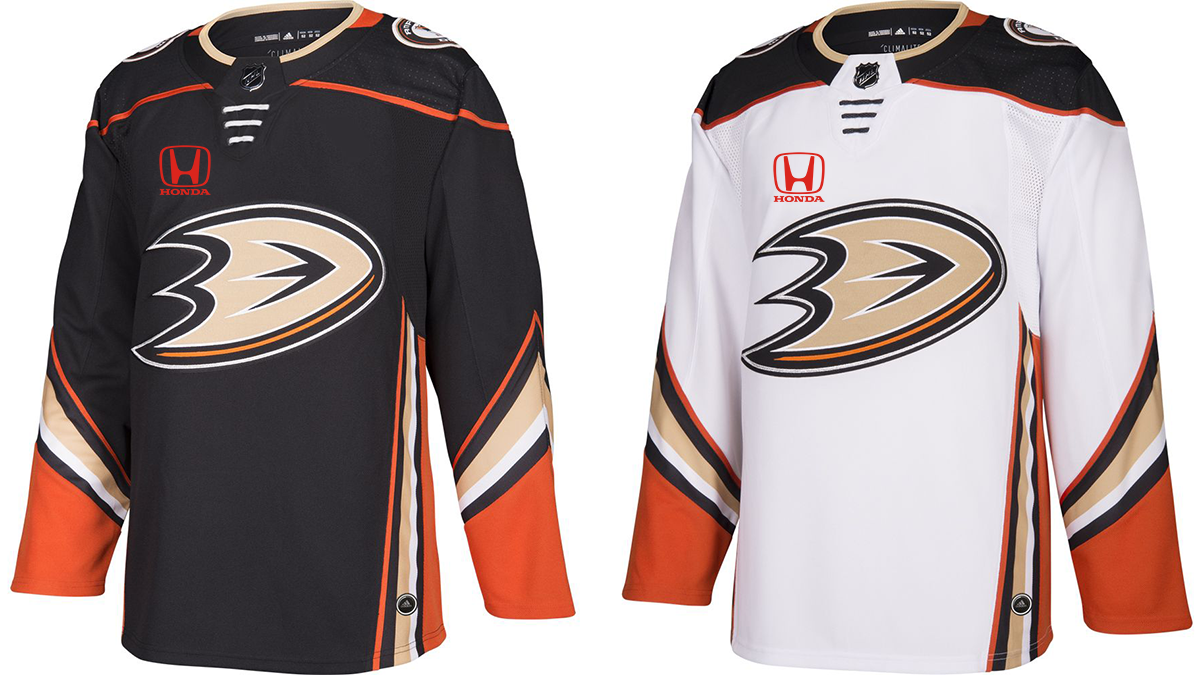
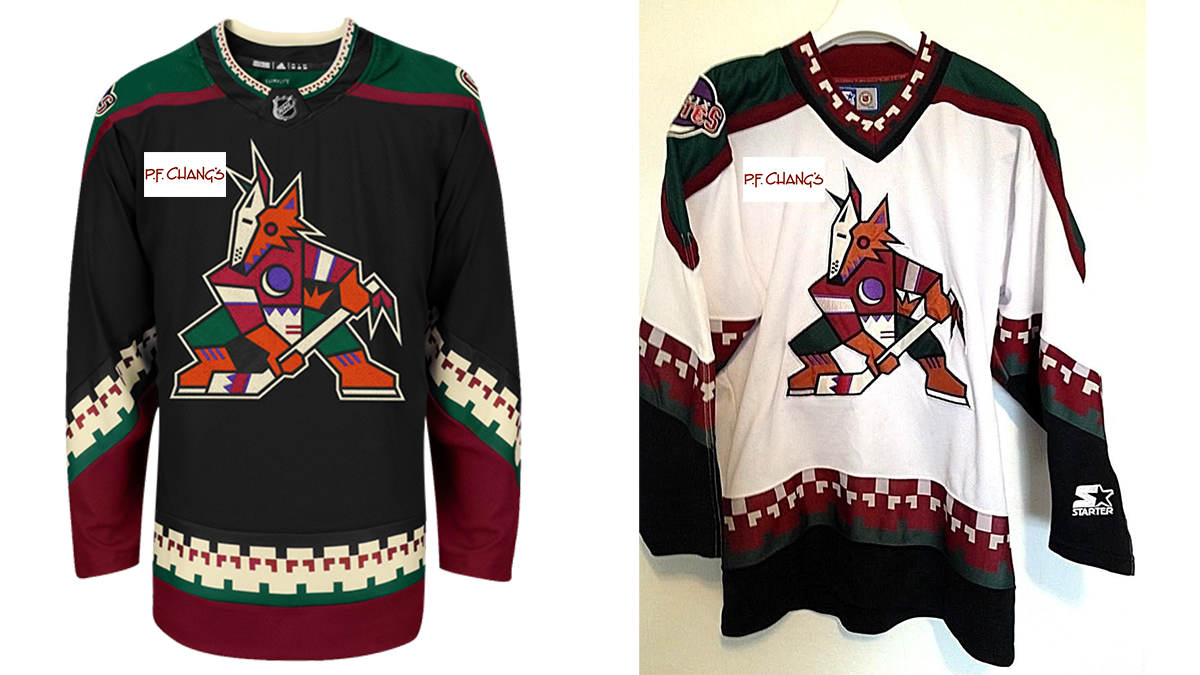
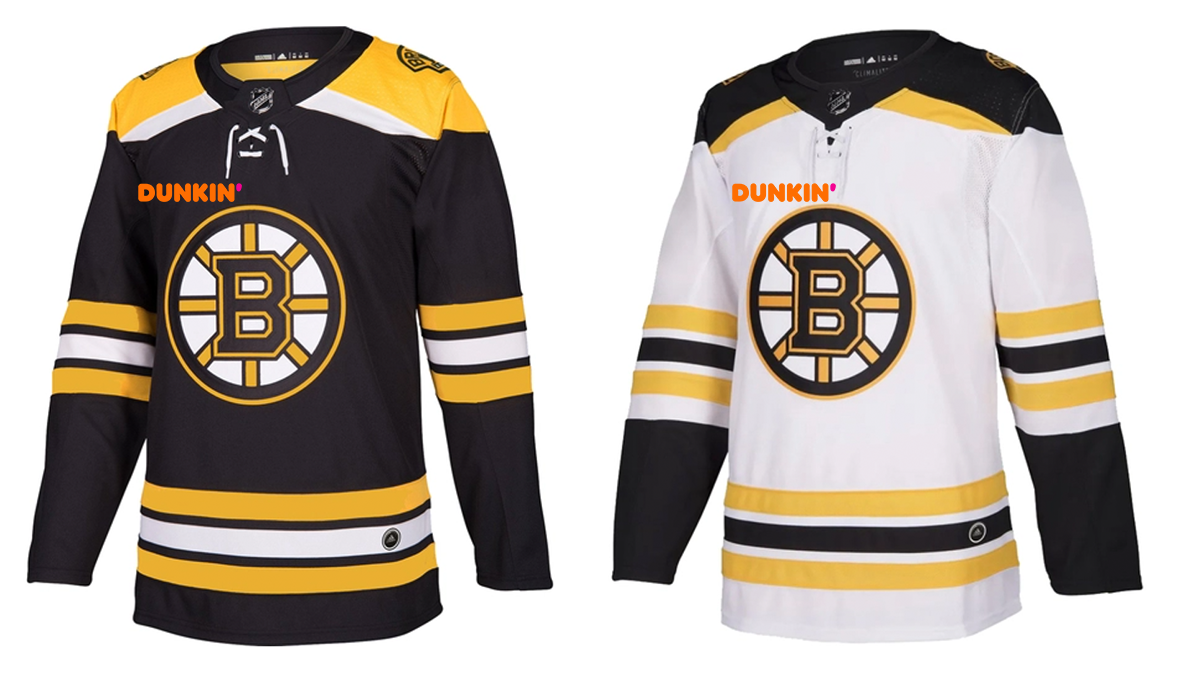

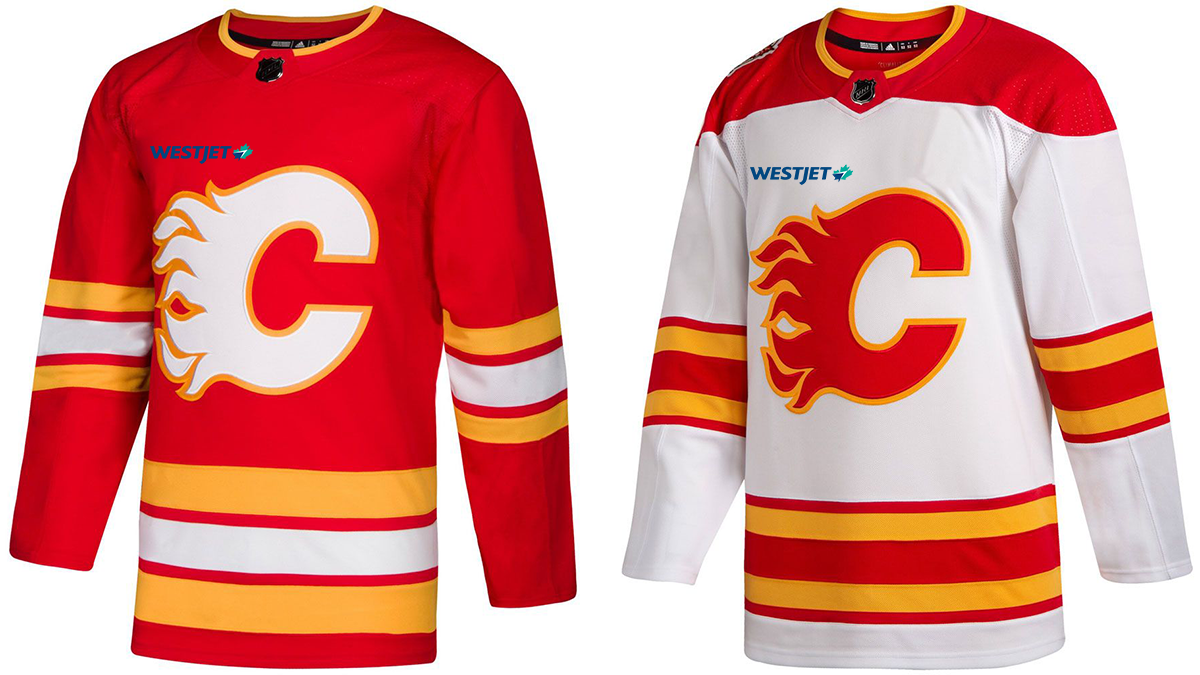
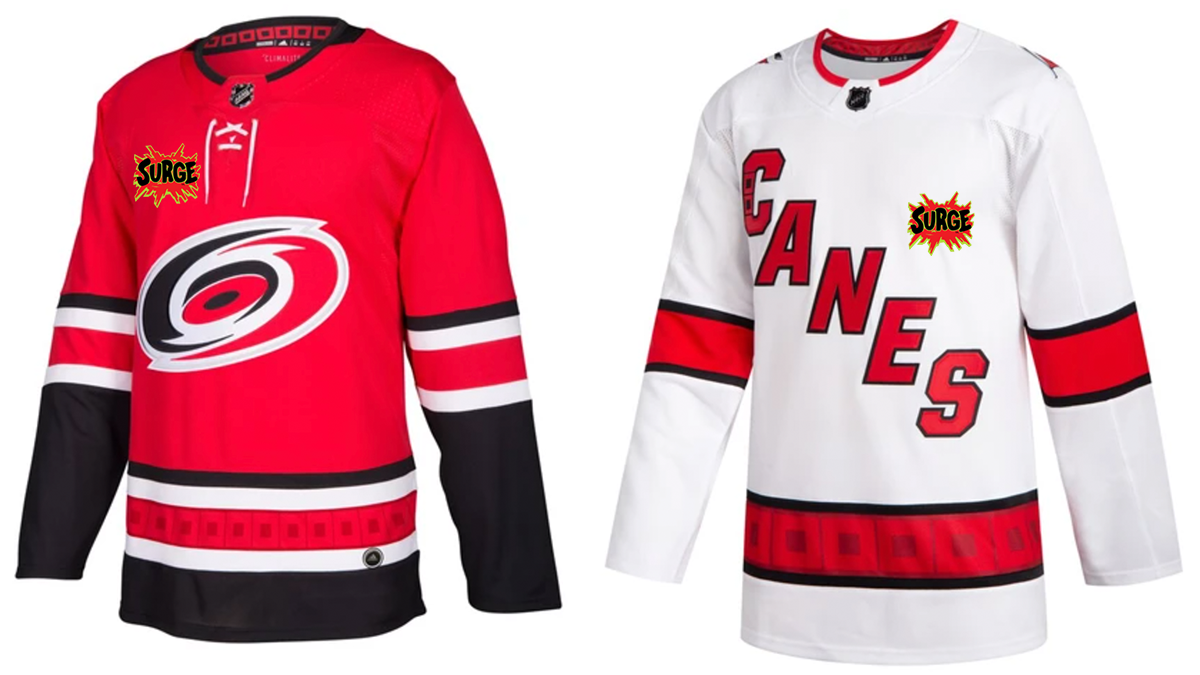
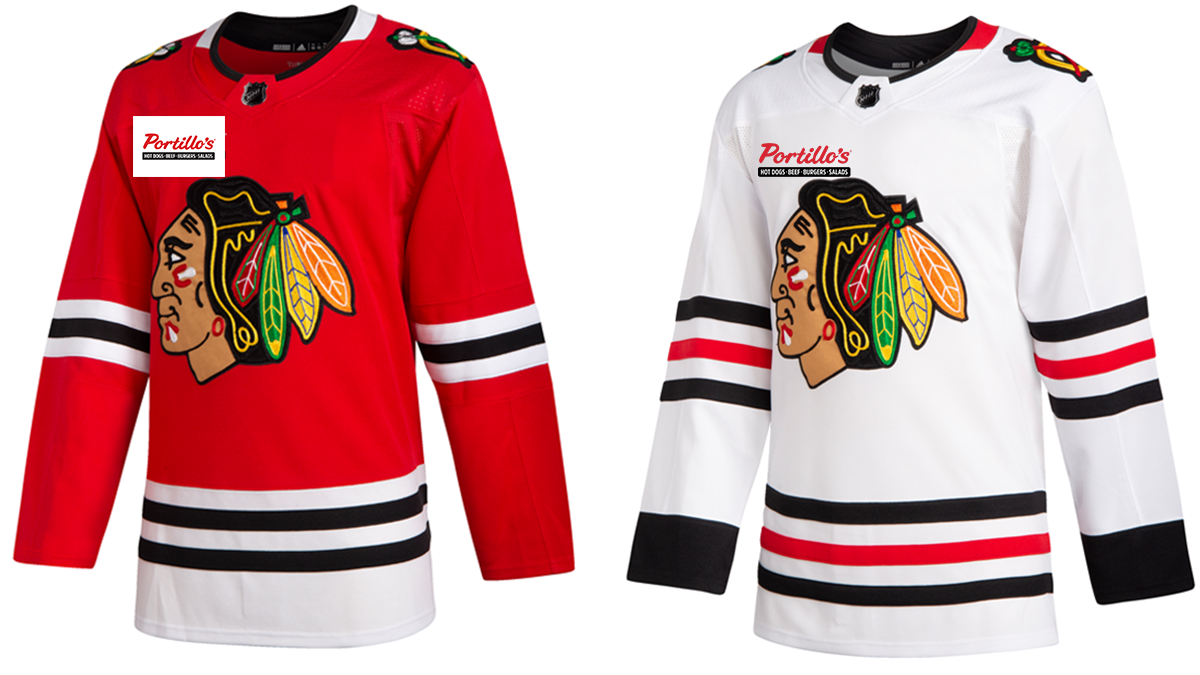


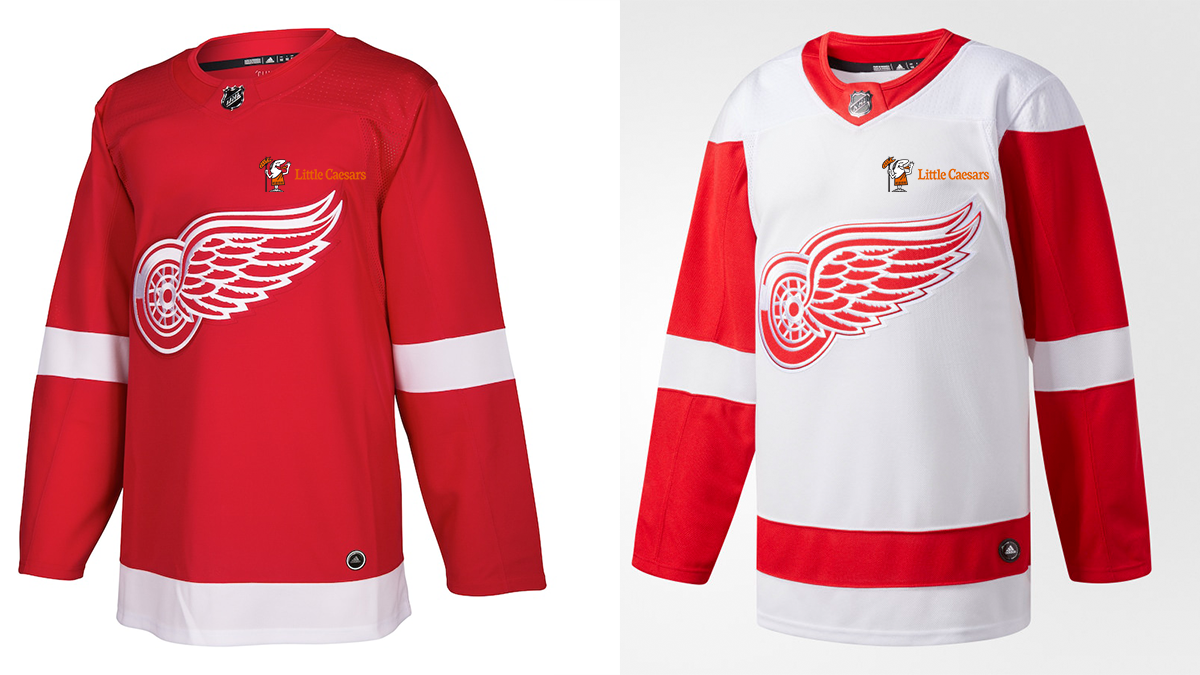


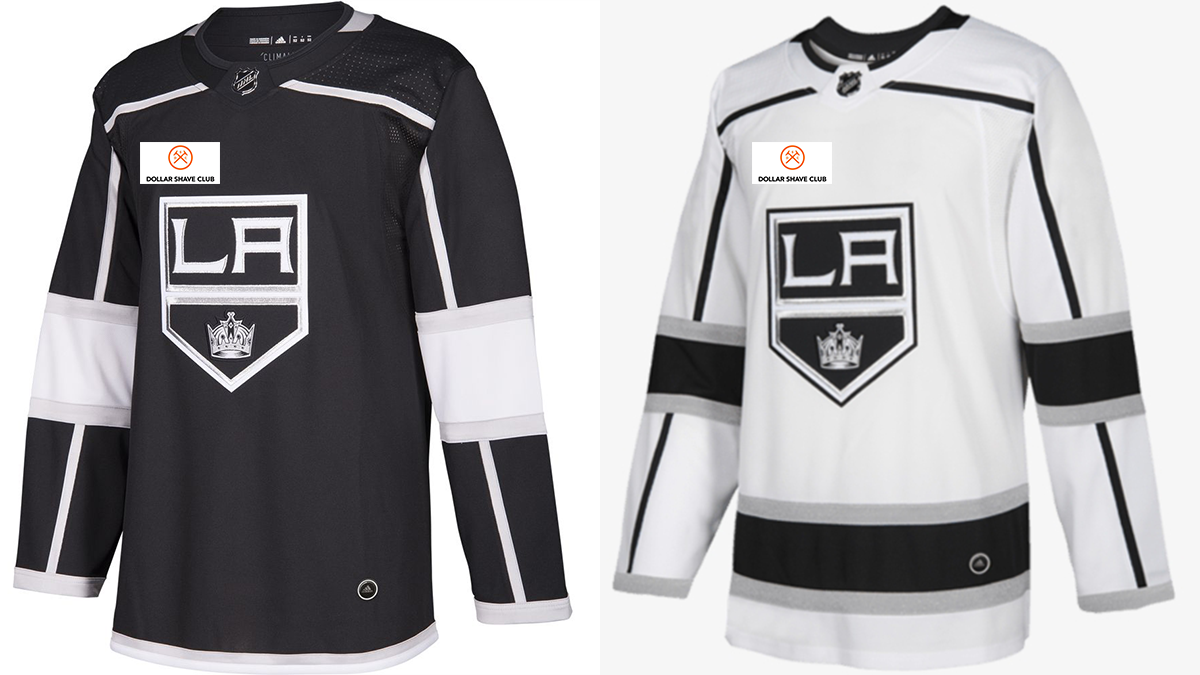
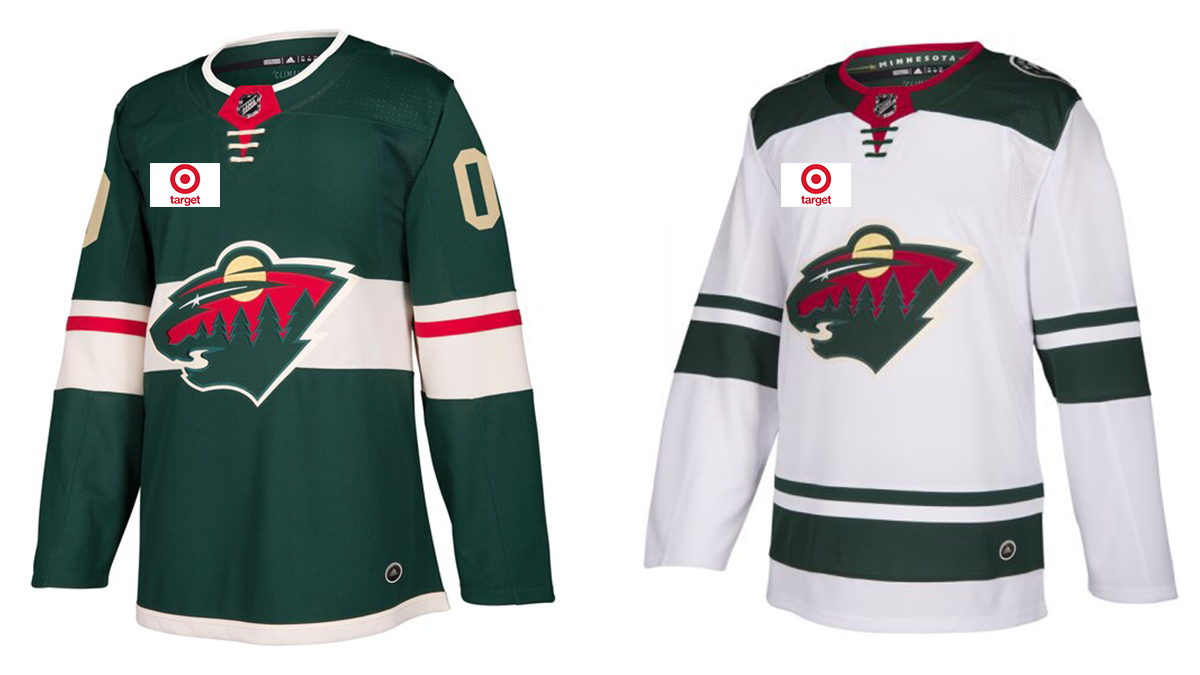

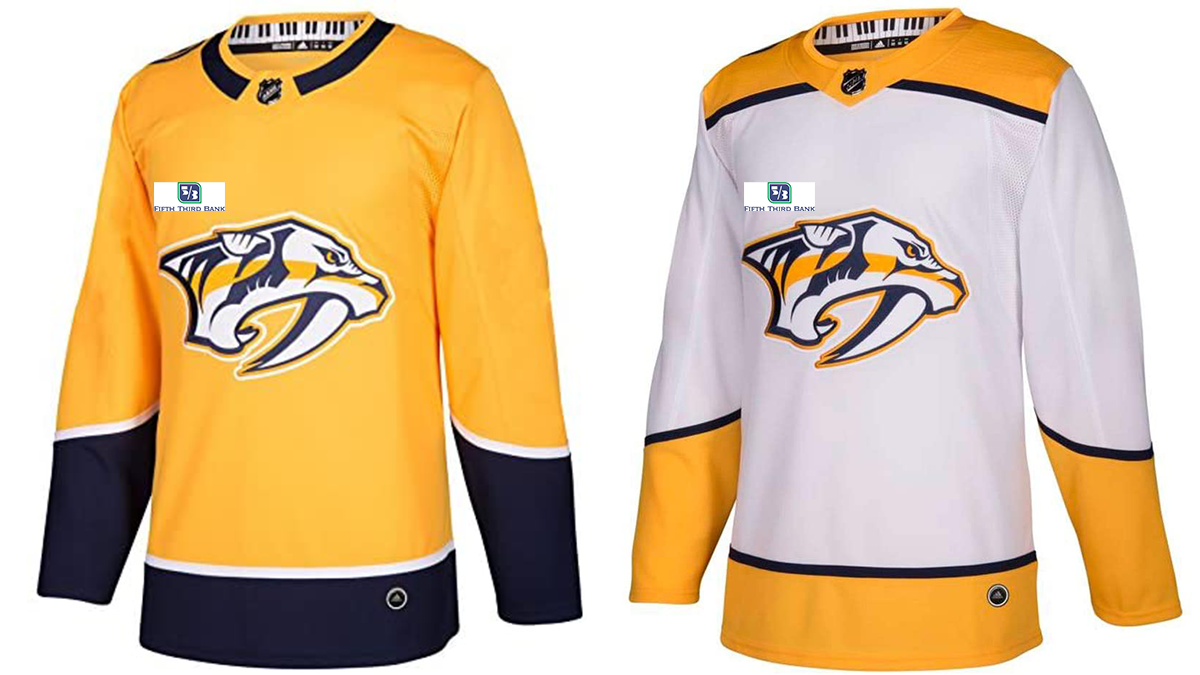
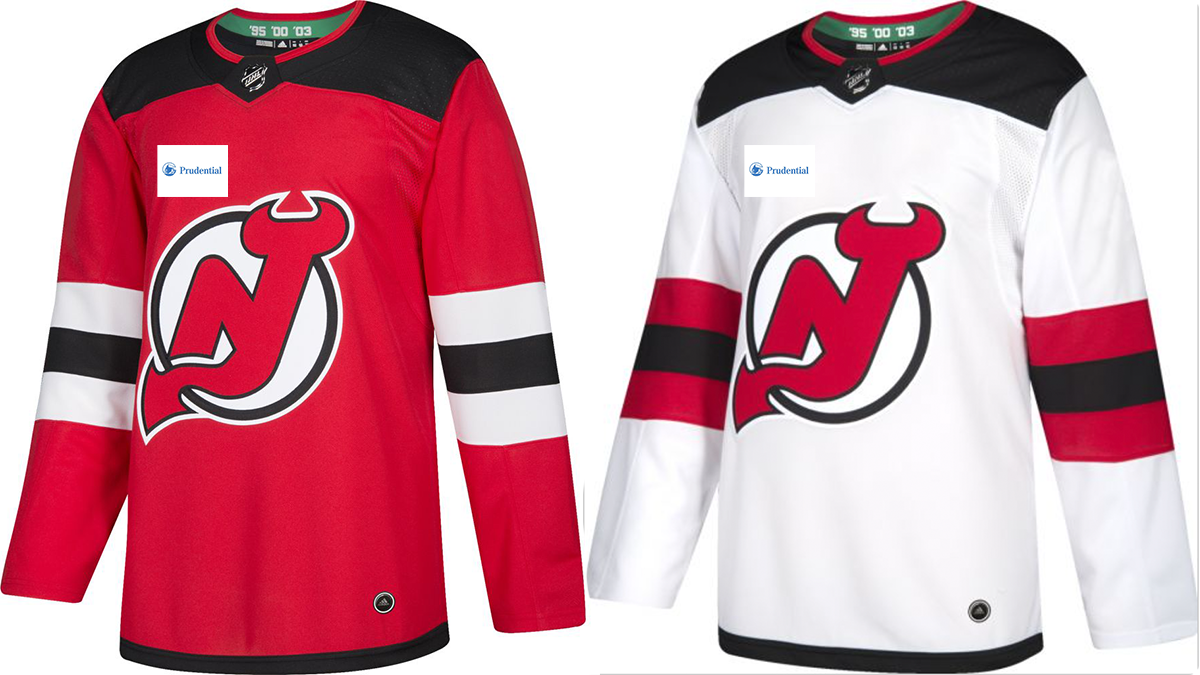


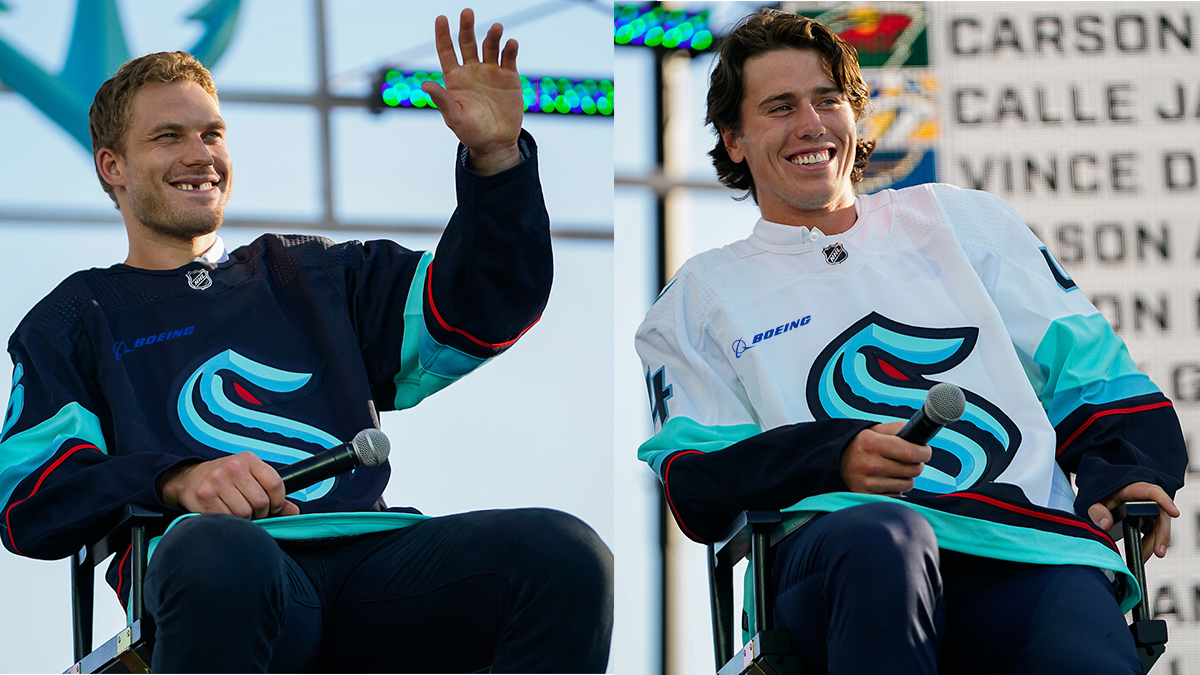

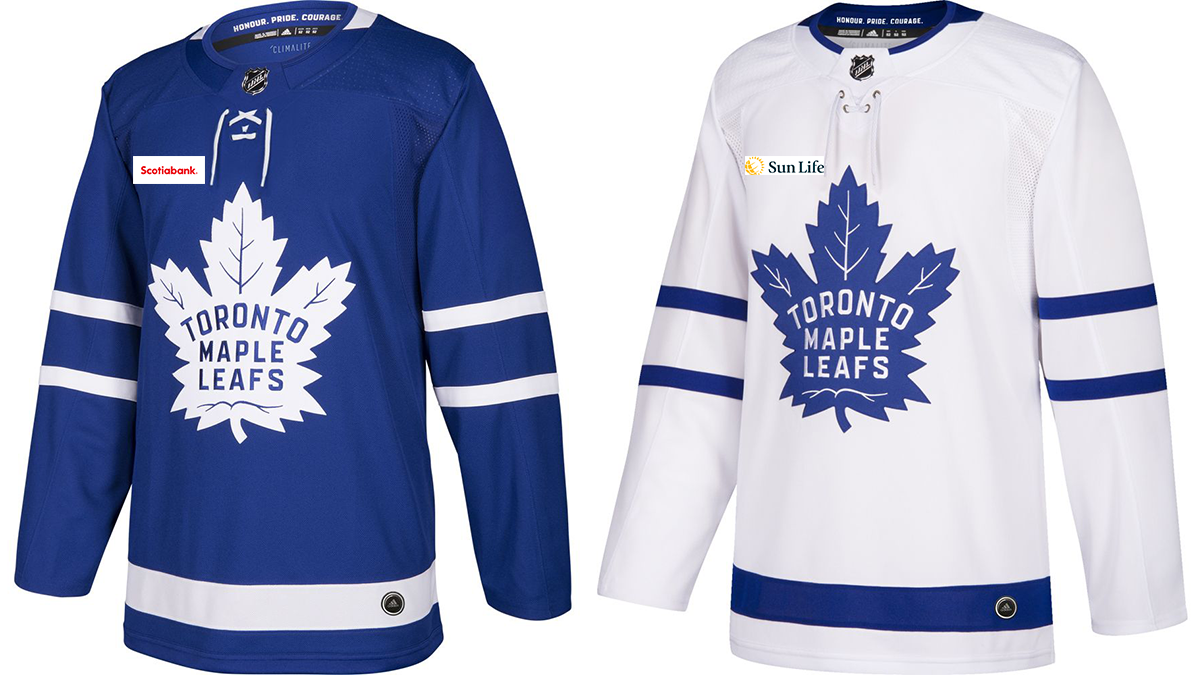
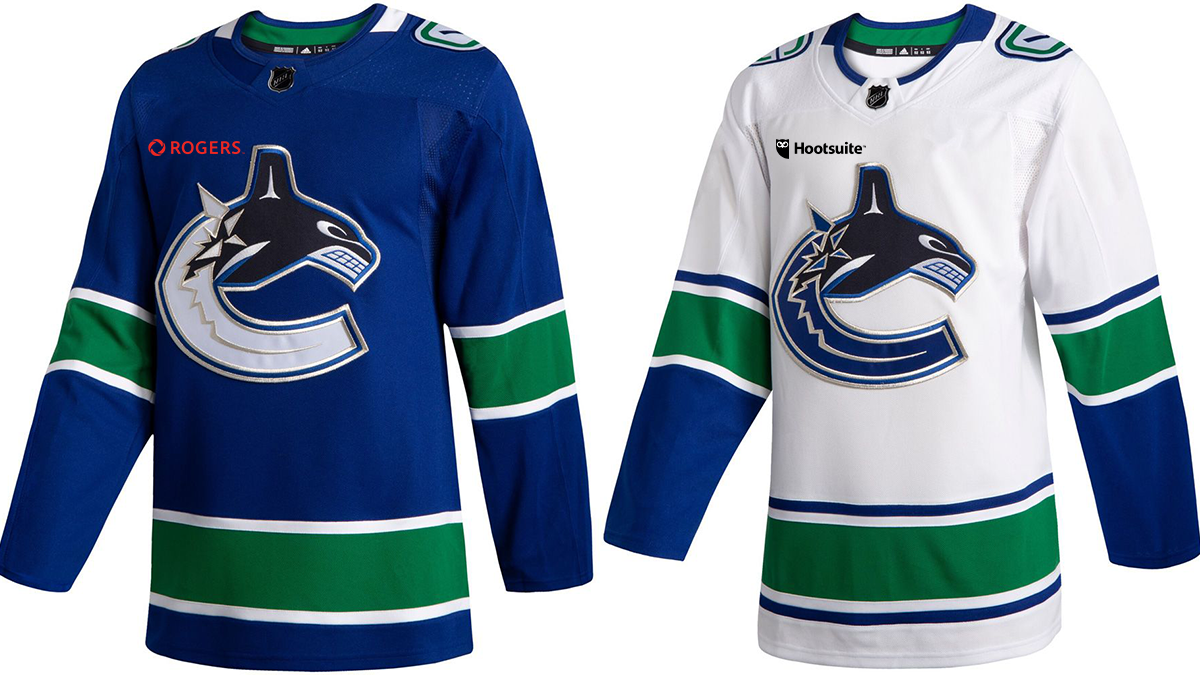
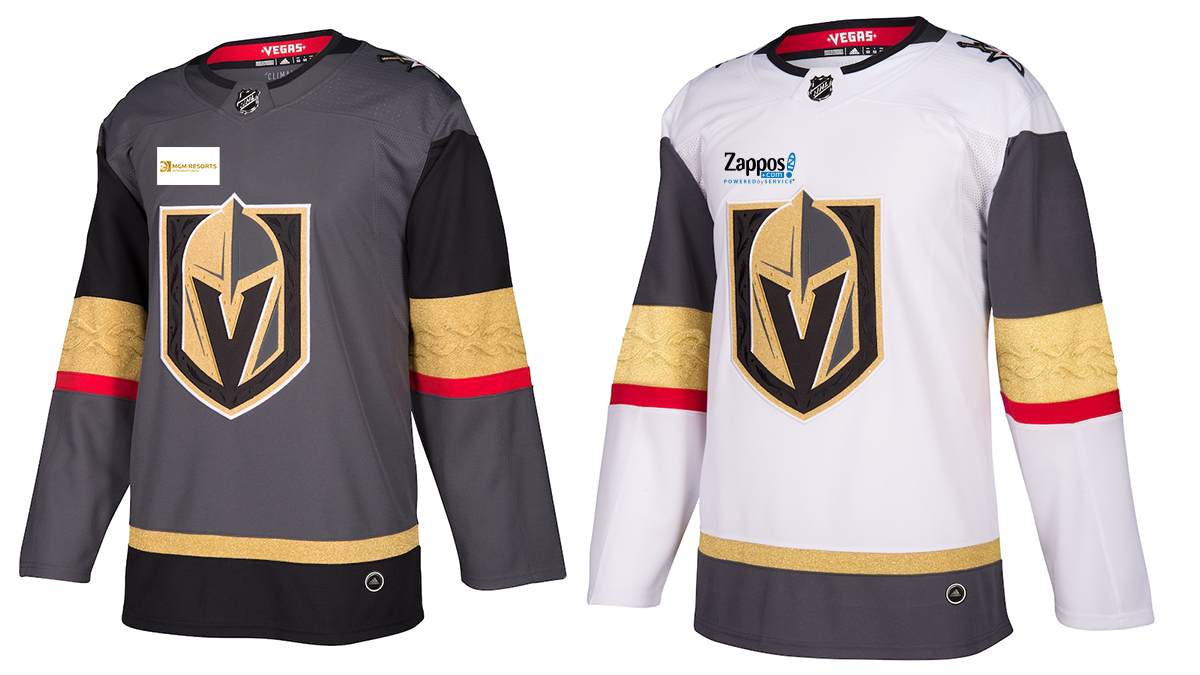



 Down the Frozen River
You must be logged in to post a comment.